

Tanzania Climb Kilimanjaro guide for pricing routes and summits
If you want to climb Kilimanjaro in Tanzania, the hard part is not the mountain. It is sorting through seven routes, wildly different prices, and operators who all promise a summit. At 19,341 feet, Kilimanjaro is the highest peak in Africa, and you can reach it without technical climbing skills. But your route and your operator decide whether you summit or turn back with altitude sickness.
Here is the short answer. Most climbers need 6 to 9 days on the mountain, and the longer routes give you the best odds because your body adjusts slowly. Expect to pay roughly $2,000 to $4,000 per person for a reputable guided climb. The dry months, January to March and June to October, give you the most reliable weather.
Below, we cover each route, how hard the climb really is, when to go, what it costs, and how to choose a guided tour. We are a locally owned operator in Arusha, so we have guided this trek many times. We will tell you what to look for, including safety checks, emergency oxygen, and fair pay for porters.
Why climbing Kilimanjaro in Tanzania is worth planning carefully
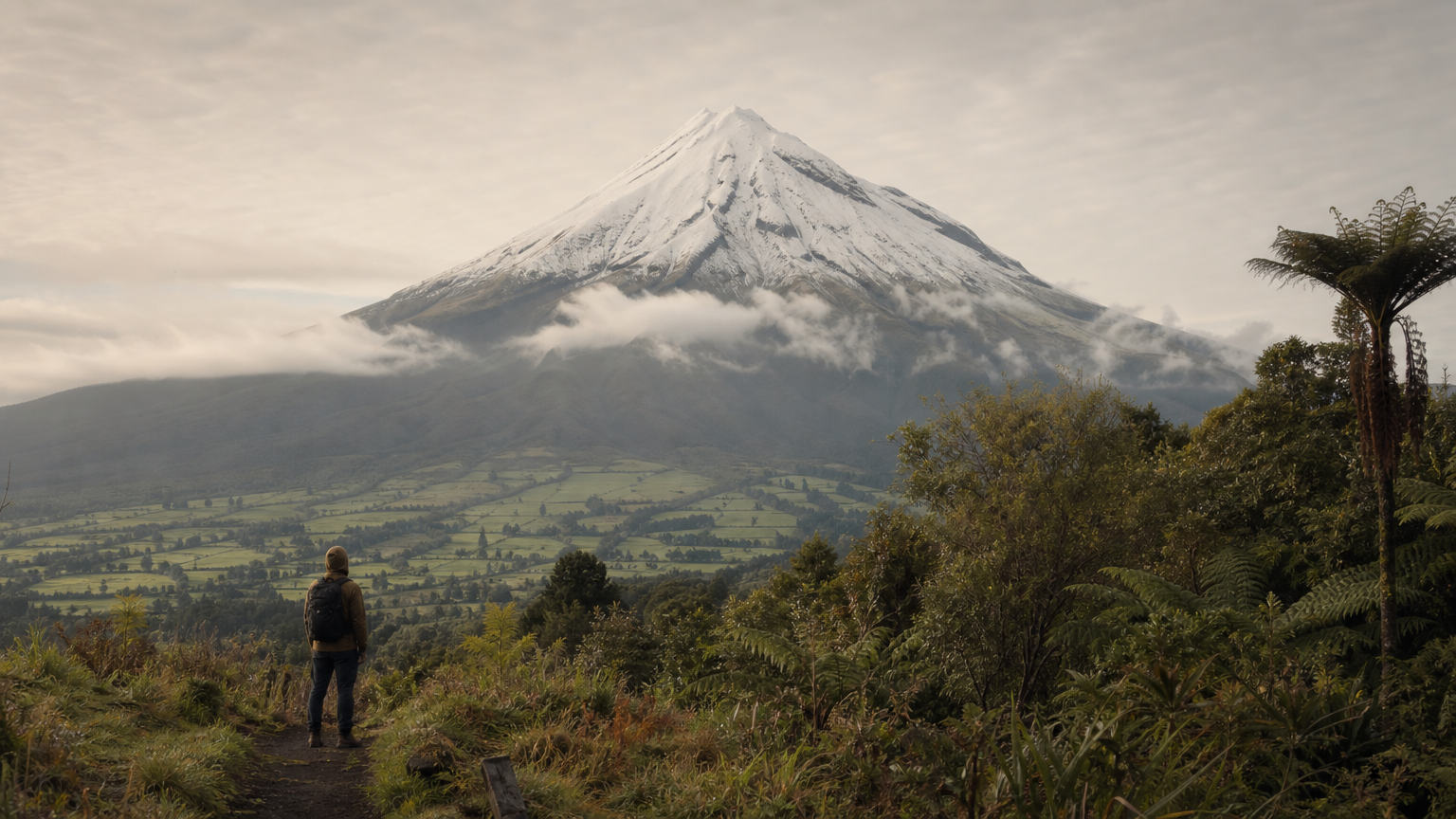
Kilimanjaro is a free-standing volcano, not a mountain range. That means a Mount Kilimanjaro climb takes you through five climate zones in about a week. You start in farmland and rainforest and finish on a glaciated crater rim at Uhuru Peak. You need no ropes or ice axes, which is why so many first-timers try it, though there is plenty first-time climbers should know about Mt Kilimanjaro before booking. But no technical skills does not mean easy.
What you actually walk through
| Zone | Approximate elevation | What you see |
|---|---|---|
| Rainforest | 5,900 to 9,200 ft | Monkeys, giant ferns, mist |
| Heath and moorland | 9,200 to 13,100 ft | Heather, giant lobelias |
| Alpine desert | 13,100 to 16,400 ft | Rock, dust, almost no plants |
| Arctic summit | Above 16,400 ft | Ice, thin air, freezing wind |
Each zone changes your gear needs and your pace. You can leave camp in a T-shirt and be wearing a down jacket by lunch. Packing and pacing for one climate does not work here.
Altitude decides, not fitness
Most people who turn back do so because of altitude, not tired legs, which is an honest breakdown of what makes this climb hard. Your body needs time to produce more red blood cells as the air thins. A marathon runner who rushes up in five days can fail, while a steady walker on nine days often summits.
Success rates show the pattern. Short itineraries of five or six days typically see roughly half of climbers reach the top. Itineraries of eight or nine days often exceed 85 percent. The mountain is the same. The difference is how many nights you give your body to adjust.
Altitude, not fitness, ends most Kilimanjaro attempts, and a longer itinerary is your best defense.
That is why a cheap, short package is the most expensive mistake you can make. If you fly 7,000 miles and turn around at 16,000 feet, you have paid full price for a partial trip.
What careful planning protects
When you plan a Tanzania Kilimanjaro climb, three things are on the line, and each one is decided before you land in Arusha:
- Your safety. Daily health checks, pulse oximeter readings, emergency oxygen, and guides trained in altitude illness make the difference when symptoms appear.
- Your budget. Park fees are fixed and high, so a very low quote usually means corners are cut on food, equipment, or wages.
- Your porters. Every climber is supported by a crew. Fair pay and proper gear for them are part of a responsible climb.
Get these three right and the rest of your preparation becomes much simpler. The sections below walk through each decision in order, starting with the route.
How to choose the right Kilimanjaro route and itinerary length
Start with one question: how many days can you give the mountain? Every route reaches Uhuru Peak, but the seven Kilimanjaro climbing routes compared side by side differ in scenery, crowds, and how gently they gain altitude. Your answer narrows the choice fast.
The main routes compared
| Route | Typical days | Best for |
|---|---|---|
| Marangu | 5 to 6 | Hut sleeping, but lowest summit odds |
| Machame | 7 | Scenery, steady crowds, steep early days |
| Lemosho | 8 | Best all-round choice, quieter trails |
| Rongai | 6 to 7 | Drier northern approach |
| Northern Circuit | 9 | Highest success rate, fewest people |
| Umbwe | 6 | Experienced hikers only, very steep |
Lemosho on eight days is what we recommend to most first-timers. The trail starts in the quiet west, crosses the Shira Plateau, and lets you climb high and sleep low near Lava Tower. Machame on seven days is a close second, though it is busier.
Why days matter more than the route
Honestly, the route name matters less than its length, so look at the number of days each climb needs before anything else. A seven-day Machame beats a five-day Marangu almost every time, because each extra night adds acclimatization. Rongai suits you if you want a drier start on the north side, especially outside the main dry months.
Choose the longest itinerary your schedule and budget allow, because days on the mountain matter more than the trail name.
Before you book any Kilimanjaro climbing tour, check these points:
- The itinerary runs at least seven days, and eight or nine is better.
- The route includes a higher camp visit followed by a lower sleep.
- The operator explains how it handles a climber who needs a slower pace.
How to plan the best time, cost, and permits
Timing, price, and paperwork are linked, so settle them together. Do it early and the rest of your trip falls into place.
Best time to climb
The dry seasons, January to mid-March and June to October, give the most stable weather for a Kilimanjaro climb, and our month-by-month guide to the best time to climb Mount Kilimanjaro breaks down rainfall and crowds in detail. July to September is busiest. January and February are colder on the summit but quieter. April, May, and November bring heavy rain, slick trails, and poor views. You can still summit then, but the trek is wetter and harder.
Plan around the moon as well. A full moon on summit night lights the final push to Uhuru Peak and makes the freezing, pre-dawn hours easier to handle.
What a climb costs
Park fees are set by the government and charged per day, so a longer itinerary costs more. On seven days, park fees alone run roughly $800 to $1,100 with rescue fees and VAT, which is a big part of what you will really pay to climb Kilimanjaro. Rates change, so ask your operator for the current figures.
| Price per person (7 to 8 days) | What to expect |
|---|---|
| Under $1,800 | Corners cut on food, gear, or crew wages |
| $2,000 to $3,000 | Solid mid-range, fair wages, oxygen, health checks |
| $3,500 and up | Private group, extra staff, more comfortable camps |
A quote that barely covers park fees cannot also cover safe equipment and fair pay for your crew.
On top of the quote, budget $250 to $350 for crew tips, plus flights, visa, insurance, and gear rental.
Climbing Africa’s tallest peak is a dream worth sharing. Trekking Mount Kilimanjaro alongside fellow adventurers makes the journey safer, more affordable, and far more memorable — you’ll swap stories at camp, cheer each other up the switchbacks, and celebrate together at Uhuru Peak. With experienced guides, reliable gear, and well-paced routes like Machame and Marangu, reaching the summit becomes an achievable goal for climbers of every level. Don’t take on the Roof of Africa alone. Join a Kilimanjaro group tours.
Permits and rules
You cannot climb Mount Kilimanjaro on your own. Park rules require a registered operator and a licensed guide, and your operator books the permits and pays the park fees for you. What you handle is short:
- A passport valid for at least six months
- A Tanzanian visa, which you can get online before you fly
- Travel insurance that covers trekking to 19,341 feet and helicopter evacuation i.e Rise and Shield Travel Insurance.
- A yellow fever certificate if you arrive from an affected country
Check the insurance wording closely. Many standard policies stop covering you at 13,000 feet.
How to prepare for the difficulty, altitude, and summit night
The real difficulty of a Kilimanjaro climb and what to expect before you go comes from endurance and thin air, not technique. Summit night is the hardest single day, so prepare for it on purpose. Three things matter most: training, pacing, and knowing what the final push looks like.
Train for long days on your feet
Begin eight to twelve weeks out. You are building the stamina to walk five to seven hours a day for a week, not learning to run fast. The most useful training is simple:
- Hike with a loaded daypack on weekends, building to two back-to-back days of 6 to 8 miles
- Climb stairs or use an incline treadmill twice a week
- Wear your boots on every hike, so they are fully broken in before you fly
Pace and hydration
Walk slower than feels necessary. Guides call it pole pole, Swahili for “slowly slowly,” and it keeps your heart rate low enough to save energy for summit night. Drink three to four liters of water a day, and use pale urine as your check.
Walking slowly is the cheapest altitude medicine you have.
Ask your doctor about acetazolamide (Diamox) well before departure. Some climbers take it to help acclimatize, but it does not replace a longer itinerary or honest reports to your guide about how you feel.
What summit night looks like
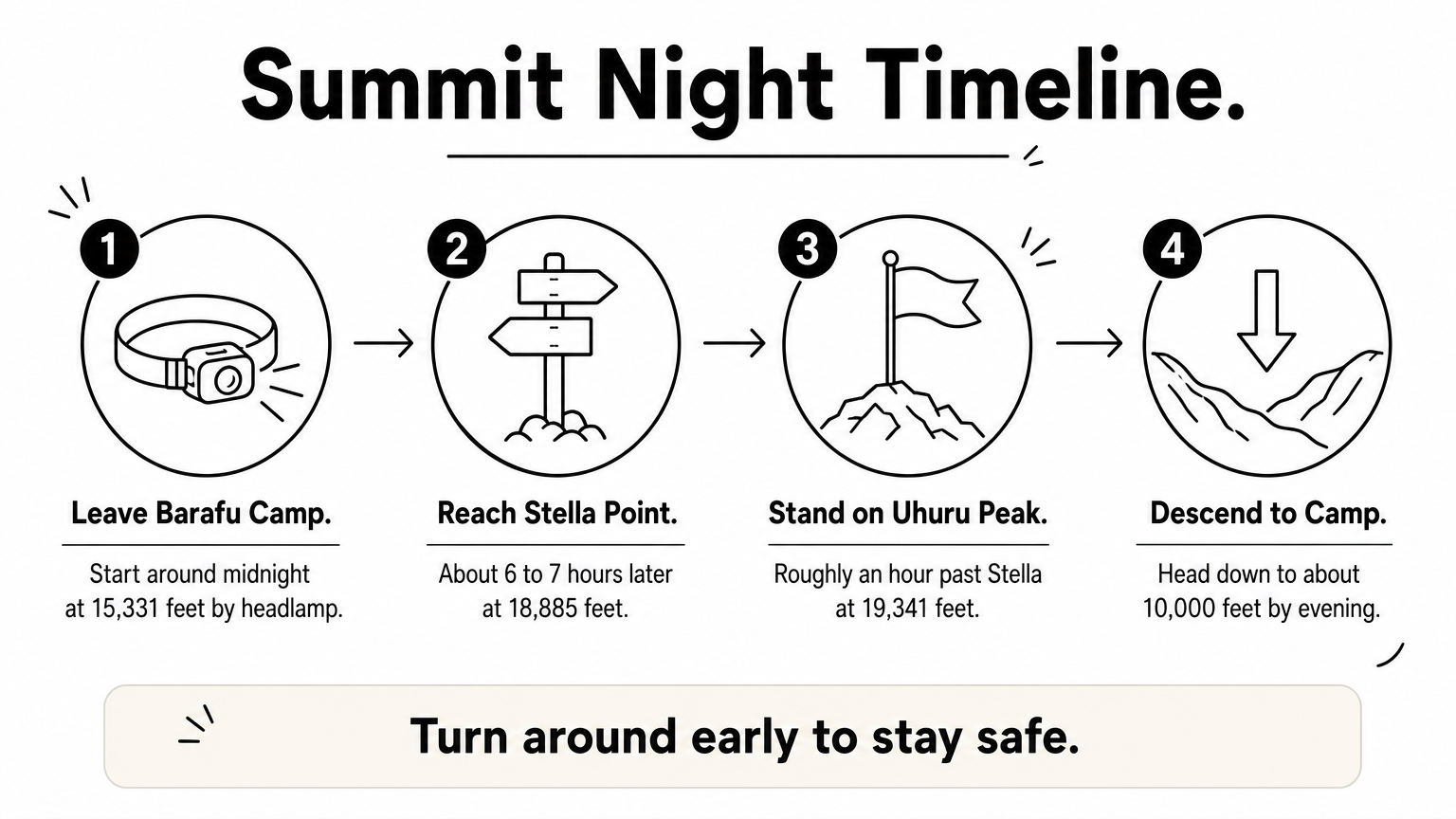
Summit night starts around 11 p.m. or midnight from high camp, usually Barafu at 15,331 feet. You climb by headlamp in cold that can fall well below 0°F with wind, so dress in layers you can adjust. The full summit day runs 12 to 15 hours.
| Stage | Elevation | Typical timing |
|---|---|---|
| Leave Barafu Camp | 15,331 ft | Around midnight |
| Stella Point | 18,885 ft | 6 to 7 hours later |
| Uhuru Peak | 19,341 ft | About an hour past Stella |
| Descent to lower camp | Roughly 10,000 ft | Afternoon and evening |
Tell your guide the moment you get a headache that will not clear, nausea, or unsteady steps. These are early signs of altitude sickness, and a good team will check your oxygen saturation and descend with you if needed. Turning around early is how people stay safe.
How to choose a Kilimanjaro tour operator and guide
Once you know your route and dates, the operator is your next big decision, so it pays to compare trusted Kilimanjaro operators for a successful summit. A well-run Tanzania Kilimanjaro climb depends on the people who lead you far more than on your boots or backpack. If you plan to climb Mount Kilimanjaro with a stranger’s company, you are trusting them with your health at altitude.
Questions to ask before you pay
Start by asking for specifics in writing. A good operator answers every item below without hesitation.
| Ask about | A good answer |
|---|---|
| License | A current Tanzanian tour operator license, shown on request |
| Safety kit | Pulse oximeter checks daily, emergency oxygen, a full first aid kit |
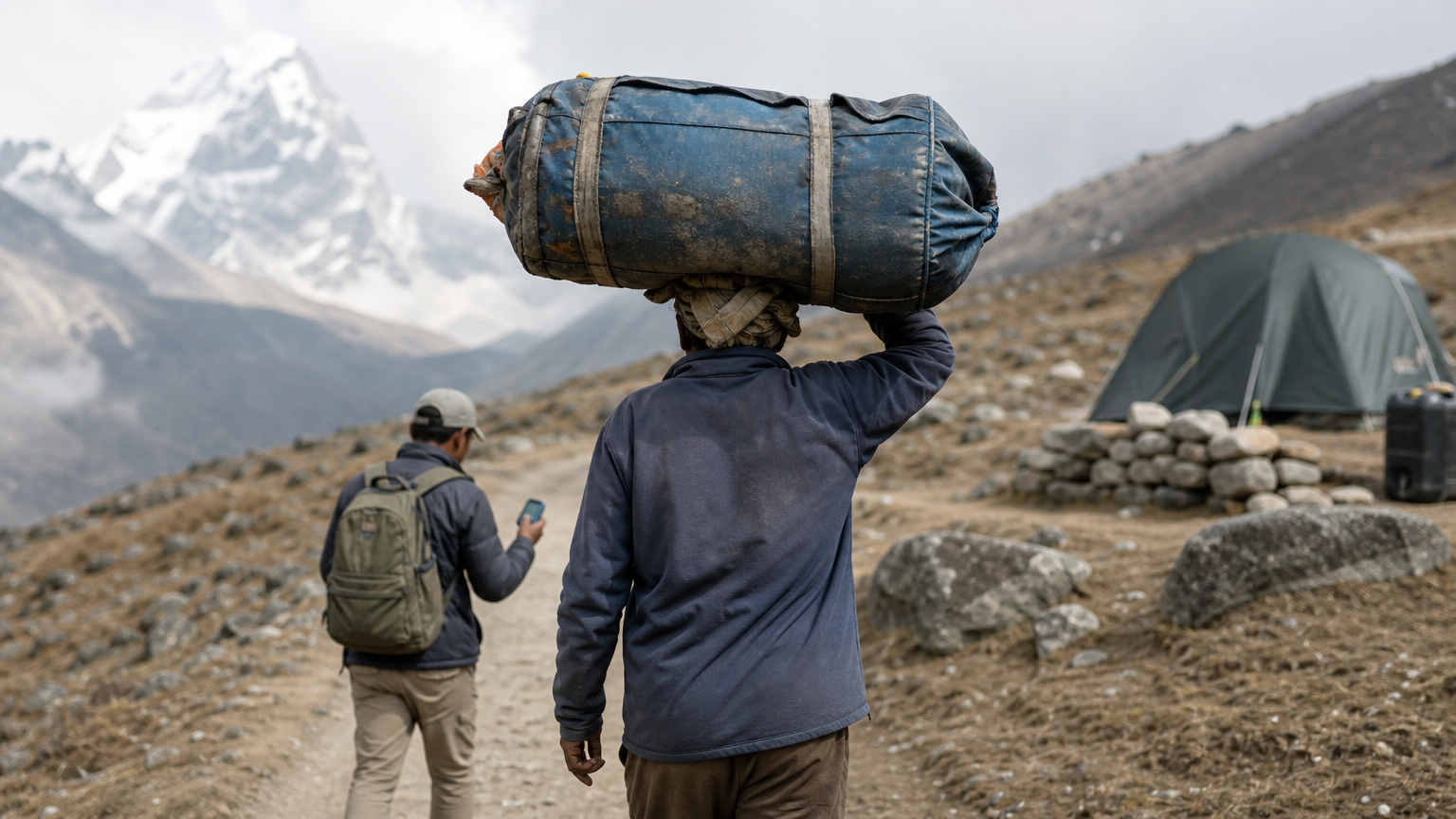
| Crew | A lead guide, assistant guides, a cook, and porters carrying no more than the park limit of 20 kg (44 lb) each |
| Pricing | An itemized quote covering park fees, camping, food, and transfers |
| Group size | Private or small groups, with the headcount confirmed |
Send these questions by email or WhatsApp and compare the replies. Vague answers are a warning sign, and an operator who dodges the porter question will probably cut other corners too.
Judge the guide, not only the company
Guides shape your daily experience on the mountain, so learn what to look for when picking a guide for your climb. A strong lead guide sets a slow pace, watches how you breathe and eat, and has the confidence to turn you around when your symptoms worsen. Ask how many years they have led Kilimanjaro treks and whether they hold wilderness first aid training.
The best operator is the one that tells you the truth about your summit odds, even when it costs them a sale.
Reviews help here. Read recent feedback on Tripadvisor and SafariBookings, and look for guides mentioned by name and for stories about sickness or bad weather. How a team handled a problem tells you more than five-star praise on a sunny day. Locally owned operators in Arusha often have the strongest guide teams, because they hire, train, and pay their crews directly instead of passing your booking to a subcontractor.
Ready to plan your summit attempt
A successful Kilimanjaro climb in Tanzania comes down to a few choices you make at home. Pick a longer route, ideally Lemosho on eight days, go in the dry season, and budget realistically for park fees and crew tips. Train for long days on your feet, walk pole pole, and tell your guide how you feel.
Above all, choose an operator you trust. Ask for an itemized quote, daily oxygen checks, emergency oxygen, and fair porter pay, then read what past climbers say about their guides. The mountain rewards patience and honest preparation, not speed.
When you are ready to turn this plan into dates and a price, browse our guided Kilimanjaro climb packages and request a free tailor-made quote from Golden Trips Tanzania. Our Arusha team will build the route around your schedule, answer your questions on WhatsApp, and walk with you to Uhuru Peak.