

You’ve decided to climb Kilimanjaro. Now comes the harder decision: who leads you up the mountain. Search online and you’ll find hundreds of operators promising the summit, but kilimanjaro climb guides vary enormously in training, safety practices, and honesty about what the climb actually demands. Pick wrong and you risk altitude sickness handled poorly, corners cut on gear, or a guide who’s never actually summited themselves.
This guide walks you through exactly what separates a trustworthy operator from a risky one. You’ll learn what certifications and experience to ask about, how route selection affects your acclimatization and success rate, and what a realistic budget looks like once you factor in park fees, crew wages, and safety equipment. We’ll also cover the red flags that show up in reviews and pricing before you ever book.
We run Kilimanjaro expeditions out of Arusha every season, so this isn’t theoretical advice pulled from a travel blog. It’s the same checklist we’d want a friend to use before choosing between a mount kilimanjaro guided climb with a boutique local outfitter and a mass-market international agency. By the end, you’ll know exactly what questions to ask and what answers should make you walk away.
Why your guide choice determines your summit success
Altitude sickness doesn’t care how many marathons you’ve run. Acute mountain sickness (AMS) hits marathoners and couch potatoes alike, because the real difficulty of climbing Kilimanjaro is oxygen at 19,341 feet, not your gym routine. What actually protects you is a guide who checks your oxygen saturation twice a day, recognizes early symptoms before they turn into HAPE or HACE, and has the authority (and courage) to send you down when your summit dream conflicts with your safety. A published study in Wilderness & Environmental Medicine tracking Kilimanjaro climbers found summit success rates climbed sharply with how many days the climb takes, which is really a proxy for how much acclimatization time and guide attention each climber got.
| Itinerary Length | Typical Summit Success Rate |
|---|---|
| 5 days | ~27% |
| 6 days | ~44% |
| 7 days | ~64% |
| 8+ days | ~85% or higher |
Numbers like these explain why the operator matters more than the brochure photos. Two companies can sell the identical Machame Route at similar prices, yet one pads the schedule with a proper acclimatization day at Barranco Wall while the other rushes you to save on park fees and crew wages. The guide leading the group decides which pace you walk, how often you stop to hydrate, and whether "pole pole" (slowly, slowly) is a genuine strategy or just a phrase printed on a t-shirt.
The guide walking next to you, not the itinerary printed on paper, decides whether you turn back or stand on the roof of Africa.
Training and judgment beat marketing every time
Anyone can print "expert guides" on a website. Verifying it takes more digging. A genuinely qualified kilimanjaro climb guide has completed wilderness first responder training, carries a pulse oximeter and knows how to interpret the readings, and has personally summited dozens of times across multiple routes and seasons. Ask how many times your specific guide has reached Uhuru Peak, not just how many years the company has operated. Experience concentrated in one or two senior guides who never actually lead groups themselves is a common trick among larger agencies chasing volume over quality.
Cutting corners shows up on summit day, not before
Cheap operators rarely advertise what they’ve skipped. Corners get cut on things you won’t notice until you’re at 15,000 feet and something goes wrong: no backup oxygen cylinder, a single first aid kit shared across three groups, or a guide-to-climber ratio stretched so thin that nobody notices you’ve stopped eating. Reputable Arusha-based operators, including the team we run trips with, carry a Gamow bag or portable hyperbaric chamber on longer routes and staff enough guides that a sick climber can descend with an escort while the rest of the group continues. That structural difference, built into staffing and equipment before you ever set foot on the trail, is what separates a mount kilimanjaro guided climb that gets you home safely from one that becomes a cautionary story.
Step 1. Verify licensing, safety training, and certifications
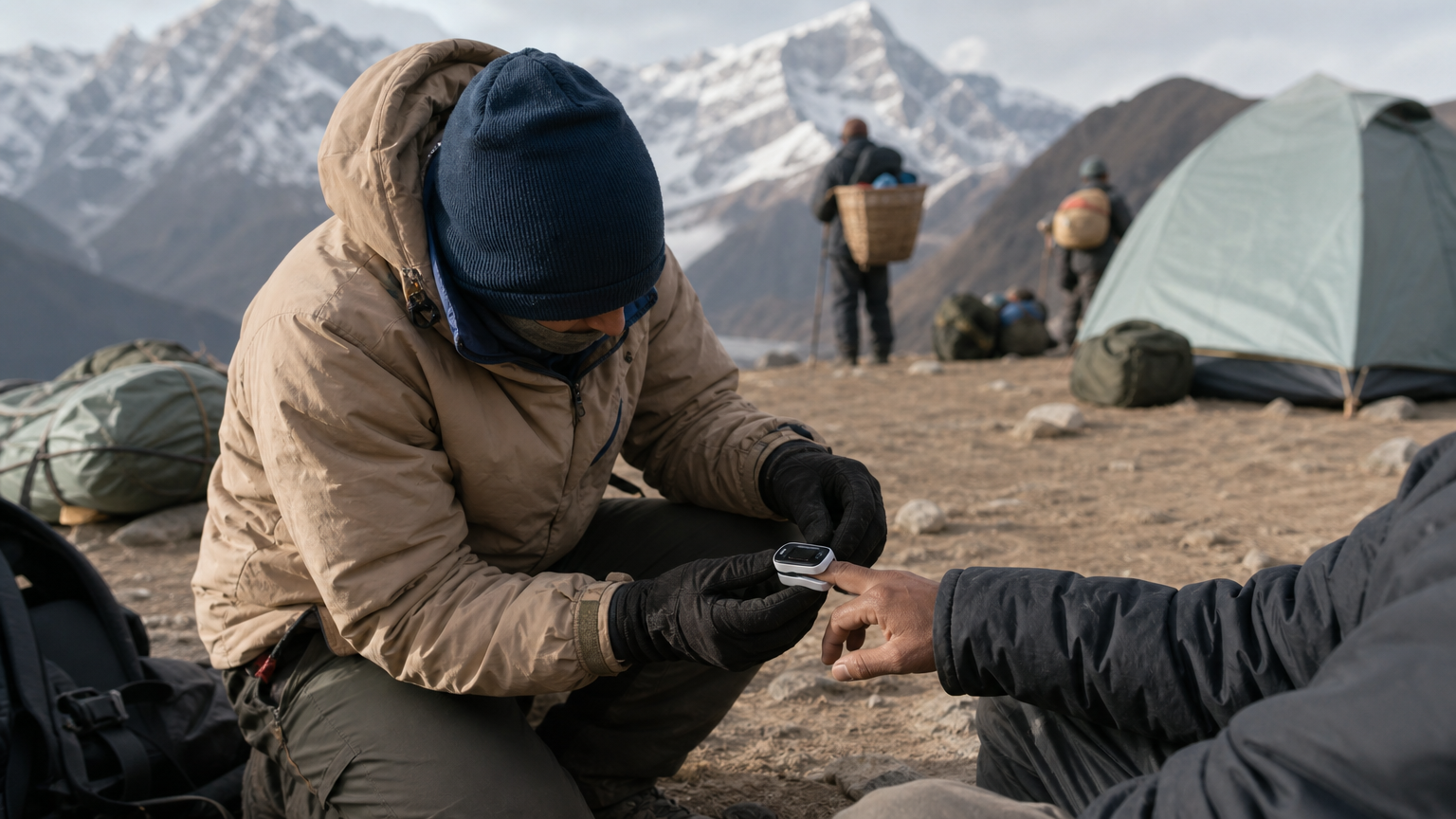
Start your vetting with paperwork most travelers never think to ask for. Tanzania’s Kilimanjaro National Park Authority (KINAPA) requires every operator to register and pay park fees directly, and legitimate companies will show you their permit number without hesitation. Beyond that baseline, look for evidence of Wilderness First Responder or equivalent medical training among the actual guides you’ll climb with, not just a certificate framed in the office. A company’s website full of stock photos and vague claims about "experienced teams" tells you nothing about who’s walking beside you at 4 a.m. on summit night.
If an operator can’t name the specific certifications their guides hold, assume those certifications don’t exist.
Questions to ask before you book
Don’t rely on a sales email to answer these honestly. Push for specifics in a phone call or WhatsApp conversation, since that’s usually where the gaps in a company’s story show up.
- How many summits has my assigned guide personally completed on this route?
- What medical training does the guide hold, and how recently was it renewed?
- Do you carry a pulse oximeter for every climber, checked at least twice daily?
- Is a portable hyperbaric bag (Gamow bag) available on the route I’m choosing?
- What is your guide-to-climber ratio, and does it change with group size?
- Can you provide a reference from a past climber I can contact directly?
Red flags that separate a real operator from a broker
Certain answers should end the conversation immediately. Vague responses about "our experienced team" instead of naming an actual guide usually means you’re booking through a broker who subcontracts to whichever crew is cheapest that week. Guides who dodge questions about oxygen equipment or first aid supplies are telling you those supplies probably don’t exist. Genuine kilimanjaro climb guides answer these questions fast, because they’ve answered them a hundred times before and they’re proud of the systems they’ve built.
We answer every one of these questions directly for climbers planning a trip with us, and you can see exactly how our guides are trained and equipped on our page about climbing Kilimanjaro with expert guides before you ever commit to a date.
Step 2. Compare routes, itinerary length, and success rates
Seven main routes climb Kilimanjaro, and every trekking trail on the mountain changes your odds before you even meet your crew. Marangu is the only route with hut accommodation and gets marketed as the "easy" option, but its short standard itinerary and lack of a true acclimatization loop actually give it one of the lowest success rates on the mountain. The 7-day Lemosho route climb and the Northern Circuit trade a couple of extra days for a longer approach through untouched forest, and that extra time is exactly what your body needs to adjust to thinning air.
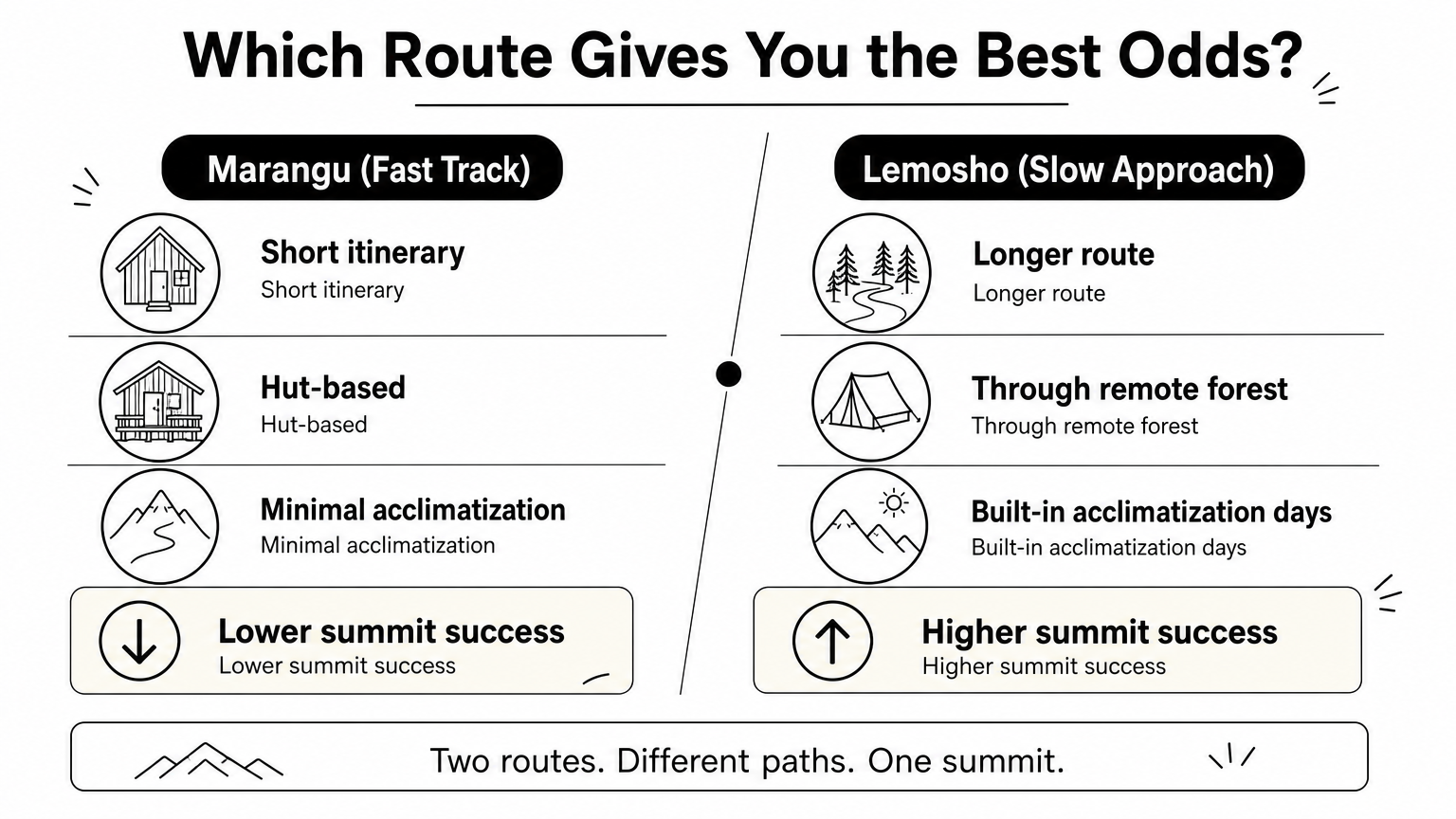
| Route | Typical Days | Scenery/Traffic | Approx. Success Rate |
|—|—|—|
| Marangu | 5-6 | Busy, hut-based | 45-55% |
| Machame | 6-7 | Varied, moderate traffic | 60-70% |
| Lemosho | 7-8 | Remote, low traffic | 75-85% |
| Rongai | 6-7 | Quiet, dry side | 65-75% |
| Northern Circuit | 8-9 | Remote, longest acclimatization | 85-90%+ |
Good kilimanjaro climb guides will steer you toward the route that fits your fitness and timeline honestly, even when a longer itinerary costs the company less profit per climber-day. Compare the routes side by side and ask directly why a specific one suits your situation rather than accepting whichever happens to be cheapest that week.
A cheap five-day Marangu climb that fails is far more expensive, in money and disappointment, than a well-paced eight-day route that gets you to Uhuru Peak.
Match the route to your fitness and schedule
Realistically assess how many vacation days you have and how your body handles altitude before picking a route. Someone with prior high-altitude experience above 10,000 feet can manage a six-day Machame climb reasonably well, while a first-timer with no mountain background should add the extra acclimatization day or choose Lemosho outright. Talk through your medical history, including asthma or cardiac issues, with your operator before booking, since a genuine mount kilimanjaro guided climb planner will adjust pacing around your specific health profile rather than a one-size-fits-all schedule.
Step 3. Check crew welfare, gear, and group size
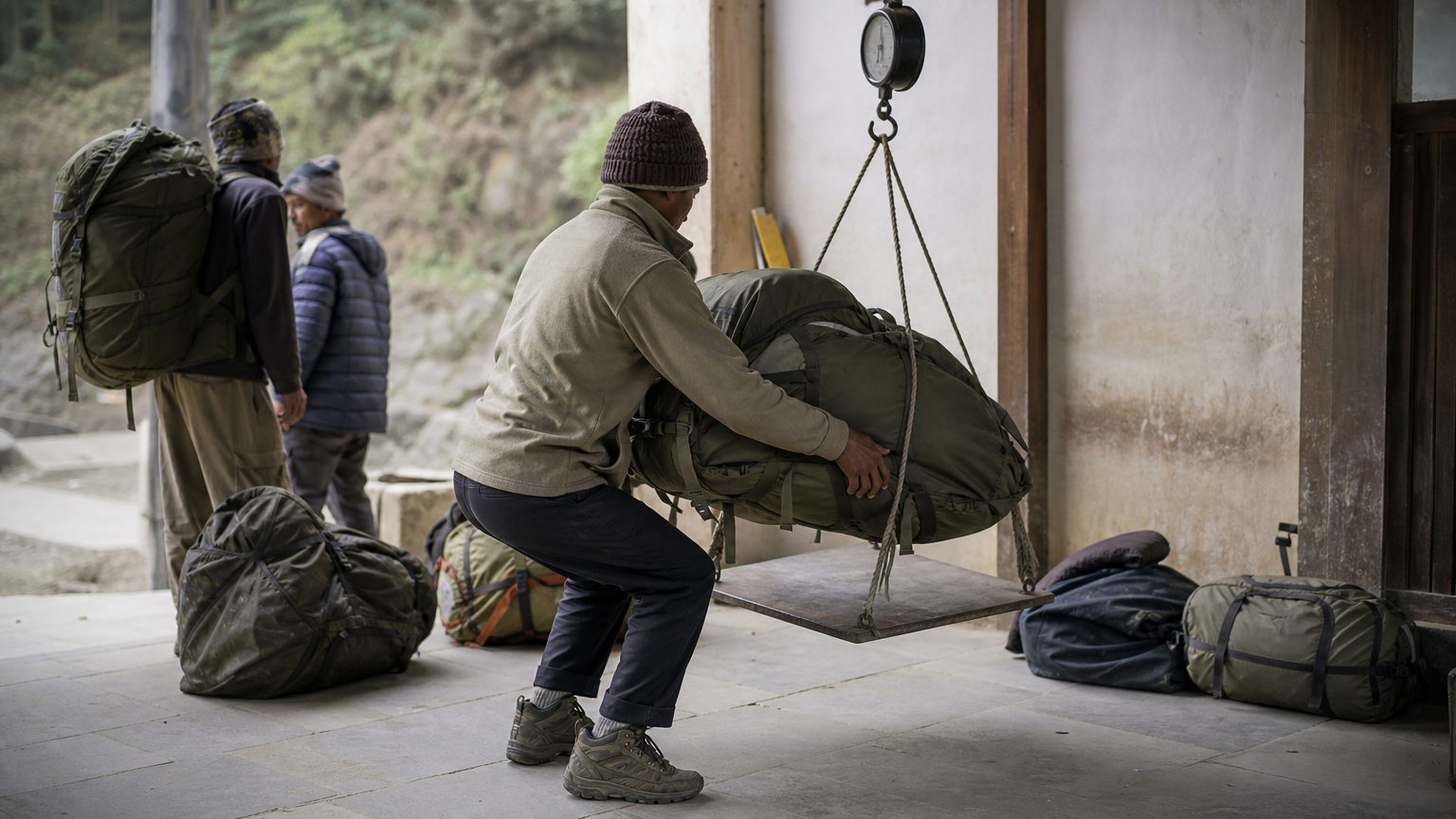
Porters carry your tents, food, and cooking equipment up the same slopes you’re struggling to climb with just a daypack, and how an operator treats them tells you almost everything about how it will treat you when something goes wrong. Legitimate companies register with the Kilimanjaro Porters Assistance Project (KPAP), which sets weight limits (20kg per porter, plus their own gear), monitors wages, and checks that porters have proper boots, sleeping bags, and tents rather than tarps and plastic sandals. A company that underpays or overloads its crew is cutting the same corners on kilimanjaro climb guides training and safety equipment, because it’s the same cost-cutting mindset applied to every part of the operation.
If an operator mistreats its porters, assume it will mistreat you the moment a real emergency shows up on the mountain.
Ask to see the KPAP certificate, not just hear about it
Don’t accept a verbal assurance that porters are treated fairly. Request the operator’s current KPAP partner listing or ask directly how porter loads are weighed at the gate, since KINAPA now checks bag weights at park entrances specifically because underpayment and overloading were so widespread for years.
Gear you should see before departure
Before booking, ask what safety and camping equipment travels with your group. A trustworthy setup typically includes:
- Pulse oximeter for twice-daily oxygen checks
- Portable hyperbaric (Gamow) bag on multi-day routes
- Comprehensive first aid kit with altitude medication
- Proper four-season tents rated for sub-freezing temperatures
- Emergency satellite communication device for evacuation calls
Companies that hesitate to answer, or claim gear is "available if needed," usually mean it’s stored somewhere off the mountain, not carried with your crew.
Group size shapes the attention you get
Smaller groups mean your guide notices when you skip breakfast or your speech slows down, both early signs of altitude trouble. Larger groups, especially shared Kilimanjaro group climbs combined from multiple bookings to fill a departure date, spread guide attention thin exactly when you need it concentrated. Ask how many climbers will share your assigned guide and whether that ratio holds even if the group grows before departure.
Step 4. Review pricing, inclusions, and past climber feedback
Price tells you almost as much as a reference call, if you know how to read it. Kilimanjaro has fixed costs that don’t change between operators: park fees run roughly $70-100 per person per day, plus camping fees, rescue fees, and VAT that Tanzania applies to tourism services. Add crew wages paid at fair rates and proper gear, and a legitimate Kilimanjaro climb guide company simply cannot profitably offer a seven-day Lemosho climb for $1,200, no matter how it prices its budget Kilimanjaro climbs. When you see that price, the missing money comes from somewhere: underpaid porters, skipped safety equipment, or an inexperienced guide filling in for a senior one.
If a quote seems too cheap to cover park fees and fair wages, someone on that mountain is paying the difference instead of you.
Ask for a line-item breakdown
Request exactly what’s included before comparing two quotes side by side. A transparent operator itemizes:
- Park entrance, camping, and rescue fees
- All meals and safe drinking water on the mountain
- Guide, cook, and porter wages
- Gear rental (sleeping bags, poles, gaiters) if included
- Airport transfers and pre-climb hotel night
- Tips guidance, since tipping is customary but shouldn’t be forced
Operators who dodge this request, or bundle everything into one vague number, are usually hiding where the corners get cut.
Read reviews for specifics, not stars
A five-star average means little on its own, which is why it helps to weigh the best Kilimanjaro tour companies on more than their ratings. Search Tripadvisor and SafariBookings for reviews that name specific guides, mention how altitude symptoms were handled, or describe what happened when someone needed to turn back. Vague five-star reviews ("amazing trip, great staff") tell you the company is competent at collecting testimonials, not that it handles emergencies well. Look specifically for how many reviews mention a guide by name across dozens of trips, since that pattern signals a stable, experienced team rather than rotating subcontracted crews.
We’ve built our reputation on exactly this kind of scrutiny, with 187+ Tripadvisor reviews where past climbers name our guides directly. Check our reviews and current Kilimanjaro trekking itineraries before requesting your own custom quote.
Setting yourself up for a safe summit
Choosing between operators comes down to four checks: certifications you can verify, a route that gives you real acclimatization time, a crew treated fairly and equipped properly, and pricing that actually adds up once you account for park fees and wages. Skip any one of these and you’re gambling with something that shouldn’t be left to chance at 19,341 feet. Reputable kilimanjaro climb guides answer these questions without hesitation, because they’ve built their business on exactly this kind of scrutiny.
Don’t let a tempting price or slick website make the decision for you. Ask the hard questions, request named references, and walk away from anyone who dodges them. A mount kilimanjaro guided climb done right gets you home with a summit photo and all ten fingers still working.
Ready to plan yours properly? Browse our guided Kilimanjaro summit expeditions and get a custom quote built around your fitness, timeline, and budget.