

Climbing Mount Kilimanjaro is a dream for many adventure seekers, but one of the most common questions travelers ask is about the difficulty climbing Kilimanjaro. Standing at 5,895 meters (19,341 feet), Kilimanjaro is Africa’s highest mountain and the world’s tallest free-standing peak. While it does not require technical climbing skills, the challenge lies in its extreme altitude, long trekking days, and rapidly changing weather conditions. Many first-time trekkers underestimate how demanding the journey can be, especially when dealing with altitude sickness, physical fatigue, and mental endurance.
The difficulty climbing Kilimanjaro varies from person to person and largely depends on factors such as route selection, fitness level, acclimatization time, and mental preparation. Some routes are longer and more gradual, offering better chances of success, while others are steeper and more physically demanding. Understanding these challenges in advance is essential for proper preparation and a safe, enjoyable climb.
In this guide, we’ll break down what truly makes Kilimanjaro difficult, who can successfully reach the summit, and how you can improve your chances of standing on the Roof of Africa with confidence.
Understanding the Real Difficulty of Climbing Mount Kilimanjaro
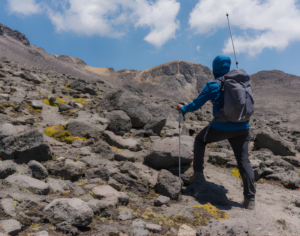
Standing tall above the African plains, Mount Kilimanjaro is more than just a mountain—it is a symbol of endurance, ambition, and human spirit. While thousands of trekkers reach its summit every year, the journey is far from easy. The difficulty-climbing-Kilimanjaro is often misunderstood, especially by first-time climbers who assume it is a simple hike because no technical climbing is required. In reality, the challenge lies in altitude, stamina, mental strength, and preparation.
Why Kilimanjaro Is Considered Difficult (Even Without Technical Climbing)
Unlike mountains that require ropes or mountaineering skills, Kilimanjaro is a trek. However, trekking at extreme altitude is a completely different experience. The difficulty climbing Kilimanjaro comes from ascending nearly 6,000 meters in a short time, pushing the human body beyond its comfort zone.
Oxygen levels drop significantly as you climb higher, making every step feel heavier. Simple tasks—walking, breathing, even sleeping—become demanding. This silent battle with altitude is the main reason many climbers fail to reach the summit.
Altitude: The Biggest Challenge on the Mountain
Altitude sickness is the number one obstacle climbers face. As you move higher, oxygen levels decrease, and your body struggles to adapt. Symptoms may include headaches, nausea, dizziness, and fatigue. In severe cases, altitude sickness can force climbers to turn back for safety reasons.
The difficulty climbing Kilimanjaro increases dramatically above 4,000 meters, where the air becomes thin and nights are cold and restless. This is why acclimatization days are critical for success. For more info visit here!
Physical Fitness: How Fit Do You Really Need to Be?
You don’t need to be an athlete, but you do need endurance. Daily trekking hours range from 5 to 10 hours, often on rocky and uneven terrain. Summit night is especially demanding, requiring a steep climb in freezing temperatures after minimal sleep.
Many people underestimate the difficulty-climbing-Kilimanjaro because they focus only on fitness. In truth, even very fit climbers can struggle if they don’t respect altitude and pacing.
Mental Strength: The Silent Factor Behind Success
The mountain tests your mind as much as your body. Long days, cold nights, and physical exhaustion can drain motivation. Summit night, often described as the hardest part, feels like a slow-motion battle against fatigue, cold winds, and self-doubt.
Mental resilience plays a huge role in overcoming the difficulty climbing Kilimanjaro. Staying positive, focused, and patient can make the difference between turning back and reaching Uhuru Peak.
Routes Matter: Some Are Harder Than Others
Not all Kilimanjaro routes are created equal. Some are designed for better acclimatization, while others are shorter and steeper.
Marangu Route: Considered easier physically but riskier due to poor acclimatization
Machame Route: Scenic but more demanding
Lemosho Route: Longer, gradual, and higher success rate
Umbwe Route: Steep and challenging, recommended for experienced trekkers
Choosing the right route can significantly reduce the difficulty-climbing-Kilimanjaro and increase your chances of success.
Weather Conditions: A Mountain of Many Climates
Kilimanjaro takes you through multiple climate zones—from tropical rainforest to arctic summit conditions. One day you’re sweating in humid forests, and a few days later you’re battling icy winds and snow.
Sudden weather changes add another layer to the difficulty climbing Kilimanjaro, making proper gear and layering essential for safety and comfort.
Summit Night: The Ultimate Test
Summit night begins around midnight, under a sky full of stars and biting cold. This is when exhaustion peaks and oxygen levels are at their lowest. Every step feels slow, heavy, and deliberate.
This final push defines the true difficulty-climbing-Kilimanjaro. It’s not about speed—it’s about persistence. Those who succeed often describe it as one of the hardest yet most rewarding moments of their lives.
Who Can Successfully Climb Kilimanjaro?
With the right preparation, almost anyone can do it. Age is less important than mindset, pacing, and acclimatization. Many climbers in their 40s, 50s, and even 60s reach the summit successfully.
Understanding the difficulty climbing Kilimanjaro ahead of time helps set realistic expectations and prepares you mentally and physically for the journey.
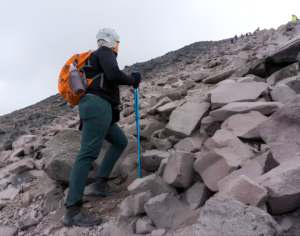
How to Reduce the Difficulty of Climbing Kilimanjaro
While the mountain will always be challenging, smart planning can make it manageable:
Choose longer routes for better acclimatization
Walk slowly (“pole pole”)
Stay hydrated and eat well
Train with hiking and cardio exercises
Climb with an experienced guide
These steps don’t eliminate the difficulty-climbing-Kilimanjaro, but they significantly improve your chances of reaching the summit safely.
Is Kilimanjaro Worth the Challenge?
Absolutely. Standing on the Roof of Africa as the sun rises above the clouds is an unforgettable experience. The struggle, the cold, the exhaustion—all fade away in that moment of triumph.
The difficulty climbing Kilimanjaro is what makes the achievement so powerful. It’s not just a physical journey but a personal transformation that stays with you forever.
Frequently Asked Questions (FAQs)
Q1. How difficult is climbing Mount Kilimanjaro for beginners?
A: The difficulty climbing Kilimanjaro for beginners is moderate to high, mainly due to altitude rather than technical skill. No climbing experience is required, but beginners must be physically prepared, walk slowly, and allow enough time for acclimatization to avoid altitude sickness.
Q2. Is altitude sickness the main reason people fail to climb Kilimanjaro?
A: Yes, altitude sickness is the biggest challenge and the most common reason climbers do not reach the summit. The rapid gain in elevation makes the difficulty climbing Kilimanjaro more intense, especially for those who choose shorter routes without proper acclimatization.
Q3. Which Kilimanjaro route has the lowest difficulty level?
A: Routes like Lemosho and Northern Circuit are considered less difficult because they are longer and allow better acclimatization. Choosing the right route can greatly reduce the overall difficulty climbing Kilimanjaro and improve summit success rates.
Q4. Do you need special training to climb Kilimanjaro?
A: You don’t need technical mountaineering training, but cardiovascular fitness, leg strength, and mental endurance are essential. Proper training helps your body cope with long trekking days and reduces the difficulty climbing Kilimanjaro.
Q5. Is climbing Kilimanjaro harder than other famous mountains?
A: While Kilimanjaro does not require technical climbing, its extreme altitude makes it harder than many popular treks. The difficulty-climbing-Kilimanjaro often surprises climbers because altitude affects everyone differently, regardless of fitness level.
Final Thoughts
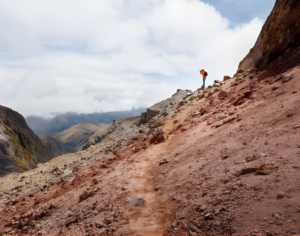
Climbing Mount Kilimanjaro is not easy, but it is achievable. The mountain rewards patience, preparation, and perseverance. By understanding the real challenges and respecting the process, you can turn a demanding climb into one of the greatest adventures of your life.
If you’re willing to face the difficulty climbing Kilimanjaro with determination and humility, the summit will welcome you.