

Gombe Stream National Park Chimp Trek Tour: Safari Trekking Experience in the western Tanzania
Most Tanzania itineraries point you toward the Serengeti and Kilimanjaro. Then you hear about a tiny park on a Lake Tanganyika shoreline where wild chimpanzees walk past you on forest trails. That is Gombe Stream National Park, and it is one of the most intimate wildlife experiences in East Africa.
Enquire a Tailored-made Chimp Trek Experience
Here is the short answer. Gombe is Tanzania’s smallest national park, about 20 square miles, in the far west near Kigoma. It is the place where Jane Goodall began her chimpanzee research in 1960, the longest-running study of wild chimps in the world. You reach it only by boat, and you see the animals on guided forest treks that usually last one to four hours.
In this guide, we cover where the park sits and how to get there, what Goodall’s work revealed, and what a trekking day looks like. You will also find the best time to go, permit and cost basics, and how to fit Gombe into a longer trip. At Golden Trips Tanzania, we plan these western circuits from Arusha, so the advice comes from routes we run ourselves.
Why Gombe Stream National Park matters
The research that changed how we see chimps
Jane Goodall arrived on the Gombe shoreline in July 1960 with binoculars, a notebook, and her mother as company. Within months she watched a chimp she called David Greybeard strip a twig and push it into a termite mound. That sighting showed that chimpanzees make and use tools, and it forced scientists to rethink what separated humans from other animals. The work continues today, which makes it the longest continuous field study of wild chimpanzees anywhere.
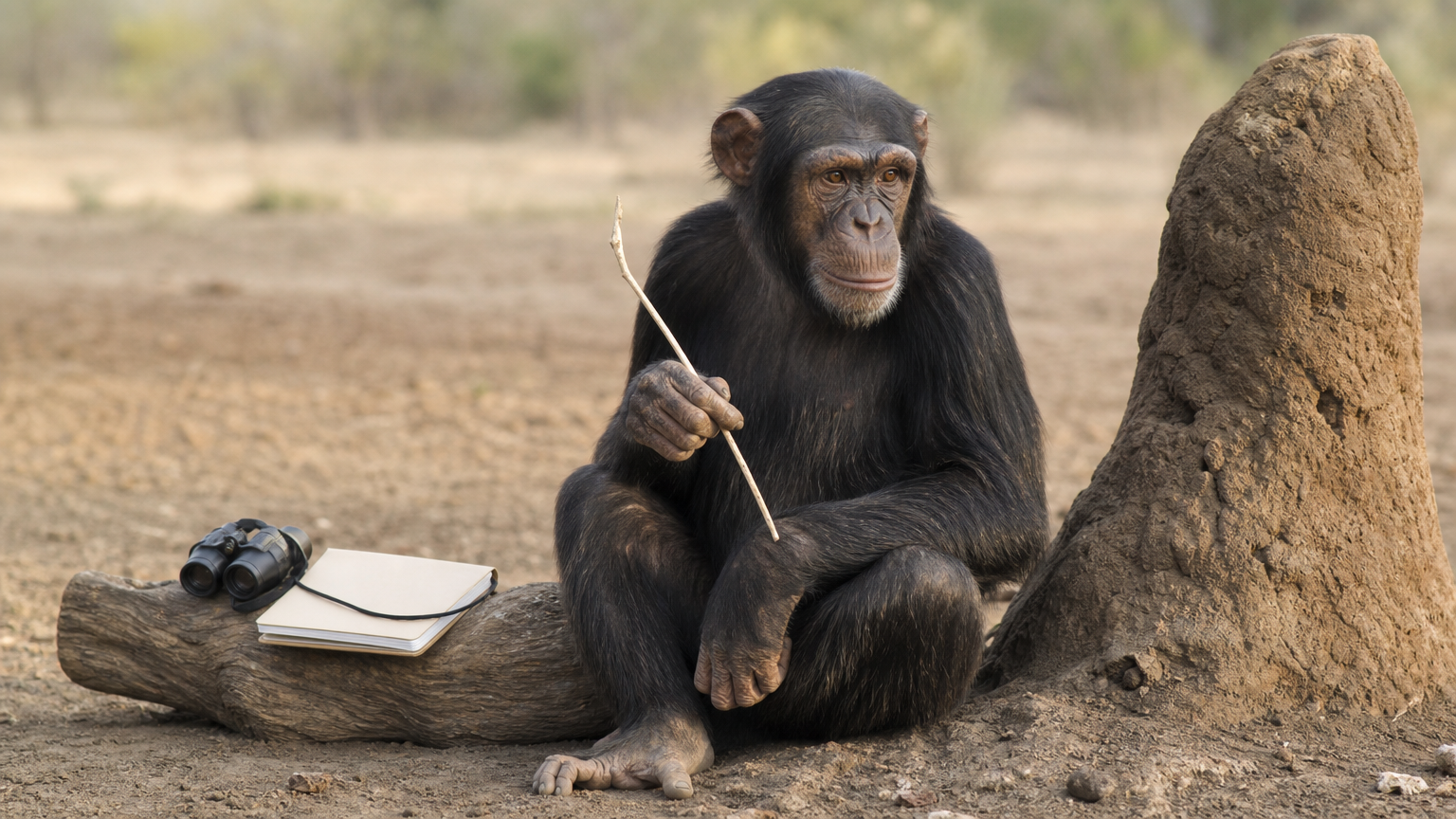
Over six decades, the research team has documented behavior nobody expected:
- Hunting and meat eating, mostly red colobus monkeys
- Mother and offspring bonds that last for years, with orphans often adopted by siblings
- Political rivalry and a violent conflict between the Kasakela and Kahama communities in the 1970s
- Distinct personalities, tracked across several generations of named families
Why the park still matters for conservation
Gombe protects only about 20 square miles, and the hills around it lost most of their forest during the 20th century. Roughly 90 to 100 chimpanzees live here today. A small, isolated population like this is fragile, because disease or habitat loss can hit it hard. The Jane Goodall Institute works with nearby villages on tree planting and farming methods that reconnect forest corridors outside the boundary.
That is why the rules matter when you are visiting Gombe Stream National Park. Chimps catch human respiratory illnesses easily, so guides keep you about 33 feet (10 meters) away and ask anyone who is sick to stay behind. Rangers enforce the distance rule on every trek, and good guides explain the reason rather than just repeating it.
Gombe’s chimps are famous because people watched them patiently, and they stay safe only if visitors keep their distance.
You also get more than primates. Olive baboons, red-tailed and blue monkeys, bushbucks, and forest birds share the same slopes, and the lake sits behind it all.
How to visit Gombe and trek to see the chimpanzees
How a trek works
Every Gombe stream chimpanzee trekking outing starts at the visitor center with a ranger briefing. You then walk in a small group, usually up to six people, behind a ranger and a tracker who know where the chimps nested last night. Treks last one to four hours, and once you find the animals you get one hour with them.
The trails are steep, muddy, and humid. Chimps decide where the walk goes, so some mornings they sit near the beach and other mornings you climb a ridge.
You do not pick the route at Gombe, the chimps do, so budget a full morning and bring patience.
What you need before you go
Most travelers book a Gombe national park tour through an operator, because permits, boat transfers, and lodging all have to line up. Here is what rangers expect from you:
- A park entry fee and a separate chimp trekking permit, both set by the national park authority and subject to change
- A minimum age of 12
- Good health, with no cold, cough, or flu on the day
- Enough fitness for an hour or two of steep, uneven walking
Permits are limited each day, so reserve early if you travel in the dry season.
Getting to Gombe from Kigoma by boat
Reaching Kigoma first
No road reaches the park, so every trip starts in Kigoma, the lakeside town about 10 miles to the south. Most travelers take a flight to Kigoma from Dar es Salaam or Arusha, which beats the multi-day train or bus. Arrive the afternoon before your trek so a late flight does not cost you a permit day.
Choosing your boat
Boats leave from Kigoma’s harbor or from lodges along the shore. Your choice comes down to time and budget:
| Boat | Travel time | Best for |
|---|---|---|
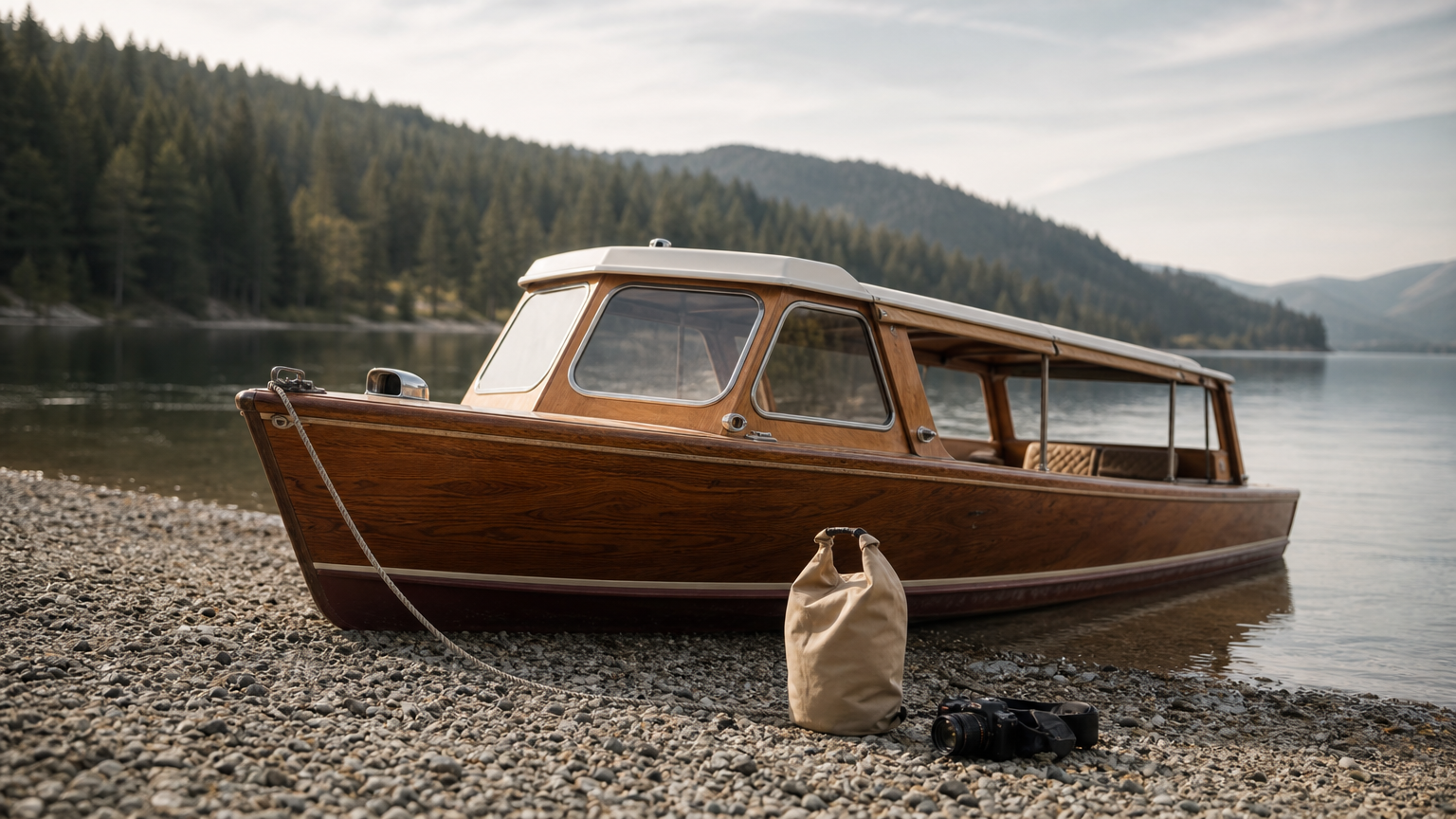
| Speedboat | About 45 to 60 minutes | Early starts and short stays |
| Traditional water taxi | Roughly 2 to 3 hours | Budget travelers and slow lake views |
Lake Tanganyika gets choppy in the afternoon, so morning crossings are calmer and let you reach the trails while the chimps are active. Pack your camera in a dry bag either way.
Once the boat touches the pebble beach, rangers meet you at the visitor center for the briefing. Because the boat, the permit, and your lodging must all match one date, book the transfer together with your permit when visiting Gombe Stream National Park.
The boat is not an extra at Gombe, it is the only way in, so book it as carefully as your permit.
Best time to visit and where to stay
When to go
The dry season from May to October is the best window for visiting Gombe Stream National Park. Trails are firmer, the lake is calmer, and you spend less of the hike slipping on mud. A shorter dry spell in January and February works too.
Rain should not cancel your plans. The long rains from March to May make slopes slick and the forest steamy, but crowds thin out and the hills turn bright green. Chimps keep their routines all year.
The dry months make the trek easier, but the chimps are there in every season.
Where to sleep
Lodging falls into three types, and your choice shapes how much time you get on the trails.
| Option | Setting | Best for |
|---|---|---|
| Park rest house or campsite | Inside Gombe, by the lake | Dawn starts and basic budgets |
| Tented lodge near the boundary | Quiet shoreline | Comfort with forest sounds |
| Kigoma hotel | In town, a boat ride away | Day trips and flexible plans |
Staying overnight is the better choice. Sleeping near the park gives you a second trek and an evening on the beach, and it removes the rush of a same-day return. Day trippers from Kigoma must leave in the afternoon, so one night minimum is what we recommend to most guests.
Sample Gombe itinerary and what to pack
A two-night itinerary
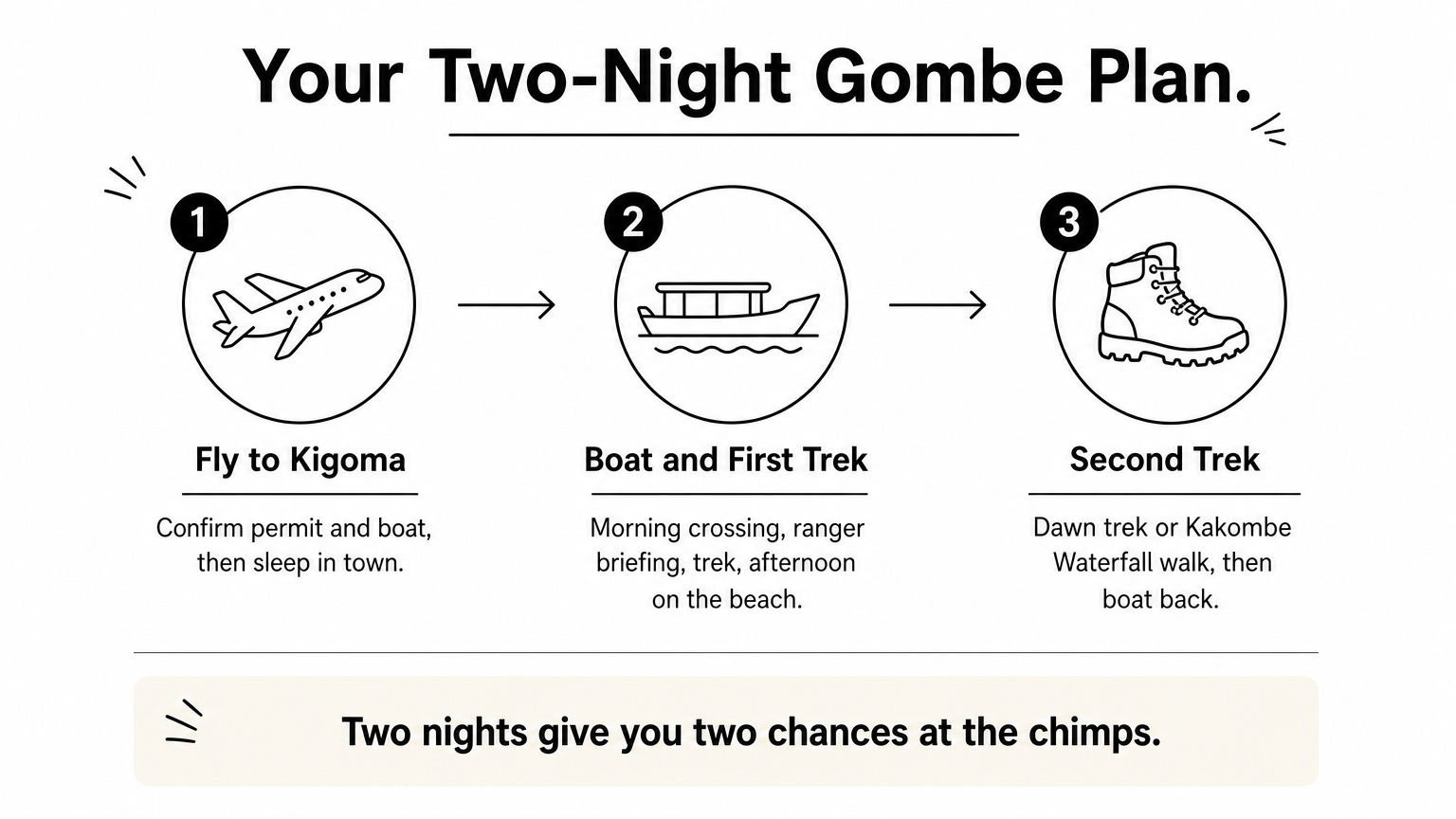
A two-night plan is the sweet spot for Gombe Stream National Park, because it gives you two chances at the chimps without rushing. Here is the schedule we use as a template:
| Day | Plan |
|---|---|
| Day 1 | Fly to Kigoma, confirm your permit and boat, sleep in town |
| Day 2 | Morning boat to Gombe, ranger briefing, first trek, afternoon on the beach |
| Day 3 | Second dawn trek or a walk to Kakombe Waterfall, boat back, afternoon flight |
Two nights at Gombe turn a single lucky sighting into a real chance to watch the chimps.
Enquire a Tailored-made Chimp Trek Experience
What to pack
Pack light, because small boats and steep trails punish heavy bags, and a Tanzania packing checklist helps you decide what stays home. Layers and grip matter most, and you should keep your electronics in a dry bag for the lake crossing.
- Hiking shoes with good tread
- Long pants and a long-sleeved shirt in neutral colors
- Light rain jacket or poncho
- Insect repellent and sunscreen
- Reusable water bottle, at least one liter
- Face mask, since rangers may ask for one near the chimps
- Binoculars and a camera with no flash
Planning your Gombe trip
Gombe Stream National Park is small, remote, and unlike any other stop in Tanzania. You get an hour with wild chimpanzees in the forest where Jane Goodall changed science, and you earn it with a boat ride and a steep walk. The formula is simple. Go in the dry season, stay at least one night, and book your permit and boat together so every date lines up.
Ready to turn this into a real plan? Many travelers pair Gombe with the Serengeti or finish on a Zanzibar beach in a safari and beach trip, and the logistics run smoother when one local team handles them. Share your dates and budget, and request a free tailor-made Tanzania quote from Golden Trips Tanzania. We will take care of permits, transfers, and lodging, so all you need to focus on is the chimps.