

Mount Kilimanjaro is more than just Africa’s highest peak—it is a dream journey for trekkers from around the world. Choosing the right Kilimanjaro trekking routes plays a crucial role in how successful, comfortable, and memorable your climb will be. Each route offers a unique experience, from lush rainforest paths and dramatic alpine landscapes to wide scenic ridges and remote wilderness trails. Whether you are a first-time climber or an experienced trekker, understanding the differences between these routes can greatly improve your chances of reaching the summit.
Some routes are known for higher success rates and better acclimatization, while others appeal to adventurers seeking solitude and raw mountain beauty. Factors such as route length, difficulty level, crowd density, and scenery all influence the overall trekking experience. From popular paths like Machame and Marangu to quieter options such as Lemosho and Rongai, Kilimanjaro Trekking Routes offers something for every type of traveler.
In this guide, we explore the main Kilimanjaro trekking routes in detail, helping you choose the best path based on your fitness, schedule, and expectations—so you can climb with confidence and enjoy every step toward the Roof of Africa.
Machame Route – The Most Popular Choice
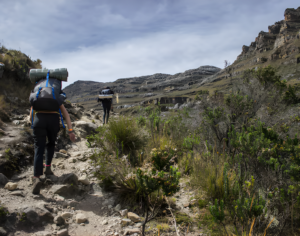
The Machame Route, often called the “Whiskey Route,” is one of the most popular Kilimanjaro trekking routes. It is known for its breathtaking scenery, varied landscapes, and relatively high summit success rate.
This route approaches the mountain from the southwest and passes through lush rainforest, heathland, alpine desert, and glaciers. Machame typically takes 6 to 7 days, allowing better acclimatization compared to shorter routes. Although it is physically demanding, the gradual ascent profile helps trekkers adjust to altitude more effectively.
Best for: Adventurous trekkers who want stunning scenery and good acclimatization
Difficulty: Moderate to challenging
Success rate: High with 7-day itinerary
Marangu Route – The Classic Trail
The Marangu Route, also known as the “Coca-Cola Route,” is the oldest and most established path on Kilimanjaro. It is the only route that offers hut accommodation instead of camping, making it appealing to trekkers who prefer basic shelter.
Marangu follows a direct ascent and descent path, which makes it less scenic than other routes. Its shorter duration—usually 5 to 6 days—means less time for acclimatization, which can reduce summit success rates. However, its gradual slopes make it physically easier for beginners. For more info visit here!
Best for: Beginners and those who prefer hut accommodations
Difficulty: Moderate
Success rate: Lower on shorter itineraries
Lemosho Route – The Scenic Favorite
The Lemosho Route is widely regarded as one of the most beautiful Kilimanjaro trekking routes. Starting from the western side of the mountain, it offers remote trails, panoramic views, and low traffic during the first few days.
Lemosho typically takes 7 to 8 days, making it excellent for acclimatization. It later joins the Machame Route, combining solitude with proven summit success. The long approach allows trekkers to adjust gradually while enjoying some of Kilimanjaro’s most dramatic landscapes.
Best for: Trekkers seeking scenery, solitude, and high success rates
Difficulty: Moderate
Success rate: Very high on 7–8 day climbs
Rongai Route – The Quiet Northern Approach
The Rongai Route approaches Kilimanjaro from the north near the Kenyan border. It is one of the least crowded routes and offers a drier climate, making it ideal during the rainy seasons.
Rongai provides a gentler ascent compared to Machame but offers less dramatic scenery. The route takes about 6 to 7 days and descends via the Marangu Route, allowing trekkers to experience different sides of the mountain.
Best for: Those seeking fewer crowds and a quieter trek
Difficulty: Moderate
Success rate: Good with proper acclimatization
Northern Circuit – The Ultimate Kilimanjaro Experience
The Northern Circuit Route is the longest of all Kilimanjaro trekking routes and offers the highest success rate. It starts on the Lemosho trail and circles the mountain’s northern slopes before summiting from the east.
With 8 to 9 days on the mountain, this route provides exceptional acclimatization and unmatched views, including rarely seen northern glaciers. The extended duration and low traffic make it ideal for trekkers who want the most comprehensive Kilimanjaro experience.
Best for: Those prioritizing summit success and a premium experience
Difficulty: Moderate
Success rate: Highest of all routes
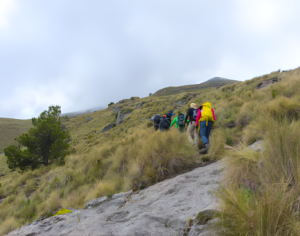
Shira Route – High Start, Big Views
The Shira Route begins at a higher elevation, as vehicles can access the Shira Plateau. While this reduces trekking time in the rainforest, it also means less time to acclimatize early on.
Shira is similar to Lemosho but is generally less recommended due to the high starting point. However, it still offers expansive views and wide trails, eventually joining the Machame Route.
Best for: Experienced trekkers comfortable with altitude
Difficulty: Moderate
Success rate: Moderate
Umbwe Route – The Toughest Challenge
The Umbwe Route is the shortest, steepest, and most physically demanding route on Kilimanjaro. It ascends rapidly with limited acclimatization time, making it suitable only for highly experienced trekkers.
While Umbwe offers dramatic ridges and a sense of true wilderness, its low success rate and high difficulty mean it is rarely recommended for most climbers.
Best for: Very experienced and fit trekkers
Difficulty: Very challenging
Success rate: Low
How to Choose the Right Kilimanjaro Trekking Route
Choosing the best route depends on several factors:
Time available: Longer routes improve acclimatization and success
Fitness level: Some routes are steeper and more demanding
Crowd preference: Popular routes are busier, remote routes are quieter
Budget: Longer routes typically cost more
Scenery: Western and southern routes offer richer landscapes
For most trekkers, routes like Machame, Lemosho, and the Northern Circuit provide the best balance of scenery, safety, and summit success.
Final Thoughts
Understanding the different Kilimanjaro trekking routes is key to planning a successful and enjoyable climb. Each route has its own character, challenges, and rewards. Whether you prefer scenic beauty, quiet trails, or a classic climbing experience, Kilimanjaro Trekking Routes offers a route that matches your goals.
With proper preparation, the right route choice, and a steady pace, reaching Uhuru Peak becomes more than just a physical achievement—it becomes a life-changing journey to the Roof of Africa.