

Planning a safari is more than just choosing a destination — it’s about timing it right. When it comes to Africa, knowing the best time for Tanzania safari can be the difference between a good trip and an unforgettable one. Tanzania is a land where nature moves to its own rhythm, guided by seasons, rainfall, and the great migrations of wildlife. From the endless plains of the Serengeti to the wildlife-rich Ngorongoro Crater, every month offers a slightly different story.
Many travelers assume there’s only one perfect season for safari, but the truth is more exciting. Tanzania delivers incredible wildlife experiences year-round — whether you dream of witnessing the Great Migration, spotting the Big Five, or enjoying quieter parks with fewer crowds. The key is matching your travel goals with the right season.
In this guide, we’ll break down the best time for Tanzania safari in a simple, easy-to-understand way. You’ll discover how weather, wildlife movement, and travel conditions change throughout the year, helping you plan a safari that feels personal, rewarding, and truly magical. No guesswork — just smart timing for the safari of a lifetime.
Understanding Tanzania’s Safari Seasons
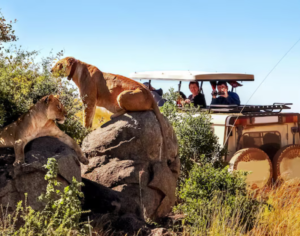
Tanzania’s climate is guided by two main factors: rainfall and wildlife movement. The year is generally divided into dry and wet seasons, but each has unique advantages for safari lovers.
Dry Season (June to October): The Classic Safari Dream
The dry season is widely regarded as the best time for Tanzania safari for travelers seeking classic wildlife viewing. With little rain, animals gather around rivers and waterholes, making sightings frequent and dramatic.
Clear skies and golden landscapes
Excellent visibility for game drives
Peak season for the Great Migration river crossings
Ideal for Serengeti, Ngorongoro, Tarangire, and Ruaha
This is when Tanzania feels cinematic—dust rising under the hooves of wildebeest, lions lounging in open grasslands, and sunsets that seem painted by hand.
Best for: First-time safari travelers, photographers, Big Five seekers
Green Season (November to March): Lush, Wild, and Underrated
Often overlooked, the green season is one of Tanzania’s most beautiful periods. Short rains transform the plains into emerald landscapes, attracting migratory birds and newborn animals.
For travelers who value atmosphere over crowds, this can still be the best time-for-Tanzania-safari, especially for photography and birdwatching. For more info visit here!
Fewer tourists and lower safari costs
Baby animals and predator action
Dramatic skies and fresh scenery
Great Migration calving season (Jan–Feb)
This season feels intimate and alive—perfect for travelers who want a deeper, quieter connection with nature.
Best for: Bird lovers, photographers, honeymooners, budget travelers
Long Rains (April to May): A Time for True Explorers
April and May bring heavier rains, and while some lodges close, this period offers a raw and untamed side of Tanzania. The landscapes are breathtaking, and wildlife remains present, though harder to spot.
For adventurous souls, this can still be the best time for Tanzania safari if solitude, green scenery, and special rates matter more than classic game density.
Lowest prices of the year
Very few tourists
Lush scenery and dramatic clouds
Limited access in some parks
Best for: Experienced travelers, explorers, off-season seekers
Best Time for Tanzania Safari by Wildlife Experience
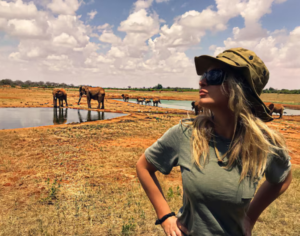
The Great Migration: Nature’s Greatest Show
If witnessing the Great Migration is your dream, timing becomes everything.
January–February: Calving season in southern Serengeti
June–July: Migration moves north
August–September: River crossings in northern Serengeti
October: Herds begin moving south again
For migration lovers, the best time-for-Tanzania-safari depends entirely on which chapter of this epic journey you want to witness.
Big Five Safari: Lions, Leopards, Elephants & More
The dry months from June to October offer the highest chances of seeing the Big Five. Sparse vegetation makes animals easier to spot, and predators are highly active.
This is often considered the best time for Tanzania safari for travelers chasing iconic wildlife moments.
Birdwatching Paradise
From November to April, migratory birds arrive, turning Tanzania into a vibrant avian wonderland. Flamingos, raptors, and rare species fill the skies and wetlands.
Best Time for Tanzania Safari by Destination
Serengeti National Park
Best overall: June–October
Migration calving: January–February
Ngorongoro Crater
Year-round wildlife
Best visibility: June–September
Tarangire National Park
Elephant season: June–October
Ruaha & Selous
Peak wildlife: July–October
Each park shines at different times, reinforcing that the best-time-for-Tanzania-safari depends on where your journey takes you.
Safari Crowds, Costs, and Comfort
Timing affects more than wildlife—it shapes your entire travel experience.
High Season (June–October): Higher prices, more crowds
Mid Season (Nov–March): Balanced costs, fewer tourists
Low Season (April–May): Best deals, minimal crowds
If comfort and exclusivity matter, shoulder months like November and March often deliver the perfect balance.
So, When Is the Best Time for Tanzania Safari?
The truth is beautifully simple:
The best time for Tanzania safari is when it matches your vision.
Want epic wildlife and iconic scenes? → June–October
Dream of baby animals and green landscapes? → January–March
Prefer quiet parks and better value? → November or April
Tanzania doesn’t offer one perfect season—it offers many perfect moments. Your safari becomes unforgettable when your expectations align with nature’s rhythm.
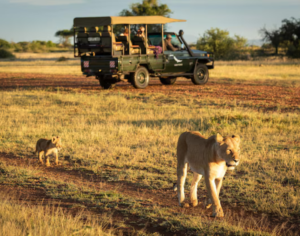
FAQs: Best Time for Tanzania Safari
Q1. What is the absolute best month for a Tanzania safari?
A: July and August are often considered the best due to dry weather and peak wildlife activity, especially in the Serengeti.
Q2. Is Tanzania good for safari all year round?
A: Yes. Tanzania offers year-round safari experiences, with each season providing different highlights.
Q3. When is the Great Migration river crossing?
A: River crossings usually happen between August and September in northern Serengeti.
Q4. Is the rainy season bad for safari?
A: Not at all. The green season offers lush scenery, fewer crowds, and excellent photography opportunities.
Q5. When is the best time for a budget safari in Tanzania?
A: April, May, and November often have lower prices while still offering rewarding wildlife experiences.