 Skip to content


 21 Sep 2026
 10 min read
Mount Kilimanjaro is Africa’s highest mountain and one of the world’s most accessible high-altitude trekking destinations. For first-time climbers, however, the main challenge is not technical climbing: it is choosing a suitable route, allowing enough time to acclimatize, and understanding how guided trekking works.
This guide explains where Mt Kilimanjaro is, how high it rises, what conditions to expect, how the main routes differ, and what to consider before booking a climb in Tanzania.
Mt Kilimanjaro: what it means in practice
Mt Kilimanjaro is a volcanic mountain in northeastern Tanzania, close to the border with Kenya. It rises to 5,895 metres, or 19,341 feet, above sea level. The mountain has three volcanic cones: Kibo, Mawenzi and Shira. Uhuru Peak, on Kibo, is the highest point and the usual summit objective.
When people search for Kilimanjaro Africa, Mt Kilimanjaro Africa or Mt Kilimanjaro in Africa, they are usually looking for three connected answers:
- Where is the mountain?
- What is it like to climb?
- How should a first-time traveler plan the trek?
Kilimanjaro is different from a technical mountaineering expedition. Most standard routes do not require ropes, climbing equipment or previous mountaineering experience. The trek is generally a long, demanding walk at high altitude. Fitness helps, but acclimatization, pacing, hydration, sleep and guide support are equally important.
The mountain passes through several ecological zones as you climb:
- Cultivated foothills and woodland
- Montane forest
- Moorland and heath
- Alpine desert
- Arctic summit zone
This changing environment is one reason Mt Kilimanjaro attracts travelers from around the world. A single trek can move from warm, green lower slopes to cold, rocky terrain near the summit.
The mountain lies within Kilimanjaro National Park. Before choosing a route or airport transfer, it is useful to understand the surrounding area and access points. Our guide to where Kilimanjaro is provides additional location and orientation information.
Mt Kilimanjaro: the key factors
A successful Kilimanjaro plan depends on more than the mountain’s height. The route, number of trekking days, season, group arrangements, equipment and safety procedures all affect the experience.
The core problem to understand
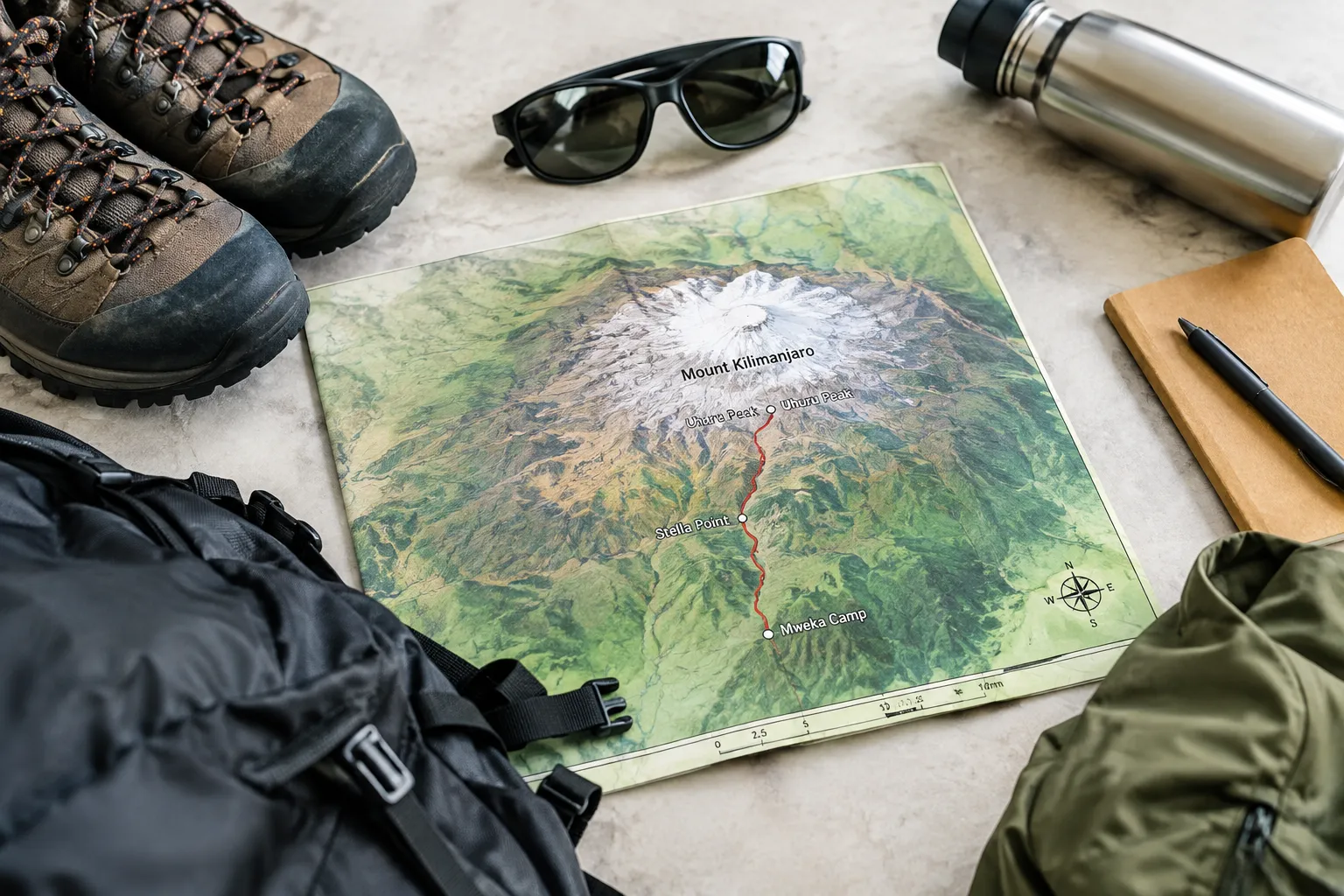
The central issue for first-time climbers is altitude. Mt Kilimanjaro begins at a relatively accessible elevation, but the summit is high enough for anyone to develop altitude-related symptoms, regardless of general fitness.
Altitude illness can include headache, nausea, dizziness, tiredness and loss of appetite. More serious symptoms require immediate attention and may mean descending. A person who is very fit can still acclimatize poorly, while a moderately fit traveler may manage the climb well with a gradual itinerary and careful pacing.
This is why a short itinerary is not automatically the best value. Fewer days may reduce the time and some costs involved, but a faster ascent gives the body less opportunity to adjust. Longer routes generally create a more gradual progression, although no itinerary can remove altitude risk completely.
A responsible guided climb should include:
- A clear itinerary with the exact number of mountain days
- Daily information about distance, elevation and expected conditions
- A guide who monitors the group rather than focusing only on speed
- A plan for responding to illness or changing weather
- Honest information about what is included and excluded
- Porters who are treated and equipped ethically
- A clear procedure for turning around when necessary
The phrase “pole pole,” meaning “slowly” in Swahili, is often used on Kilimanjaro because a controlled pace helps conserve energy and supports acclimatization. The goal is not to race uphill. It is to arrive at higher camps with enough energy for the next stage.
The practical decision criteria
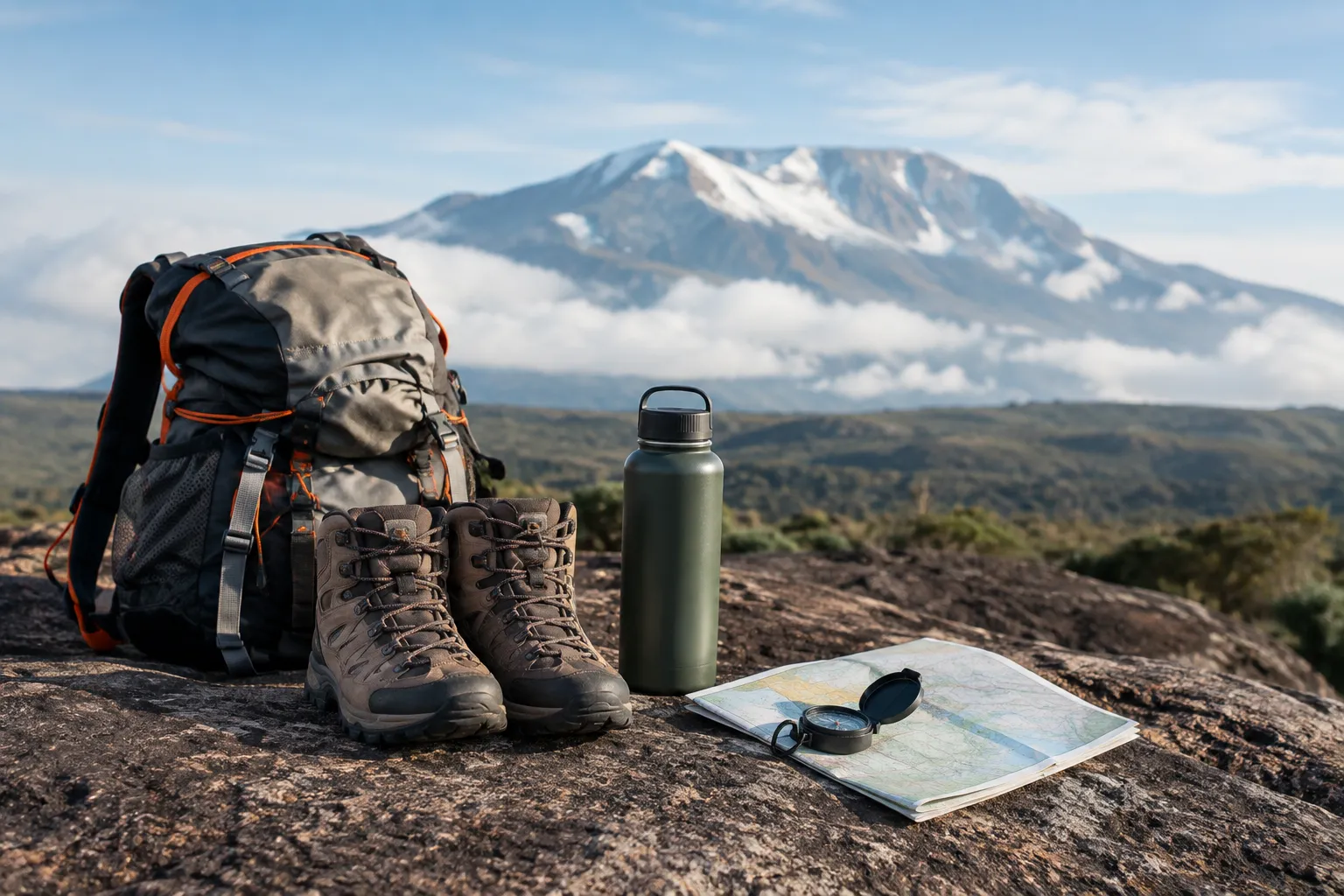
The most important decisions are route, duration, season and operator standards.
Route
The main routes differ in scenery, accommodation style, traffic patterns and schedule. The Marangu Route uses mountain huts, while most other commonly used routes use tents. Machame is known for varied scenery and a camping format. Lemosho approaches from the west and is often considered for travelers who want a longer route and a gradual approach. Rongai approaches from the northern side of the mountain.
There is no universally correct route. The right choice depends on:
- Whether you prefer huts or tents
- How many days you can allow for the climb
- Your comfort with camping
- Your preferred scenery and approach
- Whether you want a quieter or more established trail experience
- How much time you want for acclimatization
Route names alone do not tell you whether an itinerary is well designed. Ask for the daily schedule, including where you sleep each night, the elevation of each camp and the planned summit timing.
Duration
First-time travelers should examine the number of days carefully. An itinerary that sounds similar to another may have a different acclimatization profile, included transfer arrangements or summit-day structure.
A practical comparison should include:
- Number of days on the mountain
- Number of nights at altitude
- Starting and finishing points
- Whether an acclimatization day is included
- Summit-night timing
- Whether meals, park fees, transfers and accommodation before or after the trek are included
Longer does not guarantee success, but a rushed plan can make the climb more demanding. Travelers combining Kilimanjaro with a safari or Zanzibar holiday should also allow recovery time rather than scheduling a flight or long transfer immediately after the summit.
Season
Kilimanjaro can be climbed during different times of the year, but conditions vary. Rain can affect lower forest trails and camping, while wind, cold and visibility matter higher up. The best travel period depends on your tolerance for changing weather, the route selected and the availability of dates.
The mountain’s climate is not the same as the climate in a nearby safari park or on Zanzibar. A warm beach holiday does not prepare you for summit conditions, and a cool mountain morning does not mean the entire trip will be cold.
Pack for layers rather than one heavy outfit. You may need breathable clothing at lower elevations, warm insulating layers higher up and reliable protection against wind and rain. A detailed equipment list should come from the operator because requirements vary by route, season and personal preference.
Operator standards
A first-time climber should assess how clearly the operator communicates before booking. Important questions include:
- Is the route and duration confirmed in writing?
- Does the itinerary show each overnight location?
- Are park fees and rescue-related arrangements explained?
- How are guides and porters selected and supported?
- What happens if you become ill or need to descend?
- Is there a clear packing list?
- Are transfers and pre- or post-climb accommodation included?
- Are costs itemized rather than presented as one unexplained total?
An unusually low price may reflect omitted park fees, limited staffing, fewer included services or a shorter itinerary than expected. Price alone cannot establish safety or quality, but an unclear quotation deserves careful questions before payment.
For help turning these choices into a trip plan, travelers can request a travel proposal with their preferred dates, route interests, group size and wider Tanzania plans.
Ethical porter treatment
Porters carry equipment, food and camping supplies, so their treatment is an important part of responsible trekking. Before booking, ask whether porters receive appropriate clothing, suitable sleeping arrangements, fair payment and manageable loads.
You can also ask whether the company follows a recognized porter-welfare standard or works with an organization that monitors porter treatment. A responsible operator should be willing to explain its practices clearly rather than treating ethics as an afterthought.
Common mistakes to avoid
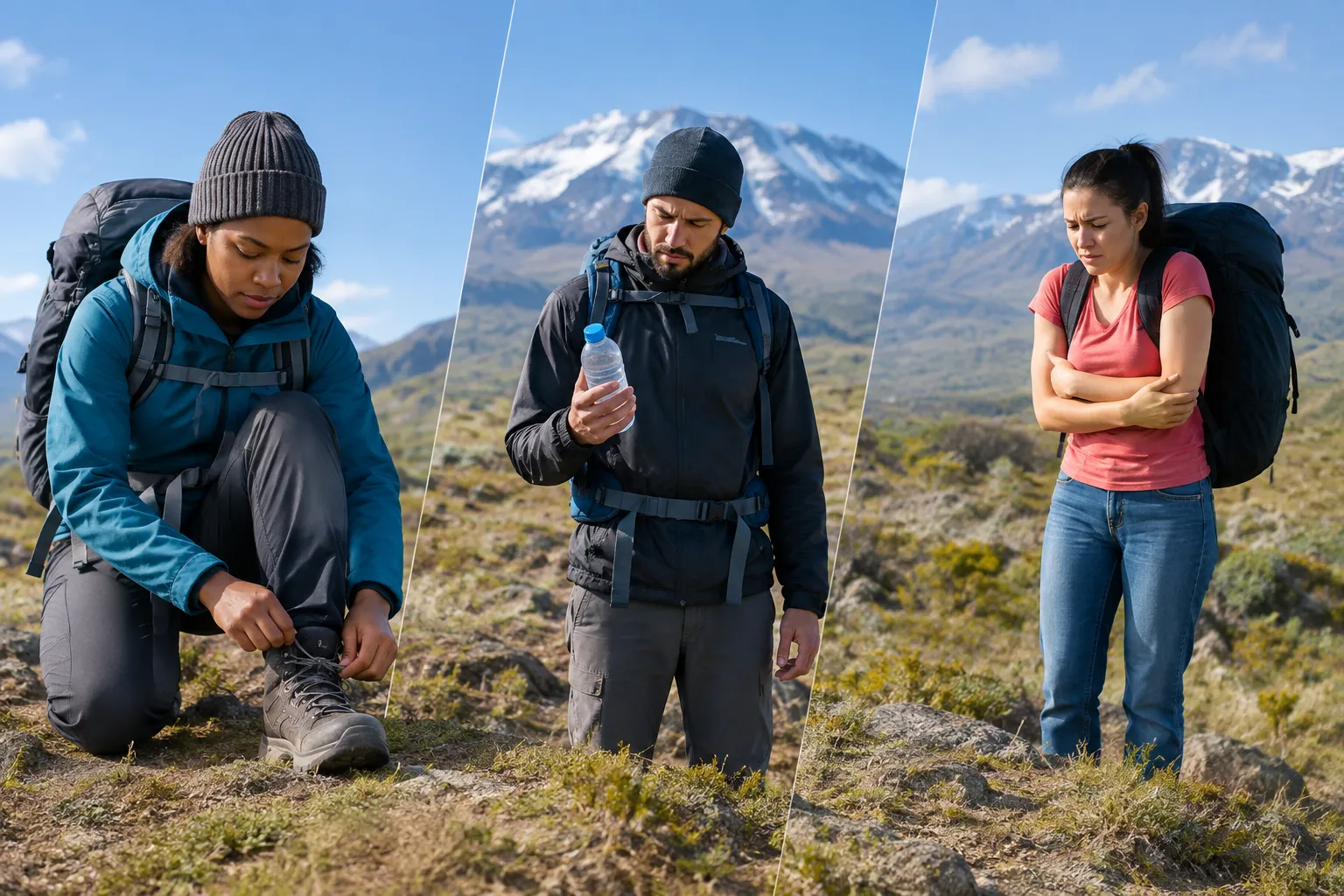
Choosing the shortest itinerary automatically
A shorter trek may appear convenient, especially when combining the mountain with a safari or Zanzibar. However, reducing days can create a faster ascent and less flexibility if someone needs a slower pace.
Compare the full schedule, not only the headline number of days.
Confusing fitness with acclimatization
Training for hills, stairs or long walks is useful, but fitness does not prevent altitude sickness. Preparation should include physical conditioning and realistic expectations about walking slowly at elevation.
Booking without checking the exact route
Some itineraries use similar wording while offering different approaches, camping arrangements or daily stages. Confirm the route name, duration, camps and summit plan before booking.
Treating the summit day as an ordinary hike
Summit day is usually longer and colder than the preceding trekking days. It may begin during the night, depending on the route and itinerary. Climbers should understand the timing, expected conditions and descent plan before starting.
Packing only for warm weather
Tanzania is often associated with heat, but the upper mountain can be cold and exposed. A practical packing list should cover rain, wind, cold nights, sun and changing temperatures.
Ignoring recovery and connections
A Kilimanjaro climb is physically demanding. Allow time to rest before a safari, long road transfer or flight. If you are also planning a coastal stay, build the itinerary around sensible travel days rather than trying to fit every activity into the shortest possible schedule.
Accepting an unclear quotation
Ask what is included, what is excluded and whether the price changes for a private group, single traveler or additional accommodation. Park fees, transfers, meals, crew arrangements and hotel nights can affect the total.
Mt Kilimanjaro in practice: how to apply it
A practical planning process can make the mountain easier to understand.
Start with the wider trip. Decide whether Kilimanjaro is the main purpose of your visit or one part of a longer Tanzania holiday. A climb can be combined with a wildlife safari, and Zanzibar can provide a different pace afterward, but each addition creates travel time and planning decisions.
If you are unfamiliar with Tanzania’s geography, our guide Where Is Tanzania? Discover Africa’s Hidden can help place the mountain within the country and wider East Africa.
Next, establish your available time. Include arrival, transfers, the climb itself, recovery and departure. Do not count only the days spent walking. A realistic plan may also include a pre-climb briefing, an overnight near the mountain and time to respond to delays.
Then compare routes using the same criteria:
| Planning factor | Questions to ask |
|---|---|
| Duration | How many days are spent on the mountain, and does the pace allow acclimatization? |
| Accommodation | Are nights spent in huts, tents or a combination? |
| Scenery | Does the approach pass through forest, moorland, alpine desert and other zones? |
| Summit schedule | When does the summit attempt begin, and how is the descent organized? |
| Group arrangement | Is the climb private or shared, and how is the pace managed? |
| Support | What guides, porters, meals, equipment and emergency procedures are included? |
Prepare physically with regular walking and gradual increases in duration. Include hills or stairs if available, but remember that the objective is sustained effort rather than speed. Practice walking with the footwear and clothing you intend to use.
Before departure, confirm:
- Passport and visa requirements
- Travel insurance that covers trekking at the planned altitude
- Medical advice relevant to high-altitude travel
- Emergency contact procedures
- Airport and hotel transfers
- Payment schedule and cancellation terms
- The final route and day-by-day itinerary
- What luggage stays with the support team and what you carry yourself
During the trek, communicate early. Tell the guide about headaches, nausea, unusual breathlessness, dizziness or extreme fatigue. Do not hide symptoms to avoid disappointing your group. A summit attempt is optional; descending when necessary is the correct safety decision.
A guided climb should also leave room for changing conditions. Weather, trail conditions, health and group pace can affect the plan. The most useful itinerary is clear without pretending that every mountain day can be controlled precisely.
Mt Kilimanjaro FAQ
How difficult is Kilimanjaro to climb?
Mt Kilimanjaro is physically demanding because of long walking days, cold summit conditions and altitude, but standard routes generally do not require technical climbing skills.
How many climbers died in Kilimanjaro?
There is no single universally reliable figure because reporting methods and time periods differ. Altitude emergencies are serious, so climbers should use qualified guides and follow descent advice.
Why is Mount Kilimanjaro so famous?
Kilimanjaro is famous for being Africa’s highest mountain, its distinctive volcanic form, its changing ecological zones and the possibility of reaching a high summit without technical mountaineering.
Can a beginner hike Mount Kilimanjaro?
A beginner can hike Kilimanjaro with suitable preparation, a realistic itinerary, professional guiding and enough time for acclimatization. Previous high-altitude experience is helpful but not always required.
Where do you sleep when you climb Kilimanjaro?
Accommodation depends on the route: some routes use mountain huts, while others use tents at designated camps. Your itinerary should list each overnight location.
How much money does it cost to climb Mount Kilimanjaro?
The cost varies with route, duration, group size, season, park fees, accommodation, transfers and included services. Request an itemized quotation rather than comparing headline prices alone.
Mt Kilimanjaro basics: what should you know first?
Mt Kilimanjaro is in Tanzania, reaches 5,895 metres and is climbed through several climate zones. The main planning priorities are route, duration, acclimatization, equipment and guide support.
Mt Kilimanjaro options: how do you choose the right one?
Choose by comparing available time, preferred accommodation, camping comfort, route scenery, acclimatization pace and the operator’s safety and porter-welfare practices.
Recommended next steps
Begin by deciding how much time you can dedicate to Mt Kilimanjaro, whether you prefer huts or camping, and how the climb fits with a Tanzania safari or Zanzibar holiday.
Then request a day-by-day itinerary that states the route, camps, duration, inclusions, safety procedures and porter arrangements. Comparing these details is more useful than choosing based on price or a route name alone.
For first-time travelers, the strongest plan is usually the one that leaves enough time for acclimatization, allows sensible recovery and explains the practical details before departure. That approach makes Kilimanjaro Africa easier to plan and helps you judge whether a proposed climb fits your health, schedule and travel priorities.
Maya Ellison is a travel editor specializing in Tanzania safaris, Kilimanjaro itineraries, and Zanzibar escapes. She works with destination specialists and local guides to make complex travel details clear, practical, and easy to plan. Her writing offers first-time safari travelers honest guidance on pacing, logistics, safety, and the thoughtful touches that help create a seamless Tanzania adventure. Maya also brings particular insight to couples planning memorable East African honeymoons.
