

Planning a safari is more than just booking a trip—it’s about choosing the right moment when nature is at its absolute best. Knowing the best time for safari in Tanzania can completely transform your experience, turning an ordinary wildlife tour into an unforgettable adventure. From vast golden savannahs to lush green landscapes, Tanzania changes beautifully with the seasons, and each period offers something unique for travelers.
Whether you dream of witnessing the Great Migration thundering across the Serengeti, spotting the Big Five up close, or enjoying clear skies and comfortable temperatures, timing plays a crucial role. Some months promise incredible game viewing as animals gather around water sources, while others offer fewer crowds, greener scenery, and excellent photography opportunities. Even the quieter seasons can reward visitors with intimate wildlife encounters and better value for money.
This guide is designed to help you understand when and why to visit, so you can plan your safari with confidence. No matter if you’re a first-time traveler or returning to explore more of Tanzania’s wild beauty, choosing the right season ensures your safari feels magical, seamless, and truly worth the journey.
Understanding Tanzania’s Safari Seasons
Tanzania experiences two main seasons: dry and wet, each shaping the landscape and wildlife behavior in unique ways. Unlike many destinations, there’s no single “bad” time to visit—only different experiences waiting to unfold.
The dry season brings classic safari scenes: dusty trails, golden grasslands, and animals gathering near rivers and waterholes. The wet season transforms the land into a lush green paradise filled with newborn wildlife, dramatic skies, and fewer tourists. For more info visit here!
Understanding these rhythms is essential when deciding the Best Time for Safari in Tanzania, especially if you have specific wildlife goals in mind.
Dry Season (June to October): Peak Safari Perfection
For many travelers, the dry season is considered the Best Time for Safari in Tanzania, and for good reason. From June to October, rainfall is minimal, temperatures are pleasant, and wildlife viewing is exceptional.
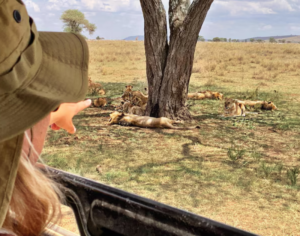
As water sources dry up, animals naturally congregate around rivers and lakes, making sightings more frequent and predictable. This is prime time for spotting lions lounging in the shade, elephants moving in majestic herds, and leopards draped over tree branches.
Why the Dry Season Stands Out
Excellent visibility due to shorter grass
High chances of seeing the Big Five
Ideal weather for game drives and photography
Peak season for the Great Migration river crossings
The Serengeti, Ngorongoro Crater, and Tarangire National Park shine during these months, offering cinematic safari moments that feel straight out of a nature documentary.
Great Migration: Nature’s Most Powerful Spectacle
One of the main reasons travelers seek the Best Time for Safari in Tanzania is to witness the legendary Great Migration. Over two million wildebeest, zebras, and gazelles move in a timeless cycle across the Serengeti ecosystem.
Migration Highlights by Season
June–July: Herds move north through the western Serengeti
July–September: Dramatic river crossings at the Mara River
October: Herds begin returning south
The thunder of hooves, the tension of predator attacks, and the raw energy of survival make this one of the most breathtaking wildlife events on Earth.
Short Dry Season (January to February): Calving Magic
January and February are often overlooked, yet they offer one of the most emotionally rich safari experiences. These months mark the calving season in the southern Serengeti.
Thousands of wildebeest give birth within a short window, filling the plains with vulnerable newborns—and attracting predators in dramatic fashion. This period delivers intense wildlife action, stunning photography opportunities, and fewer crowds than peak months.
For travelers seeking drama, beauty, and balance, this period can rival the traditional Best Time for Safari in Tanzania.
Wet Season (March to May): The Green, Hidden Gem
The long rains arrive between March and May, transforming Tanzania into a lush emerald wonderland. While some consider this the low season, seasoned travelers know it offers rare rewards.
Why Visit During the Wet Season?
Fewer tourists and more private safaris
Lower lodge rates and better value
Beautiful landscapes and moody skies
Abundant birdlife and colorful scenery
Though some roads may be muddy, wildlife is still plentiful. This season offers a quieter, more intimate connection with nature—perfect for photographers and travelers who value serenity over crowds.
Best Time by Safari Destination
Different parks peak at different times, so choosing the Best Time for Safari in Tanzania also depends on where you’re going.
Serengeti National Park
Best overall: June to October
Migration calving: January to February
Ngorongoro Crater
Excellent year-round
Best visibility: Dry season
Tarangire National Park
Best: June to October (huge elephant herds)
Lake Manyara
Best: Dry season for mammals
Wet season for flamingos and birds
Weather, Crowds, and Costs: What to Expect
Weather
Dry season: Warm days, cool nights
Wet season: Humid, lush, dramatic skies
Crowds
Peak months (July–September): Busy but vibrant
Shoulder seasons: Balanced experience
Wet season: Quiet and peaceful
Costs
Peak season: Higher lodge and tour prices
Green season: Better deals and discounts
Balancing these factors helps define the Best Time for Safari in Tanzania based on your personal travel style.
Best Time for First-Time Safari Travelers
If it’s your first African safari, the dry season from June to October is the safest and most rewarding choice. Wildlife sightings are reliable, roads are accessible, and weather conditions are comfortable.
This period truly represents the classic image most people imagine when thinking about the Best Time for Safari in Tanzania.
Best Time for Photographers and Nature Lovers
Photographers often prefer:
January–February for golden light and baby animals
March–May for dramatic skies and lush landscapes
These months offer unique storytelling opportunities beyond traditional game viewing.
So, When Is the Best Time for Safari in Tanzania?
The truth is, the Best Time for Safari in Tanzania depends on what you want to experience.
For iconic wildlife and migration: June–October
For newborn animals and predator action: January–February
For peaceful safaris and green beauty: March–May
Each season paints Tanzania in a different light, yet all deliver unforgettable moments.
Final Thoughts
Tanzania doesn’t follow a single rhythm—it dances through seasons, migrations, and moods. Whether you chase roaring lions under blue skies or silent sunrises over emerald plains, the magic is always there for those who choose wisely.
By understanding the seasons and aligning them with your safari dreams, you’ll discover not just animals—but stories, emotions, and memories that last a lifetime. Choosing the Best Time for Safari in Tanzania isn’t about perfection—it’s about connection, timing, and letting the wild welcome you at just the right moment.