

Tanzania Safari German Travelers: 2026/2027 Ultimate Guide
Tanzania has long captured the imagination of European adventurers, and in 2026/2027, German travelers are leading the charge. With direct flight connections from Frankfurt, Munich, and Berlin, and an ever-growing reputation for world-class wildlife encounters, Tanzania has become the go-to safari destination for discerning German explorers. Whether you dream of watching the Great Wildebeest Migration cross the Mara River or standing at the roof of Africa on Mount Kilimanjaro, this guide is your definitive resource.
Why Tanzania Is the #1 Safari Choice for German Travelers in 2026/2027
Germany has one of the highest rates of outbound long-haul travel in Europe, and Tanzanian national parks consistently rank among the top wish-list destinations for German holidaymakers. Here’s why:
- Unmatched biodiversity: Tanzania is home to the Serengeti, Ngorongoro Crater, Tarangire, Lake Manyara, and Ruaha—ecosystems that collectively shelter the Big Five and hundreds of bird species.
- Excellent infrastructure: Roads, lodges, and tented camps have seen major investment, making 2026/2027 one of the best years yet to visit.
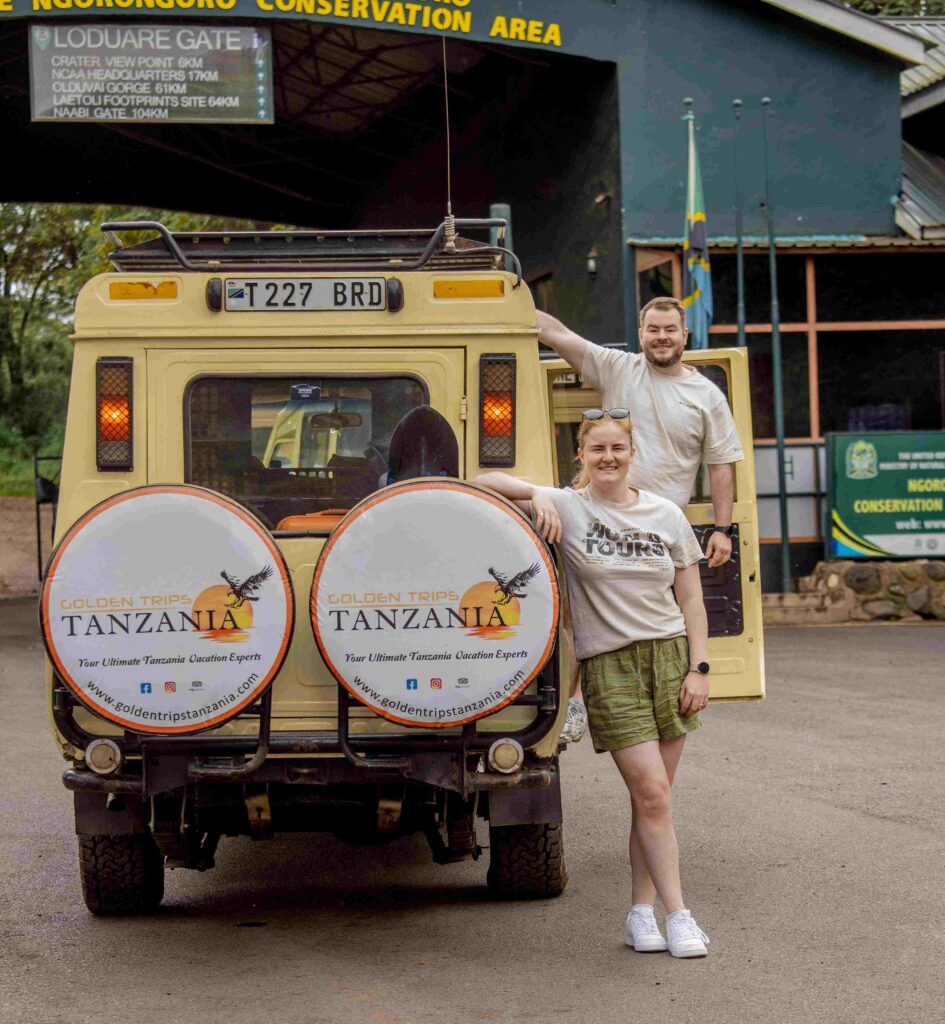
- German-speaking guides: Several operators—including Golden Trips Tanzania —work with German-speaking guides and translators, making communication seamless.
- Strong Euro exchange rate: The Tanzanian shilling remains favorable against the Euro, giving German travelers exceptional value for money. On the other hand we accept payment in Cash in Euros, No surcharge.
- Direct connectivity: Lufthansa, Ethiopian Airlines, Kenya Airways, and Turkish Airlines all offer convenient routings from major German cities to Kilimanjaro International Airport (JRO) or Julius Nyerere International Airport (DAR).
Best Time to Visit Tanzania: A Seasonal Guide for German Travelers
Understanding Tanzania’s seasons is essential for planning the perfect trip. Most Germany travelers take their long-haul holidays in summer (June–August) or over the Christmas–New Year period—and fortunately, both align beautifully with Tanzania’s best wildlife viewing windows.
Dry Season (June – October) — Peak Safari Season
This is widely regarded as the finest time for a Tanzania safari. Vegetation thins out, animals congregate around waterholes, and the Great Wildebeest Migration reaches its dramatic river-crossing climax in the Serengeti’s northern corridor. German school holidays in July and August make this the most popular booking window—so book early to secure your preferred lodge.
Short Dry Season (January – February)
An often-overlooked gem. This is calving season in the southern Serengeti, when hundreds of thousands of wildebeest calves are born. Predator activity is extraordinary. Fewer crowds and slightly lower prices make January–February ideal for German travelers who can travel outside peak school holidays.
Green Season (November – December & March – May)
Lush landscapes, dramatic skies, and reduced rates characterize the green season. Birdwatching peaks as migratory species arrive. Some remote camps close during the long rains (April–May), so itinerary flexibility is important.
Top National Parks and Destinations for Your Tanzania Safari
1. Serengeti National Park
The crown jewel of African safari, the Serengeti needs no introduction. Spanning nearly 15,000 km², it offers year-round game drives with lions, leopards, cheetahs, elephants, and of course, the annual migration of over 1.5 million wildebeest. For Germany travelers seeking the classic African safari experience, the Serengeti is non-negotiable.
2. Ngorongoro Conservation Area
Described as the eighth wonder of the world, the Ngorongoro Crater is a collapsed volcanic caldera sheltering approximately 25,000 animals within its 260 km² floor. It is one of the best places on Earth to see the endangered black rhino. A day in the crater frequently yields all members of the Big Five.
3. Tarangire National Park
Famous for its ancient baobab trees and massive elephant herds, Tarangire is a hidden gem that many Germany travelers add to their itinerary alongside the Serengeti and Ngorongoro. The Tarangire River is a magnet for wildlife during the dry season.
4. Lake Manyara National Park
A compact but spectacular park, Lake Manyara is renowned for its tree-climbing lions and vast flocks of flamingos. It makes an excellent half-day or full-day addition to a Northern Circuit itinerary.
5. Zanzibar Archipelago
No Tanzania safari is complete without a beach extension to Zanzibar. After days of game drives, the turquoise waters and white-sand beaches of Stone Town, Nungwi, or Paje offer the perfect contrast. German travelers consistently rate Zanzibar as one of Africa’s most beautiful island destinations.
Visa and Entry Requirements for German Citizens in 2026
Good news: Germany travelers benefit from Tanzania’s increasingly streamlined visa process.
- eVisa: German citizens can apply online via the Tanzania Immigration Services portal before departure. The standard tourist visa costs approximately USD 50 and is typically processed within 3–5 business days.
- Visa on Arrival: Still available at major entry points, though pre-application is strongly recommended. You can get visa online through the official site of Immigration Tanzania
- Passport Validity: Your passport must be valid for at least six months beyond your intended departure date from Tanzania.
- Yellow Fever Certificate: Required if you are arriving from or transiting through a yellow fever-endemic country.
- Travel Insurance: Strongly recommended. Many premium safari lodges now require proof of comprehensive travel insurance, including medical evacuation coverage.
Always verify the latest entry requirements with the Tanzanian embassy in Berlin or your tour operator before travel.
How to Get to Tanzania from Germany
Flying from Germany to Tanzania is straightforward, with multiple routing options:
| Departure City | Airline Options | Approx. Flight Time | Main Arrival Airport |
| Frankfurt (FRA) | Lufthansa, Ethiopian, Turkish | 10–14 hrs (with stop) | JRO or DAR |
| Munich (MUC) | Lufthansa, Turkish, Qatar | 11–14 hrs (with stop) | JRO or DAR |
| Berlin (BER) | Turkish, Ethiopian, Kenya Airways | 12–15 hrs (with stop) | JRO or DAR |
Kilimanjaro International Airport (JRO) is the preferred gateway for Northern Circuit safaris (Serengeti, Ngorongoro, Tarangire). Julius Nyerere International Airport (DAR) in Dar es Salaam serves Southern Circuit destinations (Ruaha, Selous/Nyerere National Park) and connects to Zanzibar.
Choosing the Right Tanzania Safari Package
Selecting the right itinerary is where expert guidance becomes invaluable. Germany travelers tend to have a preference for well-structured, quality-focused experiences that combine efficiency with authenticity—and that’s exactly the philosophy behind the curated offerings at [Golden Trips Tanzania](https://goldentripstanzania.com/).
What to Look for in a Safari Package
1. Accredited operator: Ensure your operator is licensed by the Tanzania Tourist Board and affiliated with TATO (Tanzania Association of Tour Operators).
2. Vehicle quality: Purpose-built 4WD safari vehicles with pop-up roofs are essential. Avoid operators using standard minivans.
3. Guide expertise: Naturalist guides with TANAPA certification offer deeper wildlife insights.
4. Accommodation options: From budget camping to ultra-luxury private tented camps—establish your comfort level before booking.
5. Transparency: A reputable operator will provide full cost breakdowns with no hidden fees.
Popular Duration Options
- 5–7 Days: Serengeti + Ngorongoro Crater (ideal for first-timers)
- 8–10 Days: Northern Circuit + Zanzibar beach extension
- 12–14 Days: Full Northern or Southern Circuit with cultural experiences
For German travelers considering a 10-day East African adventure, the East Africa Safari Itinerary 10 Days: 2026 Ultimate Guide is an exceptional resource, covering day-by-day logistics, recommended parks, accommodation tiers, and insider tips to maximize every moment of your journey.
2026/2027 Tanzania Safari Packages: Options for Every Budget
Golden Trips Tanzania offers a range of carefully designed Tanzania Safari Packages tailored to different travel styles and budgets. Here’s a general overview of what Germany travelers can expect:
Budget Safari (from ~€1,800 pp)
- Camping or budget lodges
- Shared group vehicles
- Ideal for younger travelers and backpackers
- Covers key parks: Serengeti, Ngorongoro, Tarangire
Mid-Range Safari (from ~€3,200 pp)
- Comfortable tented camps and mid-range lodges
- Private or semi-private vehicles
- More flexible itineraries
- Excellent value for couples and small families
Luxury Safari (from ~€6,500 pp)
- Exclusive private camps and 5-star lodges
- Private guides and customized experiences
- Bush dinners, sundowners, and fly-in options
- Perfect for honeymoons, milestone birthdays, and special occasions
All packages typically include park fees, accommodation, meals, game drives, and airport transfers. International flights are usually booked separately.
Practical Tips for German Travelers in Tanzania
Health Precautions
- Malaria prophylaxis: Consult your Reisearzt (travel doctor) at least 6 weeks before departure. Malarone and Doxycycline are common options.
- Vaccinations: Hepatitis A, Typhoid, and Tetanus are recommended. Yellow Fever is required from endemic countries.
- Sun protection: Tanzania straddles the equator—strong SPF sunscreen and a wide-brimmed hat are essential.
Currency and Payments
- The Tanzanian Shilling (TZS) is the local currency. US Dollars and Euros are widely accepted in hotels and businesses.
- Credit cards (Visa/Mastercard) are accepted at most lodges, but carry cash for smaller purchases.
- ATMs are available in Arusha and Dar es Salaam; less reliable in remote areas.
Communication
- Purchase a local SIM card (Vodacom or Airtel) on arrival for data access.
- WhatsApp is the primary communication tool—stay connected with your guide via the app.
- Your German mobile plan may incur high roaming charges; a local SIM is highly recommended.
Cultural Etiquette
- Greet locals with “Jambo” (hello) or “Habari” (how are you)—Swahili phrases are warmly received.
- Dress modestly outside of safari camps, especially in Zanzibar where Islamic customs are respected.
- Tipping is customary: USD 10–20 per day for your guide, USD 5–10 for camp staff.
Packing Essentials
- Neutral-colored clothing (khaki, olive, beige)—avoid bright colors that can disturb wildlife
- Lightweight layers for chilly mornings and evenings in highlands
- Binoculars (8×42 or 10×42 magnification recommended)
- Camera with telephoto lens
- Insect repellent (DEET-based)
- Sturdy walking shoes
Why Book With Golden Trips Tanzania?
With dozens of operators competing for your business, choosing the right partner makes all the difference between a good safari and an unforgettable one. Golden Trips Tanzania stands apart through:
- Local expertise: Born and based in Tanzania, our team has intimate knowledge of every park, migration pattern, and seasonal nuance.
- European client focus: We understand the expectations of Germany travelers—punctuality, transparency, quality communication, and premium experiences.
- Flexible itineraries: We don’t believe in one-size-fits-all. Every safari is tailored to your interests, budget, and travel dates.
- 24/7 in-destination support: Our operations team is reachable around the clock once you’re on the ground.
- Sustainable tourism commitment: We partner with eco-certified camps and community initiatives to ensure your safari contributes positively to local conservation.
Frequently Asked Questions: Tanzania Safari for German Travelers
Do I need to speak Swahili or English?
English is the official language of tourism in Tanzania. Our guides are fluent in English and many speak German. No language barrier will diminish your experience.
Is Tanzania safe for German tourists?
Tanzania is considered one of Africa’s most politically stable and safe countries for tourists. Standard travel precautions apply—secure your valuables, avoid displaying expensive jewelry, and follow your guide’s advice in national parks.
Can I combine Tanzania with Kenya?
Absolutely. Many Germany travelers choose an East Africa combination itinerary, pairing the Kenyan Masai Mara with Tanzania’s Serengeti. This cross-border experience offers the most comprehensive wildlife viewing on the continent.
What is the minimum recommended budget for a 7-day Tanzania safari?
For a quality mid-range safari including accommodation, meals, park fees, and transfers (excluding flights), budget approximately €2,500–€3,500 per person for 7 days.
Final Thoughts
A Tanzania safari is more than a holiday—it’s a life-defining experience that stays with you forever. For Germany travelers in 2026, the combination of exceptional wildlife, improved tourism infrastructure, competitive pricing, and expert operators makes Tanzania the ultimate long-haul adventure destination.
Ready to start planning? Explore our handpicked Tanzania Safari Packages. The wilderness is waiting—let Golden Trips Tanzania be your guide.
Karibu Tanzania — Welcome to Tanzania.