

Planning your trek to Africa’s highest peak starts with one crucial question: what is the Kilimanjaro climb best time? Choosing the right season can make the difference between a challenging yet unforgettable adventure and a difficult, weather-impacted experience. Mount Kilimanjaro is famous for its breathtaking landscapes, from lush rainforests to icy summit glaciers, but its weather can vary significantly throughout the year.
Understanding the Kilimanjaro climb best time helps you enjoy clear skies, safer trails, and higher chances of reaching Uhuru Peak successfully. While many climbers dream of standing above the clouds, timing your journey correctly ensures you also experience the stunning views and comfortable trekking conditions that make this adventure truly special. Whether you are a first-time trekker or an experienced adventurer, knowing when to go will boost both your confidence and your success rate.
In this guide, we’ll break down the seasons, weather patterns, and insider tips to help you choose the perfect time for your Kilimanjaro climb.
Why Timing Matters for Your Kilimanjaro Adventure
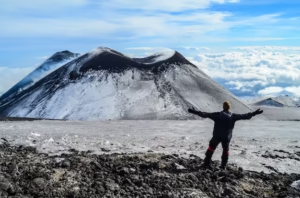
Kilimanjaro’s weather is as dramatic as its landscapes. From misty rainforests to frozen alpine deserts, the mountain creates its own climate zones. Picking the Kilimanjaro Climb Best Time ensures:
Clear, panoramic summit views
Safer trekking conditions
Higher summit success rates
A more comfortable overall journey
Climbing at the wrong time can mean battling heavy rain, slippery trails, and limited visibility—turning your dream trek into a struggle. For more info visit here!
Understanding Kilimanjaro’s Seasons
To find the Kilimanjaro Climb Best Time, you need to understand the mountain’s two main seasons: dry and rainy.
Dry Seasons (Best Time to Climb)
The dry seasons are widely considered the Kilimanjaro Climb Best Time, offering the most favorable conditions.
1. January to Mid-March
Mild temperatures
Fewer crowds
Occasional clouds but excellent visibility
This period is perfect for climbers who want a quieter, more peaceful experience. The mountain feels calm, almost magical, as golden sunlight cuts through the morning mist.
2. June to October
Cool and dry weather
Clear skies and stunning views
Peak climbing season
This is the most popular window and often regarded as the absolute Kilimanjaro Climb Best Time. Trails are lively, and the chances of reaching the summit are at their highest.
Rainy Seasons (Not Ideal)
1. April to May (Long Rains)
Heavy rainfall
Muddy and slippery trails
Limited visibility
2. November (Short Rains)
Intermittent rain
Fewer climbers
Mixed conditions
While it’s still possible to climb, these months are generally not considered the Kilimanjaro Climb Best Time, especially for beginners.
Month-by-Month Breakdown
To truly understand the Kilimanjaro Climb Best Time, here’s a quick cinematic snapshot of what each period offers:
January–March: Crisp mornings, soft clouds, and fewer crowds
April–May: Rain-drenched trails and misty landscapes
June–August: Bright skies, bustling routes, and perfect trekking weather
September–October: Golden sunsets and stable conditions
November: Quiet trails with occasional rain showers
December: A festive vibe with decent weather returning
Each month paints the mountain in a different light, but only a few truly match the ideal Kilimanjaro Climb Best Time.
Best Time for Summit Success
Reaching Uhuru Peak is the ultimate goal, and timing plays a huge role. The Kilimanjaro Climb Best Time for summit success is during the dry months when:
Oxygen levels feel more manageable due to stable conditions
Trails are less hazardous
Visibility boosts morale and motivation
Climbers often describe summit night as surreal—a silent, starlit ascent where every breath feels like a victory.
Avoiding Crowds vs. Perfect Weather
There’s always a trade-off when choosing the Kilimanjaro Climb Best Time:
Peak Season (June–October): Best weather but crowded routes
Shoulder Season (Jan–March): Fewer people with good conditions
If you want postcard-perfect views, go during peak months. If you prefer solitude and a more personal connection with the mountain, consider the quieter window.
Routes and Seasonal Impact
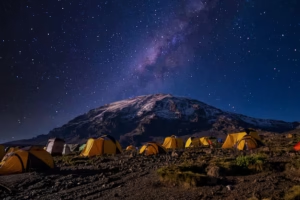
Different routes behave differently depending on the season. Choosing the Kilimanjaro Climb Best Time also depends on your route:
Machame Route: Best during dry months due to steep sections
Marangu Route: More accessible but can get crowded
Lemosho Route: Scenic and less crowded, ideal in the peak dry season
Each path offers a unique perspective, but all shine brightest during the Kilimanjaro Climb Best Time.
What the Experience Feels Like
Imagine this: you begin your trek in a dense rainforest where sunlight filters through emerald leaves. As you ascend, the air turns crisp, the landscape opens into vast alpine plains, and finally, you reach a frozen world of glaciers glowing under the sunrise.
This is why choosing the Kilimanjaro Climb Best Time matters—it transforms your journey into a cinematic masterpiece rather than a survival challenge.
Expert Tips for Choosing the Right Time
To maximize your experience, keep these tips in mind:
Book early for peak seasons
Train for altitude regardless of timing
Pack for all weather conditions
Choose a reputable guide company
Even during the Kilimanjaro Climb Best Time, preparation is key to success.
Final Thoughts
Your journey to the roof of Africa should be nothing short of extraordinary. By choosing the Kilimanjaro Climb Best Time, you give yourself the best chance to enjoy clear skies, safe trails, and an unforgettable summit experience.
Whether you’re chasing adventure, personal growth, or breathtaking views, timing your climb correctly ensures that every step feels rewarding. The mountain will challenge you, inspire you, and ultimately change you—but only if you meet it at the right time.