

Climbing Mount Kilimanjaro is a dream for adventurers around the world, but many wonder just how challenging it really is. Understanding the Mount Kilimanjaro climb difficulty is essential for anyone planning this iconic trek. While it’s not a technical climb—meaning you don’t need advanced mountaineering skills—the trek tests your endurance, mental strength, and adaptability to high altitudes. From the lush rainforests at the base to the icy summit of Uhuru Peak at 5,895 meters, each stage presents unique challenges. Weather conditions, steep trails, and altitude sickness can make the climb feel tougher than anticipated, especially for first-time hikers.
However, with proper preparation, a carefully chosen route, and realistic expectations, most trekkers can successfully reach the summit. Fitness levels, acclimatization, and pacing play a huge role in determining how hard the climb feels. In this guide, we’ll break down the Mount Kilimanjaro climb difficulty, explain what to expect on different routes, and provide tips to help you tackle Africa’s highest peak with confidence. Whether you’re a seasoned hiker or a beginner seeking adventure, understanding these factors is key to a safe and rewarding journey.
Understanding Mount Kilimanjaro Climb Difficulty
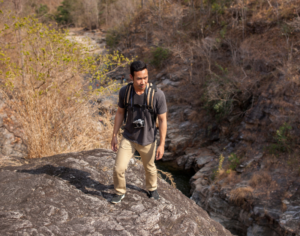
Climbing Mount Kilimanjaro is often seen as a bucket-list adventure, but the Mount-Kilimanjaro-climb-difficulty varies greatly depending on several factors. Unlike technical mountains, Kilimanjaro doesn’t require ropes, crampons, or ice axes, yet it presents significant physical and mental challenges. The difficulty comes primarily from the altitude, trail length, terrain variety, and weather conditions. Each route offers a different experience, and knowing what to expect can make the difference between success and failure.
Factors That Affect Mount Kilimanjaro Climb Difficulty
Altitude and Acclimatization
The most challenging aspect of the climb is the high altitude. Kilimanjaro’s summit, Uhuru Peak, is nearly 5,895 meters (19,341 feet) above sea level. Rapid ascent without proper acclimatization increases the risk of altitude sickness, headaches, nausea, and fatigue. Most climbers find that slow, steady pacing and extra rest days significantly reduce the climb difficulty.Physical Fitness Level
Although technical climbing skills are not required, a moderate level of fitness is essential. Long hiking days, often between 5–8 hours, with steep inclines and uneven terrain, can be exhausting for beginners. Strengthening leg muscles, cardiovascular endurance, and core stability beforehand can make the climb feel much easier.Trail Choice
Kilimanjaro offers multiple routes, each with its own level of difficulty:Marangu Route: Known as the “Coca-Cola Route,” it is the easiest technically, with a gradual slope and hut accommodations. However, it has less time for acclimatization, which increases altitude challenges.
Machame Route: More scenic but steeper, it requires more stamina. The longer duration helps with acclimatization, making summit success more likely.
Lemosho and Shira Routes: Longer routes with better acclimatization and beautiful scenery, but physically demanding.
Rongai Route: Gentle incline, good for first-timers, but more isolated with fewer support facilities.
Umbwe Route: The toughest, steep and short, requiring excellent fitness and mental determination.
Choosing the right route based on your experience and fitness is critical for managing the Mount Kilimanjaro climb difficulty.
Weather Conditions
Kilimanjaro has diverse climate zones, from rainforest to alpine desert, and the weather can change rapidly. Rain, snow, and strong winds at higher altitudes can increase the perceived difficulty, making trekking poles, proper clothing, and protective gear essential.Mental Preparedness
The climb is as much a mental challenge as a physical one. Long, grueling days, high altitudes, and cold temperatures test your determination. Climbers who maintain a positive mindset, set realistic goals, and prepare for setbacks find the journey more manageable. For more info visit here!
Daily Challenges on Kilimanjaro
Each stage of the climb presents unique challenges that contribute to the overall Mount Kilimanjaro climb difficulty:
Rainforest Zone (1,800–2,800m): Muddy trails and steep paths can be tiring but relatively easy physically.
Heather & Moorland Zone (2,800–4,000m): Rocky terrain and thinner air require more energy.
Alpine Desert Zone (4,000–5,000m): Harsh sun, strong winds, and low oxygen levels make this stage mentally and physically tough.
Summit Zone (5,000–5,895m): The “death zone” is cold, windy, and oxygen-deficient. Most climbers experience fatigue, dizziness, and breathlessness. Proper pacing and acclimatization are crucial here.
Tips to Reduce Mount Kilimanjaro Climb Difficulty
Train in Advance
Focus on cardio workouts, hiking with a backpack, and strengthening your legs and core. Even short treks on hills can improve stamina.Choose the Right Route
Longer routes like Lemosho and Machame increase acclimatization time, lowering the risk of altitude sickness. Avoid shorter routes if you are a beginner.Pace Yourself
Follow the principle of “pole pole” (slowly, slowly) and listen to your body. Pushing too fast increases difficulty and risk.Stay Hydrated and Eat Well
Drinking enough water and consuming high-energy snacks helps your body adapt and maintain energy levels.Acclimatize Properly
Consider extra rest days on higher-altitude routes. Proper acclimatization is key to reducing the perceived difficulty.Dress Appropriately
Layering is essential. Cold nights, strong winds, and unexpected rain or snow can significantly increase the climb difficulty if unprepared.Hire Experienced Guides
Guides and porters not only support logistics but also monitor your health, pace, and safety, reducing mental and physical stress.
Common Misconceptions About Mount Kilimanjaro Climb Difficulty
“It’s like hiking any other mountain.”
False. The high altitude and long trekking days make Kilimanjaro uniquely challenging.“You must be a professional climber.”
Not true. Many trekkers with average fitness levels complete the climb successfully with preparation.“Weather is predictable.”
No. The climate varies rapidly; preparation is essential to handle extreme conditions.
How to Know If You’re Ready
Before attempting Kilimanjaro, consider the following:
Can you hike 5–8 hours per day on uneven terrain?
Are you able to adapt to cold, windy, or rainy conditions?
Do you understand altitude sickness and acclimatization techniques?
Are you mentally prepared for fatigue and discomfort?
Answering “yes” to these questions increases your chances of a safe and successful climb while reducing the Mount-Kilimanjaro-climb-difficulty.
Frequently Asked Questions (FAQs)
Q1. How difficult is the Mount Kilimanjaro climb for beginners?
A: The Mount Kilimanjaro climb difficulty is considered moderate for beginners. No technical climbing skills are required, but good physical fitness and mental endurance are essential. The main challenge is altitude rather than terrain. With proper training, a slow pace, and a longer route for acclimatization, many first-time climbers successfully reach the summit.
Q2. Is Mount Kilimanjaro harder than other famous treks?
A: Kilimanjaro is more challenging than many popular treks due to its extreme altitude. While routes like Everest Base Camp or Machu Picchu involve longer journeys, Kilimanjaro’s rapid ascent increases the risk of altitude sickness, making the Mount Kilimanjaro climb difficulty feel higher despite non-technical trails.
Q3. What is the hardest part of climbing Mount Kilimanjaro?
A: The hardest part is summit night. Climbers face freezing temperatures, strong winds, steep slopes, and very low oxygen levels. Fatigue and altitude sickness often peak during this stage, making mental strength just as important as physical fitness.
Q4. Which route has the lowest Mount Kilimanjaro climb difficulty?
A: Routes with better acclimatization, such as the Lemosho and Machame routes, are considered less difficult overall despite being longer. These routes give your body more time to adjust to altitude, increasing success rates and reducing health risks.
Q5. How can I reduce Mount Kilimanjaro climb difficulty?
A: You can reduce the Mount Kilimanjaro climb difficulty by choosing a longer route, training several weeks in advance, staying hydrated, walking at a slow pace, and listening to your guides. Proper gear, nutrition, and mental preparation also play a major role in making the climb easier.
Conclusion
The Mount Kilimanjaro climb difficulty is real but manageable with preparation, the right route, and realistic expectations. By understanding the altitude challenges, training your body, and preparing mentally, you can increase your chances of reaching Uhuru Peak safely and enjoying the breathtaking landscapes along the way. Remember, the journey is as rewarding as the summit itself, and proper planning ensures the climb is a challenging yet unforgettable adventure.