

Where Is Kilimanjaro? Rising majestically from the plains of northeastern Tanzania, Kilimanjaro is Africa’s tallest mountain and one of the most awe-inspiring natural wonders in the world. Its snow-capped peak pierces the sky, creating a striking contrast against the surrounding savannahs and forests, making it a dream destination for adventurers, photographers, and nature enthusiasts alike.
Where is Kilimanjaro exactly? Nestled near the border of Kenya, this dormant volcanic giant is part of the Kilimanjaro National Park, with three distinct cones: Kibo, Mawenzi, and Shira. Each one offers a different landscape, from lush rainforest trails on its base to alpine deserts and icy glaciers near the summit.
More than a mountain, Kilimanjaro symbolizes the ultimate journey: challenging, eye-opening, and unforgettable. Knowing where Kilimanjaro is and what is so special about it is the first step toward experiencing Africa’s iconic peak and the breathtaking adventure it holds.
Where Is Kilimanjaro Located?
Kilimanjaro is in northeastern Tanzania, close to the border with Kenya. It’s part of Kilimanjaro National Park, a UNESCO World Heritage site. This dormant volcanic mountain has three cones: Kibo, Mawenzi, and Shira, each offering different terrain and stunning views. Kibo is the tallest and most well-known, featuring the iconic snow cap that crowns the mountain. Mawenzi is rough and jagged, providing challenging climbs for experienced trekkers. Shira offers expansive plateaus and dramatic cliffs.
Located near the equator, Kilimanjaro has a surprisingly diverse climate. As you climb, you’ll go through various ecosystems, from tropical rainforest at the base to alpine deserts and glaciers near the summit. This diversity makes Kilimanjaro an extraordinary journey through nature’s beauty.
Why People Ask, “Where Is Kilimanjaro?”
Tourists, photographers, and adventure seekers often ask, “Where Is Kilimanjaro?” because its fame extends far beyond Africa. The mountain dominates the skyline for miles, inspiring many travel documentaries, films, and adventure stories. Climbing Kilimanjaro is a bucket-list journey for many, offering a chance to see stunning sunrises above the clouds and view glaciers that are slowly melting due to climate change.
The mountain is also culturally important. The local Chagga and Maasai communities live around its slopes, sharing insights into Tanzania’s rich heritage. When you ask, “Where Is Kilimanjaro?” you’re not just asking about geography; you’re exploring a place filled with natural beauty, cultural richness, and breathtaking views.
Best Time to Visit Kilimanjaro
If you’re planning your trip after learning where Kilimanjaro is, timing is key. The best months to trek are January to March and June to October, when the weather is generally dry and stable. These months offer clear skies for those unforgettable sunrise and sunset views.
During the rainy seasons (April to May and November), trails can get slippery, and visibility at the summit may be limited. However, the lush greenery of the forests during this time provides a magical charm that photographers love. Knowing when to visit will help ensure your experience is both safe and visually stunning.
Trekking Routes: A Cinematic Journey
One reason people ask, “Where Is Kilimanjaro?” is because the mountain has several trekking routes, each offering its own unique adventure.
Marangu Route: Known as the “Coca-Cola Route,” this is one of the oldest and has hut accommodations. It’s great for beginners looking for a scenic climb.
Machame Route: Called the “Whiskey Route,” this longer and more challenging path offers breathtaking panoramic views. It’s perfect for photo opportunities.
Lemosho Route: This route is famous for its remote landscapes and higher success rate for reaching the summit. It takes you through dramatic forests and vast moorlands.
Rongai Route: Approaching from the north, this route is less crowded and gives a unique view of Kilimanjaro’s beauty.
Each route allows travelers to experience the full ecological range of the mountain, making every step a visually rich adventure. For more info visit !
Flora and Fauna: A Living Cinematic Canvas
Kilimanjaro’s slopes are full of life. As you climb, you’ll move through lush rainforests, home to monkeys, elephants, and many types of birds. At higher altitudes, you’ll find alpine deserts and unique plants like giant lobelias and groundsels, creating landscapes that look like they belong in a movie. Knowing where Kilimanjaro is helps you appreciate this incredible biodiversity, which is unlike any other mountain in the world.
The Summit: Africa’s Roof
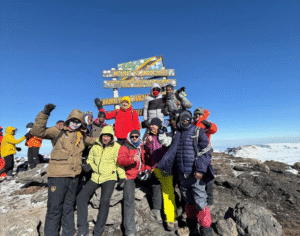
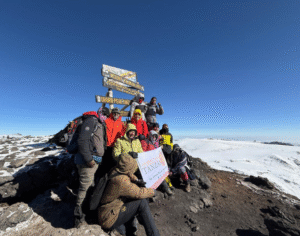
Reaching Kilimanjaro’s summit, Uhuru Peak, is the ultimate adventure. Standing above the clouds and watching the sunrise light up the glaciers and plains below is something few other mountains can match. Many trekkers describe the moment as surreal and cinematic, with the vast African landscape extending endlessly in every direction.
Read also: How Hard Is It to Climb Mount Kilimanjaro?
Kilimanjaro in Popular Culture
Kilimanjaro’s fame goes beyond geography; it has inspired many films, documentaries, and travel stories. Its snow-capped peak against the equatorial sun symbolizes adventure and human perseverance. From documentaries showcasing Africa’s wildlife to travel blogs featuring stunning summit photos, Kilimanjaro has captured imaginations around the world.
Practical Tips for Your Journey
Acclimatize properly: Altitude sickness can be dangerous, so spend extra days on longer routes.
Pack wisely: Layered clothing is important due to temperature changes from base to summit.
Hire guides: Local guides and porters help with safety and provide cultural insights.
Respect nature: Kilimanjaro’s ecosystems are fragile, so follow park rules.
Understanding where Kilimanjaro is allows you to plan a journey that balances adventure, safety, and the chance to see one of the world’s greatest natural wonders.
Frequently Asked Questions (FAQs)
Q1. Where is Kilimanjaro located?
A: Kilimanjaro sits in northeastern Tanzania, near the Kenya border. The mountain is enveloped within Kilimanjaro National Park. It rises from vast savannahs and lush forests. It is Africa’s most iconic and photogenic peak.
Q2. How tall is Kilimanjaro?
A: At 5,895 meters, or 19,341 feet, above sea level, Kilimanjaro stands as Africa’s tallest mountain. Its snow-capped peak glistens under the equatorial sun. From base to peak, the view is truly cinematic.
Q3. What is the best time to visit Kilimanjaro?
A: January to March and June to October are the best months. The sky is usually clear with breathtaking sunrises and broad views. The weather is perfect, which means one will have a memorable climb full of adventure.
Q4. Can beginners climb Kilimanjaro?
A: Yes, it is achievable even for beginners with proper preparation and guidance. Routes like Marangu and Rongai are suitable for beginners. Local guides make the journey safe, smooth, and unforgettable.
Q5. Why is Kilimanjaro so famous?
A: Glaciers, rainforests, and dramatic alpine deserts make up Kilimanjaro: the continent’s most iconic destination. The cinematic landscapes of this mountain stir inspiration among both photographers and adventurers. It’s a symbol of challenge, beauty, and Africa’s wild spirit.
Conclusion
When travelers ask, “Where Is Kilimanjaro?” they open up the door to an unforgettable journey. Located in northeastern Tanzania, this towering, snow-capped mountain is more than just Africa’s highest peak—it’s a symbol of adventure, cultural richness, and natural beauty. Whether you’re an experienced climber or a casual observer, knowing Kilimanjaro’s location, routes, and ecosystems helps you appreciate why it’s one of the most iconic mountains in the world.
From lush rainforests to icy glaciers, every step on Kilimanjaro is a step into a living masterpiece. So, plan your visit, prepare for the climb, and experience the mountain that continues to inspire awe around the globe. Where Is Kilimanjaro? Now you know, and it’s ready to take your breath away.