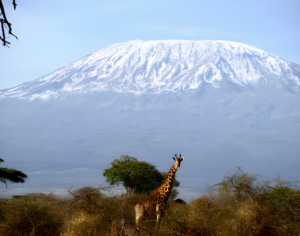
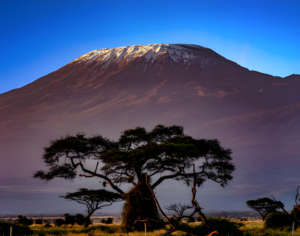
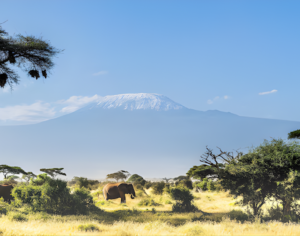
Mount Kilimanjaro is more than just Africa’s highest peak — it is a personal challenge, a life milestone, and a journey that stays with you long after the climb ends. Mt Kilimanjaro trekking tours are designed for adventurers who want to experience this legendary mountain with confidence, safety, and expert support at every step. Rising dramatically from the plains of Tanzania, Kilimanjaro offers a rare opportunity to trek through five distinct climate zones, from lush rainforest to alpine desert and finally the icy summit of Uhuru Peak.
Expert-guided routes play a crucial role in the success of any Kilimanjaro climb. Professional mountain guides understand the terrain, weather patterns, and, most importantly, the importance of proper acclimatization. With carefully planned itineraries, trekkers are given the best possible chance to reach the summit while enjoying the journey rather than rushing through it. These guided trekking tours also provide essential logistical support, including experienced porters, nutritious meals, safety briefings, and constant health monitoring.
Whether you are a first-time high-altitude trekker or an experienced hiker seeking a new challenge, Mt Kilimanjaro trekking tours offer a structured, rewarding, and unforgettable path to standing on the roof of Africa.
Why Choose Mt Kilimanjaro Trekking Tours?
Climbing Kilimanjaro independently is not permitted, which makes guided trekking tours essential. Beyond legal requirements, professional tours significantly increase summit success rates and overall safety. Expert guides understand altitude challenges, pacing, acclimatization schedules, and emergency procedures, all of which are critical on a high-altitude climb.
Well-organized Mt Kilimanjaro trekking tours include trained mountain guides, support staff, porters, meals, camping equipment, and medical monitoring. This allows trekkers to focus fully on the experience rather than logistics. From daily health checks to route-specific strategies, guided tours offer peace of mind and a far greater chance of standing atop Uhuru Peak. For more info visit here!
Popular Routes on Mt Kilimanjaro
Choosing the right route is one of the most important decisions when planning your trek. Each route offers a different balance of scenery, difficulty, traffic levels, and acclimatization success.
Machame Route (Whiskey Route)
The Machame Route is one of the most popular and scenic options. It offers excellent acclimatization due to its “climb high, sleep low” profile. Trekkers experience rainforest, moorland, alpine desert, and glacial landscapes, making it ideal for those seeking both beauty and a strong summit success rate.
Lemosho Route
Often considered the best overall route, Lemosho is longer and less crowded in the early days. Its gradual ascent greatly improves acclimatization, making it one of the highest-success routes on the mountain. It is ideal for trekkers who want a quieter, more immersive experience.
Marangu Route (Coca-Cola Route)
The only route with hut accommodation, Marangu is sometimes perceived as easier, but its shorter itinerary offers less acclimatization time. While popular with budget climbers, summit success rates are generally lower compared to longer routes.
Rongai Route
Approaching from the northern side of the mountain, the Rongai Route is drier and less crowded. It is a good option during the rainy season and offers a more remote trekking experience.
Difficulty Level: Is Kilimanjaro Hard to Climb?
Mt Kilimanjaro trekking tours are physically demanding but not technical. No ropes or climbing skills are required. The main challenge is altitude, not terrain. Many fit beginners successfully reach the summit with proper preparation, pacing, and acclimatization.
Daily hikes range from moderate to long, often lasting 5–8 hours, with summit night being the most demanding. Mental determination is just as important as physical fitness. Choosing a longer itinerary greatly improves comfort and success.
Best Time for Mt Kilimanjaro Trekking Tours
Mount Kilimanjaro can be climbed year-round, but certain months offer better conditions.
-
Best Seasons: January–March and June–October
-
Dry Months: July, August, September (most popular)
-
Rainy Seasons: April–May and November (fewer crowds but wetter trails)
Clear skies, stable weather, and good trail conditions during the dry seasons make these months ideal for trekking.
Acclimatization and Altitude Safety
Altitude sickness is the primary risk on Kilimanjaro. Professional trekking tours prioritize acclimatization through gradual ascents, rest days, and constant health monitoring. Reputable operators conduct daily oxygen saturation checks and watch closely for symptoms such as headaches, nausea, or dizziness.
The golden rule is simple: go slow. Longer routes with extra days dramatically increase summit success and reduce health risks. A responsible trekking company will never rush the climb.
What’s Included in Professional Trekking Tours?
Most Mt Kilimanjaro trekking tours include:
-
Certified mountain guides and assistant guides
-
Porters to carry equipment and supplies
-
All meals on the mountain
-
Camping equipment or hut accommodation
-
Park fees and permits
-
Daily health checks and emergency protocols
Quality operators also ensure ethical porter treatment, proper wages, and fair working conditions.
Training and Preparation Tips
While Kilimanjaro doesn’t require technical climbing skills, preparation is essential. Recommended training includes:
-
Cardiovascular workouts (hiking, stair climbing, cycling)
-
Strength training for legs and core
-
Practice hikes with a backpack
-
Mental preparation for long trekking days
Good gear, including proper boots, layered clothing, and a warm sleeping bag, also plays a crucial role in comfort and success.
Cost of Mt Kilimanjaro Trekking Tours
Prices vary depending on route, duration, group size, and service level. Budget options may cut acclimatization days or staff support, while premium tours focus on comfort, safety, and higher success rates.
When choosing a tour, price should never be the only factor. Safety standards, guide experience, and ethical practices are far more important than finding the cheapest option.
Why Mt Kilimanjaro Is a Life-Changing Experience
Reaching the summit of Kilimanjaro is not just about altitude—it’s about personal achievement. Watching the sun rise over Africa from Uhuru Peak is an emotional moment that stays with climbers forever. Along the way, trekkers form strong bonds, gain mental resilience, and experience landscapes found nowhere else on Earth.
Mt Kilimanjaro trekking tours combine adventure, challenge, and discovery into one unforgettable journey. With expert guidance, proper planning, and the right mindset, standing on the roof of Africa becomes a powerful and achievable goal.