Standing at 5,895 meters, Mount Kilimanjaro is not just Africa’s highest mountain—it’s a dream summit for adventurers from around the world. A Kilimanjaro trekking tour offers a rare chance to experience diverse landscapes, from lush rainforests and alpine deserts to icy glaciers at the summit of Uhuru Peak. Unlike technical climbs, Kilimanjaro is accessible to determined trekkers, making it one of the most rewarding high-altitude adventures on Earth.
Choosing a professionally guided Kilimanjaro-trekking-tour is essential for safety, comfort, and success. Expert guides understand the mountain’s changing conditions, manage proper acclimatization, and provide continuous support throughout the journey. Well-planned routes, quality camping equipment, and experienced porters ensure that trekkers can focus on the climb rather than logistics.
Whether you are a first-time high-altitude hiker or an experienced trekker seeking a new challenge, a Kilimanjaro trekking tour promises breathtaking scenery, personal achievement, and memories that last a lifetime. Reaching the summit at sunrise is more than a moment—it’s a powerful accomplishment that defines the true spirit of adventure.
Why Choose a Kilimanjaro Trekking Tour
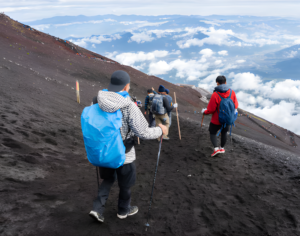
Opting for a guided Kilimanjaro trekking tour significantly increases your chances of a successful and enjoyable summit. Professional operators handle every detail, from permits and logistics to safety and acclimatization.
Key benefits include:
-
Experienced mountain guides trained in altitude safety
-
Well-planned acclimatization schedules
-
Quality camping equipment and meals
-
Dedicated porters and support teams
-
Emergency response and oxygen support when needed
With the right team, your focus remains on the experience—not the challenges behind the scenes.
Best Routes for a Kilimanjaro Trekking Tour
Mount Kilimanjaro offers several established trekking routes, each with its own scenery, difficulty level, and success rate.
Machame Route (Most Popular)
Known as the “Whiskey Route,” Machame is famous for its scenic beauty and strong acclimatization profile. It’s ideal for trekkers seeking stunning landscapes and a high summit success rate.
Lemosho Route (Best for Acclimatization)
Lemosho is less crowded and offers a longer itinerary, making it perfect for better altitude adjustment and a more relaxed trekking pace.
Marangu Route (Hut Accommodation)
Often called the “Coca-Cola Route,” Marangu is the only route with hut accommodation. While it appears easier, shorter acclimatization makes it more challenging for some trekkers.
Rongai Route (Quiet & Remote)
Approaching from the north, Rongai is drier and less crowded, making it a great option during rainy seasons.
Best Time for a Kilimanjaro Trekking Tour
The best months for a Kilimanjaro-trekking-tour are:
-
January to March – Quieter routes, cooler temperatures
-
June to October – Peak season with clear skies and stable weather
While trekking is possible year-round, avoiding the heavy rainy months of April and May is generally recommended.
Physical Preparation & Fitness Requirements
You don’t need technical climbing skills, but good physical preparation is essential. A successful Kilimanjaro-trekking-tour requires:
-
Cardiovascular endurance
-
Strong leg muscles
-
Mental determination
-
Proper altitude awareness
Regular hiking, stair climbing, and endurance training before your trip will significantly improve your experience. For more info visit here!
Altitude & Acclimatization: The Key to Success
Altitude sickness is the main challenge on Mount Kilimanjaro. Professional trekking tours prioritize gradual ascent, hydration, and rest days to help your body adjust.
Common acclimatization strategies include:
-
“Climb high, sleep low”
-
Slow trekking pace
-
Continuous health monitoring
-
Extra summit support from guides
Choosing a longer itinerary greatly improves summit success rates.
What to Expect on Summit Night
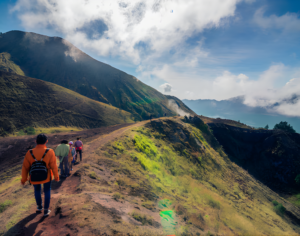
Summit night is the most demanding yet rewarding part of a Kilimanjaro trekking tour. You’ll start climbing around midnight, trekking through the cold and darkness toward Uhuru Peak.
As the sun rises over Africa, the moment you reach the summit becomes unforgettable—snow underfoot, golden light on the horizon, and a deep sense of achievement that few experiences can match.
What’s Included in a Professional Kilimanjaro-Trekking-Tour
Most reputable tours include:
-
Park fees and permits
-
Certified mountain guides
-
Porters and cooks
-
Tents, sleeping mats, and dining equipment
-
Daily meals on the mountain
-
Airport transfers
-
Pre-trek briefings and safety checks
Always choose a licensed operator that follows ethical porter treatment guidelines.
Why a Kilimanjaro Trekking Tour Is a Life-Changing Experience
Beyond the physical challenge, a Kilimanjaro-trekking-tour offers something deeper—personal growth. Standing on the Roof of Africa is a powerful reminder of what determination, teamwork, and patience can achieve.
It’s not just a trek. It’s a story you’ll tell for the rest of your life.
Frequently Asked Questions (FAQs)
Q1. How difficult is a Kilimanjaro trekking tour?
A: It’s physically demanding but achievable with proper preparation and a guided itinerary focused on acclimatization.
Q2. Do I need climbing experience?
A: No technical climbing experience is required—only good fitness and mental readiness.
Q3. How many days are best for trekking Kilimanjaro?
A: 7–9 days is ideal for proper acclimatization and higher summit success rates.
Q4. Is a guide mandatory for Kilimanjaro?
A: Yes, Tanzanian regulations require all trekkers to climb with a licensed guide.
Q5. What is the success rate for reaching the summit?
A: With longer routes and professional guides, success rates can exceed 85–90%.
Conclusion
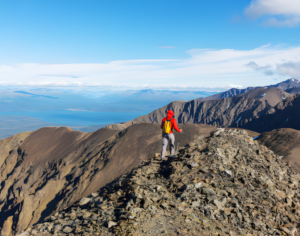
A Kilimanjaro trekking tour is more than just a climb—it’s an unforgettable adventure that challenges the body, inspires the mind, and rewards the spirit. From lush forests to icy peaks, every step on Africa’s highest mountain is a unique experience. By choosing a professionally guided tour, you ensure safety, proper acclimatization, and an enriching journey that focuses on the joy of the climb rather than the logistics.
Whether you’re a first-time trekker or an experienced adventurer, standing at Uhuru Peak as the sun rises over Africa is a memory you’ll treasure for a lifetime. Don’t just dream about it—start planning your Kilimanjaro-trekking-tour today and take the first step toward conquering the Roof of Africa.