
Mount Kilimanjaro rises from the plains of Tanzania like a giant calling adventurers from every corner of the world. At first glance, it looks inviting—no technical climbing, no ropes, and no previous mountaineering experience required. Yet behind this seemingly simple trek lies a challenge that surprises many who attempt it. The real difficulty of climbing Mt Kilimanjaro isn’t about steep rock faces or extreme cold alone; it’s about endurance, patience, and the body’s struggle to adapt to high altitude.
Each day on the mountain brings long hours of walking, changing landscapes, and thinning air that quietly tests both physical strength and mental resilience. From lush rainforests to barren alpine deserts, the journey is as demanding as it is breathtaking. Many climbers start with confidence, only to realize that altitude sickness, fatigue, and unpredictable weather can turn even simple steps into a serious effort.
Understanding what truly makes this trek challenging is the key to success. With the right preparation, mindset, and expectations, Kilimanjaro becomes less of an obstacle and more of a life-changing adventure—one that rewards those who respect its difficulty and rise to meet it.
Altitude: The Invisible Enemy
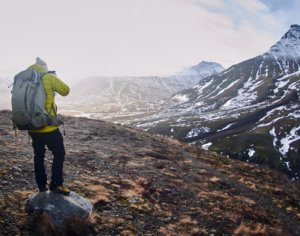
The single greatest factor behind the difficulty of climbing mt kilimanjaro is altitude. Kilimanjaro rises to 5,895 meters (19,341 feet), and the human body simply isn’t designed to function comfortably at that height. As you ascend, oxygen levels drop, and your body must work harder just to perform basic tasks like walking or sleeping.
Altitude sickness does not care how fit you are. Strong hikers, marathon runners, and gym enthusiasts can struggle just as much as beginners. Headaches, nausea, dizziness, and extreme fatigue are common, especially above 4,000 meters. What makes this challenge even harder is that symptoms can appear suddenly, turning a confident climber into someone fighting every step.
Acclimatization days help, but altitude remains the mountain’s most unforgiving test.
Long Days of Relentless Hiking
While Kilimanjaro does not require ropes or climbing gear, the daily trekking is physically demanding. Most days involve walking for 6 to 8 hours over uneven terrain, often while carrying a daypack. The trails may look gentle at first, but the constant uphill movement slowly drains energy.
This endurance-based challenge adds significantly to the difficulty-of-climbing-mt-kilimanjaro. Your legs feel heavy, your breathing becomes shallow, and recovery overnight is often incomplete due to poor sleep at altitude. Unlike short, intense climbs, Kilimanjaro wears you down gradually, testing your stamina over several consecutive days. For more info visit here!
By summit night, even lifting your feet can feel like a victory.
Summit Night: The Ultimate Test
Summit night is where the mountain reveals its true nature. Climbers wake around midnight and begin the final ascent in darkness, cold, and silence. Temperatures can drop well below freezing, and strong winds cut through layers of clothing.
This is the moment when the difficulty of climbing mt kilimanjaro becomes deeply psychological. You are exhausted, sleep-deprived, and breathing thin air. Each step feels slow and heavy, and progress is measured in meters, not miles. The trail seems endless, a ribbon of headlamps stretching into the black sky.
Reaching Uhuru Peak at sunrise is emotional, not because it was technically hard, but because you endured something profoundly challenging.
Mental Strength Matters More Than Muscle
Many people underestimate how much mental resilience is required. The mountain tests patience, focus, and self-belief. There are moments of doubt—days when your body feels weak and the summit feels unrealistic.
The real difficulty of climbing mt kilimanjaro lies in continuing despite discomfort. You must manage fear, control negative thoughts, and trust the slow rhythm of “pole pole” (slowly, slowly). Those who succeed are often not the strongest, but the most mentally steady.
The mountain teaches humility, reminding climbers that progress comes through persistence, not force.
Weather That Changes Without Warning
Kilimanjaro contains multiple climate zones, from tropical rainforest to arctic summit. In one trek, you may experience rain, intense sun, freezing temperatures, and strong winds. Weather can change quickly, affecting trail conditions and energy levels.
Cold nights can disrupt sleep, while rain can turn paths muddy and slippery. These unpredictable elements quietly increase the difficulty-of-climbing-mt-kilimanjaro, especially when combined with fatigue and altitude stress.
Preparation helps, but adaptability is essential.
Route Choice Can Make or Break Your Climb
Not all Kilimanjaro routes are equal. Some routes prioritize scenery, while others focus on better acclimatization. Shorter routes may seem attractive, but they often increase the risk of altitude sickness.
Choosing the right route directly impacts the difficulty of climbing mt kilimanjaro. Longer routes like Lemosho and Northern Circuit allow the body more time to adjust, improving summit success rates. Rushed itineraries often lead to exhaustion and failed attempts.
Smart planning reduces difficulty, but it never removes it entirely.
The Role of Guides, Porters, and Support
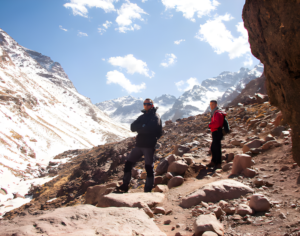
One unique aspect of Kilimanjaro is the strong support system. Experienced guides monitor your health, pace your climb, and encourage you during difficult moments. Porters carry equipment, allowing climbers to conserve energy.
Even with this support, the difficulty of climbing mt kilimanjaro remains real. Guides can advise, but only you can take each step. The mountain still demands effort, discipline, and respect.
Success feels earned, not given.
Why the Challenge Is Worth It
Despite its challenges, Kilimanjaro is not about suffering—it’s about transformation. The climb strips life down to simple needs: water, warmth, breath, and forward movement. With every day, the outside world fades, replaced by silence, stars, and vast landscapes.
Understanding the difficulty-of-climbing-mt-kilimanjaro deepens appreciation for the summit moment. Standing at Uhuru Peak is not just about altitude—it’s about overcoming doubt, discomfort, and limitation.
The mountain doesn’t promise ease, but it rewards those who meet its challenge with honesty and preparation.
FAQs: Difficulty of Climbing Mt Kilimanjaro
Q1. Is the difficulty of climbing Mt Kilimanjaro suitable for beginners?
A: Yes, beginners can climb Mount Kilimanjaro, but they must understand that the difficulty of climbing Mt Kilimanjaro comes from altitude and endurance, not technical skills. With proper preparation, a slow-paced route, and experienced guides, first-time climbers can successfully reach the summit.
Q2. What is the hardest part of climbing Mount Kilimanjaro?
A: The hardest part is summit night. Cold temperatures, thin air, extreme fatigue, and mental exhaustion combine to make the final ascent very challenging. This stage highlights the true difficulty of climbing Mt Kilimanjaro, even for physically fit hikers.
Q3. How does altitude affect the difficulty of climbing Mt Kilimanjaro?
A: Altitude significantly increases the difficulty-of-climbing-Mt-Kilimanjaro by reducing oxygen levels as you ascend. This can cause headaches, nausea, and fatigue, making even simple walking feel strenuous. Proper acclimatization is essential for a safe and successful climb.
Q4. How physically fit do you need to be to climb Mount Kilimanjaro?
A: You don’t need to be an athlete, but a good level of cardiovascular fitness and leg strength is important. Regular hiking, stair climbing, and endurance training can help prepare your body for the long trekking days that add to the difficulty of climbing Mt Kilimanjaro.
Q5. Which route is best to reduce the difficulty of climbing Mt Kilimanjaro?
A: Longer routes such as Lemosho and the Northern Circuit are considered the best for reducing the difficulty of climbing Mt Kilimanjaro. These routes allow more time for acclimatization, increasing comfort and improving summit success rates.
Final Thoughts: Respect the Mountain, Trust Yourself
Climbing Mount Kilimanjaro is not impossible, but it is never easy. Its difficulty is layered—physical exhaustion, altitude pressure, mental endurance, and environmental extremes all combine into one unforgettable journey.
When approached with realistic expectations, proper preparation, and the right mindset, Kilimanjaro becomes more than a climb. It becomes a personal victory written one step at a time across Africa’s highest slopes.
If you respect the mountain and trust your process, the summit will feel less like a destination and more like a well-earned awakening.