

Climbing Mount Kilimanjaro is a dream adventure for many travelers, but understanding the difficulty of climbing Kilimanjaro is essential before taking the first step. As Africa’s highest peak, Kilimanjaro rises to 5,895 meters (19,341 feet), and while it does not require technical climbing skills, the challenge should not be underestimated—especially for first-time trekkers. The real test comes from altitude, long trekking days, changing weather conditions, and the physical and mental endurance needed to reach the summit.
Many beginners assume Kilimanjaro is either extremely dangerous or surprisingly easy, but the truth lies somewhere in between. The difficulty of climbing Kilimanjaro depends on several factors, including the route you choose, your level of fitness, proper acclimatization, and how well you prepare before the climb. Even healthy and active hikers can struggle if they rush the ascent or ignore altitude-related risks.
This guide is designed to help first-time trekkers understand what makes Kilimanjaro challenging, what to expect on the mountain, and how to increase your chances of a successful and enjoyable summit. With the right preparation and mindset, climbing Kilimanjaro can be demanding—but absolutely achievable.
Is Kilimanjaro Technically Hard to Climb?
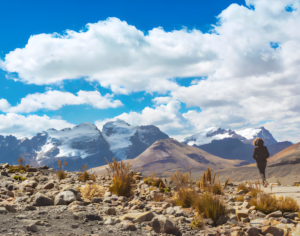
One of the most reassuring facts for beginners is that Kilimanjaro does not require mountaineering experience. There is no rock climbing, no glacier travel, and no advanced technical training needed. You walk all the way to the summit.
But this simplicity can be misleading.
The difficulty-of-climbing-Kilimanjaro does not come from technical complexity—it comes from altitude, duration, and mental stamina. Trekkers hike for 6 to 9 days, often for 6–8 hours daily, while gaining altitude quickly. This slow accumulation of fatigue is what makes the climb challenging, even for fit individuals.
Altitude: The Biggest Challenge on Kilimanjaro
If there is one factor that defines the difficulty of climbing Kilimanjaro, it is altitude sickness. At nearly 6,000 meters, Kilimanjaro rises higher than most people have ever experienced. Oxygen levels at the summit are nearly 50% lower than at sea level.
Common altitude symptoms include:
Headaches
Nausea
Fatigue
Dizziness
Loss of appetite
What makes altitude dangerous is that fitness does not protect you from it. Even marathon runners can struggle, while less athletic trekkers sometimes succeed. The only real defense is proper acclimatization, which depends heavily on route choice and pacing. For more info visit here!
Route Choice and Its Impact on Difficulty
Not all Kilimanjaro routes are equal. Some are shorter and steeper, while others are longer but more forgiving.
Marangu Route: Often called the “Coca-Cola Route,” it is shorter and appears easier—but has lower success rates due to poor acclimatization.
Machame Route: More scenic and longer, offering better altitude adaptation.
Lemosho Route: One of the best for beginners due to gradual ascent and high success rates.
Rongai Route: Drier and quieter, suitable for those avoiding crowds.
Choosing the wrong route can dramatically increase the difficulty-of-climbing-Kilimanjaro, even for strong hikers. Longer routes may feel tougher at first but usually offer better chances of reaching the summit.
Physical Fitness: How Fit Do You Need to Be?
You do not need to be an athlete—but you must be prepared.
The climb involves:
Long trekking days
Steep ascents and descents
Walking on volcanic scree
Cold temperatures and strong winds
Cardio endurance, leg strength, and basic hiking experience go a long way. Training hikes, stair climbing, cycling, and strength workouts can significantly reduce the perceived difficulty of climbing Kilimanjaro.
However, mental fitness is just as important. The mountain tests patience, determination, and resilience—especially on summit night.
Summit Night: The Hardest Part of the Climb
Almost every climber agrees—summit night defines the entire experience.
Trekkers wake around midnight and hike for 6–8 hours in darkness, cold, and thin air. Each step feels heavy. Breathing becomes slow and deliberate. The trail zigzags endlessly toward the stars.
This is where the difficulty-of-climbing-Kilimanjaro peaks.
Temperatures can drop below -15°C (5°F), and exhaustion is intense. But as dawn breaks and the sky turns gold and crimson, the pain fades. Reaching Uhuru Peak at sunrise is emotional, surreal, and unforgettable.
Weather Conditions and Environmental Challenges
Kilimanjaro is a mountain of extremes. In one climb, trekkers experience:
Tropical heat
Rain and mud
Dry alpine air
Freezing summit winds
Sudden weather changes add another layer to the difficulty of climbing Kilimanjaro. Rain can make trails slippery, while wind chill near the summit can feel brutal. Proper clothing and layering are essential for comfort and safety.
Mental Strength: The Hidden Factor
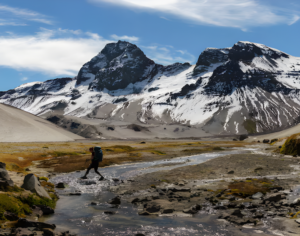
Many climbers underestimate the psychological aspect. The mountain is not rushed. Progress is slow. Fatigue builds quietly.
Moments of doubt are common:
“Am I strong enough?”
“Why is this so hard?”
“Should I turn back?”
Those who succeed are often not the strongest—but the most patient and mentally prepared. Staying positive, trusting your guides, and taking one step at a time makes a remarkable difference.
Is Kilimanjaro Harder Than Other Treks?
Compared to Everest Base Camp or Mount Fuji, Kilimanjaro is higher and more physically demanding due to altitude gain in a short time. However, it is easier than technical peaks like Mount Rainier or Mont Blanc.
The difficulty of climbing Kilimanjaro sits in a unique space—it is accessible, but never easy. That balance is what makes it so appealing to first-time high-altitude trekkers.
How to Reduce the Difficulty of Climbing Kilimanjaro
While the mountain cannot be changed, your preparation can.
Key tips:
Choose a longer route
Walk slowly (“pole pole”)
Stay hydrated
Eat regularly
Train months in advance
Listen to your guides
These steps significantly reduce the difficulty-of-climbing-Kilimanjaro and improve summit success rates.
FAQs: Difficulty-of-Climbing-Kilimanjaro
Q1. Is the difficulty of climbing Kilimanjaro suitable for beginners?
A: Yes, beginners can climb Kilimanjaro successfully if they choose the right route, allow enough days for acclimatization, and prepare physically. The challenge is altitude, not technical skill.
Q2. What makes the difficulty of climbing Kilimanjaro so challenging?
A: The main challenge is high altitude, which reduces oxygen levels. Long trekking days, cold temperatures, and summit night fatigue also add to the difficulty.
Q3. Do you need technical climbing skills for Kilimanjaro?
A: No, Kilimanjaro is a trekking mountain. No ropes or climbing experience are required, but endurance and mental strength are essential.
Q4. Which route has the lowest difficulty of climbing Kilimanjaro?
A: Routes like Lemosho and Machame are considered easier due to better acclimatization profiles and higher summit success rates.
Q5. How can I reduce the difficulty of climbing Kilimanjaro?
A: You can reduce difficulty by training in advance, walking slowly, staying hydrated, choosing a longer route, and listening closely to your guides.
Final Thoughts: Is Kilimanjaro Worth the Challenge?
Absolutely, the climb is demanding, emotional, and exhausting—but also empowering. The difficulty of climbing Kilimanjaro is what makes standing on Africa’s highest point so meaningful. Every ache, every breath, and every step leads to a moment that stays with you forever.
With realistic expectations, proper preparation, and the right mindset, Kilimanjaro is not just climbable—it is conquerable.