Climbing Mt Kilimanjaro difficulty is a dream adventure for many, but understanding the difficulty of the journey is crucial for every aspiring trekker. Rising majestically to 5,895 meters, Kilimanjaro is the highest peak in Africa, attracting adventurers from around the world. While it’s not a technical climb requiring advanced mountaineering skills, the challenge lies in the altitude, unpredictable weather, and the physical endurance needed to reach the summit. Trekkers often underestimate the effects of high-altitude sickness, long trekking hours, and rapidly changing conditions, which can make the climb more demanding than expected.
The difficulty also varies depending on the chosen route, pace, and personal fitness levels. Some routes are longer but provide better acclimatization, while others are shorter but more physically taxing. Proper preparation, including cardiovascular training, strength exercises, and mental readiness, can make the difference between a successful summit and a tough struggle. Understanding the real challenges of climbing Mt Kilimanjaro difficulty ensures that adventurers are fully prepared to embrace this life-changing experience safely and confidently.
Understanding the Challenge
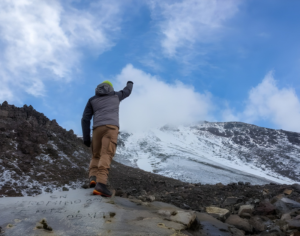
Many first-time trekkers are surprised by the unique challenges of climbing Kilimanjaro. The difficulty is not just about physical strength—it’s mostly about acclimatization to high altitude. Altitude sickness, caused by reduced oxygen at higher elevations, is the most common obstacle on the trek. Symptoms like headaches, nausea, and fatigue can slow your progress or, in severe cases, prevent you from reaching the summit.
Another factor is the length and intensity of the trek. Depending on the chosen route, trekkers may walk 5–8 hours per day for 5–9 days, often on steep, rocky trails. Even the easiest paths require stamina, persistence, and careful pacing. For more info visit here!
Routes and Their Impact on Difficulty
The difficulty of climbing Kilimanjaro varies depending on the route you choose:
-
Marangu Route – Known as the “Coca-Cola Route,” it is the most popular but offers limited acclimatization, making altitude sickness a common issue.
-
Machame Route – A longer, scenic route with better acclimatization chances, suitable for those looking for a moderate-to-challenging trek.
-
Lemosho and Rongai Routes – Less crowded and longer, providing more gradual ascent and improving summit success.
-
Umbwe Route – The most difficult, steep, and recommended for experienced trekkers seeking a tough challenge.
Each route presents its own combination of physical exertion, altitude gain, and scenic beauty, allowing trekkers to select based on their fitness and experience.
Physical Preparation for the Climb
Even though Kilimanjaro is non-technical, physical preparation is key to managing the climb difficulty. Cardiovascular training, like running, cycling, or swimming, improves stamina. Strength training, especially for legs and core, helps handle steep trails and heavy backpacks. Long hikes with gradually increasing elevation are highly recommended to simulate real conditions.
Mental preparation is equally important. Trekking for hours in challenging conditions requires persistence, patience, and a positive mindset. Being mentally ready can significantly improve your experience and chances of summiting.
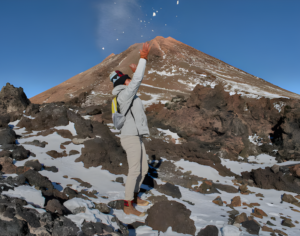
Tips to Handle Kilimanjaro Difficulty
-
Acclimatize Properly – Choose routes with a slower ascent or extra days to reduce the risk of altitude sickness.
-
Stay Hydrated – Drink plenty of water throughout the trek to maintain energy levels and reduce altitude effects.
-
Pace Yourself – Avoid rushing. A steady, slow pace is more effective than trying to move fast.
-
Pack Smart – Layers, warm clothing, proper trekking boots, and essentials like trekking poles are crucial.
-
Listen to Your Body – Take breaks when needed, and don’t ignore warning signs of altitude sickness.
FAQs About Climbing Mt Kilimanjaro Difficulty
Q1. How climbing Mt Kilimanjaro difficulty for beginners?
A: While Kilimanjaro is non-technical and doesn’t require mountaineering skills, beginners may find the altitude and long trekking days challenging. Proper preparation, gradual acclimatization, and choosing a longer route like Lemosho or Machame can increase the chances of a successful summit.
Q2. Which route is the easiest to climb Kilimanjaro?
A: The Marangu Route is considered the easiest due to its gradual paths and availability of huts. However, it has less acclimatization time, so altitude sickness is still possible. Longer routes like Lemosho or Machame provide better acclimatization and higher summit success.
Q3. How can I prepare physically for Kilimanjaro?
A: Focus on cardiovascular exercises like running, cycling, or swimming, combined with leg and core strength training. Regular hiking with a loaded backpack helps simulate trekking conditions. Mental preparation and pacing are equally important.
Q4. Is altitude sickness a big problem on Kilimanjaro?
A: Yes, altitude sickness is the most common challenge. Symptoms include headaches, nausea, and fatigue. Gradual ascent, hydration, and listening to your body can significantly reduce the risk.
Q5. How long does it take to climb Mt Kilimanjaro?
A: The climb typically takes 5–9 days depending on the route. Longer routes provide better acclimatization and higher chances of reaching the summit safely. Daily trekking usually ranges from 5–8 hours.
Final Thoughts
Climbing Mt Kilimanjaro difficulty is a physically and mentally rewarding adventure. While the climb is not technically difficult, the combination of high altitude, long trekking hours, and unpredictable weather makes it a serious challenge. Proper preparation, choosing the right route, and understanding the climb’s difficulty can ensure a safe and successful summit. Every step towards Uhuru Peak is not just a physical achievement—it’s a life-changing experience that stays with you forever.