

Climbing Mount Kilimanjaro is a dream for many adventure seekers, but one question dominates every climber’s mind before committing to the journey: how difficult is it really? Standing at 5,895 meters, Kilimanjaro is Africa’s highest peak and the world’s tallest free-standing mountain. While it does not require technical climbing skills, the challenge lies in a combination of altitude, endurance, and mental strength rather than ropes or ice axes. This unique mix often surprises first-time trekkers who assume the climb is either extremely easy or impossibly hard.
The climbing Mount Kilimanjaro difficulty varies from person to person, depending on fitness level, acclimatization, route choice, and preparation. Long trekking days, steep summit night ascents, cold temperatures, and thin air push both the body and mind to their limits. Altitude sickness is the most common obstacle, even for physically fit hikers, making proper pacing and rest essential for success.
Understanding what makes Kilimanjaro challenging is the key to proper planning and realistic expectations. With the right mindset, training, and route selection, thousands of climbers from all backgrounds reach the summit every year—proving that while Kilimanjaro is tough, it is far from impossible.
What Truly Defines Climbing Mount Kilimanjaro Difficulty?
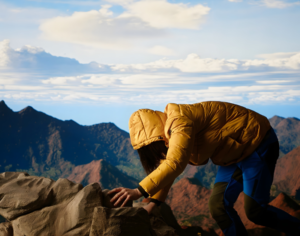
Many people assume that climbing Mount Kilimanjaro is easy because it doesn’t involve ropes or technical mountaineering. In reality, climbing Mount Kilimanjaro difficulty comes from a powerful mix of altitude, endurance, weather, and mental strength. The mountain slowly drains your energy over several days, making it more challenging than it looks on paper.
Unlike short treks, Kilimanjaro requires consistency. Walking for hours every day at increasing altitude puts constant pressure on your body. The difficulty builds gradually, which is why many climbers only realize how hard it is near the summit.
Altitude: The Core Reason Kilimanjaro Feels So Hard
Altitude is the number one factor behind climbing Mount Kilimanjaro difficulty. As you go higher, oxygen levels drop, forcing your body to work harder for every step. Above 4,000 meters, even fit hikers feel slow and breathless.
Altitude sickness does not discriminate. It can affect beginners, athletes, and experienced trekkers alike. Headaches, nausea, fatigue, and dizziness are common signs. Without proper acclimatization, reaching the summit becomes extremely difficult. For more info visit here!
This is why slow ascent and rest days are essential. The mountain rewards patience, not speed.
Physical Demands: How Tough Is the Trekking Itself?
From a physical standpoint, climbing Mount Kilimanjaro difficulty lies in endurance rather than strength. Most days involve 6 to 8 hours of hiking across rocky paths, steep slopes, and uneven ground.
Summit day is the most demanding, often lasting 12 to 14 hours. The combination of thin air, cold temperatures, and exhaustion makes even simple steps feel heavy. Training your legs, lungs, and stamina before the climb dramatically reduces overall difficulty.
Mental Strength: The Challenge No One Talks About
Mental fatigue plays a huge role in climbing Mount Kilimanjaro difficulty. Repetitive days, basic camp conditions, cold nights, and lack of sleep slowly test your mindset. Many climbers are physically capable but mentally overwhelmed.
Summit night is especially tough. Hiking in darkness, fighting cold winds, and pushing through exhaustion requires determination. Those who stay mentally strong often succeed even when their bodies feel empty.
Weather Extremes Increase the Difficulty
One unique aspect of climbing Mount Kilimanjaro difficulty is experiencing multiple climates in a single trek. You start in warm rainforest conditions and finish in freezing alpine weather.
Temperatures on summit night can drop to -15°C or lower. Cold air, wind chill, and snow significantly increase the challenge. Without proper clothing and layering, the climb becomes unnecessarily hard and uncomfortable.
Route Selection and Its Impact on Difficulty Level
Your chosen route can either reduce or increase climbing Mount Kilimanjaro difficulty. Shorter routes may seem easier, but they allow less time for altitude adaptation, making them harder overall.
Longer routes like Lemosho or the Northern Circuit give your body more time to adjust, increasing summit success rates. Steeper routes such as Machame are physically demanding but still manageable with good pacing.
Choosing the right route is one of the smartest ways to control difficulty.
Summit Night: The Peak of the Challenge
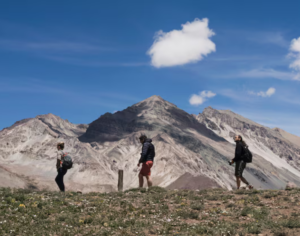
Summit night represents the highest point of climbing Mount Kilimanjaro difficulty. Starting around midnight, climbers face steep volcanic scree, freezing temperatures, and extreme altitude.
Each step feels slow and deliberate. The air is thin, motivation is tested, and fatigue peaks. Reaching Uhuru Peak at sunrise makes this struggle worthwhile, but there’s no denying that this is the hardest part of the entire journey.
Is Kilimanjaro Technically Difficult?
Technically speaking, Kilimanjaro is not difficult. There is no need for climbing ropes, ice tools, or mountaineering skills. However, technical simplicity does not reduce climbing Mount Kilimanjaro difficulty.
The real challenge lies in sustained effort, altitude adaptation, and mental endurance over multiple days.
Who Can Handle Climbing Mount Kilimanjaro Difficulty?
People of all ages successfully climb Kilimanjaro every year. Age matters far less than preparation, mindset, and health condition. Even first-time hikers can succeed if they train properly and choose the right itinerary.
Understanding climbing Mount Kilimanjaro difficulty before attempting the trek helps climbers set realistic expectations and prepare effectively.
How to Reduce Climbing Mount Kilimanjaro Difficulty
Although the mountain is challenging, there are proven ways to make the climb easier:
Choose a longer route with better acclimatization
Train for endurance, not speed
Walk slowly and consistently
Stay hydrated and eat regularly
Trust your guides and listen to your body
Proper preparation can turn climbing Mount Kilimanjaro difficulty into a manageable and rewarding challenge.
Conclusion: Is It Worth the Effort?
There is no doubt that climbing Mount Kilimanjaro difficulty is real. The mountain pushes your physical limits, tests your mental strength, and demands patience. However, that same difficulty is what makes standing on Africa’s highest point so meaningful.
For those who prepare well, Kilimanjaro is not impossible — it is achievable, unforgettable, and life-changing.