Standing tall above the African plains, Mount Kilimanjaro is more than just a mountain — it’s a dream, a challenge, and a personal test wrapped into one unforgettable journey. For many adventurers, the first question isn’t whether Kilimanjaro is beautiful, but how hard it really is to climb. The truth is, the climbing Kilimanjaro difficulty doesn’t come from technical mountaineering skills, but from a powerful mix of altitude, endurance, and mental strength.
Unlike steep, rope-filled peaks, Kilimanjaro is a walk-up mountain, which often gives climbers a false sense of ease. Day after day, trekkers face long hiking hours, thin air, changing temperatures, and a slow battle against altitude sickness. As oxygen levels drop, even the simplest steps can feel exhausting, turning the climb into a true test of patience and determination.
What makes the challenge even more fascinating is that people of all ages and backgrounds successfully reach the summit every year. With the right preparation, pacing, and mindset, this iconic trek becomes achievable — yet never easy. Understanding what truly makes Kilimanjaro difficult is the first step toward deciding if you’re ready to stand on the Roof of Africa.
What Really Defines the Challenge of Kilimanjaro
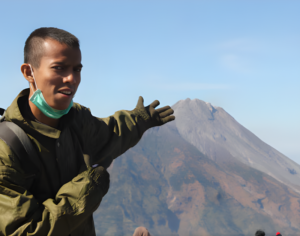
The climbing kilimanjaro difficulty lies in its deceptive simplicity. On paper, it’s a non-technical trek. In reality, it’s a multi-day ascent to nearly 6,000 meters, where oxygen levels drop to about 50% of what you’re used to at sea level. There are no shortcuts. Every step upward asks your body and mind to adapt.
Unlike other famous peaks, Kilimanjaro doesn’t allow quick ascents. Success depends on pacing, acclimatization, and listening to your body. The mountain doesn’t defeat you with steep cliffs—it wears you down slowly, testing your patience and preparation.
Altitude: The Silent Force Above the Clouds
If there is one element that defines the climbing kilimanjaro difficulty, it is altitude. As you climb higher, the air thins, your heart beats faster, and simple tasks feel surprisingly exhausting. Many climbers experience altitude-related symptoms such as headaches, nausea, dizziness, or insomnia.
What makes altitude so challenging is its unpredictability. You might feel strong one hour and completely drained the next. The summit night, in particular, is a true battle. Climbers start around midnight, walking in darkness toward Uhuru Peak as icy winds cut through layers and oxygen feels painfully scarce. Each step becomes a small victory. For more info visit here!
Yet, altitude doesn’t discriminate. With proper acclimatization, slow ascent, and hydration, many people overcome it and reach the top.
Physical Endurance: A Long-Distance Test
Another major factor in climbing kilimanjaro difficulty is endurance. This is not a single hard day—it’s a series of long trekking days, often lasting 6 to 8 hours, repeated over nearly a week. While the trails are generally well-defined, the constant up-and-down terrain gradually wears on legs, knees, and lower back.
You don’t need to be an elite athlete, but you do need consistency. Long hikes, stair climbing, and cardiovascular training before the trip can make a dramatic difference. Fatigue accumulates quietly, and those who underestimate it often struggle more than expected.
Kilimanjaro rewards steady walkers, not sprinters.
The Mental Battle Above 4,000 Meters
The mountain doesn’t only challenge your body—it challenges your mind. The climbing kilimanjaro difficulty increases as isolation grows and comfort fades. Cold mornings, basic camp conditions, and limited sleep can affect morale. Summit night especially becomes a psychological test, where doubt whispers with every step.
This is where mindset matters. Breaking the climb into small goals—one step, one breath, one hour—can carry you forward. Many climbers say the mental challenge was harder than the physical one. Reaching the summit is often less about strength and more about stubborn determination.
Routes Matter: Choosing Your Path Wisely
The climbing kilimanjaro difficulty can change significantly depending on the route you choose. Some routes are steeper but shorter, while others are longer and designed for better acclimatization.
-
Marangu Route: Often called the “Coca-Cola Route,” it’s shorter but has a lower success rate due to faster ascent.
-
Machame Route: Scenic and popular, offering better acclimatization but more challenging daily climbs.
-
Lemosho Route: Longer and quieter, known for higher summit success rates and stunning views.
Choosing the right route can mean the difference between struggling and thriving on the mountain.
Weather: From Equator to Arctic
Few places on Earth take you through so many climate zones in such a short time. During the climb, temperatures can swing from warm tropical heat to freezing alpine cold. Wind, snow, and sudden weather changes add another layer to the climbing kilimanjaro difficulty.
Proper gear is essential—not just for comfort, but for safety. Layering, quality boots, and protection against cold winds can dramatically improve your experience, especially during the final ascent.
Who Can Climb Kilimanjaro Successfully?
Despite its challenges, the climbing kilimanjaro difficulty does not limit success to elite mountaineers. People from diverse backgrounds, ages, and fitness levels reach the summit every year. What they share is preparation, patience, and respect for the mountain.
If you can walk for several hours a day, follow a slow pace, and maintain a positive mindset, Kilimanjaro is within reach. It’s less about being fearless and more about being prepared.
Preparation: Turning Difficulty into Achievement
The final key to managing the climbing kilimanjaro difficulty is preparation. Physical training, mental readiness, and realistic expectations transform the climb from overwhelming to empowering. Learn about altitude, train consistently, choose a reputable operator, and give yourself enough time on the mountain.
When preparation meets perseverance, Kilimanjaro becomes more than a challenge—it becomes a life-defining achievement.
Frequently Asked Questions (FAQs)
Q1. How hard is climbing Mount Kilimanjaro for beginners?
A: Climbing Mount Kilimanjaro is challenging but achievable for beginners with proper preparation. The climbing kilimanjaro difficulty comes mainly from altitude and endurance rather than technical climbing skills. With good fitness, a slow pace, and enough acclimatization days, first-time climbers can successfully reach the summit.
Q2. Do I need technical climbing experience to climb Kilimanjaro?
A: No, technical climbing experience is not required. Kilimanjaro is a trekking mountain with well-marked trails. However, the climbing kilimanjaro difficulty lies in long hiking days, thin air, and cold temperatures, which require physical and mental readiness.
Q3. What is the hardest part of climbing Kilimanjaro?
A: The most difficult part is usually summit night. Climbers face freezing temperatures, strong winds, extreme altitude, and exhaustion while hiking in the dark. This stage defines the true climbing kilimanjaro difficulty and demands strong determination.
Q4. How can I reduce the difficulty of climbing Kilimanjaro?
A: You can reduce the climbing kilimanjaro difficulty by choosing a longer route, ascending slowly, staying well-hydrated, and training in advance. Proper gear, rest, and listening to your guides also play a crucial role in success.
Q5. Is Kilimanjaro harder than other famous mountains?
A: Kilimanjaro is less technical than many high peaks, but its altitude makes it uniquely challenging. Compared to mountains that require ropes or climbing skills, the climbing kilimanjaro difficulty is more about endurance, altitude adaptation, and mental strength rather than technical expertise.
Final Thoughts: Is Kilimanjaro Hard? Yes—and That’s the Beauty of It
Climbing Mount Kilimanjaro is not easy, but that’s exactly why it’s so meaningful. The mountain strips life down to its essentials: movement, breath, and willpower. Each step toward the summit feels earned, and each sunrise feels more vivid than the last.
The climbing kilimanjaro difficulty is real, but it’s also what transforms the journey into a powerful personal story—one written above the clouds, on the Roof of Africa.