
Planning a wildlife adventure to Africa often begins with one important question: what is the best time to visit Tanzania for safari? Tanzania is home to some of the world’s most iconic national parks, including Serengeti, Ngorongoro Crater, Tarangire, and Lake Manyara, where breathtaking landscapes and extraordinary wildlife encounters await throughout the year. However, choosing the right season can make a remarkable difference in what you see, how comfortable you feel, and how memorable your safari experience becomes.
From the thunderous Great Migration crossing the Serengeti plains to close-up sightings of lions, elephants, and leopards, Tanzania offers unique wildlife moments in every season. Weather patterns, rainfall, and animal movements all play a role in shaping the safari experience, influencing everything from game viewing to travel costs and crowd levels. Some months are ideal for dramatic river crossings, while others offer lush scenery, fewer tourists, and excellent birdwatching opportunities.
Understanding the best time to visit Tanzania for safari helps travelers plan smarter, travel better, and witness nature at its most spectacular. In this guide, we explore Tanzania’s safari seasons in detail, helping you choose the perfect time for unforgettable wildlife encounters and once-in-a-lifetime African adventures.
Tanzania’s Safari Seasons Explained
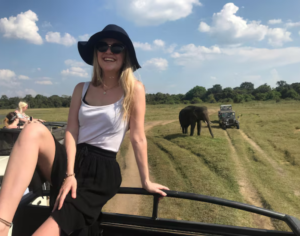
Unlike destinations with four clear seasons, Tanzania follows a rhythm defined by dry and wet periods. These seasonal shifts influence animal behavior, scenery, accessibility, and even safari prices.
Dry Season (June to October) – Peak Safari Magic
The dry season is widely considered the most rewarding time for wildlife viewing. With minimal rainfall, animals gather around rivers and waterholes, making sightings frequent and dramatic. Vegetation thins out, improving visibility across open plains and woodland areas.
This period is ideal for travelers seeking classic safari scenes—dust rising beneath herds of wildebeest, lions basking in the sun, and elephants moving in majestic silence. Many experts consider this the best time to visit Tanzania for safari if your goal is consistent game viewing and comfortable weather. For more info visit here!
Highlights of the dry season:
-
Exceptional wildlife concentration
-
Cooler temperatures and clear skies
-
Best time for first-time safari travelers
-
Ideal for photography and luxury safaris
The Great Migration: Nature’s Most Spectacular Drama
One of Tanzania’s greatest natural wonders is the Great Wildebeest Migration, involving over two million animals moving in search of fresh grazing land. This epic journey follows a circular route through the Serengeti ecosystem, and timing is everything.
June to July – River Crossing Tension
As herds move north, they face the perilous Grumeti River crossings. Crocodiles lurk beneath dark waters while wildebeest hesitate at the riverbanks—a moment packed with suspense and raw emotion.
August to September – Mara River Crossings
These months offer the most iconic migration scenes. Massive herds plunge into the Mara River, creating heart-pounding moments that define African safari dreams. For many travelers, this period represents the best time to visit Tanzania for safari if witnessing the migration is a top priority.
Green Season (November to March) – Beauty Beyond Expectations
Often overlooked, the green season reveals Tanzania at its most vibrant. Short rains refresh the land, transforming dry plains into emerald landscapes bursting with life. This season is especially popular among photographers, birdwatchers, and travelers seeking fewer crowds.
January to February – Calving Season Wonder
Southern Serengeti becomes a nursery as thousands of wildebeest calves are born each day. This attracts predators, resulting in thrilling wildlife interactions and dramatic hunts. Despite occasional showers, many seasoned travelers believe this period can rival peak season experiences.
Choosing the best time to visit Tanzania for safari doesn’t always mean following the crowds—sometimes it means discovering quieter moments filled with natural beauty and emotion.
Long Rains (March to May) – A Season for True Explorers
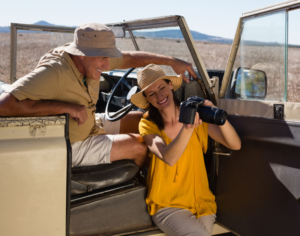
The long rains bring heavier showers, especially in April and May. Some lodges close temporarily, and certain roads become challenging. However, this is also the most peaceful time in the parks.
For travelers who value solitude, discounted safari rates, and lush scenery, this season holds a special charm. Wildlife remains abundant, skies turn dramatic, and landscapes feel untouched.
Best Time by Safari Destination
Serengeti National Park
The Serengeti offers year-round wildlife viewing. Migration timing determines the experience, but predators and resident animals never disappear.
Ngorongoro Crater
Game viewing remains excellent throughout the year. Dry months offer clearer views, while green months bring stunning scenery and fewer vehicles.
Tarangire National Park
Famous for elephants, Tarangire shines during the dry season when massive herds gather along the Tarangire River.
Lake Manyara National Park
Best during the green season, when birdlife explodes and the forest comes alive with color.
Understanding regional differences helps refine the best time to visit Tanzania for safari based on your preferred park and experience.
Weather and Comfort: What to Expect
Tanzania enjoys a pleasant climate year-round, with daytime temperatures averaging between 20°C and 30°C. Dry months offer cooler nights, while green months bring warmth and occasional rain.
For travelers prioritizing comfort, fewer insects, and clear skies, dry season months are often ideal. However, those who enjoy dramatic skies and fresh landscapes may prefer the green season.
Budget vs Luxury: Timing Your Safari Smartly
Peak safari months command higher prices due to demand, especially during migration season. Luxury lodges fill quickly, and early bookings are essential.
Green season travel offers excellent value, with lower accommodation costs and exclusive experiences. Choosing the best time to visit Tanzania for safari also depends on balancing budget, comfort, and expectations.
Photography and Cinematic Safari Moments
If photography is a priority, lighting conditions, animal behavior, and scenery all matter. Dry season offers dust-filled golden light and dramatic action shots, while green season delivers rich colors, reflections, and softer light.
Each season paints Tanzania in a different cinematic tone—whether it’s golden savannahs at sunset or rain-washed plains under stormy skies.
Frequently asked questions (FAQs)
Q1. What is the best time to visit Tanzania for safari?
A: The best time to visit Tanzania for safari is during the dry season from June to October. Wildlife gathers around water sources, vegetation is thinner, and game viewing is at its best. This period is ideal for first-time safari travelers and classic wildlife experiences.
Q2. When can I see the Great Migration in Tanzania?
A: The Great Migration can be seen year-round in different parts of the Serengeti. River crossings usually occur between July and September, while calving season takes place from January to February in the southern Serengeti.
Q3. Is Tanzania good for safari during the rainy season?
A: Yes, Tanzania remains excellent for safari during the green season. From November to March, landscapes are lush, crowds are fewer, and birdlife is exceptional. Wildlife viewing is still rewarding, especially for photographers and experienced travelers.
Q4. What is the cheapest time to visit Tanzania for safari?
A: The most affordable time to visit Tanzania is during the long rainy season from March to May. Many lodges offer lower rates, and parks are quieter, making it a great option for budget-conscious travelers seeking a peaceful safari.
Q5. Can I go on a safari in Tanzania all year round?
A: Absolutely. Tanzania offers year-round safari opportunities. Each season provides a unique experience, so choosing the right time depends on your interests, whether it’s migration sightings, photography, budget travel, or avoiding crowds.
So, When Is the Best Time Really?
There is no single perfect answer. The best time to visit Tanzania for safari depends on what moves you—whether it’s witnessing river crossings, avoiding crowds, capturing stunning photographs, or traveling on a budget.
For first-time visitors and classic safari experiences, June to October is ideal. For photographers and seasoned travelers, January to March offers unforgettable moments. For explorers seeking peace and value, the green season reveals Tanzania’s softer, more intimate side.
No matter when you go, Tanzania delivers something rare: a deep connection to nature that stays with you long after the journey ends.