
Planning a safari in Tanzania is more than just choosing a destination — it’s about choosing the moment when nature performs at its absolute best. The Best Time for African Safari Tanzania depends on what kind of magic you want to witness: vast golden plains filled with roaming herds, dramatic river crossings during the Great Migration, or intimate wildlife encounters beneath endless blue skies. Every season in Tanzania tells a different story, and timing your journey well can turn a great safari into a once-in-a-lifetime experience.
From the iconic Serengeti and the breathtaking Ngorongoro Crater to the remote beauty of Tarangire and Ruaha, Tanzania offers unmatched wildlife diversity throughout the year. However, changes in rainfall, vegetation, and animal movement deeply influence visibility and safari experiences. Knowing when to go means seeing predators in action, newborn calves taking their first steps, and landscapes glowing under perfect safari light.
This guide explores the Best-Time-for-African-Safari-Tanzania by breaking down seasons, wildlife behavior, and travel conditions in simple, practical terms. Whether you’re dreaming of the Great Migration, planning a family adventure, or seeking a quieter, crowd-free safari, understanding the right timing will help you experience Africa at its most raw, wild, and unforgettable.
Understanding Tanzania’s Safari Seasons
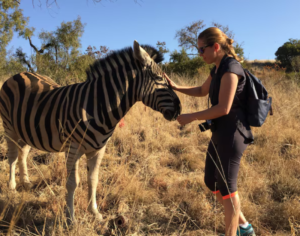
Tanzania’s climate follows two main patterns: dry seasons and wet (green) seasons. These shifts influence wildlife visibility, road conditions, and overall safari atmosphere.
While animals never disappear, timing determines how easily you see them, how dramatic the landscapes appear, and how comfortable your journey feels.
Dry Season (June to October): Peak Safari Perfection
The dry season is widely regarded as the Best Time for African Safari Tanzania for travelers seeking classic wildlife encounters and crystal-clear viewing.
Why the Dry Season Is So Special
-
Sparse vegetation makes animals easier to spot
-
Wildlife gathers around rivers and waterholes
-
Minimal rainfall means smoother game drives
-
Cooler mornings and warm, golden afternoons
This is when Tanzania feels cinematic — dust rising behind herds, lions resting in open plains, and giraffes moving gracefully across glowing landscapes.
The Great Migration River Crossings
From July to September, the Serengeti becomes the epicenter of one of Earth’s greatest natural spectacles. Massive herds of wildebeest and zebra brave crocodile-infested rivers in scenes filled with tension, movement, and raw survival. For many travelers, witnessing this moment defines the Best-Time-for-African-Safari-Tanzania. For more info visit here!
Green Season (November to March): Beauty, Birth, and Drama
The green season is often underestimated, yet it offers a deeply rewarding and visually stunning safari experience.
Why the Green Season Is Magical
-
Landscapes turn emerald green
-
Fewer tourists create a peaceful atmosphere
-
Migratory birds fill the skies with color
-
Lower safari costs and excellent photography light
This season transforms Tanzania into a lush paradise, where storms roll across the plains and sunsets explode in dramatic colors.
Calving Season: Life Begins on the Plains
Between January and February, the southern Serengeti becomes a nursery. Thousands of wildebeest calves are born within weeks, attracting predators in large numbers. This creates intense wildlife interactions and constant action, making it another contender for the Best Time for African Safari Tanzania — especially for photographers and wildlife enthusiasts.
Short Rains (November & December): A Balanced Safari Window
Short rains bring brief showers rather than constant rainfall. Safari routes remain accessible, and wildlife stays active.
This period is ideal for travelers who want:
-
Fewer crowds
-
Fresh landscapes
-
Comfortable temperatures
-
Excellent value for money
For those seeking balance, this window quietly qualifies as a smart Best Time for African Safari Tanzania choice.
Worst Time? Or Just a Different Experience? (April & May)
April and May bring long rains, often labeled as “low season.” While some lodges close due to muddy conditions, this time still holds unique charm.
What to Expect
-
Dramatic skies and moody landscapes
-
Extremely low visitor numbers
-
Significant discounts on luxury lodges
-
Rich photographic atmosphere
While not ideal for first-time visitors, adventurous travelers and seasoned photographers may find beauty even here.
Best Time by Safari Destination
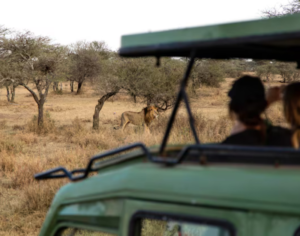
Different parks shine at different times, making Tanzania incredibly diverse year-round.
Serengeti National Park
-
June–October: Migration river crossings
-
January–February: Calving season
Ngorongoro Crater
-
Excellent year-round
-
Dry months offer clearer visibility
Tarangire National Park
-
June–October for elephant concentrations
Ruaha & Selous (Nyerere)
-
Dry season for remote, uncrowded safaris
Each region adds a new layer to the story, reinforcing that the Best Time for African Safari Tanzania depends on what you want to experience most.
Best Time for Photography Lovers
Photographers often favor shoulder seasons when:
-
Light is softer
-
Landscapes are greener
-
Dust is minimal
Early mornings during dry months offer golden hues, while green season skies add drama and emotion to every frame. If storytelling through images is your goal, timing becomes everything — another reason travelers carefully consider the Best Time for African Safari Tanzania.
Best Time for Families and First-Time Safari Travelers
For comfort, safety, and predictability:
-
June to October is ideal
-
Wildlife is easier to spot
-
Roads are smooth
-
Weather is stable
This period provides a stress-free introduction to safari life and remains the most recommended Best Time for African Safari Tanzania for beginners.
Best Time for Budget Travelers
Travelers on a budget can enjoy:
-
Lower lodge rates
-
Fewer crowds
-
Flexible itineraries
Green season safaris deliver exceptional value while maintaining rich wildlife experiences. With smart planning, the Best Time for African Safari Tanzania doesn’t have to mean peak prices.
Safari Timing and Zanzibar Beach Extension
Many travelers combine safari with Zanzibar. The best overlap occurs:
-
June to October
-
January to February
Dry weather on the mainland pairs perfectly with calm turquoise waters on the coast, creating a seamless journey from wilderness to relaxation — another reason these months define the Best Time for African Safari Tanzania.
Final Thoughts
There is no single answer that fits everyone. Tanzania shifts its personality with the seasons — sometimes bold and dramatic, sometimes soft and peaceful. Whether you chase the thunder of the Great Migration, the quiet intimacy of green landscapes, or golden savannahs under endless skies, the experience becomes unforgettable when timing aligns with intention.
Understanding the seasons allows you to step into Tanzania at its most alive. Choose wisely, plan thoughtfully, and let nature reveal why the Best Time for African Safari Tanzania is not just about months on a calendar — it’s about moments that stay with you forever.