Tarangire National Park

Step into the wild soul of Tanzania with a visit to Tarangire National Park, a hidden gem often overlooked but unforgettable to those who visit. Known for its giant elephant herds, ancient baobab trees, and seasonal migration, Tarangire is a place where the rhythm of Africa still beats strong.

Located just two hours from Arusha, this park is a perfect first stop on a northern circuit safari — and one of the best places in East Africa to truly get off the beaten path.
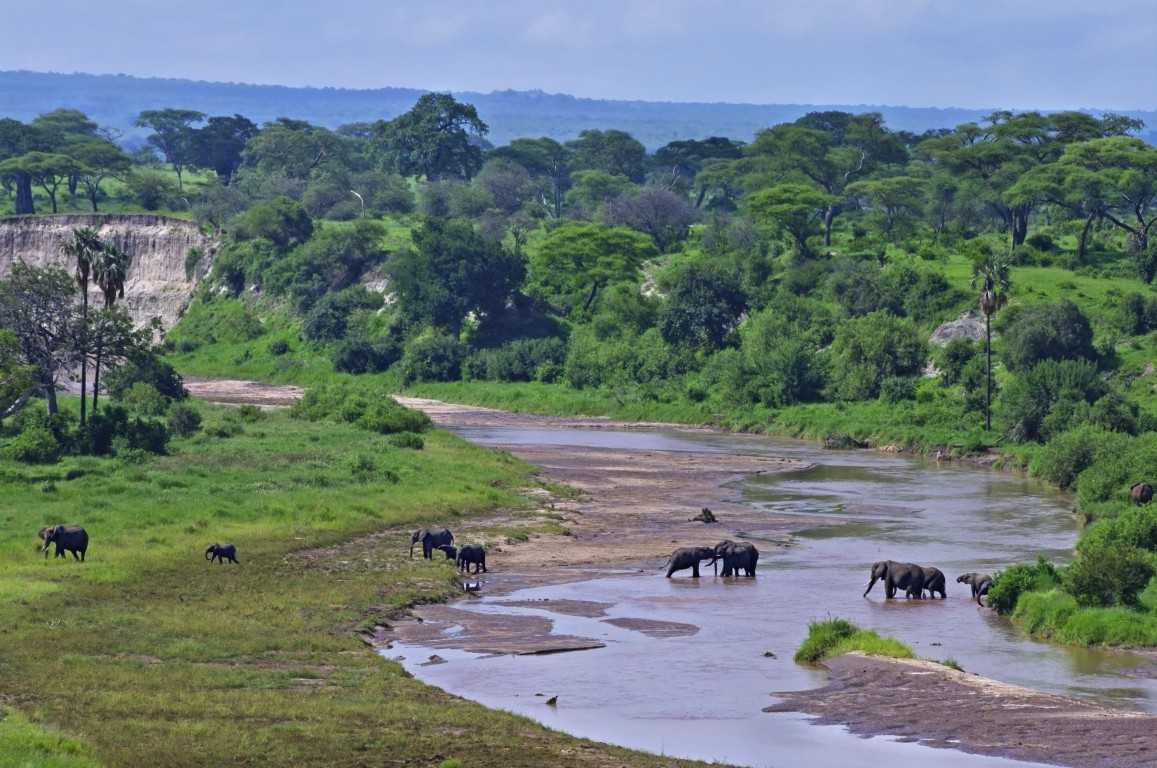
What Makes Tarangire National Park Special?

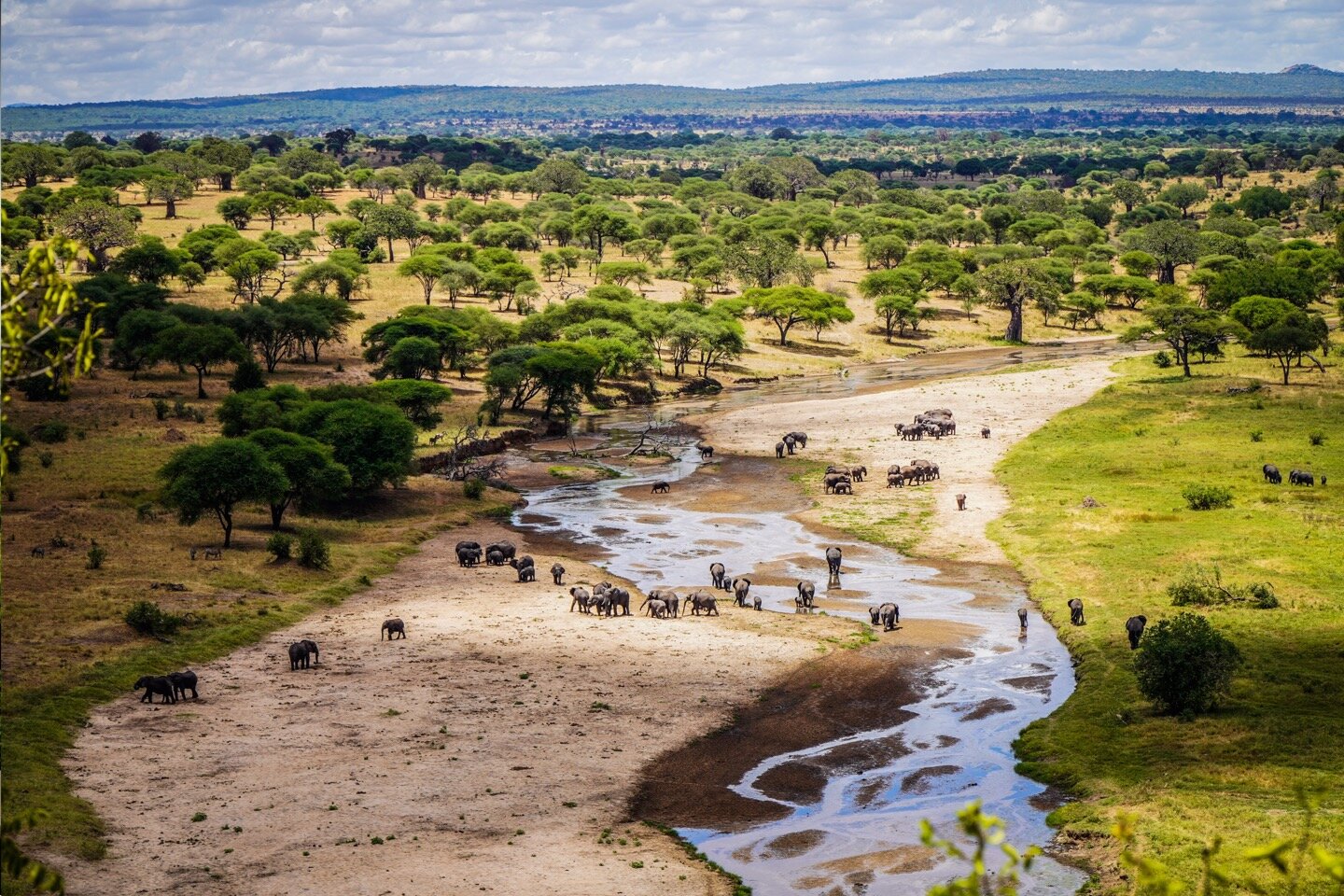
Tarangire is often called “Tanzania’s best-kept secret” — and for good reason. This vast ecosystem covers around 2,850 km² (1,100 sq mi) and is named after the life-giving Tarangire River that cuts through the park, attracting wildlife in droves during the dry season.

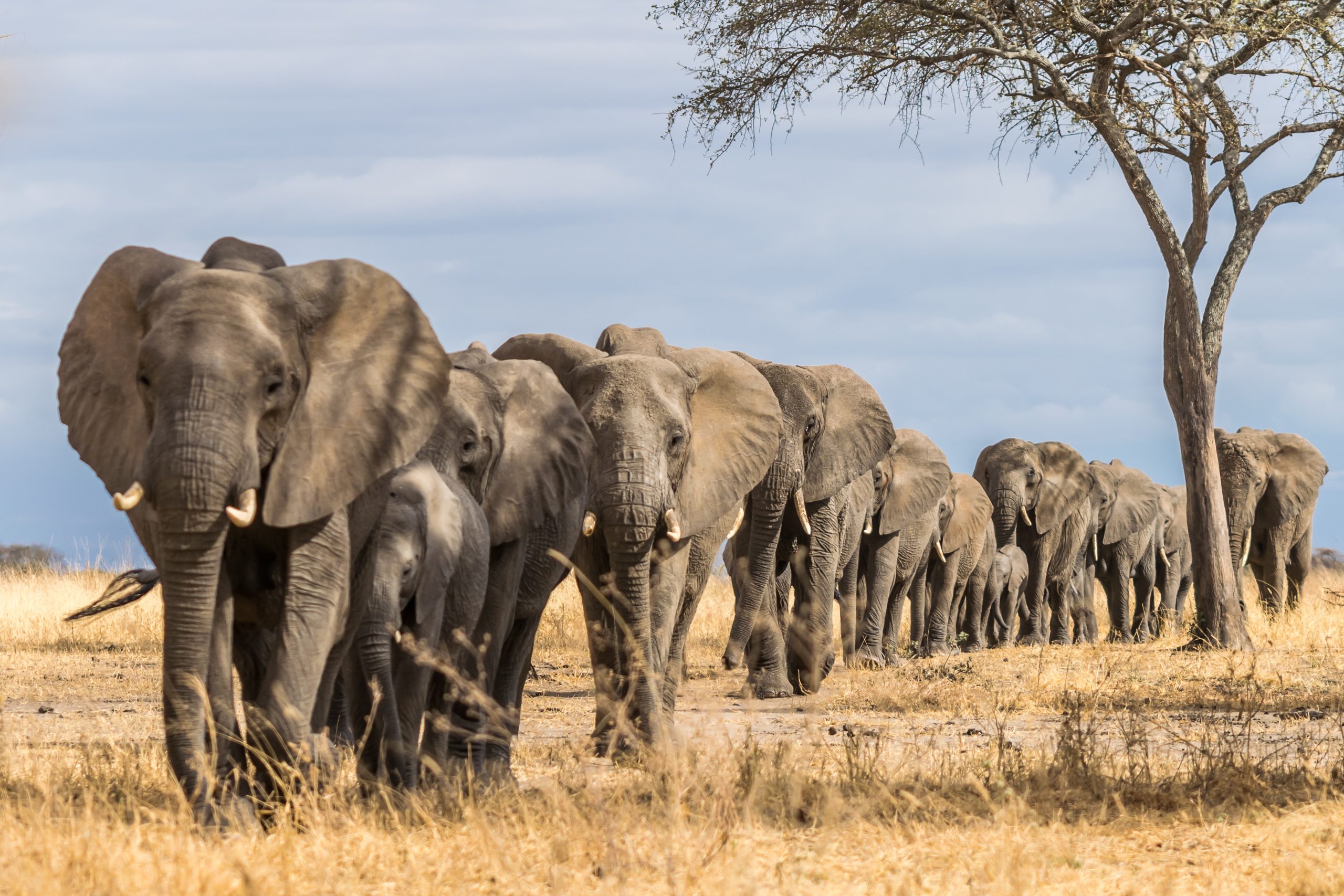
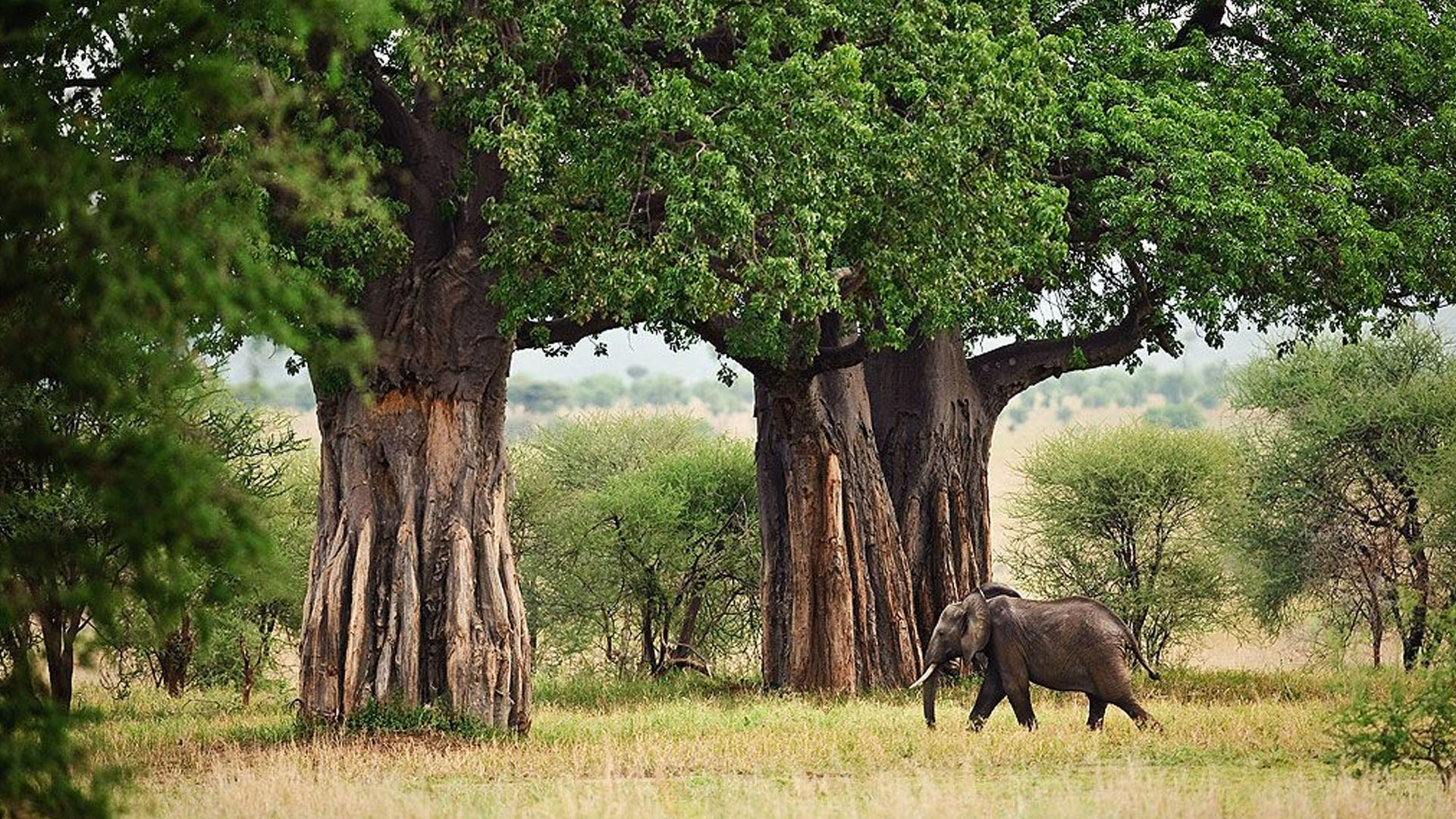
The park is famous for hosting the largest elephant population in northern Tanzania, with herds often numbering over 100 individuals. Add to that the striking baobab trees, open savannahs, woodlands, and seasonal swamps, and you have one of the most diverse landscapes in the region.

Safari Activities in Tarangire

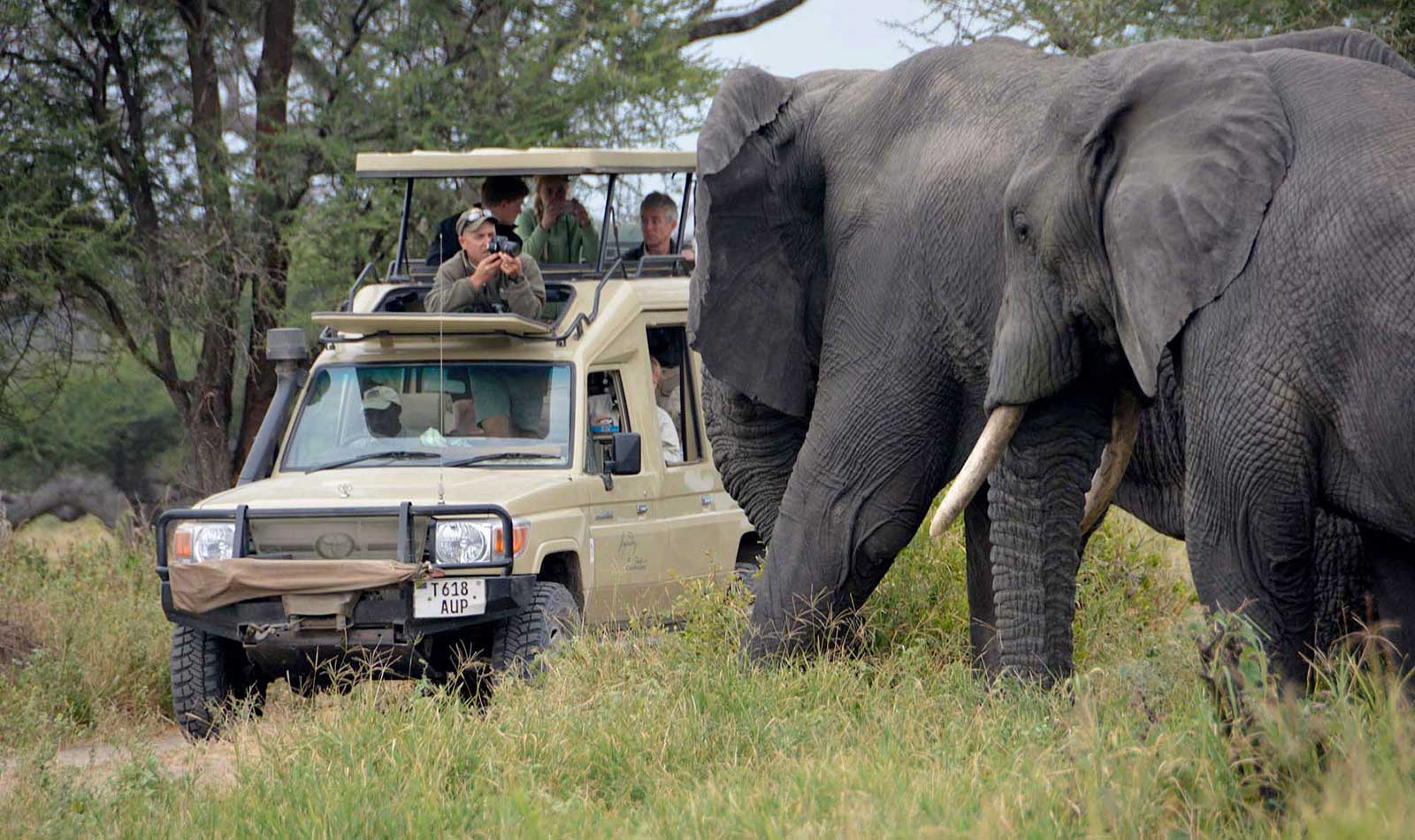
  • Game Drives – Full-day or half-day safaris to explore the river valleys and woodlands

  • Sunset Game Viewing – Evening light makes for stunning photos

  • Walking Safaris (select lodges) – Get closer to nature on foot with an armed ranger

  • Cultural Visits – Meet Maasai or Datoga tribes in nearby communities

  • Bird Watching – Year-round paradise for twitchers

How to Get to Tarangire National Park

Getting to Tarangire is quick and easy — perfect for the start of a Tanzania safari.

  • From Arusha: ~2 hours (120 km) by road

  • From Lake Manyara: ~1.5 hours

  • From Ngorongoro Crater: ~3 hours

  • From Serengeti (Central): ~6 hours (via Karatu)

  • By Air: Flights land at Kuro Airstrip, ~15–20 minutes from major camps

Where to Stay in Tarangire

Tarangire offers a great mix of mid-range and luxury lodges, many with river views or nestled under baobab trees.

Recommended Luxury Lodges:

  • Tarangire Treetops by Elewana – Elevated rooms in the treetops with magical views

  • Lemala Mpingo Ridge – Stylish hilltop retreat with infinity pool and spa

  • Sanctuary Swala Camp – Remote, intimate, and elegant

Recommended Mid-Range Lodges:

  • Baobab Tented Camp – Comfortable and affordable with close wildlife access

  • Tarangire Simba Lodge – Eco-luxury next to the park border with waterhole views

  • Sangaiwe Tented Lodge – Great value and spectacular views of Lake Burunge

Best Time to Visit Tarangire

The dry season (June to October) is hands-down the best time for wildlife sightings. During this time, the Tarangire River becomes a lifeline, drawing huge numbers of animals for unforgettable game viewing.

Month-by-Month Highlights:

  • June–October: Peak season for elephants, predators, and large herds

  • November–March: Beautiful green landscapes, baby animals, and fewer crowds

  • April–May: Rainy season — some lodges close, but birding is fantastic

Should You Add Tarangire to Your Itinerary?

Absolutely — especially if you:

  • Love elephants and want to see big herds up close

  • Are starting your safari in Arusha and want a soft, scenic introduction

  • Enjoy off-the-beaten-path locations without the Serengeti crowds

  • Are a birder or photographer — this park is heaven for both!

Combine Tarangire with:

  • Lake Manyara and Ngorongoro on a 4–5 day short safari

  • A full Northern Tanzania circuit including Serengeti and Zanzibar

Most common animals

  • Elephants – large herds, often up-close sightings
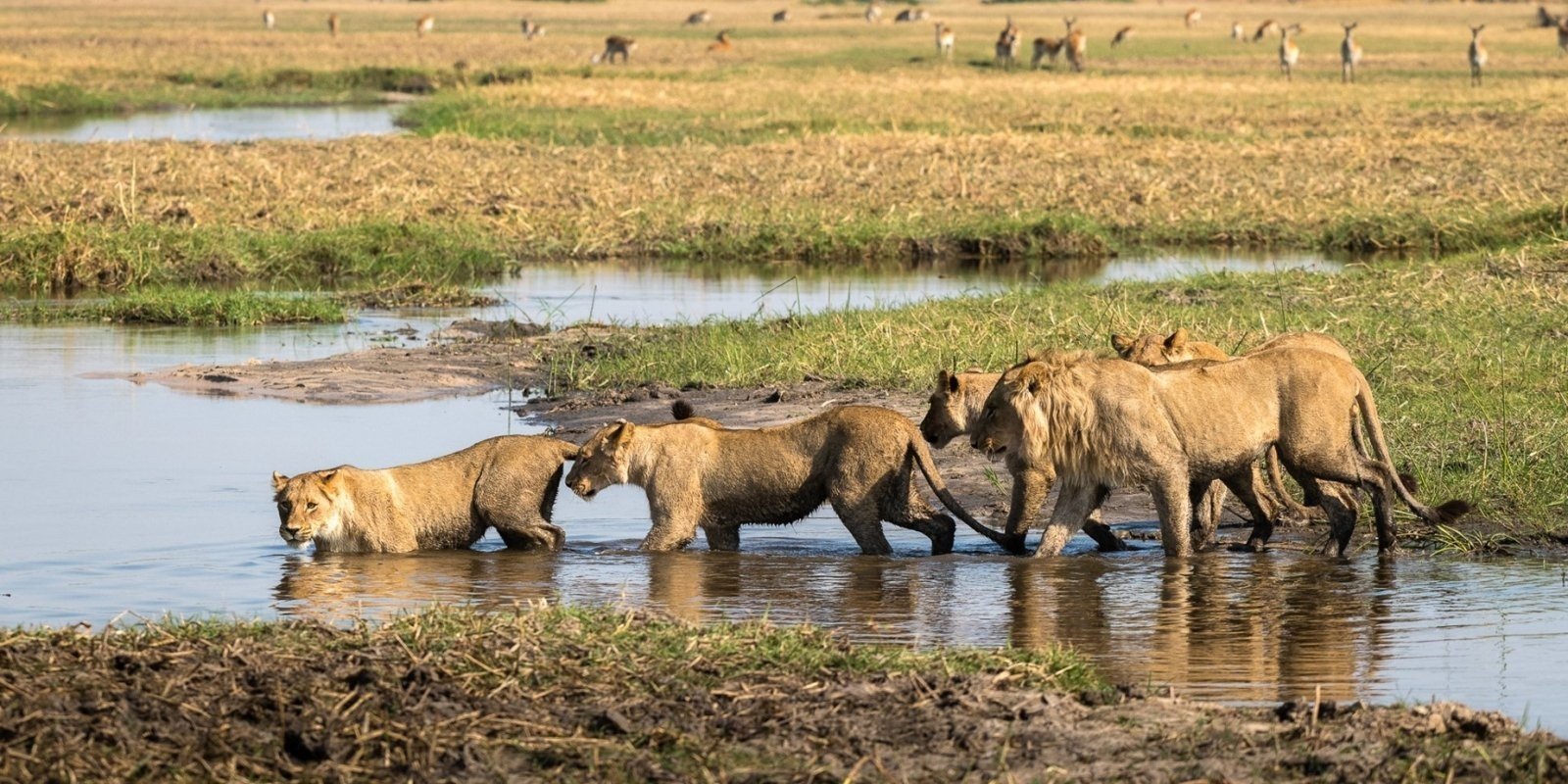
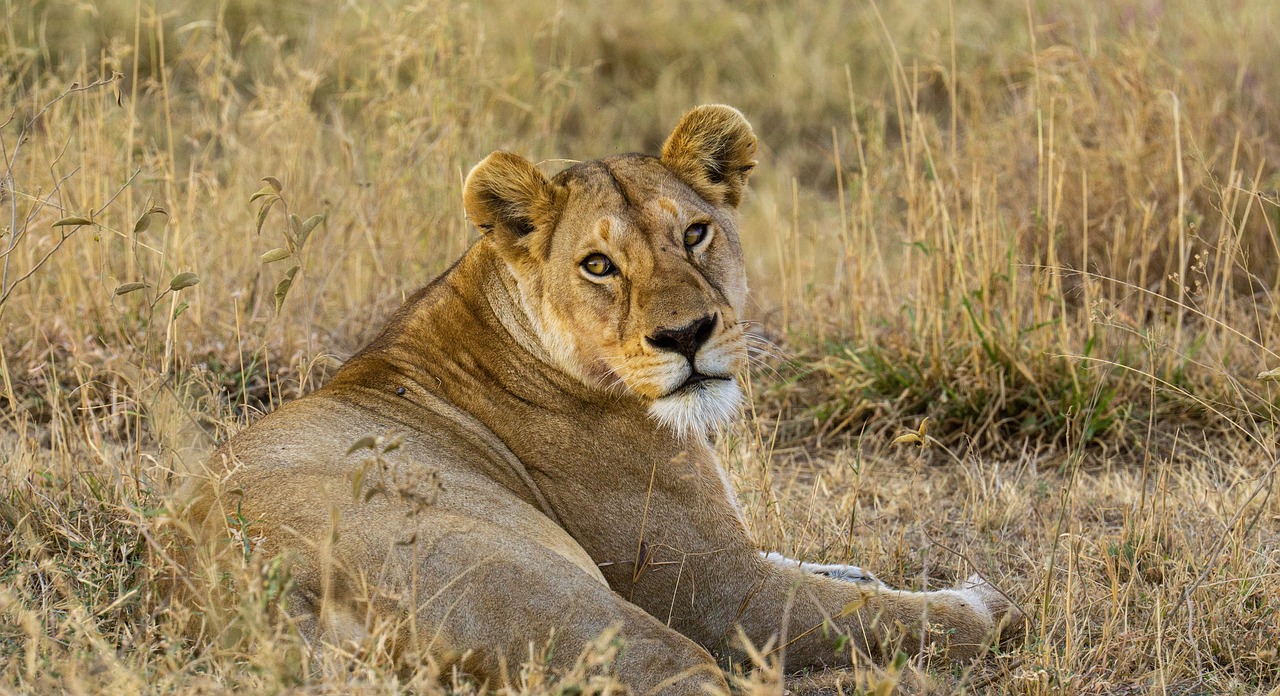
  • Lions, including tree-climbing lions

  • Leopards, often seen along riverbanks

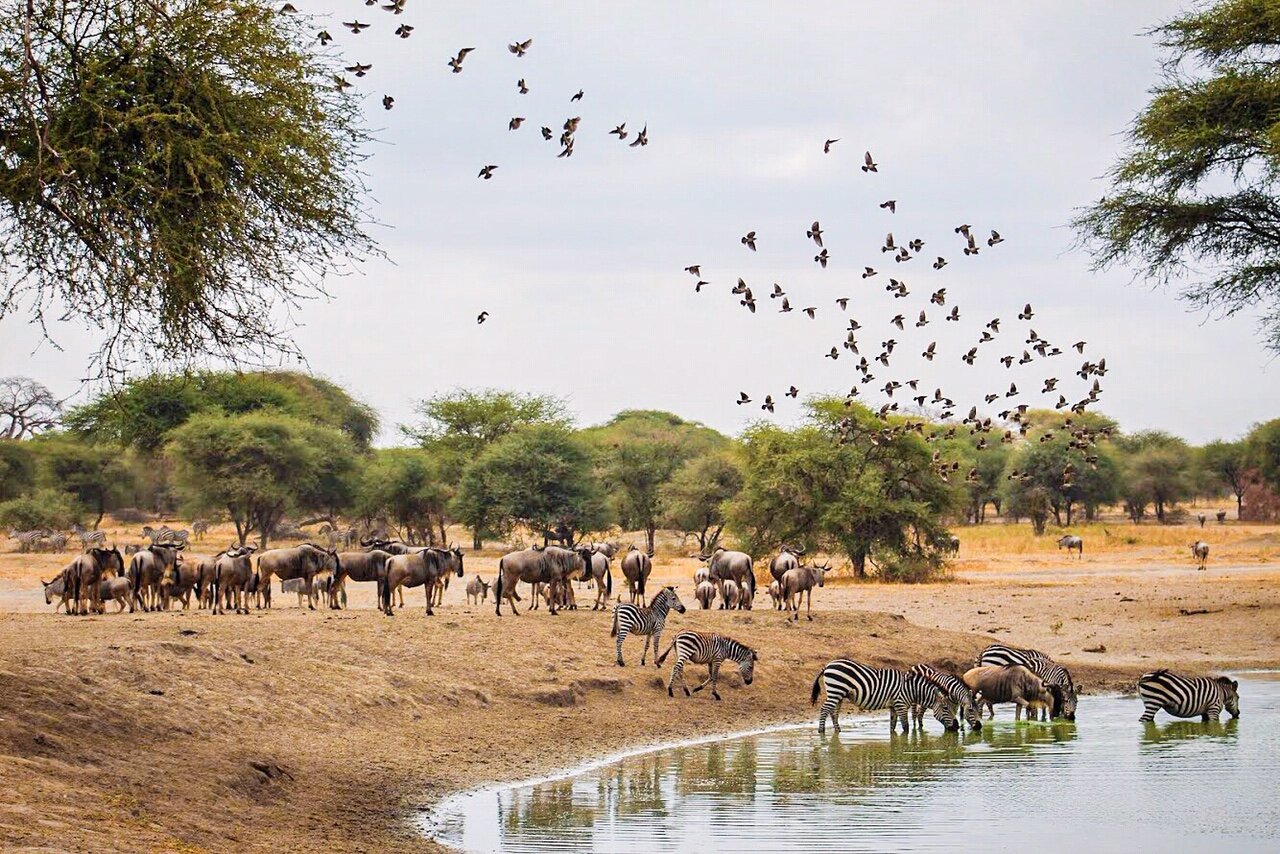
  • Zebras, wildebeest, impalas, elands

  • Buffaloes, warthogs, giraffes, baboons

  • Over 550 bird species, including hornbills, lovebirds, and the yellow-collared lovebird

  • Gerenuk and fringe-eared oryx

  • Rare African wild dogs (occasionally)

Facts about Tarangire National Park

  • Tarangire has the highest density of elephants in all of Tanzania during the dry season

  • The baobab trees, some over 1,000 years old, serve as water storage and shelter for wildlife

  • It’s one of the best bird-watching destinations in Africa

  • Known for its seasonal mini-migration – animals move here from the Maasai Steppe when other areas dry out

  • Tarangire was once part of ancient elephant migration routes stretching into Kenya