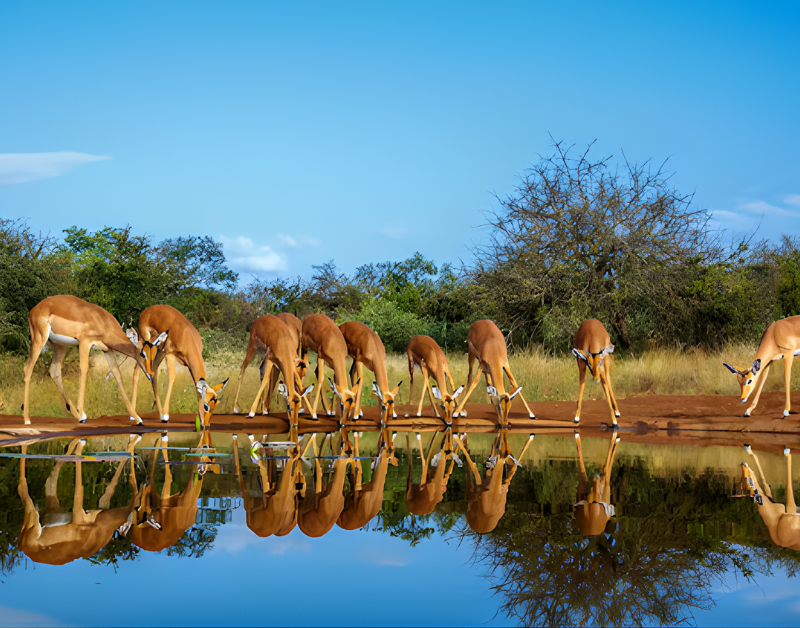
Serengeti National Park

Serengeti National Park

Serengeti National Park is one of Africa’s most celebrated safari destinations, renowned worldwide for its vast plains, abundant wildlife, and the spectacular annual Great Migration. Covering approximately 14,750 square kilometers in northern Tanzania, the Serengeti forms part of the Serengeti-Mara ecosystem, which extends into Kenya’s Maasai Mara. Its name, “Serengeti,” comes from the Maasai word “Siringet,” meaning “endless plains,” reflecting the park’s iconic landscape.

Landscape and Habitat

The Serengeti features diverse habitats, each supporting unique wildlife populations:

  • Savannah Plains: Rolling grasslands dominate much of the park, providing ideal hunting grounds for predators and grazing areas for herbivores.
  • Woodlands and Riverine Forests: Found along rivers such as the Grumeti and Mara, these areas support birds, primates, and other wildlife.
  • Acacia and Mopane Trees: Scattered trees offer shade and shelter, creating iconic safari vistas.
  • Seasonal Rivers and Waterholes: Vital water sources sustain wildlife, especially during the dry season.

Wildlife and Safari Experience

The Serengeti is home to one of the densest concentrations of wildlife on Earth:

  • The Big Five: Lions, elephants, leopards, buffaloes, and rhinos can all be seen, with lions being particularly abundant.
  • Other Mammals: Wildebeests, zebras, gazelles, cheetahs, hyenas, giraffes, and hippos are commonly observed.
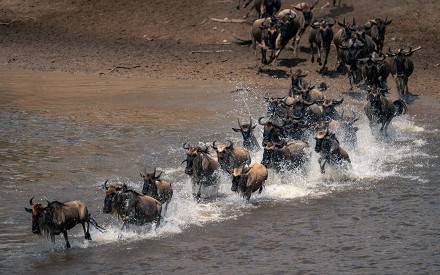
  • Great Migration: One of the most remarkable natural phenomena, millions of wildebeest, zebras, and gazelles migrate between the Serengeti and Maasai Mara in search of fresh grazing, typically from December to July.
  • Birdlife: Over 500 bird species, including raptors, storks, flamingos, and lilac-breasted rollers, inhabit the park.

Activities in Serengeti National Park

Game Drives

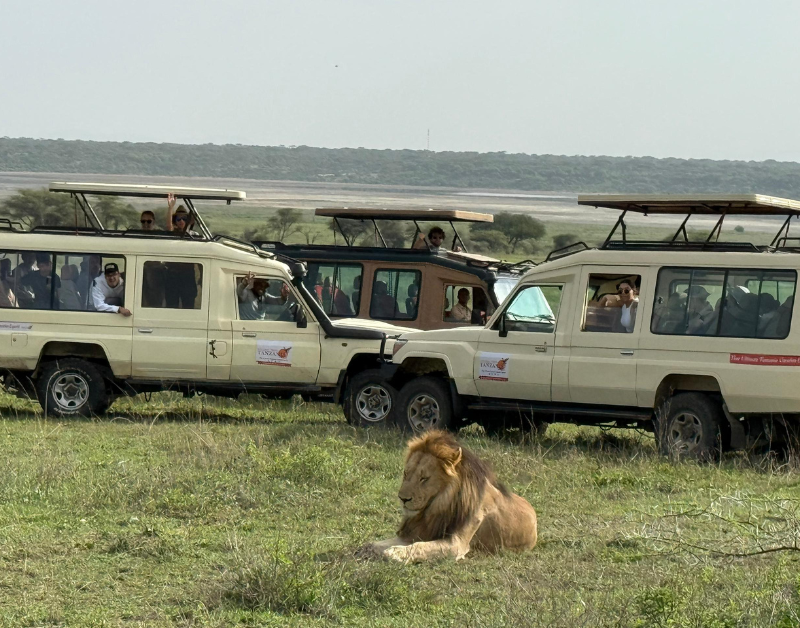
Game drives are the primary way to explore the Serengeti. Both morning and evening drives offer opportunities to witness predators, migration herds, and other iconic wildlife.

Hot Air Balloon Safaris (Optional)

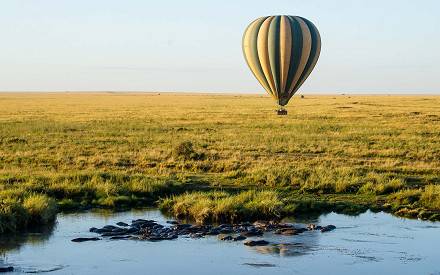
Experience a sunrise balloon flight over the Serengeti for a breathtaking aerial view of the plains, wildlife, and river systems, followed by a champagne breakfast in the bush.

Photography Safaris

The Serengeti’s landscapes, wildlife, and dramatic skies make it a dream destination for photographers. Early mornings and late afternoons provide optimal light for capturing wildlife and scenery.

Walking Safaris (Optional)

Guided walking safaris offer intimate encounters with smaller wildlife, plants, and the ecosystem, allowing visitors to connect more closely with the environment.

Accessibility

The Serengeti is accessible via road or air:

  • By Road: From Arusha, it is approximately a 6–7 hour drive through scenic northern Tanzania landscapes.
  • By Air: Daily scheduled flights land at airstrips such as Seronera, Kogatende, and Grumeti, reducing travel time and offering more comfort.

Best Time to Visit

  • Dry Season (June–October): Wildlife gathers around permanent water sources; excellent for predator spotting.
  • Wet Season (November–May): The landscape is lush and green, birdwatching is exceptional, and fewer tourists visit, offering a more private experience.
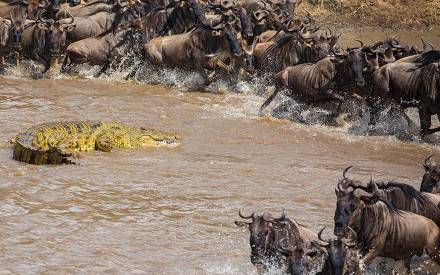
  • Great Migration Timing: Wildebeest calving occurs around February–March; the river crossings typically occur between June–July.

Accommodation

Options range from luxury lodges and tented camps to mid-range lodges within the park. Many lodges are situated near rivers or central plains, offering easy access for game drives and spectacular views.

Why Visit Serengeti National Park

Serengeti National Park is the ultimate safari destination, offering endless plains, dramatic wildlife encounters, and the unforgettable spectacle of the Great Migration. It is ideal for wildlife enthusiasts, photographers, and adventure travelers seeking an authentic African safari experience.

From tracking lions in the morning light to witnessing the mass migration of wildebeest across the plains, the Serengeti offers an unparalleled opportunity to experience the heart of Africa’s wilderness
Witness the Great Migration in Serengeti National Park

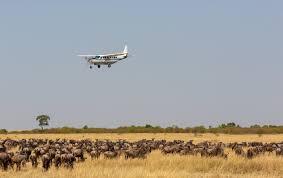
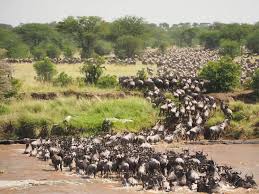
The annual wildebeest migration of more than a million wildebeest is probably Serengeti’s main attraction. It is a truly impressive sight to see all those mammals thunder across the Serengeti plains, crossing rivers, in search of water and fresh grass. Mega herds on the move stretch up to 40Km long, covering a distance of some 1000 kilometers. A dangerous journey for the wildebeest, zebras and gazelles who need to outsmart their predators. Especially the Mara and Grumeti River is where giant crocodiles and fast flowing water awaits. The Great Migration is listed as one of the Seven Natural Wonders of the World and is for lots of visitors the highlight of their journey. It is definitely one of the world’s largest wildlife spectacles.

You can witness the wildebeest migration anytime of the year, since the animals migrate in a circle between the Serengeti and Masai Mara (Kenya). The exact timing of the Serengeti wildebeest migration depends upon the rainfall patterns each year. Thanks to our experienced Tanzania Specialist guides, we are able to make a fairly accurate prediction.

Wildlife in Serengeti National Park

Serengeti National Park offers so much more beauty than just the wildebeest migration. You can see a variety of landscapes and wildlife unlike anywhere else in Africa. The endless plains are home to more than 4,000 lions, 1,000 leopards, 225 cheetahs and 3,500 hyenas. It’s no surprise there are so many predators due to the abundance of wildebeest, zebras, gazelles and buffaloes. The Serengeti is also one of the best places to see the Big Five – rhino, buffalo, elephant, lion and leopard. Almost all the famous African animals are present in this majestic park. This  includs rare animal species like the pangolin, East African Oryx, rhino and wild dog.

The captivating landscapes of the Serengeti National Park vary from savannahs with acacia trees and vast grasslands to rising mountains, lakes and swamps. Each area is unique and has its own atmosphere. Because of its natural beauty and variety of plants and animals the park is listed as UNESCO World Heritage Site. This place definitely touches your soul.

You like to incorporate Serengeti National Park into your itinerary? Check our Tanzania safaris for inspiration or contact us for a personal advice.

Travel time to Serengeti National Park

  • Arusha to Serengeti: 5 hours’ drive.
  • Ngorongoro to Serengeti: 2 hours’ drive.
  • Lake Manyara to Serengeti: 3,5 hours’ drive.
  • Tarangire to Serengeti: 4 hours’ drive.
  • Flight Arusha to Serengeti: 1 hour (about €238,- per person, one way).

Travel tip from our experts about Serengeti National Park

My name is Samson and I am a guide at Serengeti National Park for 18 years. Most of our guests are impressed to see so many lions, but also leopards and cheetahs. Of course the Great Wildebeest Migration is an amazing spectacle to witness for all our guests. The wildlife in Serengeti National Park is unmatched anywhere else.

How long to stay? At least 2 days, but some guests would say even a week is not enough.

Which hotel? Thorn Tree Camp, a beautiful luxurious tented camp. The advantage of a tented camp is that it brings you close to nature. The perfect way to experience the beautiful Serengeti.

Best time to see the wildebeest migration

The exact timing of the Serengeti wildebeest migration depends upon the rainfall patterns each year. Thanks to our experienced Tanzania Specialist guides we are able to make a fairly accurate prediction. Read When and where is the wildebeest migration?

Most common animals

  • Lions
  • Cheetahs
  • Leopards
  • Wildebeest (more than 1 million)
  • Zebras (more than 200.000)
  • Gazelles (more than 300.000)
  • Rhinos
  • Elephants
  • Crocodiles
  • Hippos
  • Grant Gazelle
  • Thomson Gazelle

Facts about Serengeti National Park

  • Endless plains with typical Lion King trees
  • Calving season in February, when 8.000 wildebeest calves are born each day
  • Simba Kopjes are granite outcroppings where lions like to rest
  • Seronera River is a valuable water source and attracts lots of wildlife.
  • Retina Hippo Pool, home to about 200 hippos
  • Grumeti River and Mara River, famous for the wildebeest river crossings.
  • Lobo Valley, great views of elephants and big cats.