
Ruaha National Park
Ruaha National Park is the largest national park in Tanzania and one of the most remote and untouched wilderness areas in East Africa. Located in the southern part of the country, near Iringa, the park covers over 20,000 square kilometers, offering a truly wild and authentic safari experience far from the crowds.
As part of the greater Rungwa-Kizigo-Muhesi Ecosystem, Ruaha is known for its dramatic landscapes, diverse wildlife, and exceptional predator sightings. It is a top destination for travelers seeking a raw and exclusive safari adventure.
Landscape and Scenery
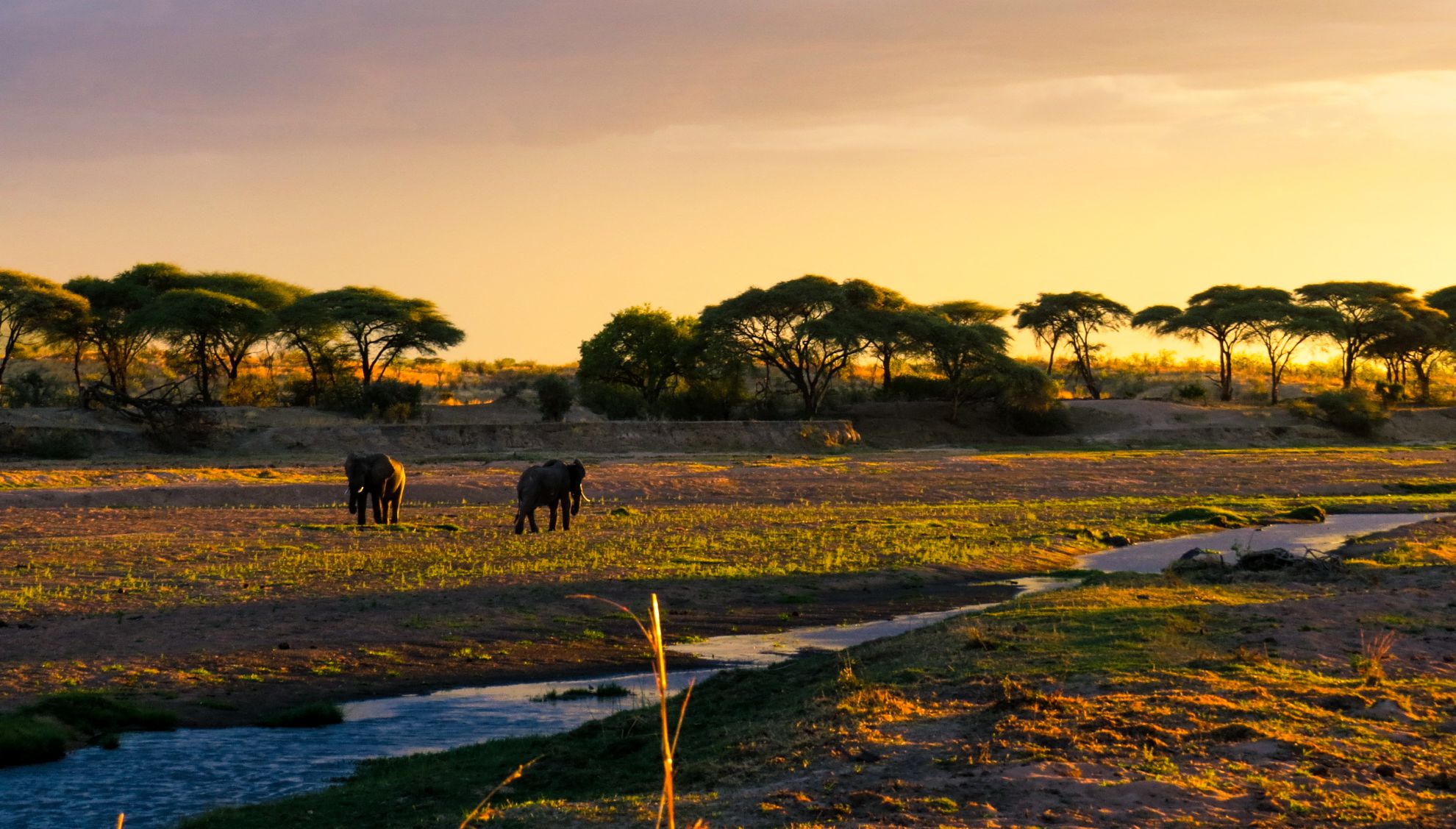
Ruaha’s landscape is incredibly diverse, featuring rolling hills, open savannahs, rocky escarpments, and dense woodlands. The park is named after the Great Ruaha River, which flows through its southeastern section and serves as a vital water source for wildlife, especially during the dry season.
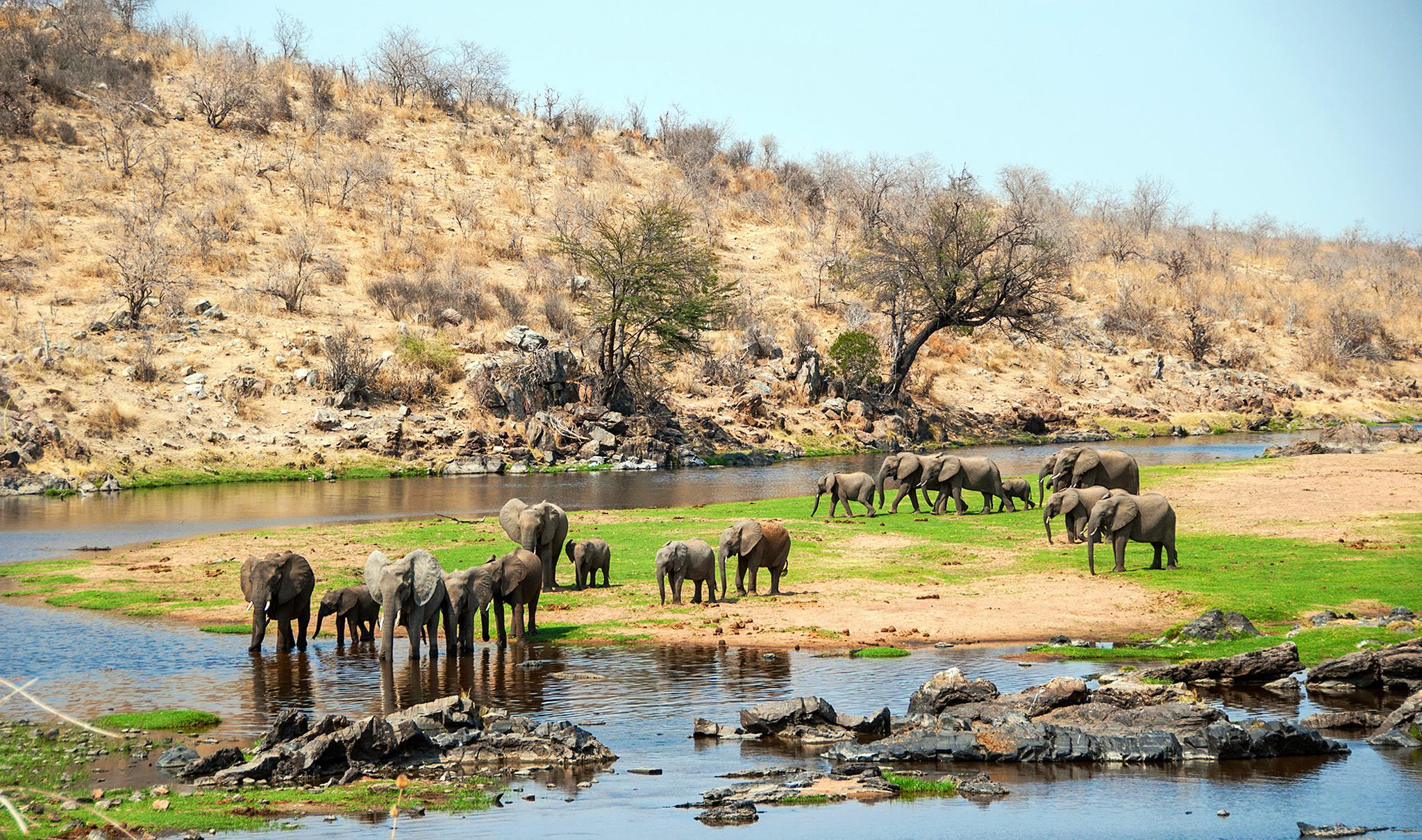
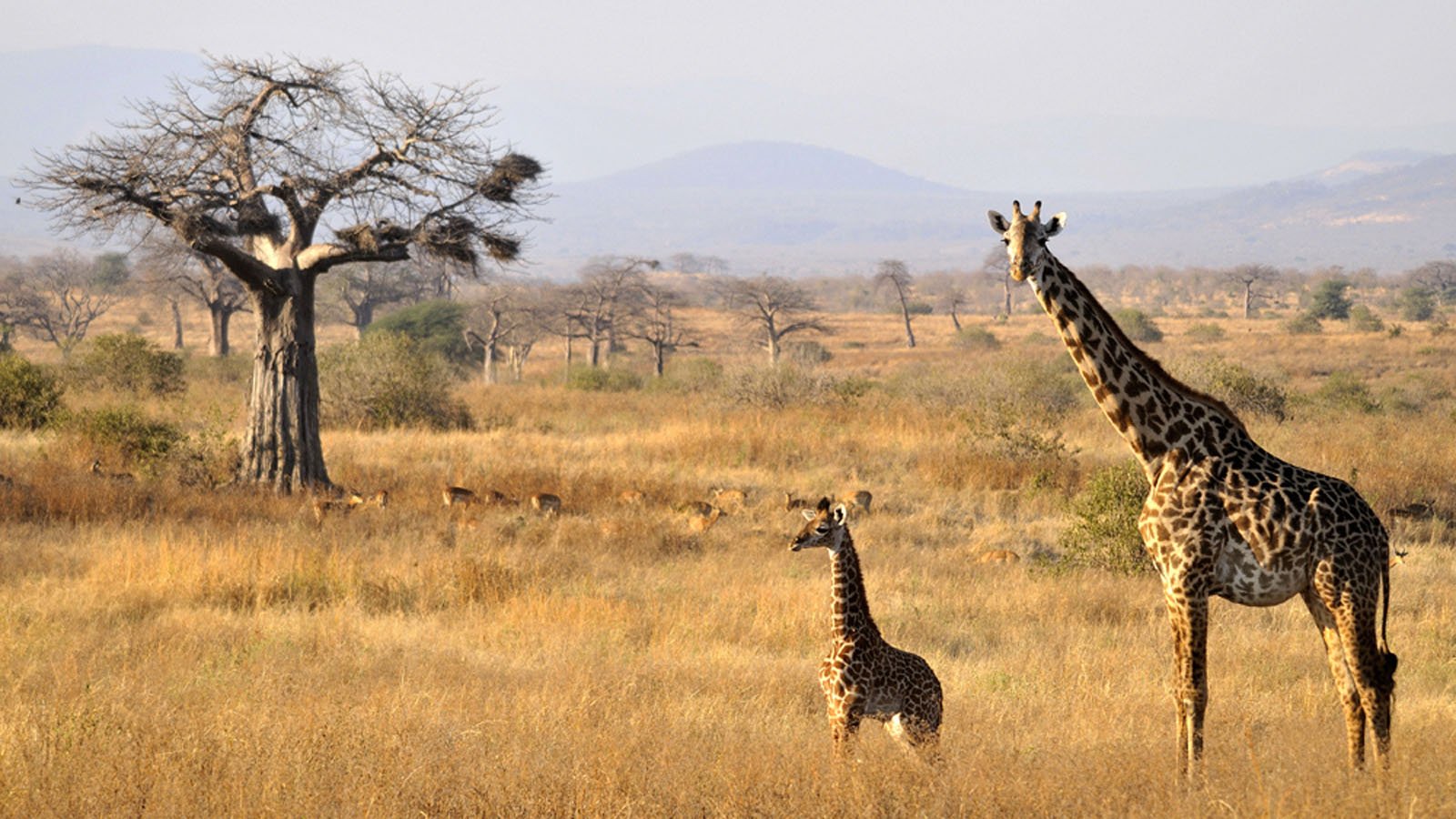
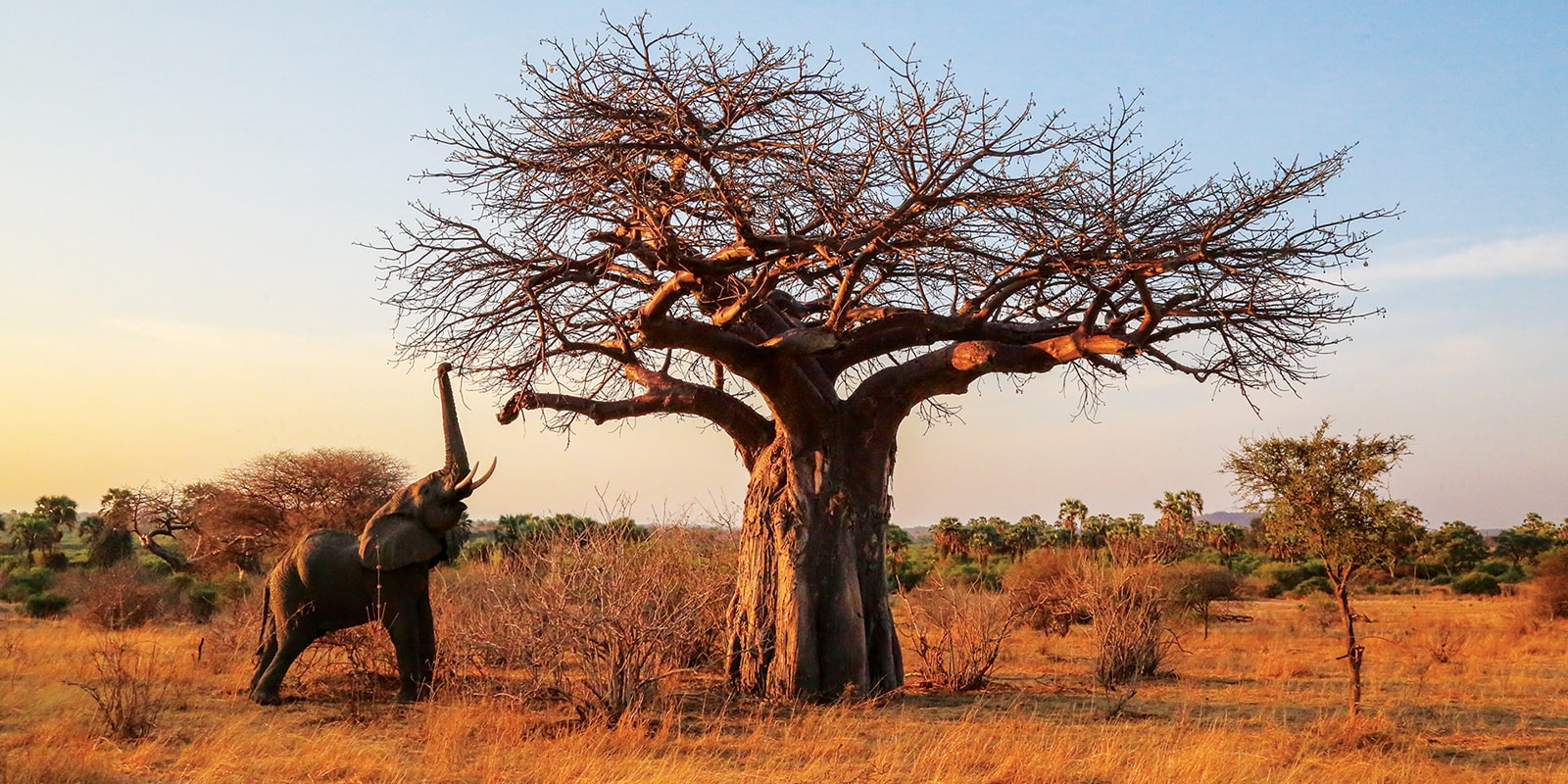
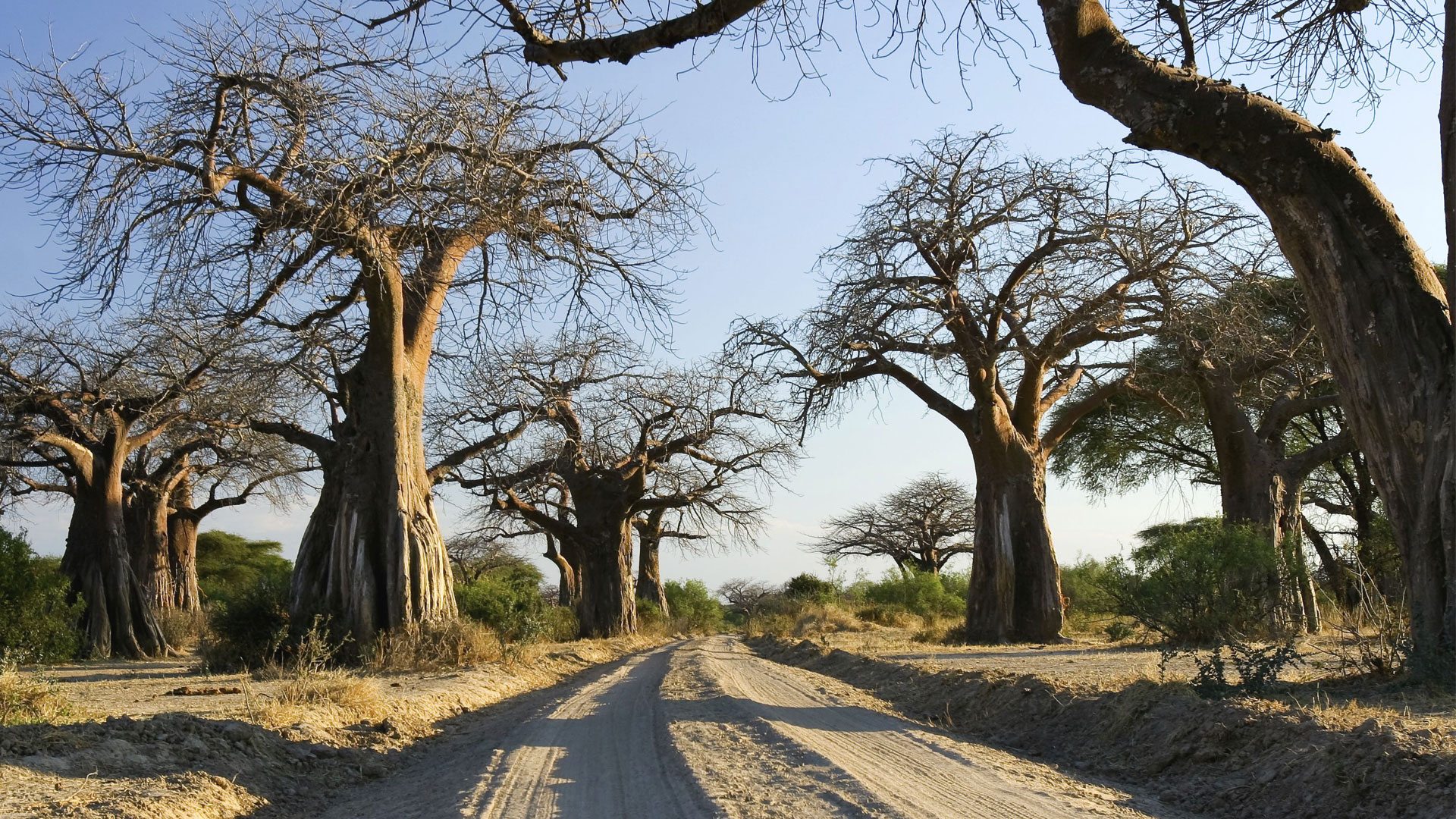
The riverbanks attract large concentrations of animals, creating excellent opportunities for wildlife viewing. The park is also famous for its iconic baobab trees, which dominate the scenery and add to its rugged beauty.
Seasonal changes transform the park dramatically—from lush green during the rainy season to dry golden plains in the dry months—each offering a unique experience.
Wildlife and Safari Experience
Ruaha National Park is home to an incredible diversity of wildlife, making it one of the best safari destinations in Tanzania.
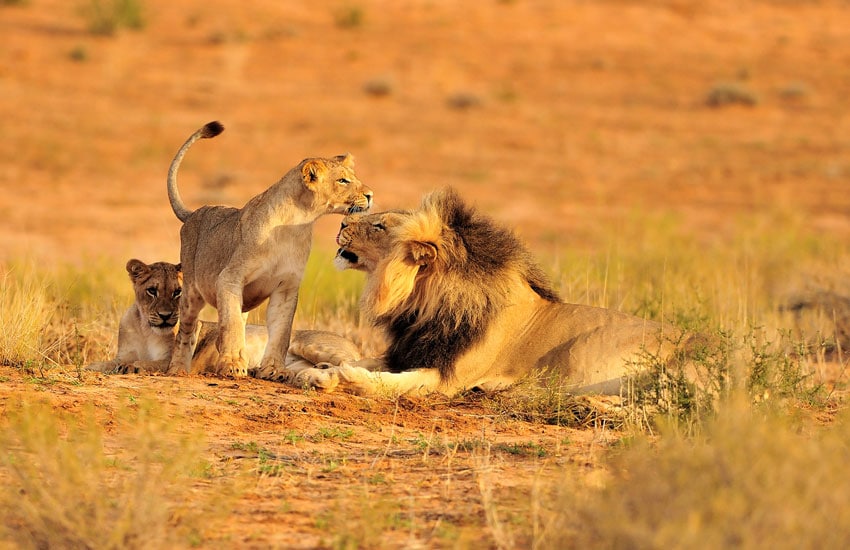
It has one of the largest elephant populations in East Africa, and visitors can often see large herds gathering along the river. The park is also known for its high concentration of predators, including lions, leopards, cheetahs, and hyenas.
Ruaha is particularly famous for its large lion prides, some of the biggest in Africa. It is also one of the few places where you can find both greater and lesser kudu, along with rare antelope species such as sable and roan.
The park hosts over 570 species of birds, making it a paradise for birdwatchers.
Activities in Ruaha
Game Drives
Game drives are the main activity, offering opportunities to explore different habitats and observe wildlife in their natural environment. Early morning and late afternoon drives provide the best chances to see predators in action.
Walking Safaris
Ruaha is one of the best parks in Tanzania for walking safaris. Accompanied by experienced guides and armed rangers, visitors can explore the bush on foot and learn about tracks, plants, and smaller wildlife.
Birdwatching
With its wide variety of bird species, Ruaha is ideal for bird enthusiasts. The park’s mix of habitats attracts both resident and migratory birds.
Accessibility
Ruaha National Park can be reached by both road and air. It is approximately a 10-hour drive from Dar es Salaam, or a shorter drive from Iringa.
For more convenience, scheduled and charter flights are available from Dar es Salaam and Arusha to airstrips within the park.
Due to its remote location, Ruaha remains less crowded than northern parks like Serengeti National Park, offering a more exclusive safari experience.
Best Time to Visit
The best time to visit Ruaha is during the dry season, from June to October. During this period, animals gather around the Great Ruaha River, making wildlife easier to spot.
The wet season, from November to May, brings lush landscapes and excellent birdwatching, although some roads may become difficult to access.
Accommodation
Ruaha offers a range of accommodations, from mid-range lodges to luxury tented camps. Many are located along the river, providing stunning views and frequent wildlife sightings directly from the camp.
These lodges are designed to blend with the natural environment, offering comfort while maintaining an authentic safari atmosphere.
Why Visit Ruaha National Park
Ruaha National Park is perfect for travelers looking for a true wilderness experience. Its vast size, low visitor numbers, and incredible wildlife diversity make it one of Tanzania’s hidden gems.
Unlike more popular parks, Ruaha offers a sense of solitude and adventure that is hard to find elsewhere. Whether you are watching elephants by the river, tracking lions on a game drive, or exploring the bush on foot, every moment feels raw and real.
For those seeking an off-the-beaten-path safari with unforgettable wildlife encounters, Ruaha National Park is an exceptional choice.