
Nyerere National Park
Nyerere National Park is the largest national park in Africa, covering more than 30,000 square kilometers in southern Tanzania. Formerly part of the famous Selous Game Reserve, the park was officially designated as a national park in 2019 and named after Julius Nyerere, the founding father of Tanzania.
Located within the vast Selous Ecosystem, Nyerere National Park is a UNESCO World Heritage Site area known for its untouched wilderness, rich wildlife, and diverse safari activities. It offers a more remote and exclusive safari experience compared to the northern circuit parks.
Landscape and Natural Features
Nyerere National Park boasts a wide variety of landscapes, including open plains, dense woodlands, wetlands, and riverine forests. One of its most defining features is the mighty Rufiji River, the largest river in Tanzania, which flows through the park and creates a network of channels, lakes, and swamps.
This river system supports a thriving ecosystem and provides stunning scenery. The combination of water and diverse vegetation makes the park incredibly rich in both flora and fauna.
Wildlife and Biodiversity
The park is home to an impressive variety of wildlife, making it one of the best safari destinations in Tanzania.
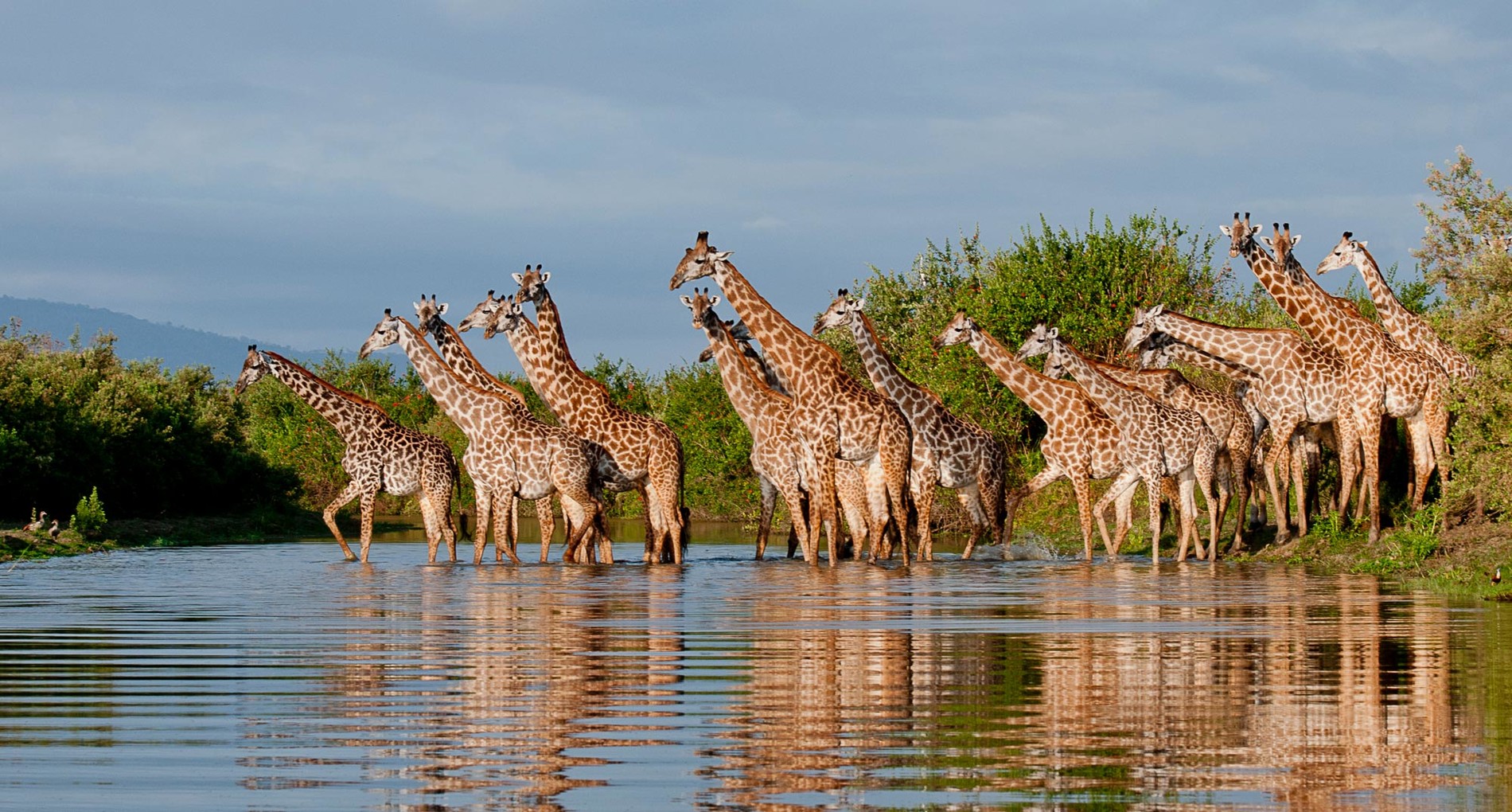
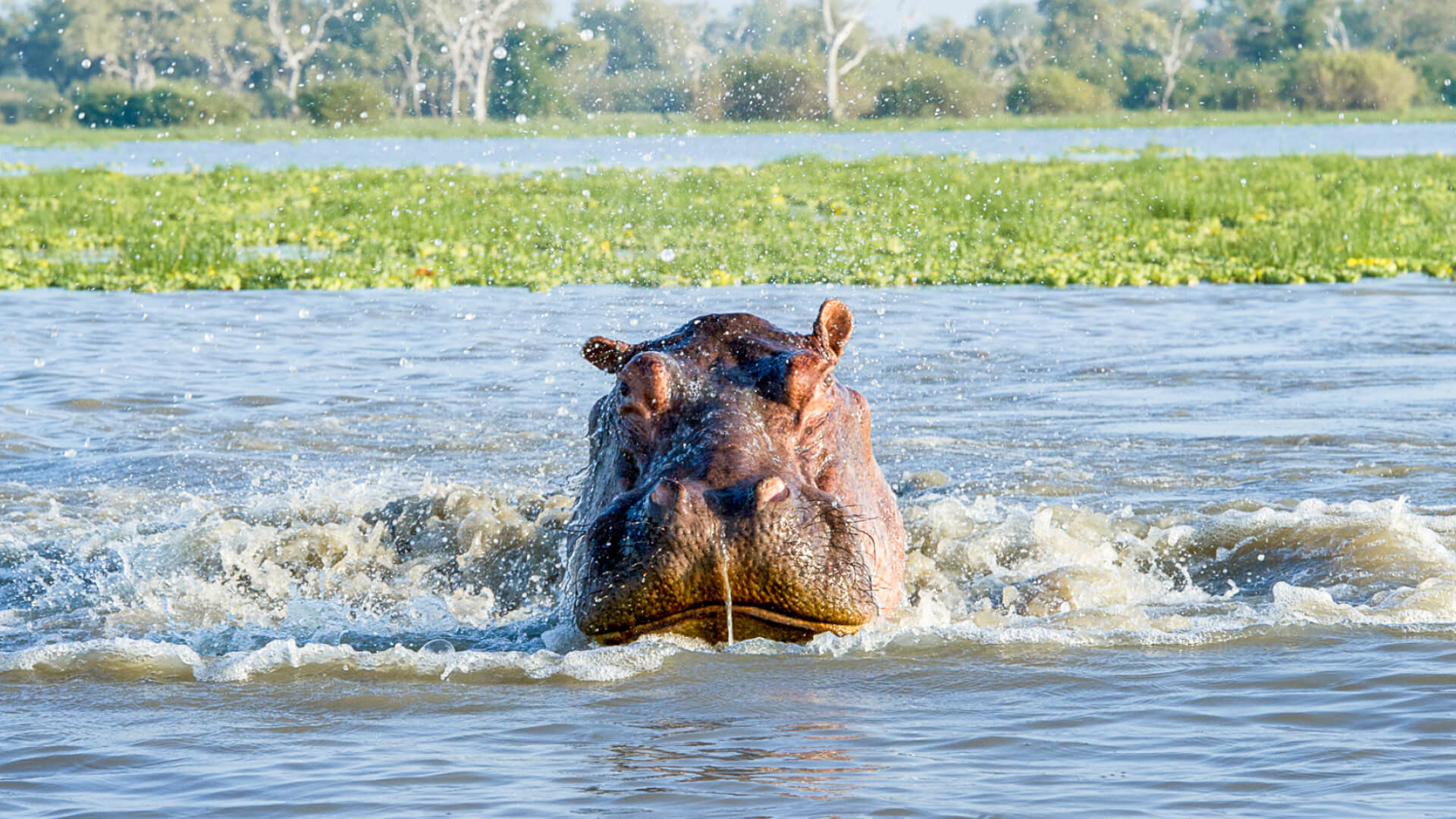
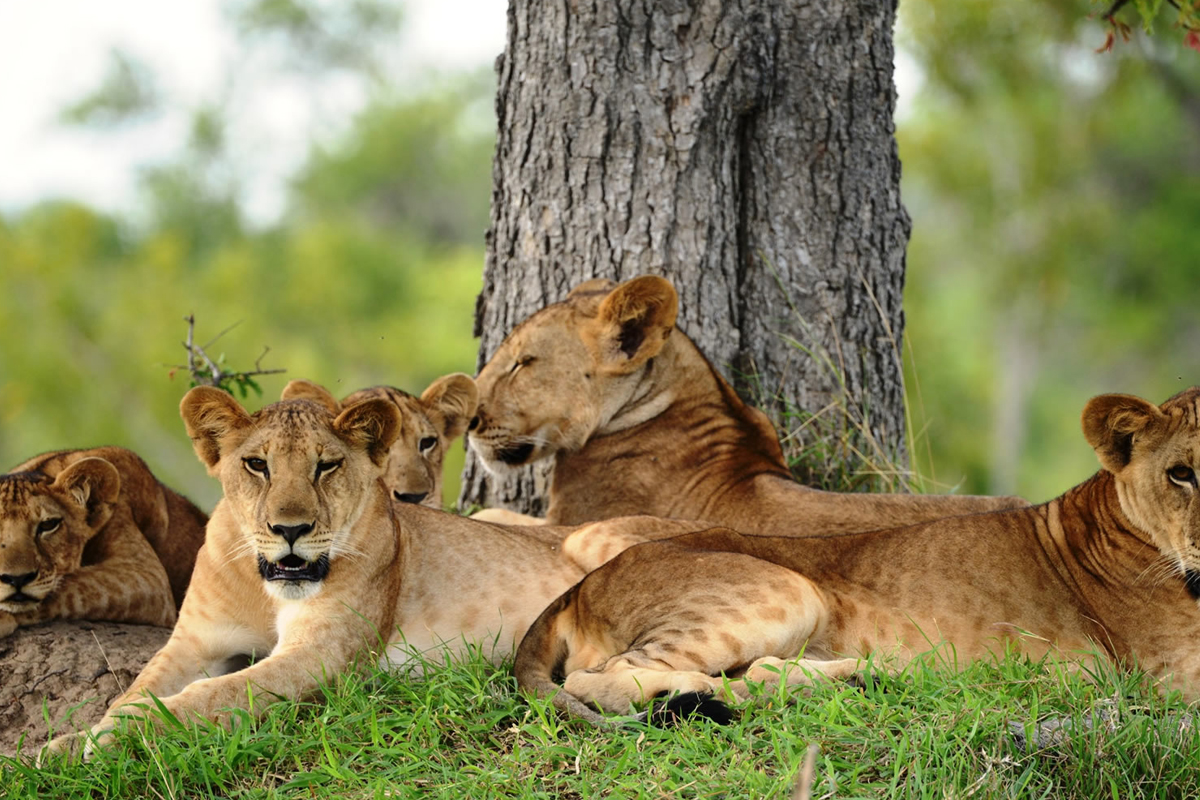
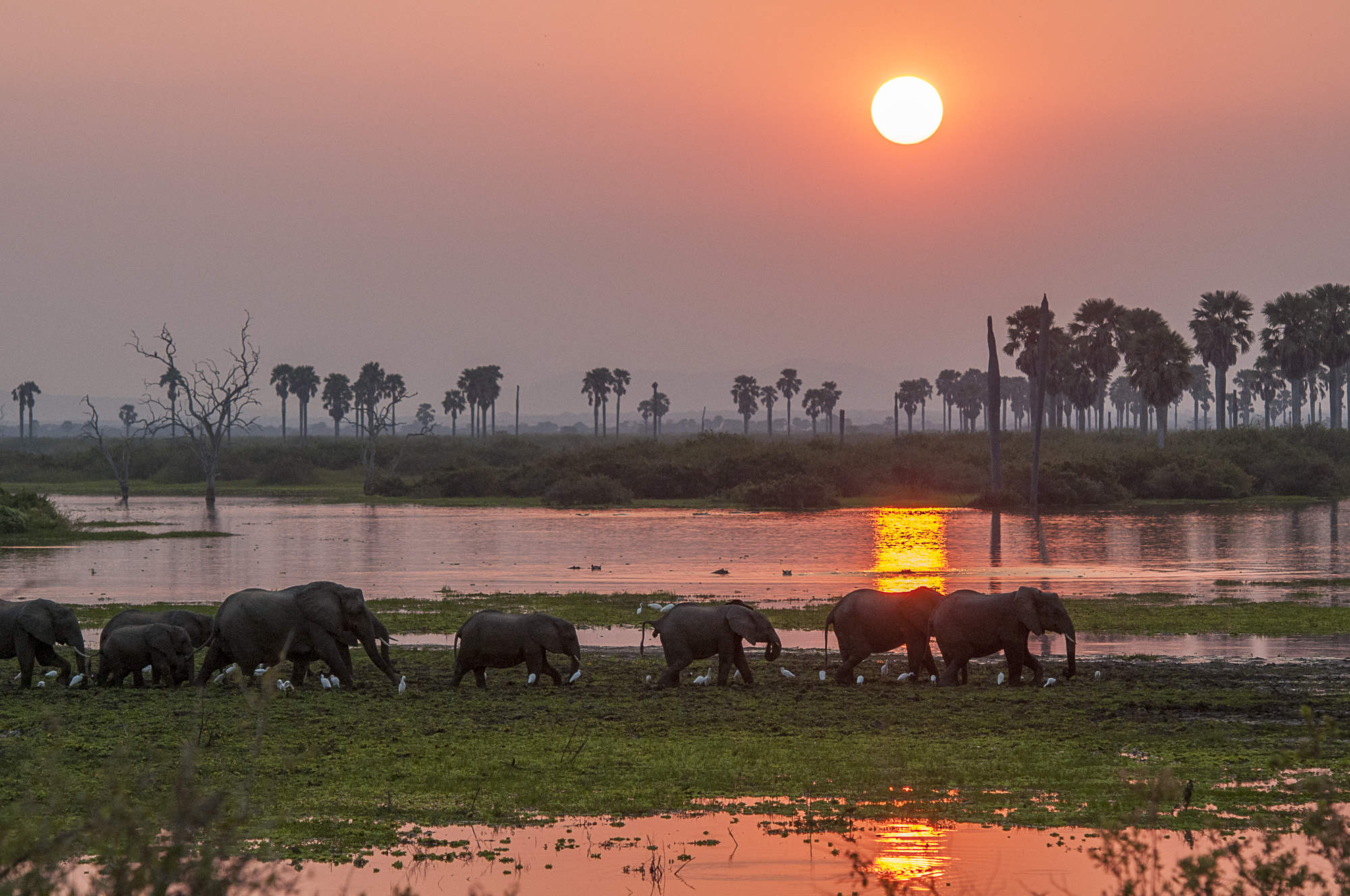
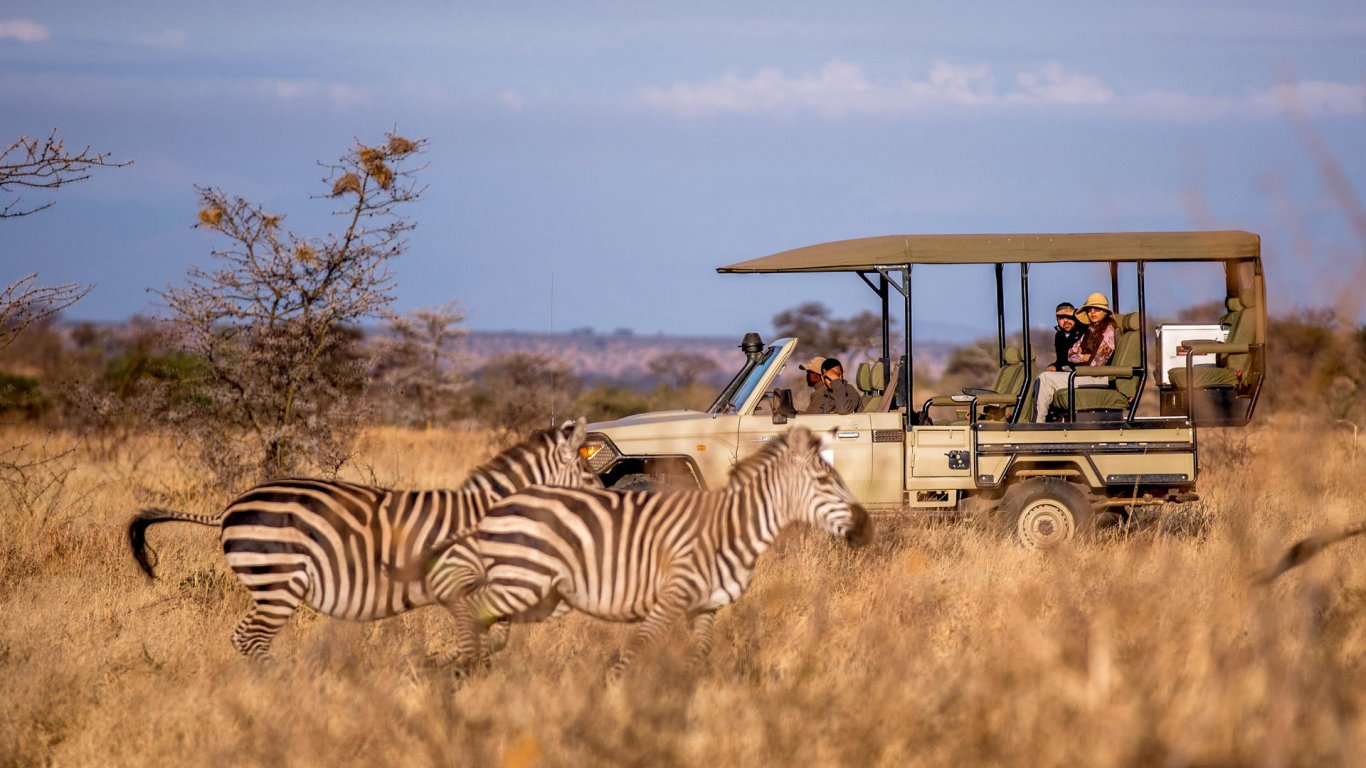
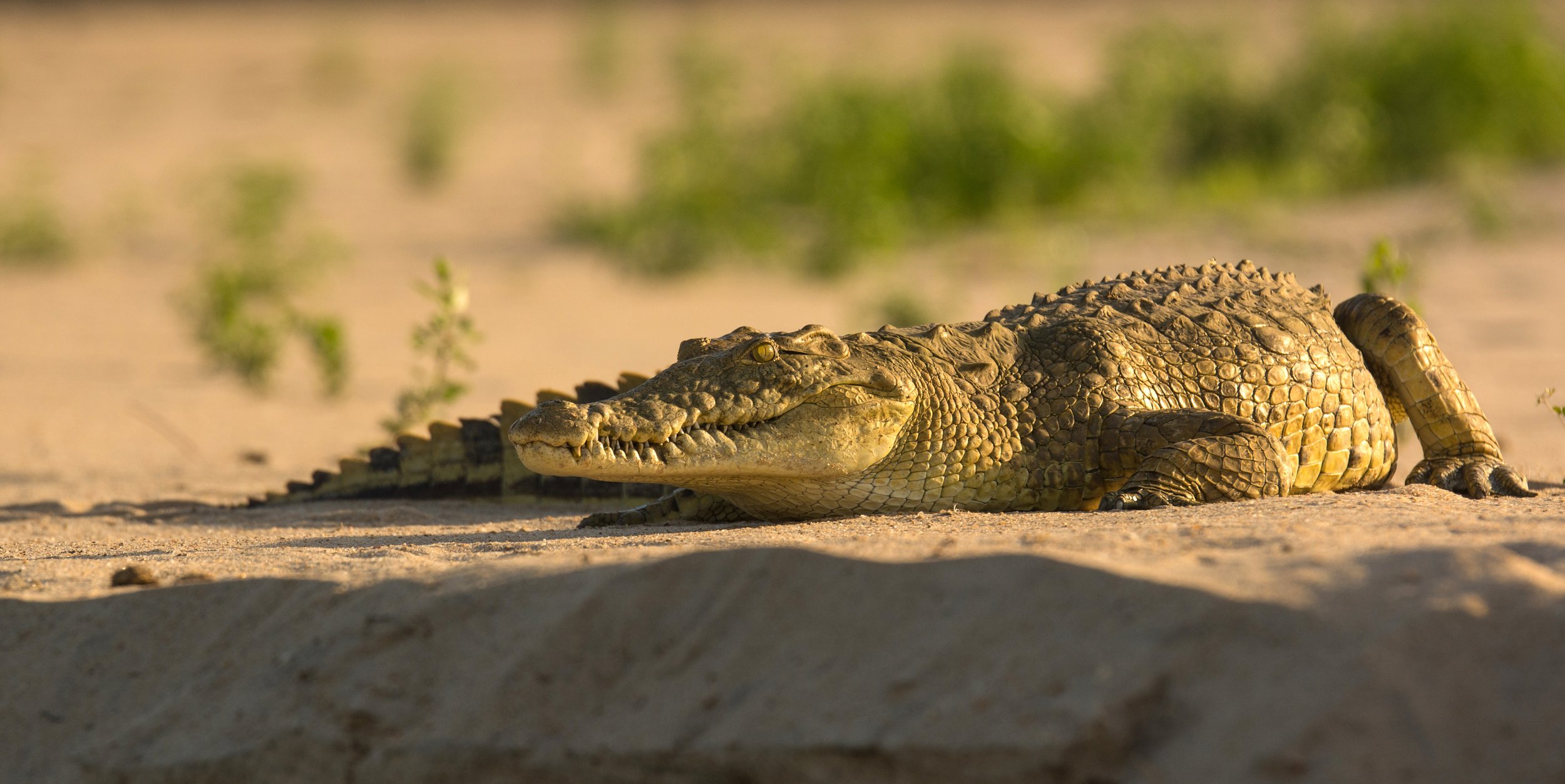
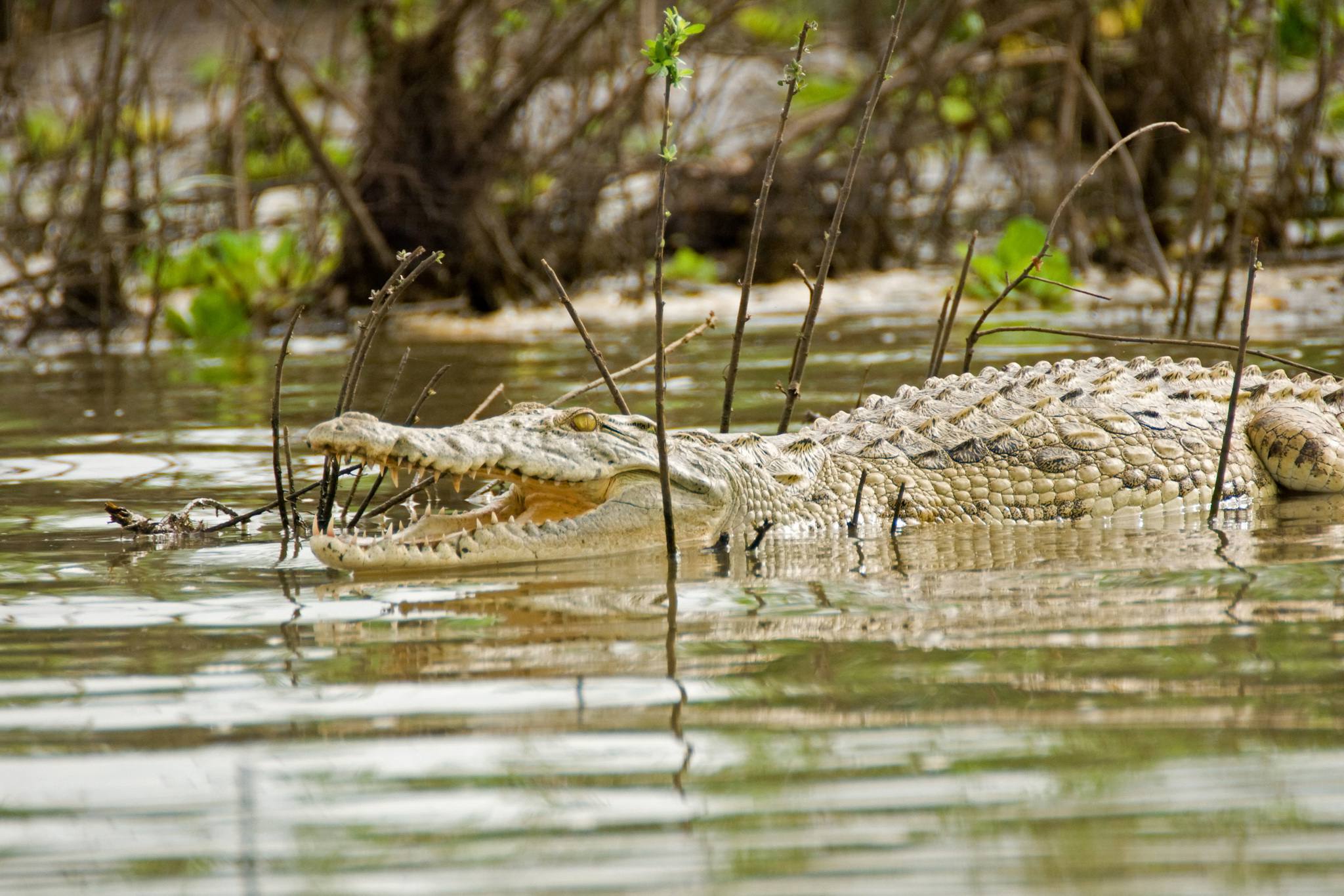
Visitors can encounter elephants, lions, leopards, giraffes, buffaloes, zebras, and a wide range of antelope species. Nyerere is particularly famous for its large populations of hippos and crocodiles, which are commonly seen along the Rufiji River.
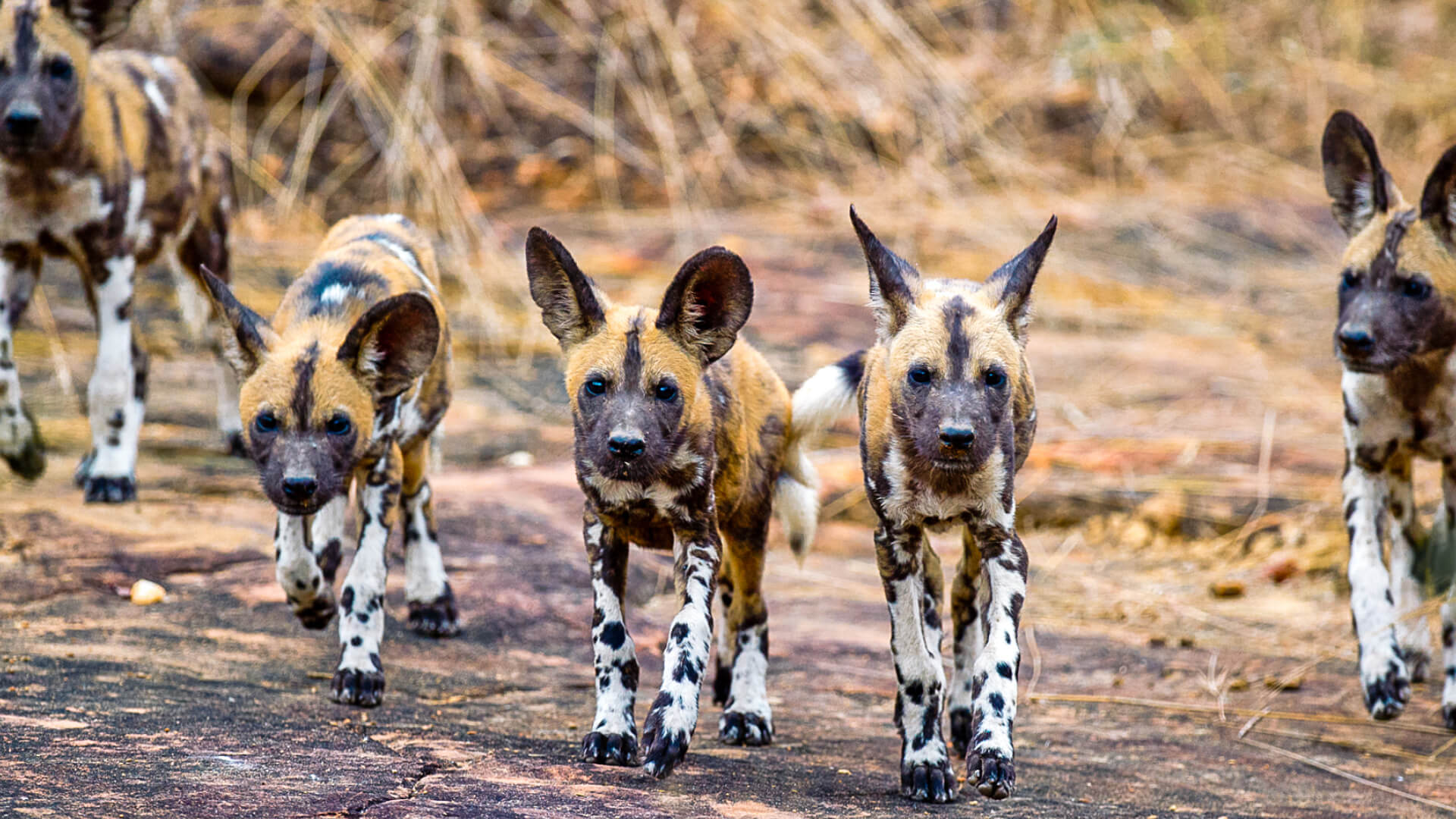
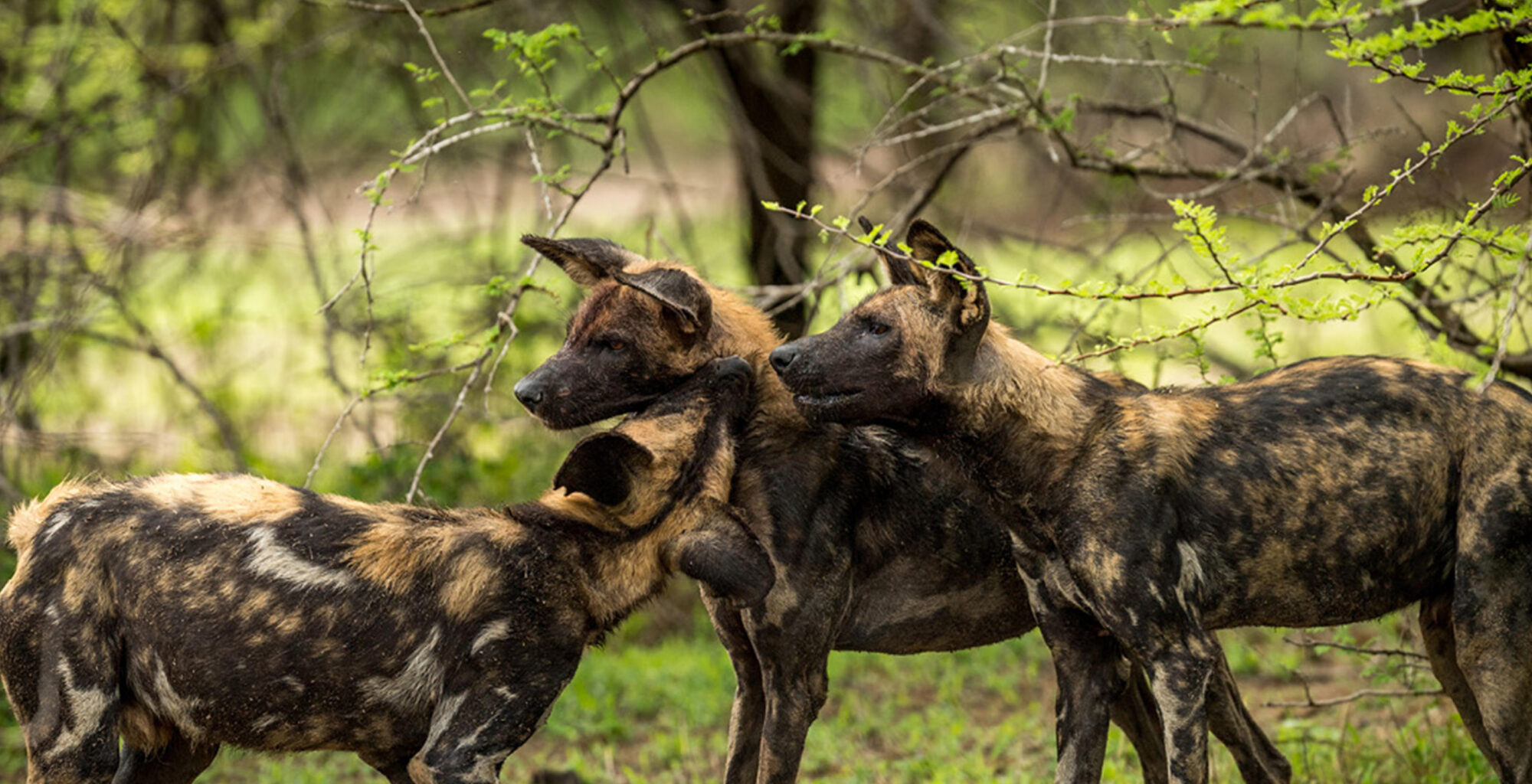
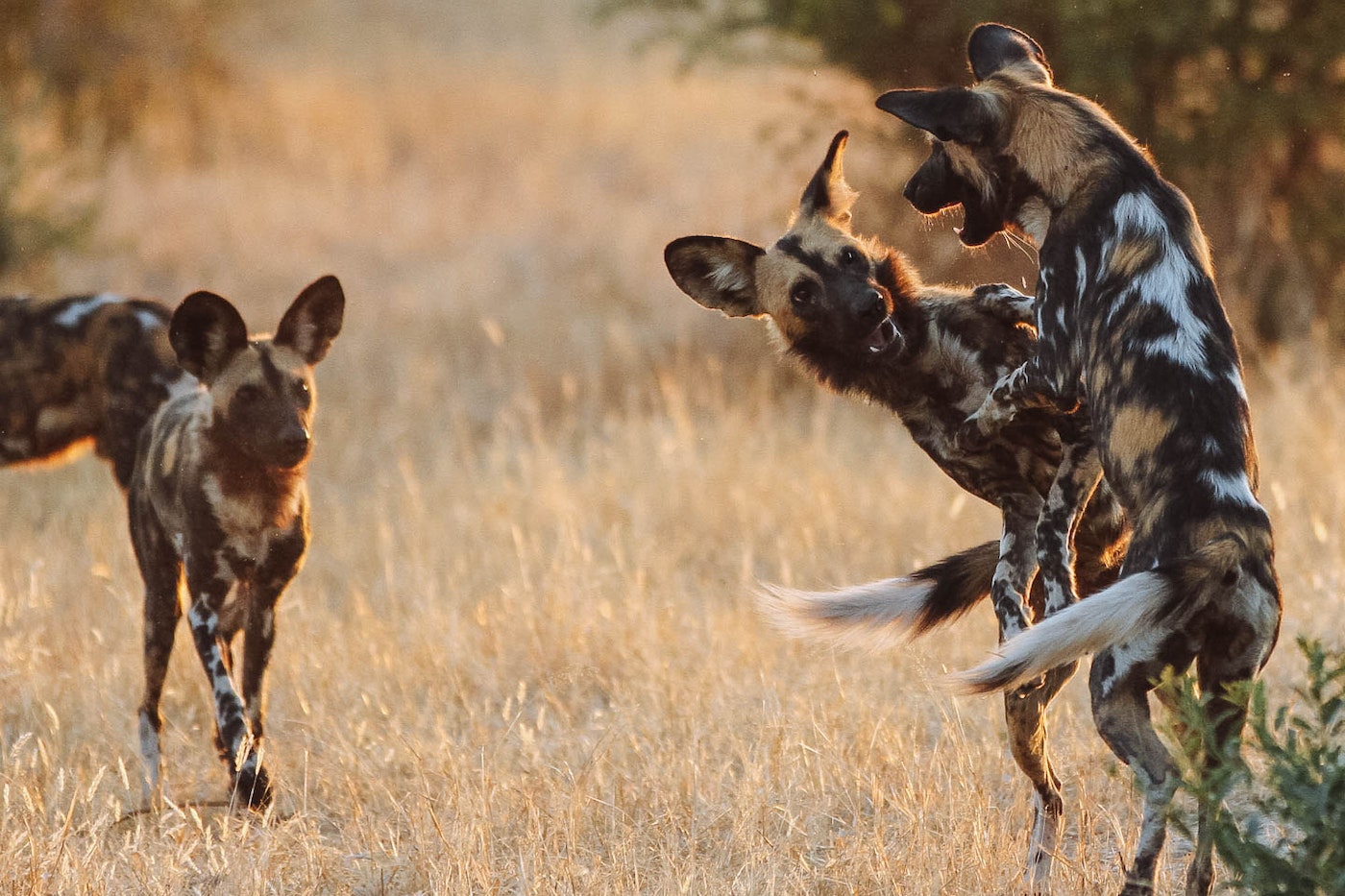
One of the highlights of the park is the presence of the endangered African wild dog, a rare species that is difficult to see in many other parks.
With over 400 bird species recorded, Nyerere is also a paradise for birdwatchers.
Safari Activities
Game Drives
Traditional game drives are available, allowing visitors to explore the vast landscapes and observe wildlife in their natural habitat.
Boat Safaris
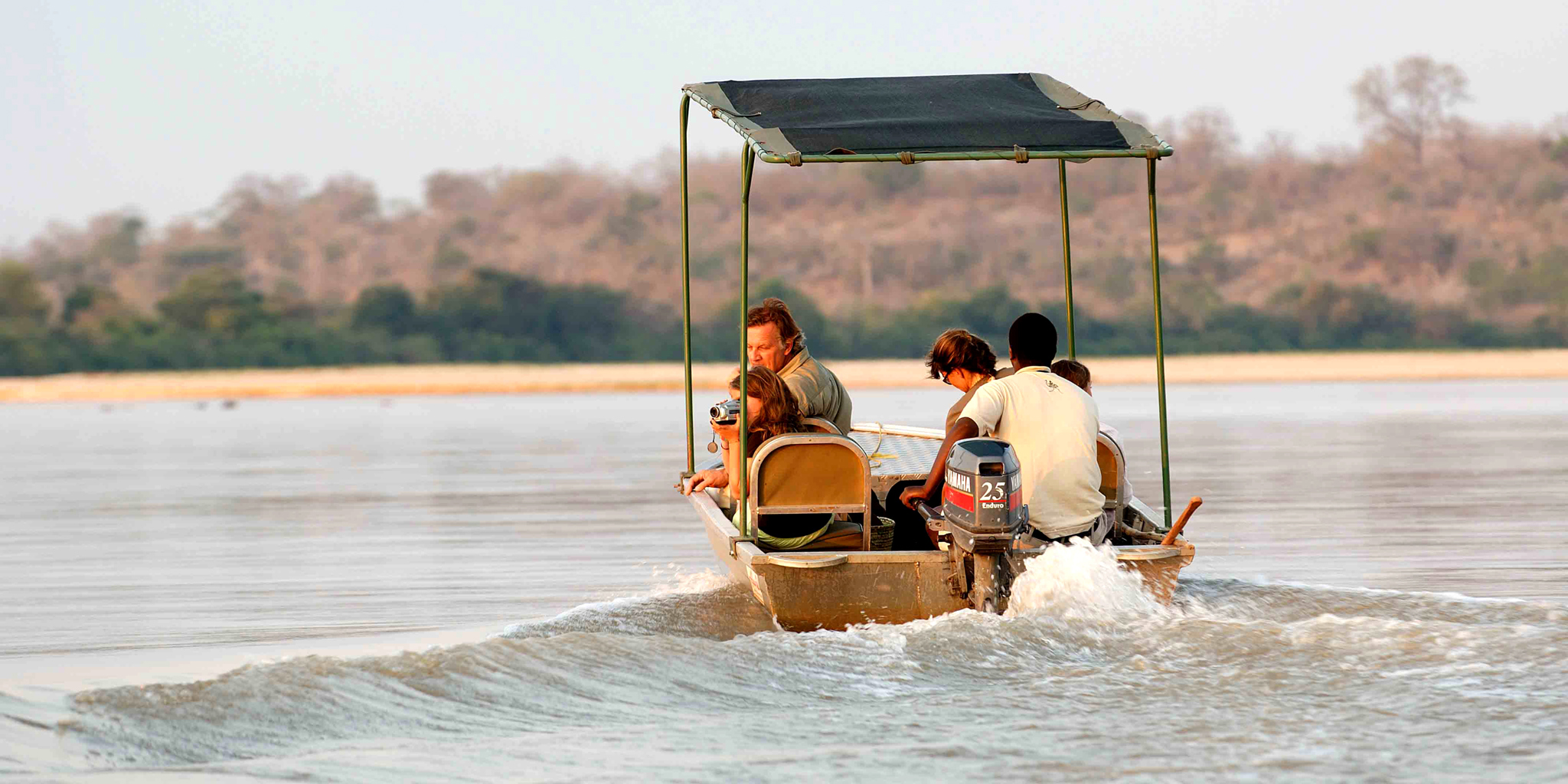
One of the most unique experiences in Nyerere National Park is the boat safari along the Rufiji River. This activity offers a completely different perspective, allowing close-up views of hippos, crocodiles, and birds along the riverbanks.
Walking Safaris
Guided walking safaris provide an opportunity to explore the bush on foot. Accompanied by experienced guides and armed rangers, visitors can learn about tracks, plants, and smaller animals.
Fishing (Optional)
Fishing is permitted in designated areas, particularly along the Rufiji River, adding another unique experience to your visit.
Accessibility
Nyerere National Park can be accessed by both road and air. It is approximately a 5–6 hour drive from Dar es Salaam.
For quicker access, scheduled and charter flights are available from Dar es Salaam, Zanzibar, and Arusha to various airstrips within the park.
Best Time to Visit
The best time to visit Nyerere National Park is during the dry season, from June to October, when wildlife gathers around water sources, making animals easier to spot.
The wet season, from November to May, offers lush green scenery and excellent birdwatching opportunities, although some areas may be less accessible due to rains.
Accommodation
The park offers a range of accommodations, from mid-range lodges to luxury tented camps, many located along the Rufiji River.
These lodges provide stunning views and often allow guests to observe wildlife directly from their rooms or dining areas.
Why Visit Nyerere National Park
Nyerere National Park is a perfect destination for travelers seeking a unique and diverse safari experience. Its combination of game drives, boat safaris, and walking safaris sets it apart from other parks in Tanzania.
With its vast size, rich wildlife, and peaceful environment, the park offers an authentic and less crowded alternative to the northern circuit.
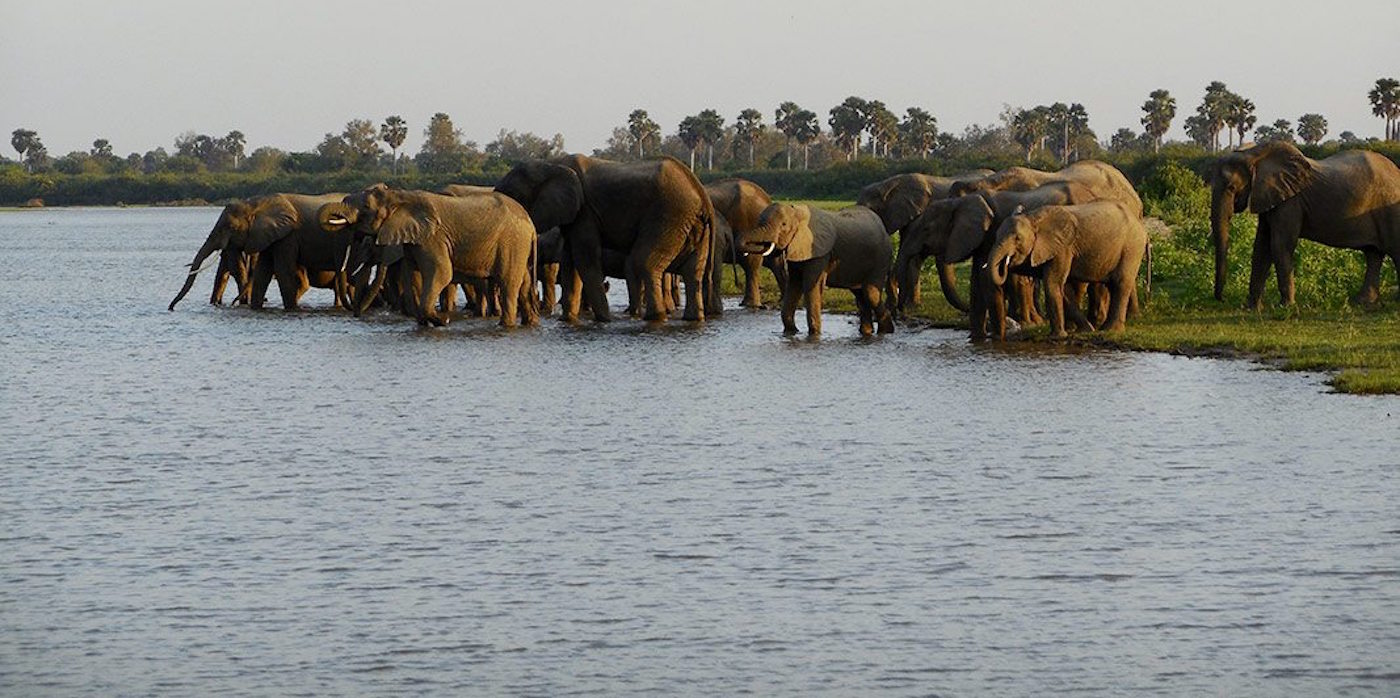
Whether you are cruising along the Rufiji River, walking through the bush, or watching elephants gather at the water’s edge, Nyerere National Park promises an unforgettable safari adventure in one of Africa’s most remarkable wilderness areas.