Northern Serengeti National Park

Northern Serengeti National Park

The northern region of Serengeti National Park is one of the most remote and spectacular safari destinations in Africa. Stretching toward the border of Kenya, this area is known for its unspoiled wilderness, rolling savannahs, and the iconic Mara River. Compared to the central and southern Serengeti, the north offers a quieter and more exclusive safari experience, making it ideal for travelers seeking solitude and authentic wildlife encounters.

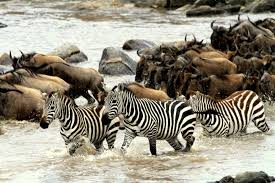
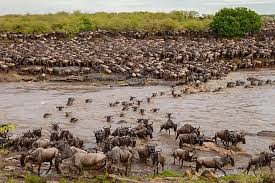
The Northern Serengeti National Park is most famous for the dramatic river crossings of the Great Migration, where thousands of wildebeest and zebras brave the crocodile-filled waters of the Mara River. This breathtaking spectacle typically occurs between July and October, attracting wildlife enthusiasts and photographers from around the world.

Landscape and Scenery

The landscape of the Northern Serengeti National Park is diverse and incredibly scenic. It features a mix of open grasslands, rolling hills, riverine forests, and rocky outcrops known as kopjes. The Mara River winds its way through the region, creating lush green corridors that contrast beautifully with the golden plains.

This varied terrain not only enhances the beauty of the region but also supports a wide range of wildlife habitats. The northern Serengeti National Park remains green for much of the year due to higher rainfall compared to the southern plains, making it an important refuge for animals during the dry season.

The remoteness of this region means fewer vehicles and crowds, allowing visitors to enjoy uninterrupted views and a deeper connection with nature.

Wildlife and the Great Migration

The Northern Serengeti National Park is a prime location to witness one of the most dramatic events in the natural world—the Great Migration. Each year, over a million wildebeest, along with hundreds of thousands of zebras and gazelles, move north in search of fresh grazing.

The highlight of this movement is the Mara River crossing, where herds gather along the riverbanks before making the dangerous journey across. The crossings are unpredictable and filled with tension, as crocodiles lie in wait and predators such as lions and hyenas patrol the area.

Beyond the migration season, the Northern Serengeti National Park is home to a rich diversity of resident wildlife. Visitors can expect to see elephants, giraffes, buffaloes, and a variety of antelope species. Predators, including lions, leopards, and cheetahs, are also commonly spotted, making this region a year-round safari destination.

Birdlife is abundant as well, with numerous species inhabiting the riverine forests and open plains, making it a great destination for birdwatching enthusiasts.

Activities and Experiences

Game drives are the primary activity in the Northern Serengeti National Park , offering excellent opportunities to explore the vast landscapes and observe wildlife in their natural habitat. Early morning and late afternoon drives are particularly rewarding, as animals are more active during these cooler times of day.

The region is especially popular for photographic safaris, thanks to its dramatic scenery and iconic wildlife events. The river crossings provide unique opportunities to capture powerful and emotional moments in nature.

Some camps and lodges also offer guided walking safaris, allowing guests to experience the bush on foot and gain a deeper understanding of the ecosystem. These walks are led by experienced guides who share insights into animal behavior, plant life, and the environment.

Accommodation

The Northern Serengeti National Park offers a range of accommodation options, from luxury lodges to intimate tented camps. Many of these camps are strategically located near the Mara River to provide easy access to migration viewing areas.

Mobile camps are also common in this region, moving seasonally to follow the migration. These camps provide an authentic and immersive safari experience while maintaining high levels of comfort and service.

Despite its remote location, the area is well-equipped to cater to different types of travelers, including couples, families, and photographers.

Why Visit Northern Serengeti

The Northern Serengeti National Park is a must-visit destination for anyone looking to experience the raw beauty and drama of the African wilderness. Its combination of breathtaking landscapes, abundant wildlife, and the iconic Mara River crossings makes it one of the most exciting safari destinations in Tanzania.

For travelers seeking fewer crowds, exclusive experiences, and unforgettable wildlife encounters, the Northern Serengeti offers a truly unique and rewarding safari adventure.
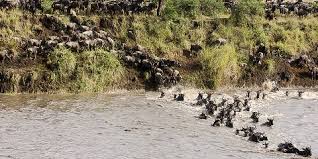
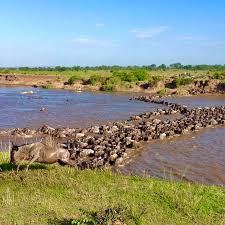
The northern region of Serengeti National Park is one of the most wildlife-rich areas in Africa, offering an incredible concentration of animals throughout the year, especially around the life-giving waters of the Mara River. This region is best known for hosting the dramatic Great Migration, where vast herds of wildebeest and zebras gather between July and October, creating one of nature’s most spectacular events as they cross the crocodile-filled river. Alongside these large herds, visitors can frequently spot iconic predators such as lions, cheetahs, and elusive leopards, which thrive in this ecosystem due to the abundance of prey. The area is also home to large populations of elephants, giraffes, and buffaloes, often seen roaming freely across the open plains and woodland areas. Spotted hyenas are commonly observed scavenging or hunting, while Nile crocodiles dominate the riverbanks, especially during migration crossings. In addition, a variety of antelope species, including gazelles and impalas, graze across the savannah, contributing to the rich biodiversity of the region. Birdlife is equally impressive, with numerous species inhabiting both the grasslands and riverine forests. Thanks to its permanent water sources and diverse habitats, the Northern Serengeti provides excellent year-round game viewing, making it a prime destination for unforgettable safari experiences filled with constant wildlife activity and breathtaking natural beauty.

Most common animals

Most Common Animals in Northern Serengeti National Park

The northern region of Serengeti National Park is rich in wildlife and offers some of the best game-viewing opportunities in Africa. Thanks to its permanent water sources like the Mara River, animals can be seen here throughout the year. Below are the most common animals you are likely to encounter:

Wildebeest

Wildebeest are the most iconic animals in the Northern Serengeti, especially during the Great Migration. Between July and October, massive herds gather near the Mara River, preparing for dramatic river crossings. Outside migration season, smaller resident groups remain in the area.

Zebras

Zebras are commonly seen alongside wildebeest, forming mixed herds as they migrate and graze together. Their strong eyesight helps detect predators, making them important companions in the wild.

African Elephants

Large herds of elephants roam the Northern Serengeti National Park , often seen near riverbanks and in wooded areas. These gentle giants are among the most impressive animals to observe, especially as they move in family groups.

Lions

Lions are abundant in this region and are often spotted resting under trees or stalking prey on the open plains. The Northern Serengeti is an excellent place to witness lion behavior, including hunting and pride interactions.

Leopards

Leopards are more elusive but can often be found in riverine forests along the Mara River. They are solitary animals and are usually seen resting on tree branches during the day.

Cheetahs

Cheetahs prefer open grasslands, making the Northern Serengeti a suitable habitat. They are known for their incredible speed and are often seen scanning the plains for prey such as gazelles.

Giraffes

Giraffes are commonly seen browsing on acacia trees across the region. Their tall stature and graceful movements make them one of the most recognizable animals on safari.

Buffaloes

African buffaloes are frequently found in large herds, often near water sources. They are powerful animals and one of the “Big Five,” making them a highlight for many visitors.

Hyenas

Spotted hyenas are common predators and scavengers in the Northern Serengeti. They are highly intelligent and often seen around migration areas, especially during river crossings.

Crocodiles

The Mara River is home to large Nile crocodiles, which are most active during the migration season. They play a key role during river crossings, creating dramatic and unforgettable safari moments.

Antelopes and Gazelles

Various species of antelopes, including Thomson’s gazelles and impalas, are widespread across the region. They are a primary food source for predators and are commonly seen grazing on the plains.

Birdlife

The Northern Serengeti is also rich in bird species, including eagles, vultures, ostriches, and colorful bee-eaters. Birdwatchers will find plenty to enjoy throughout the area.

Facts about Northern Serengeti National Park

Facts About Northern Serengeti National Park

The northern part of Serengeti National Park is one of the most remarkable wildlife regions in Africa, known for its untouched wilderness and incredible biodiversity. One of its most famous features is the Mara River, which serves as a vital water source and the stage for the dramatic Great Migration river crossings. This region experiences higher rainfall than the southern plains, allowing it to remain green for much of the year and support a large number of resident animals even outside migration season. The Northern Serengeti is less crowded compared to other parts of the park, offering a more exclusive and peaceful safari experience with fewer vehicles and more intimate wildlife encounters. It is home to all members of the “Big Five” — lions, leopards, elephants, buffaloes, and occasionally rhinos — along with a wide variety of other mammals and bird species. The area also features diverse landscapes, including rolling hills, riverine forests, open savannahs, and rocky kopjes, which create ideal habitats for different types of wildlife. Due to its proximity to Kenya’s Maasai Mara, animals move freely across the border as part of the natural migration cycle. The best time to visit the Northern Serengeti is between July and October, when the migration reaches the area, although it remains a rewarding destination year-round. Its remote location, combined with spectacular wildlife events and stunning scenery, makes the Northern Serengeti one of the most unique and sought-after safari destinations in Tanzania.