Ngorongoro Crater
The Ngorongoro Crater is one of the most iconic natural wonders of Tanzania and a UNESCO World Heritage Site. Often described as a “natural Eden,” it is the world’s largest inactive volcanic caldera, measuring about 20 kilometers in diameter and covering roughly 260 square kilometers. Its unique combination of geological history, breathtaking scenery, and dense wildlife populations makes it an unparalleled safari destination.
Geography and Landscape
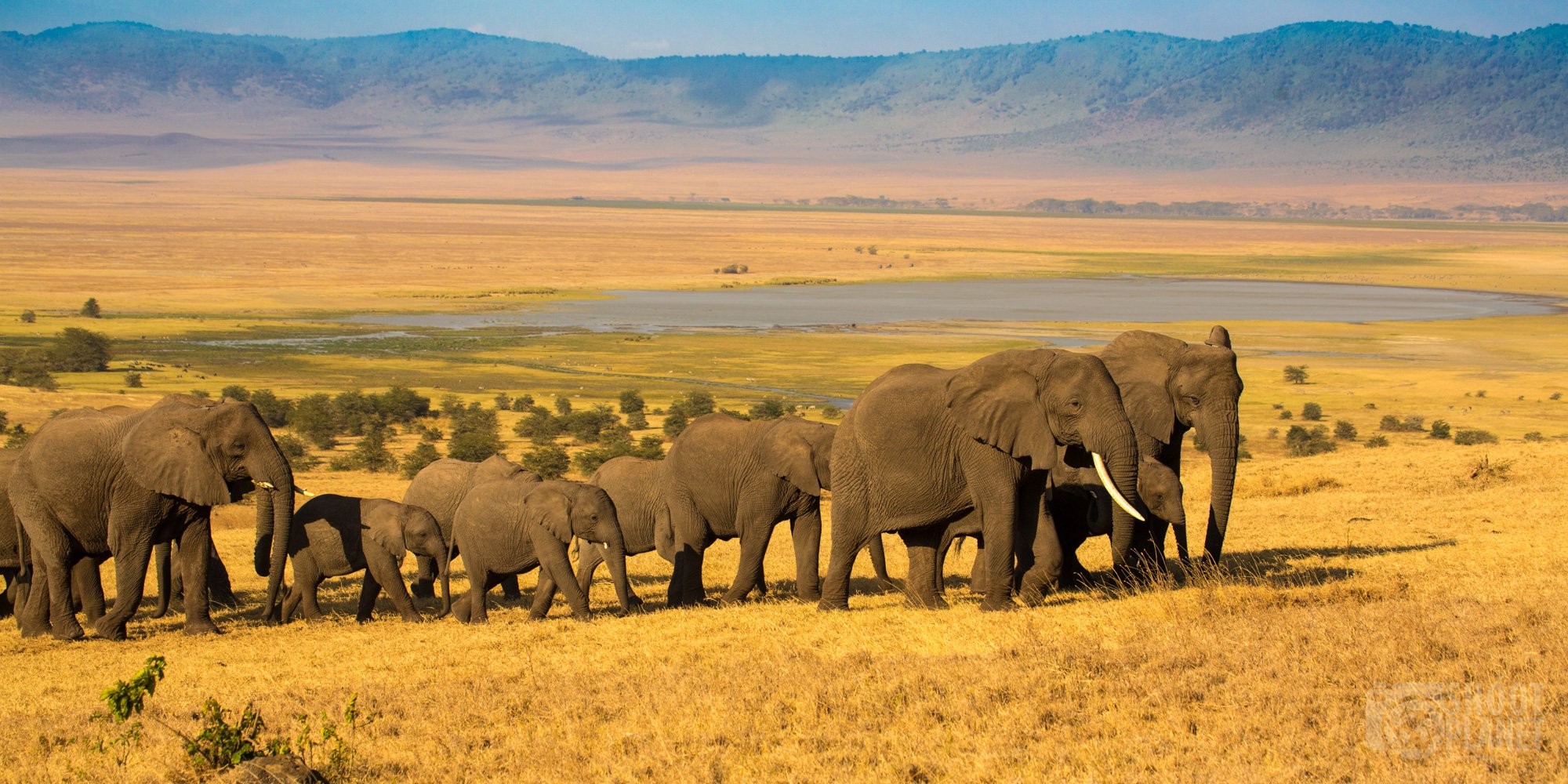
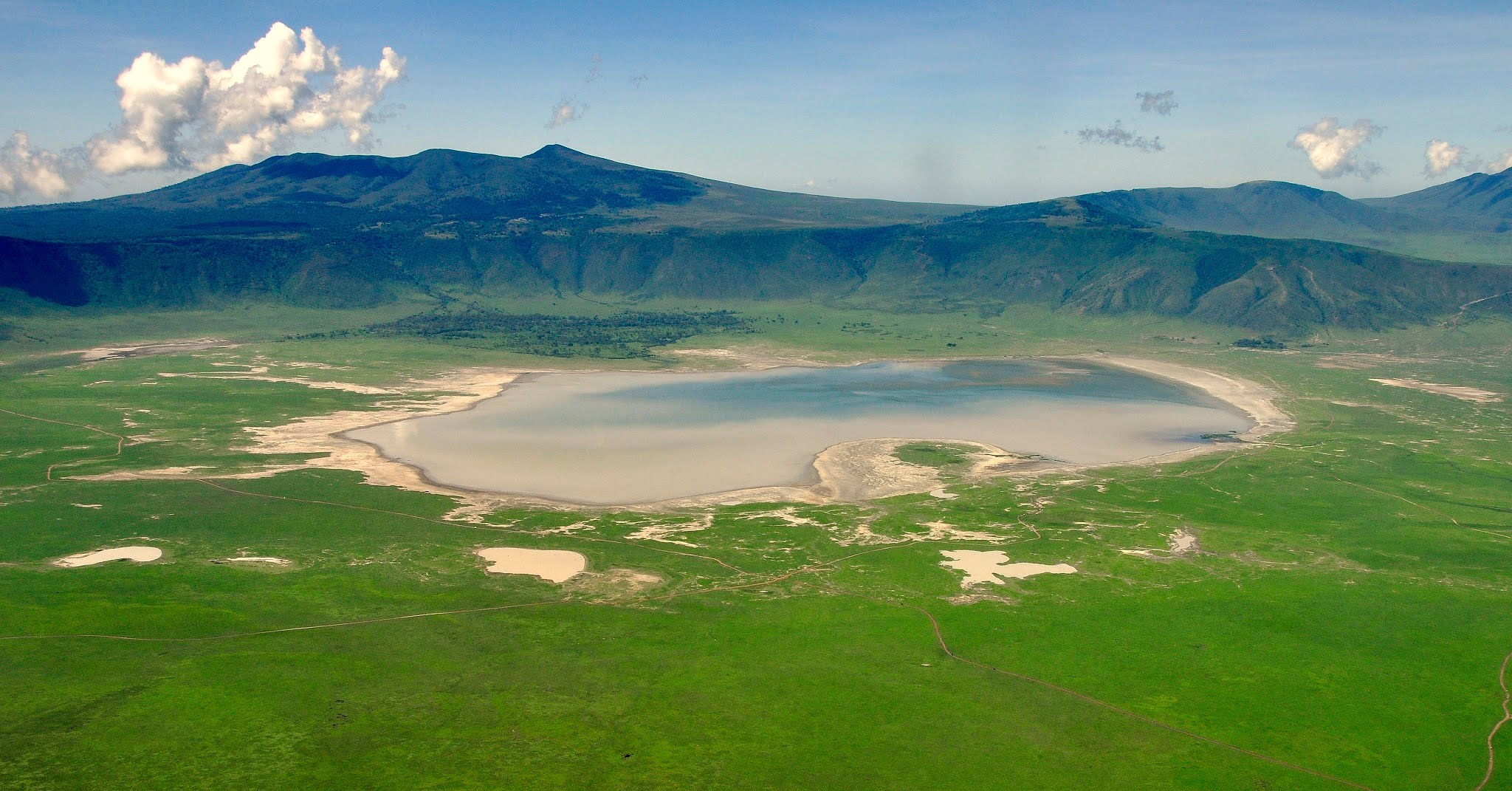
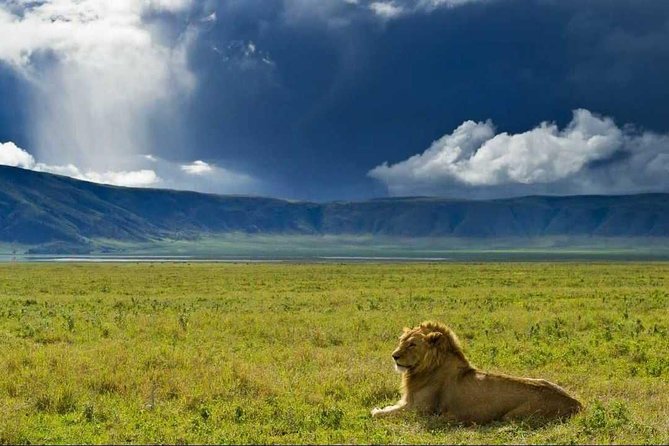
Ngorongoro Crater was formed nearly three million years ago when a massive volcano exploded and collapsed in on itself. Today, the caldera floor is a lush mix of grasslands, swamps, and acacia forests, creating a perfect habitat for a wide array of wildlife.
- Crater Rim: Offers panoramic views of the entire caldera, making it ideal for photography and sightseeing.
- Crater Floor: Contains diverse ecosystems including grass plains, soda lakes, and small forests, providing refuge to thousands of animals.
- Water Sources: Lakes and springs in the crater sustain wildlife throughout the year, even in the dry season.
Wildlife and Safari Experience
The Ngorongoro Crater is famous for its high density of wildlife in a relatively small area:
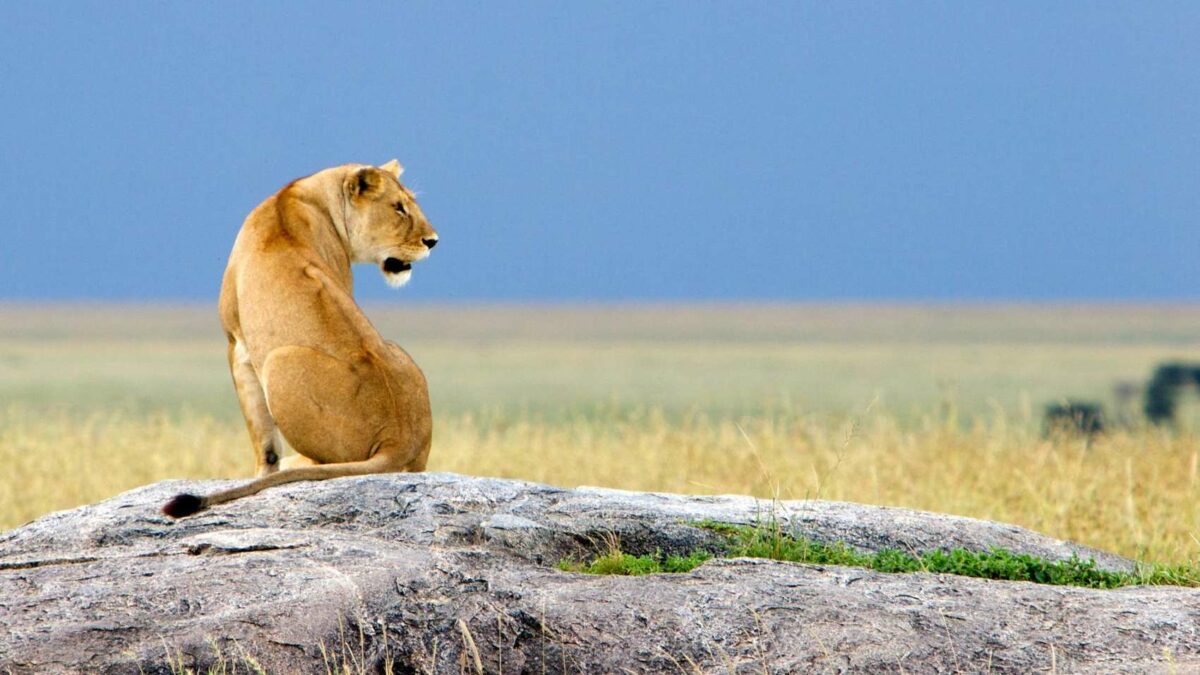
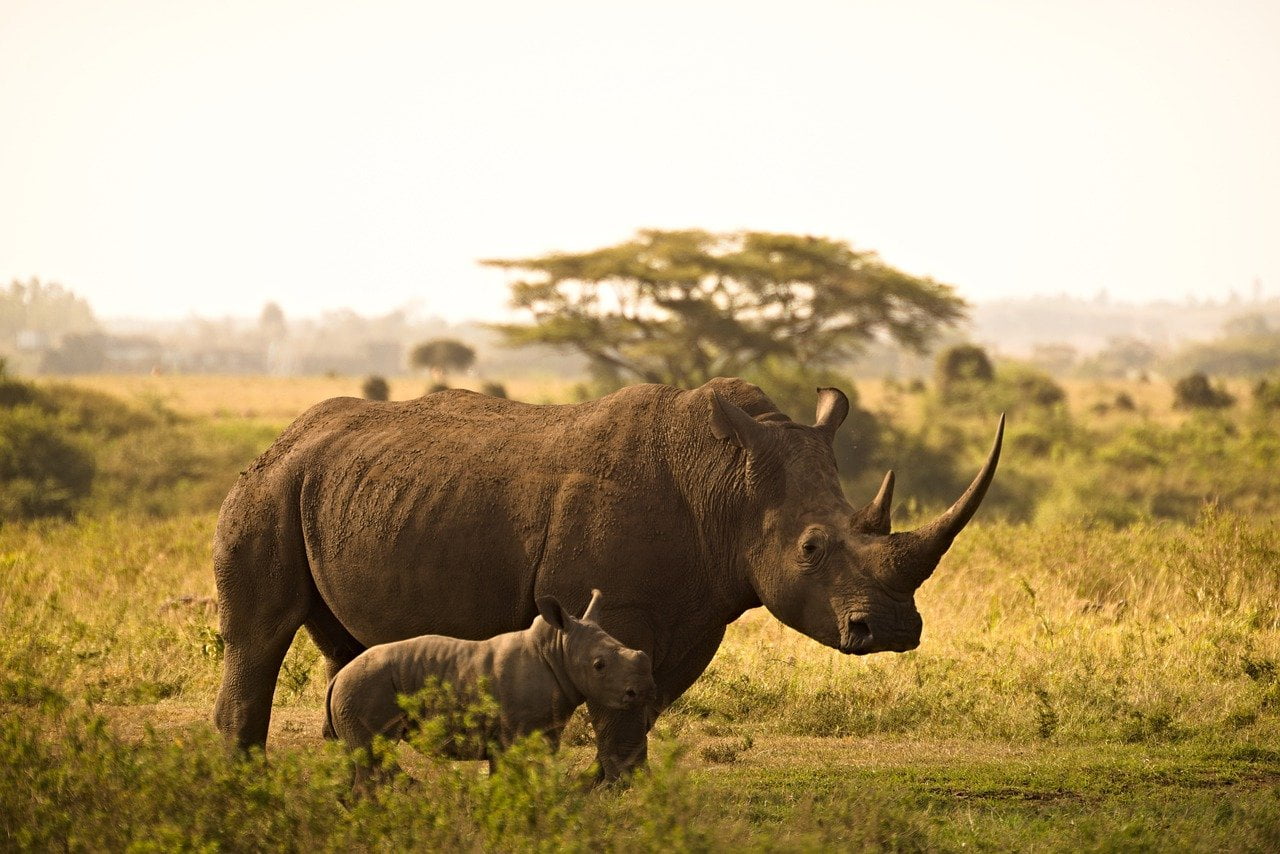
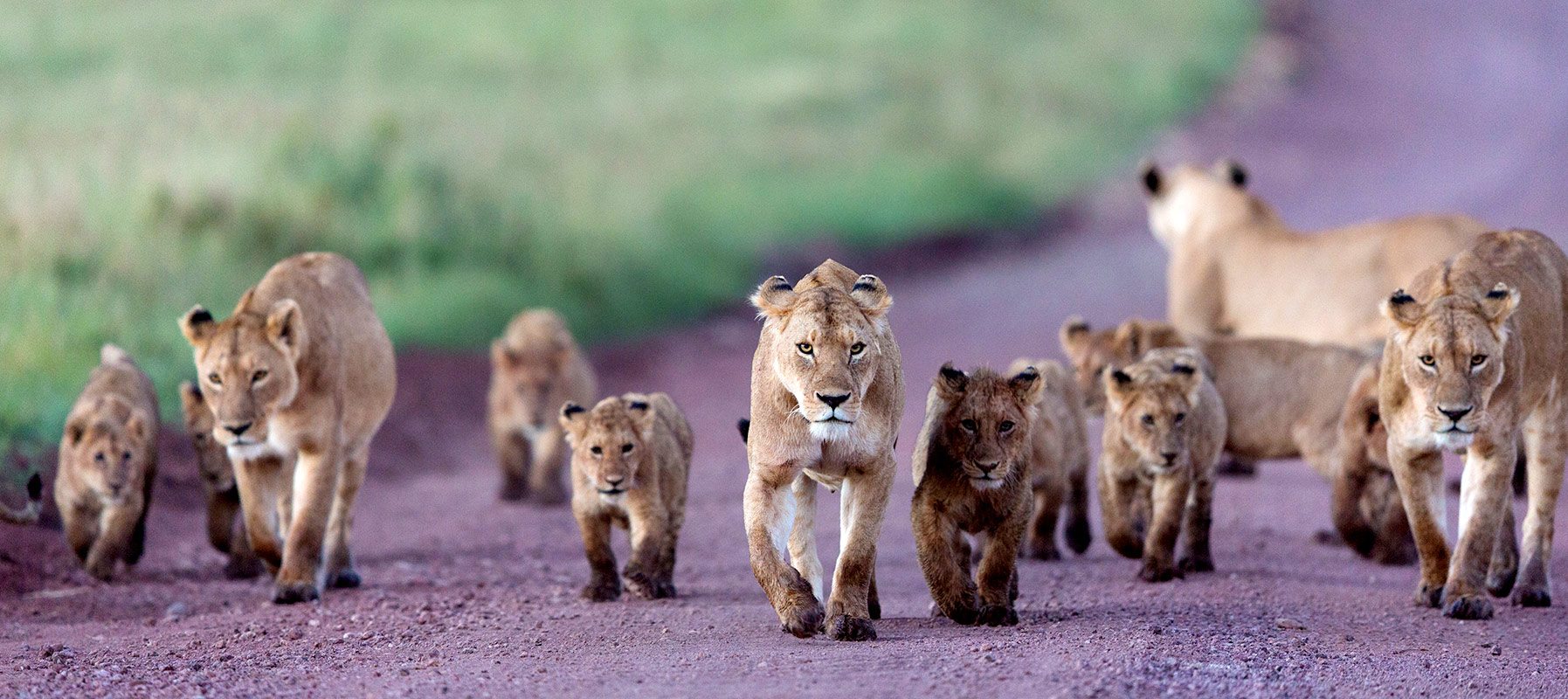
- The Big Five: Lions, elephants, rhinos, leopards, and buffaloes are regularly seen here. The crater is especially famous for its critically endangered black rhino population.
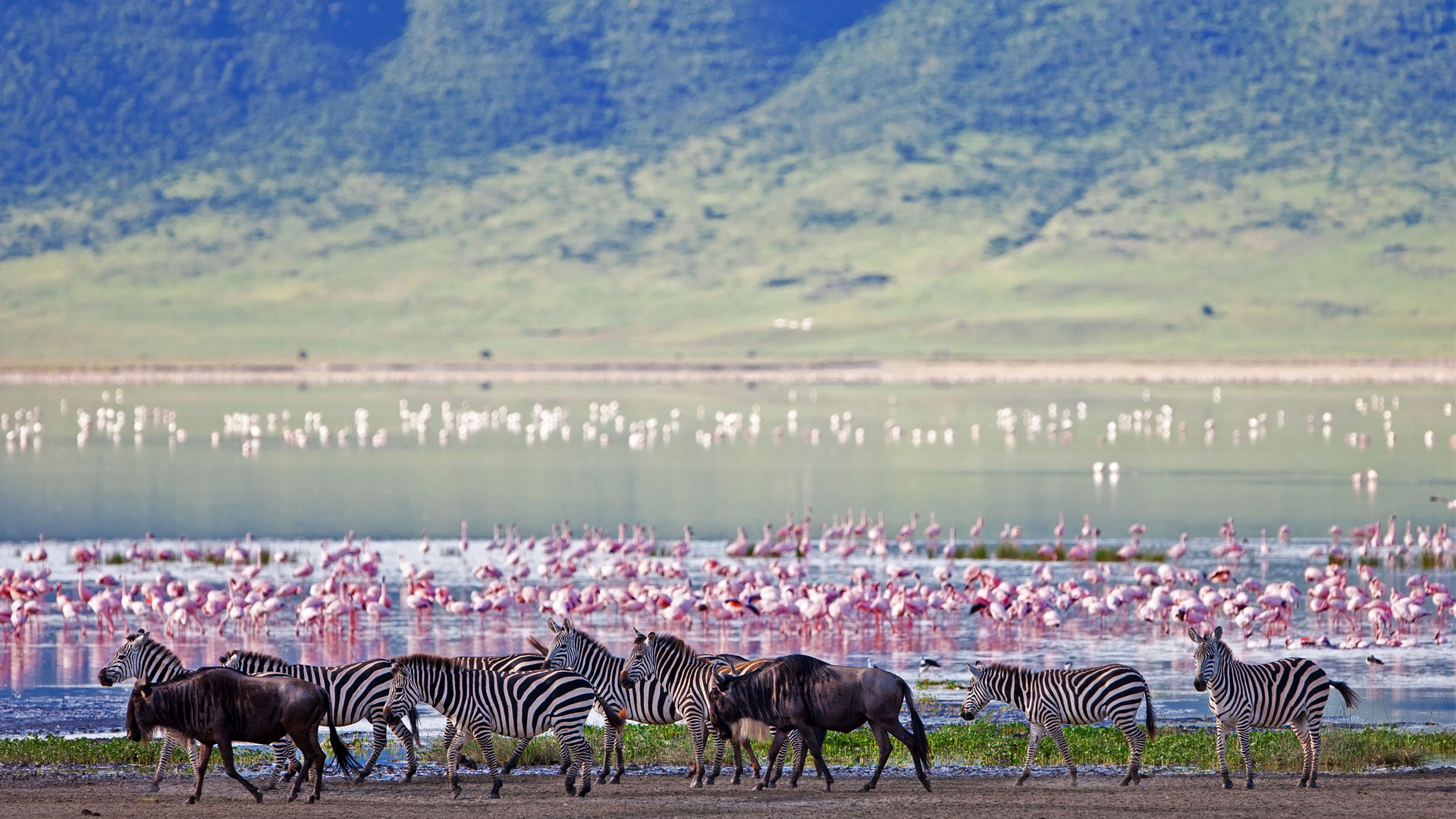
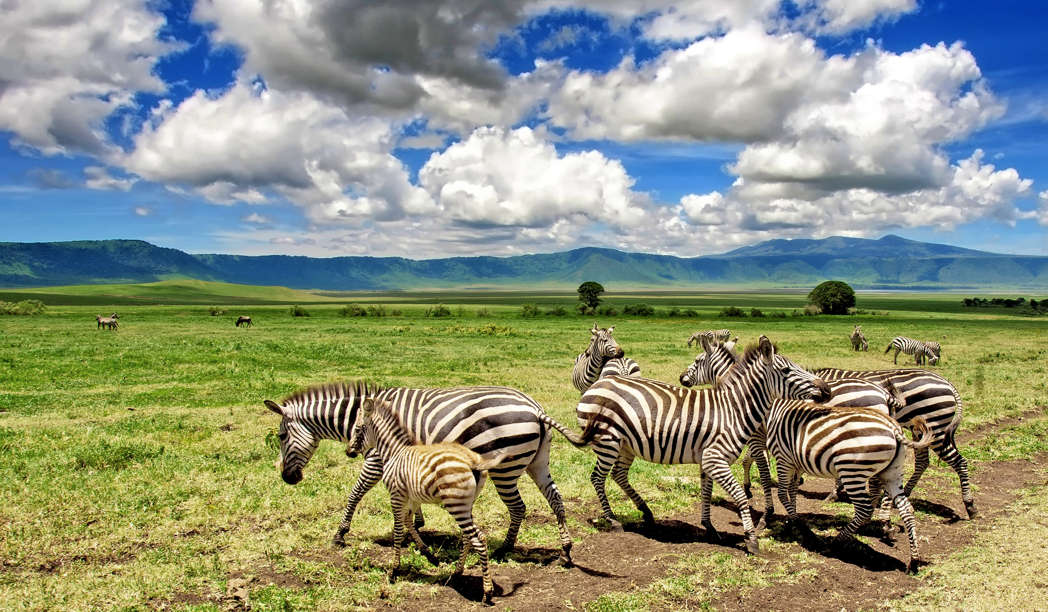
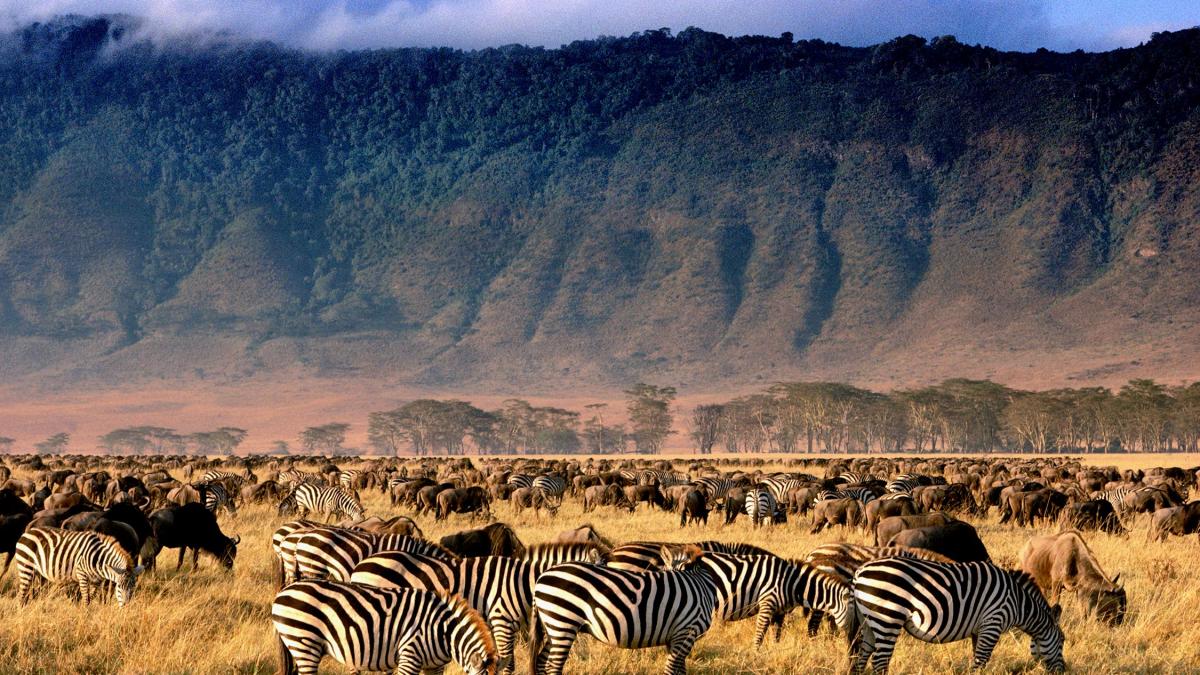
- Other Mammals: Hippos, zebras, wildebeests, gazelles, hyenas, and warthogs roam freely across the plains.
- Birdlife: Over 500 bird species have been recorded, including flamingos, crowned cranes, and ostriches.
- Predator Activity: The crater offers excellent opportunities to observe predator-prey interactions due to the dense wildlife populations.
Activities and Experiences
Game Drives
Game drives are the primary activity. Early morning drives are recommended to spot predators before they rest during the heat of the day. The compact size of the crater allows for more wildlife viewing in a shorter time compared to larger parks.
Cultural Visits
The Maasai people live around the crater rim. Visitors can learn about their traditional lifestyle, ceremonies, and cattle-herding practices.
Scenic Photography
From the rim to the floor, every angle of Ngorongoro provides stunning landscapes, making it a photographer’s paradise. Sunrise and sunset over the crater are particularly spectacular.
Birdwatching
The crater’s varied habitats attract a wide range of bird species. The soda lakes occasionally host flocks of flamingos, adding bursts of color to the landscape.
Accessibility
Ngorongoro Crater is located about 180 kilometers (roughly 4–5 hours) from Arusha and is often visited as part of the northern safari circuit including Serengeti National Park and Lake Manyara National Park.
Best Time to Visit
- Dry season (June–October): Easier to spot wildlife, less muddy roads, and clearer views from the crater rim.
- Wet season (November–May): The crater is lush and green, birdwatching is excellent, though some areas can be slippery.
Accommodation
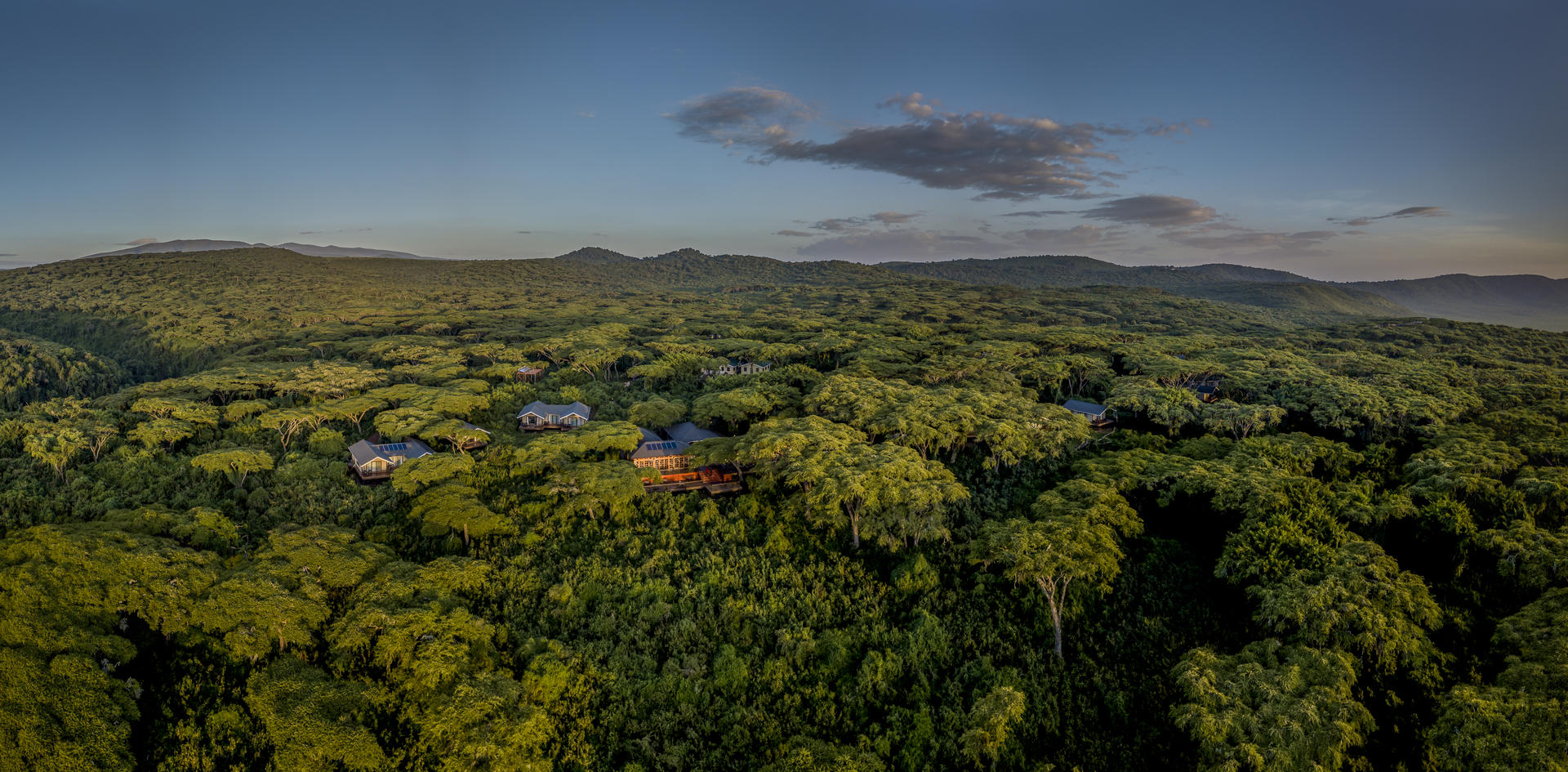
Accommodations near the crater rim and in surrounding conservation areas range from luxury lodges to mid-range lodges and tented camps. Staying near the rim allows for early morning drives and convenient access to the crater.
Why Visit Ngorongoro Crater
Ngorongoro Crater is a once-in-a-lifetime safari destination. Its combination of dramatic landscapes, dense wildlife populations, and rich cultural experiences offers a unique perspective on Africa’s natural heritage. Whether you’re hoping to see the Big Five, witness flamingos in the soda lake, or experience Maasai culture, Ngorongoro delivers an unforgettable adventure in one of the world’s most remarkable natural settings.