
Mount Kilimanjaro
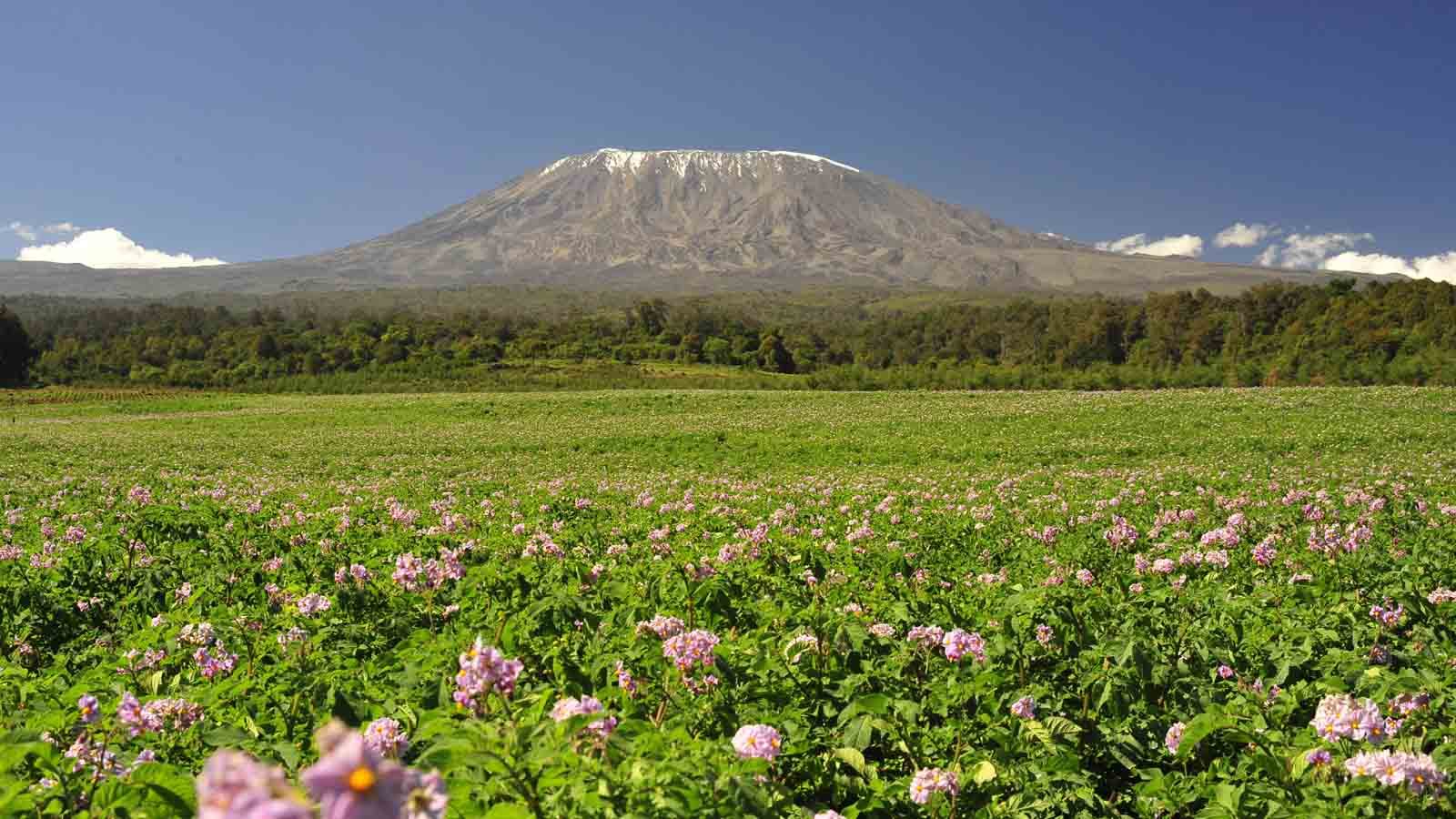
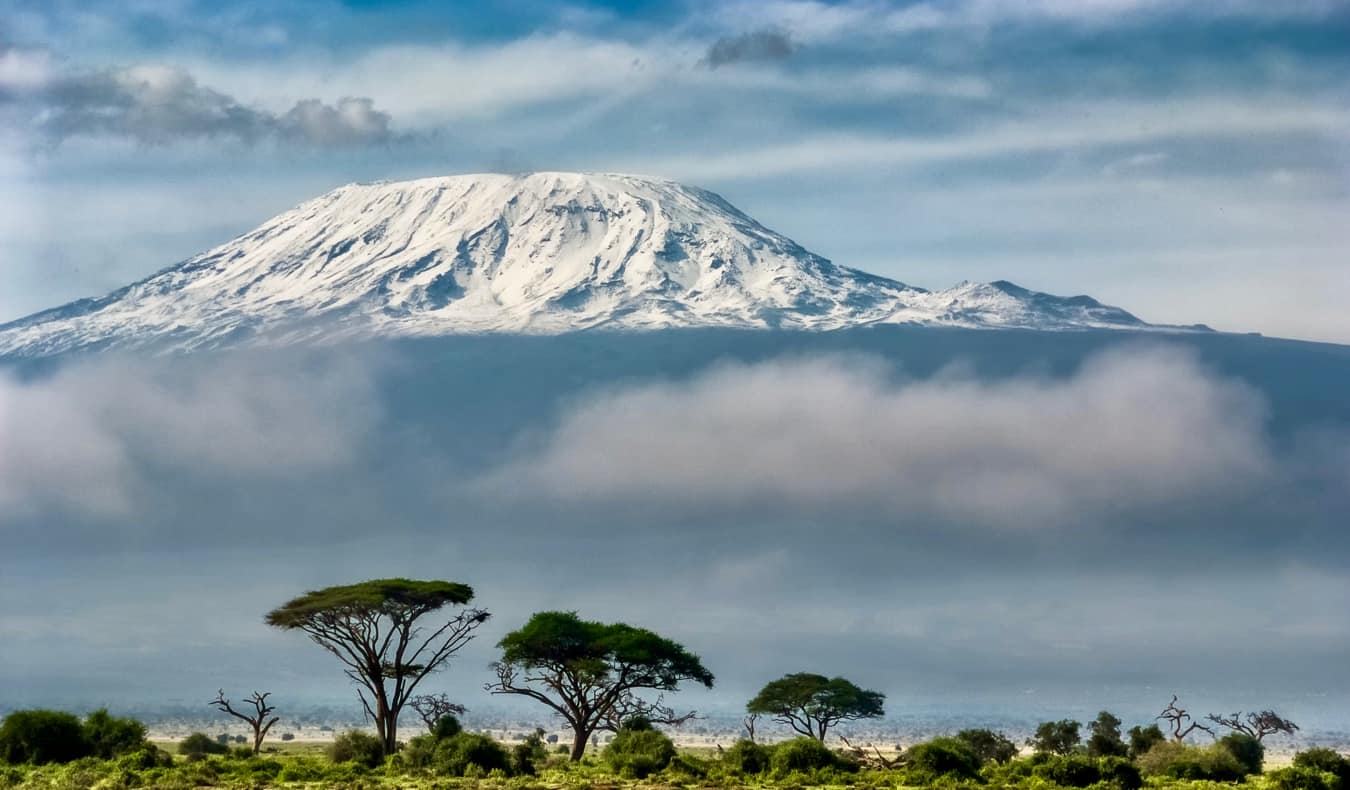
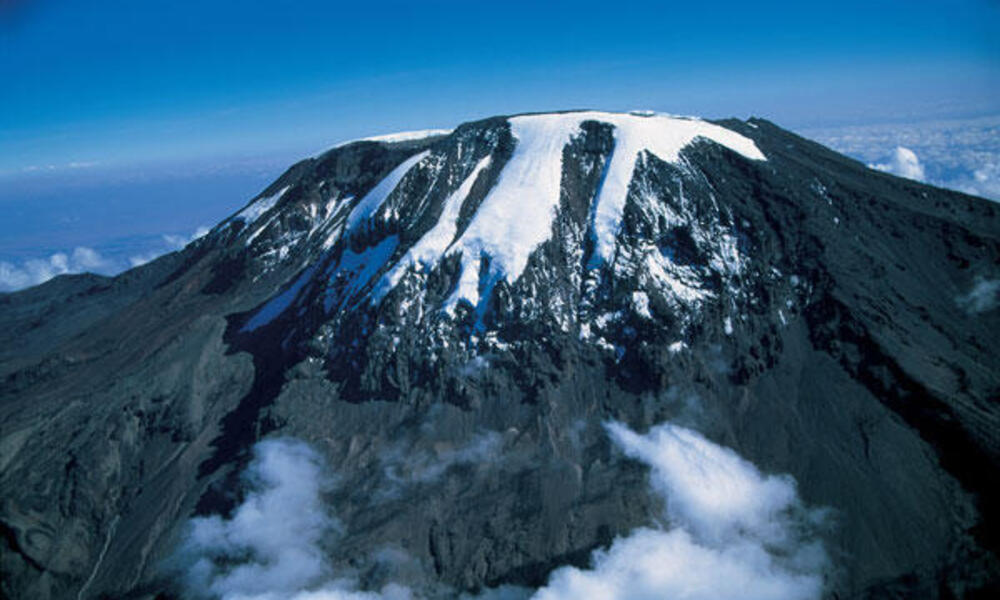
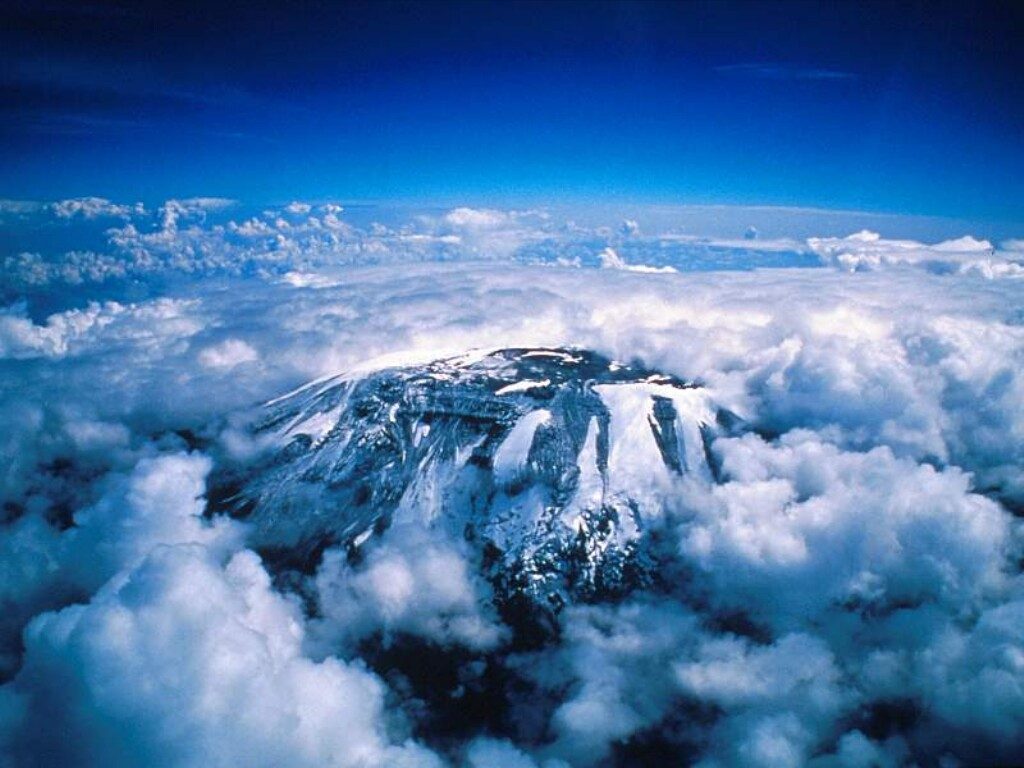
Mount Kilimanjaro is the highest mountain in Africa and one of the most iconic natural landmarks in the world. Rising to 5,895 meters above sea level, it stands proudly in northern Tanzania near the border with Kenya, close to the town of Moshi.
Unlike many of the world’s highest peaks, Kilimanjaro is a free-standing mountain, not part of a mountain range. It is also one of the few high summits that can be climbed without technical mountaineering skills, making it a popular destination for trekkers from around the globe.
Geography and Structure
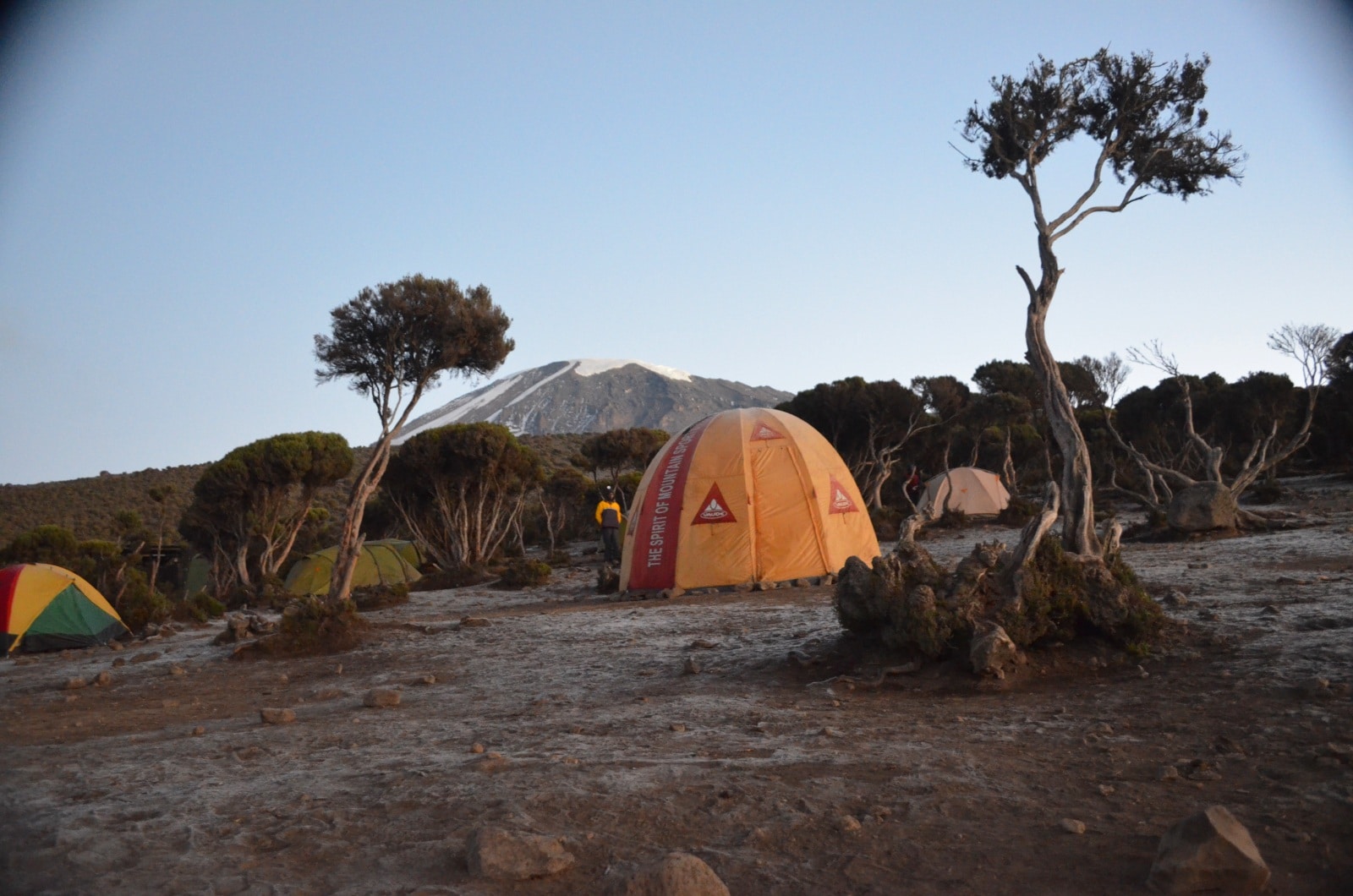
Mount Kilimanjaro is a dormant volcanic mountain composed of three volcanic cones: Kibo, Mawenzi, and Shira.
- Kibo is the highest and central cone, where the summit, Uhuru Peak, is located.
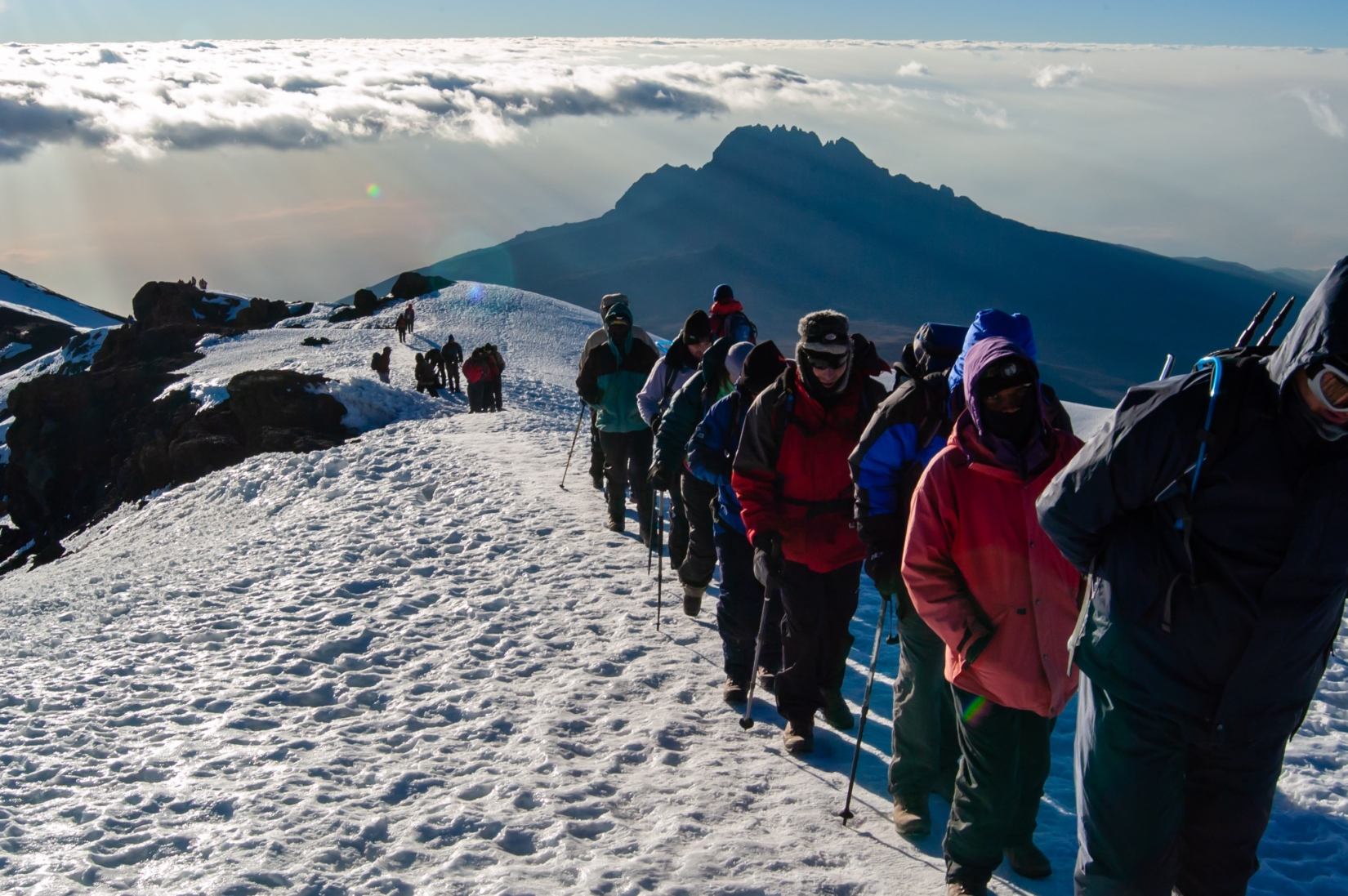
- Mawenzi is rugged and jagged, rarely climbed due to its technical difficulty.
- Shira is the oldest and has largely eroded into a plateau.
The mountain’s unique structure allows climbers to experience multiple climate zones in just a few days.
Climate Zones
One of the most fascinating aspects of Kilimanjaro is its diverse ecological zones:
- Rainforest Zone (1,800m – 2,800m)
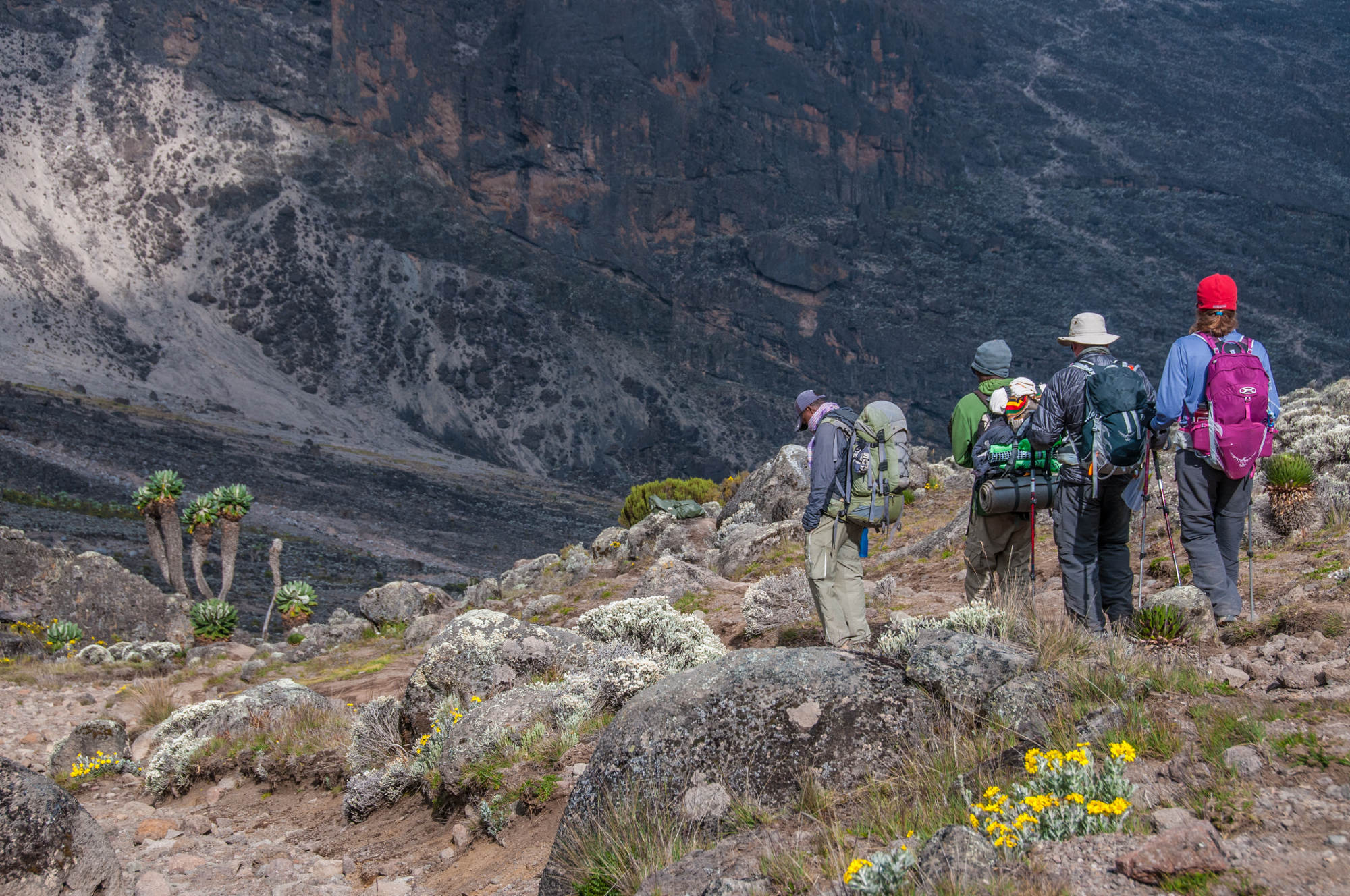
Lush, green forest filled with birds, monkeys, and dense vegetation. - Moorland Zone (2,800m – 4,000m)
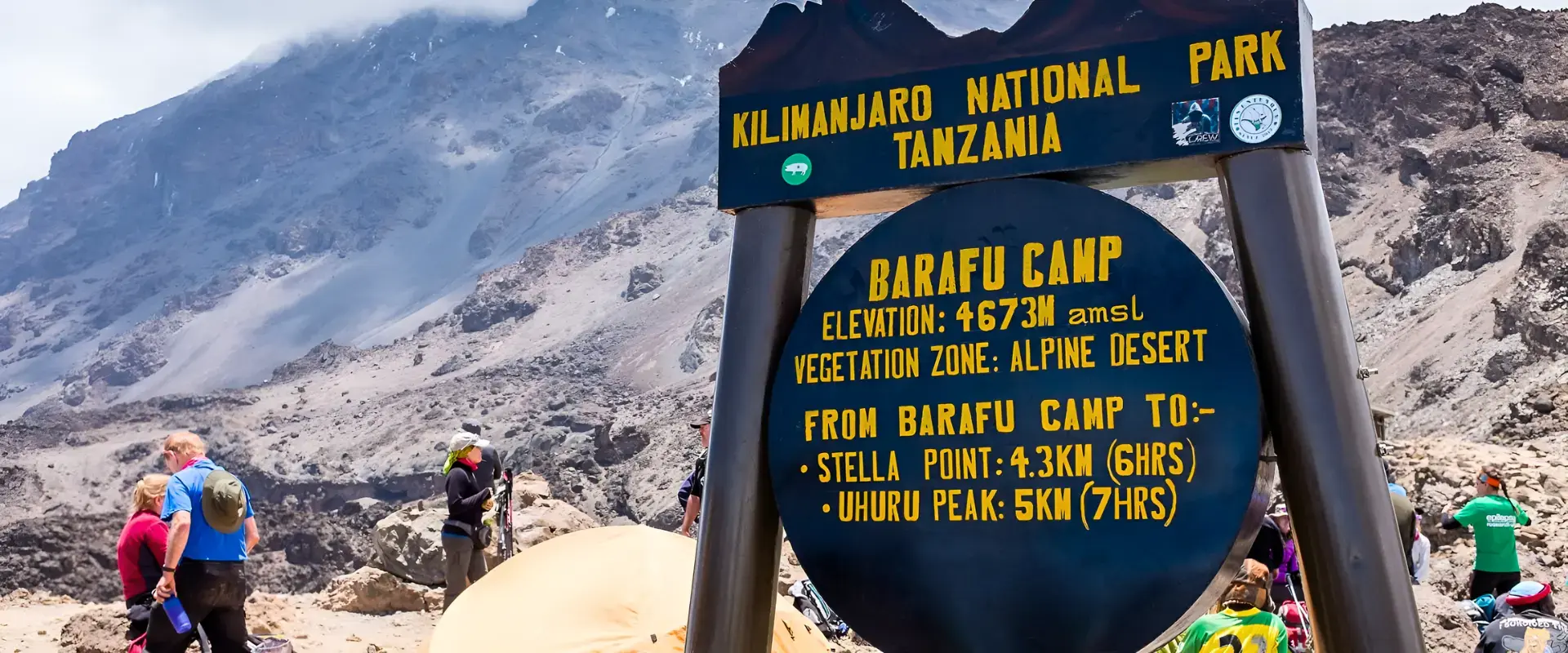
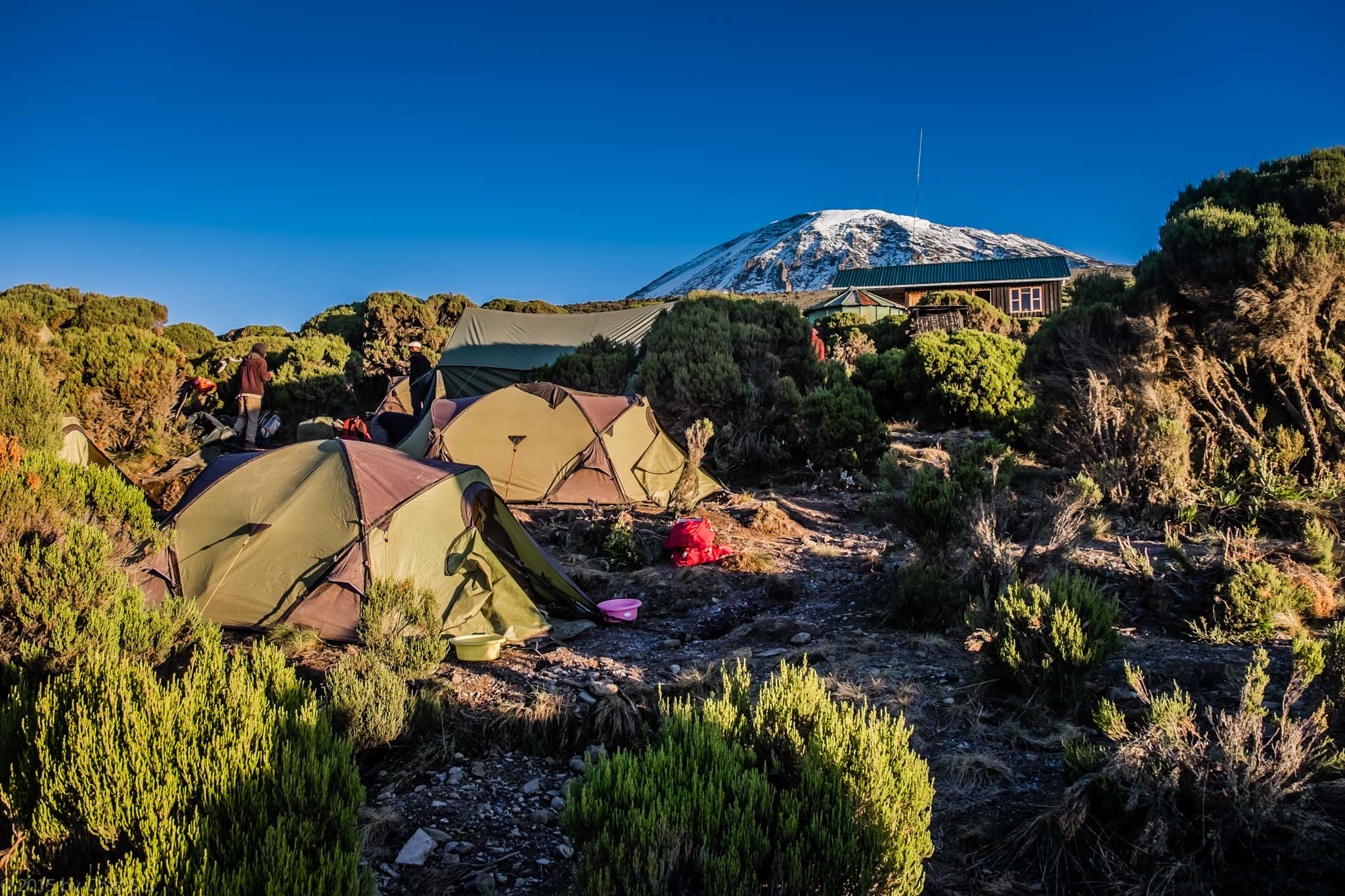
Characterized by open landscapes, giant lobelias, and senecio plants. - Alpine Desert (4,000m – 5,000m)
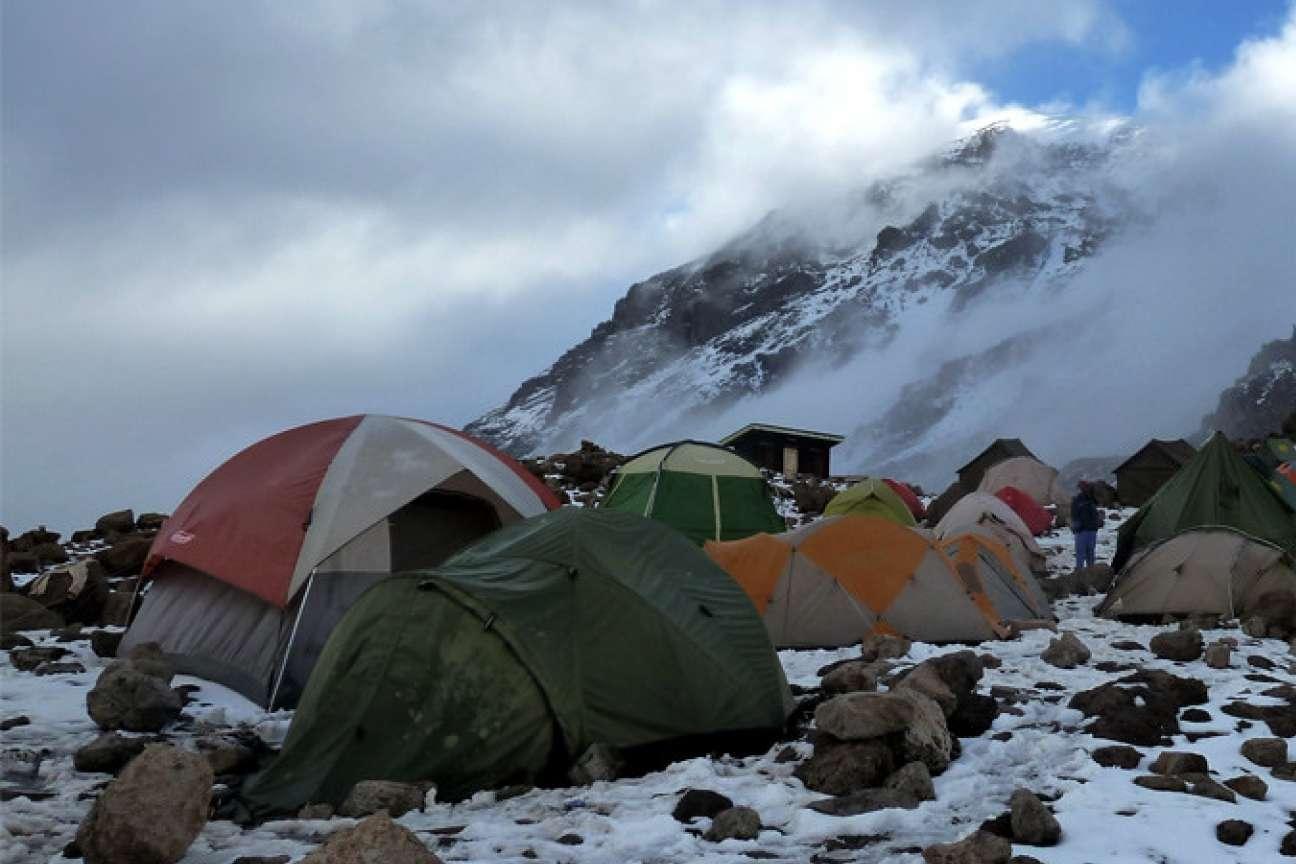
Dry, rocky terrain with extreme temperature variations. - Arctic Zone (Above 5,000m)
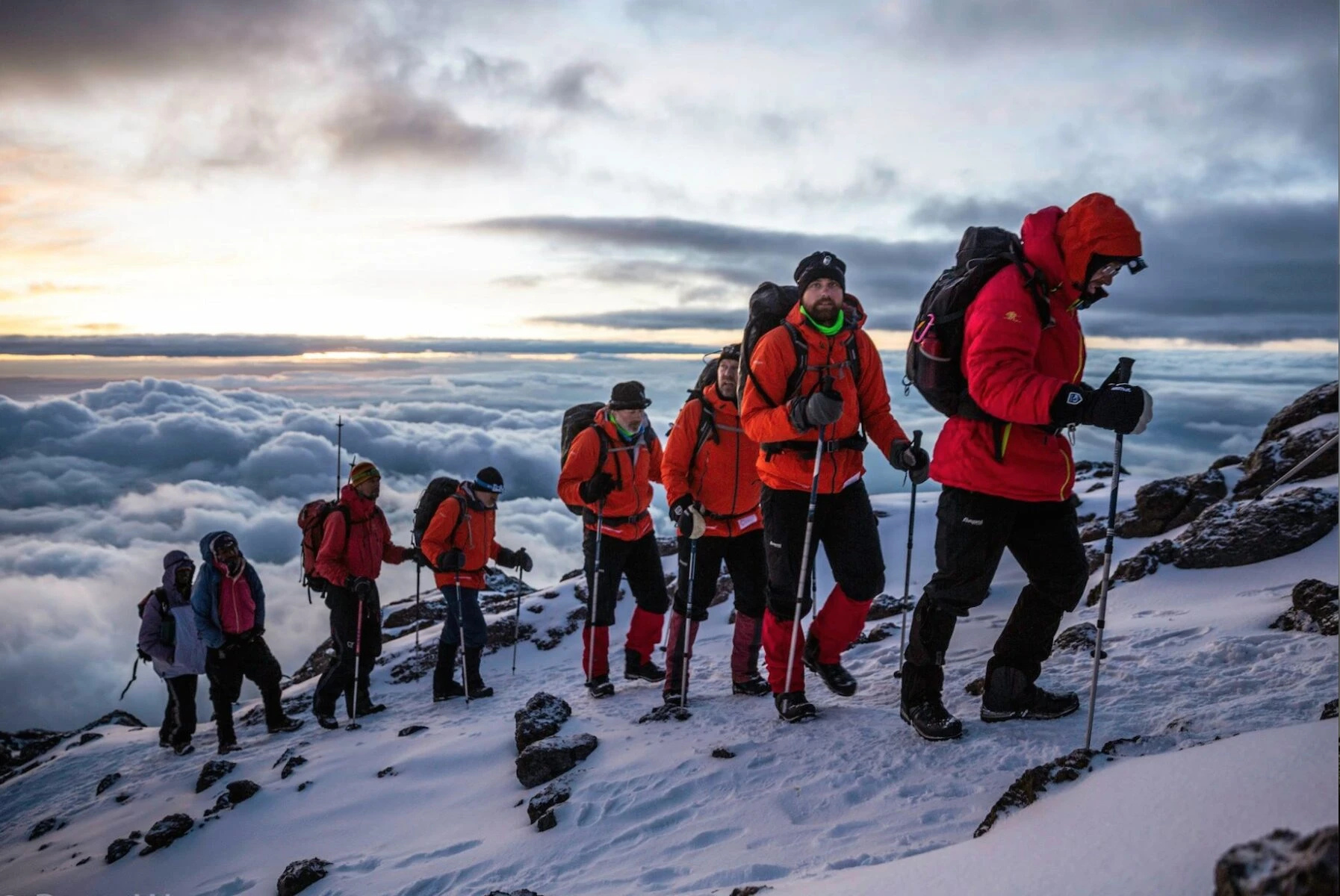
Harsh, cold, and covered with glaciers near the summit.
This gradual change in environment is what makes climbing Kilimanjaro such a unique experience.
Climbing Routes
There are several established routes to reach the summit, each offering different experiences:
- Lemosho Route – Scenic, less crowded, excellent for acclimatization
- Machame Route – Popular and challenging with beautiful views
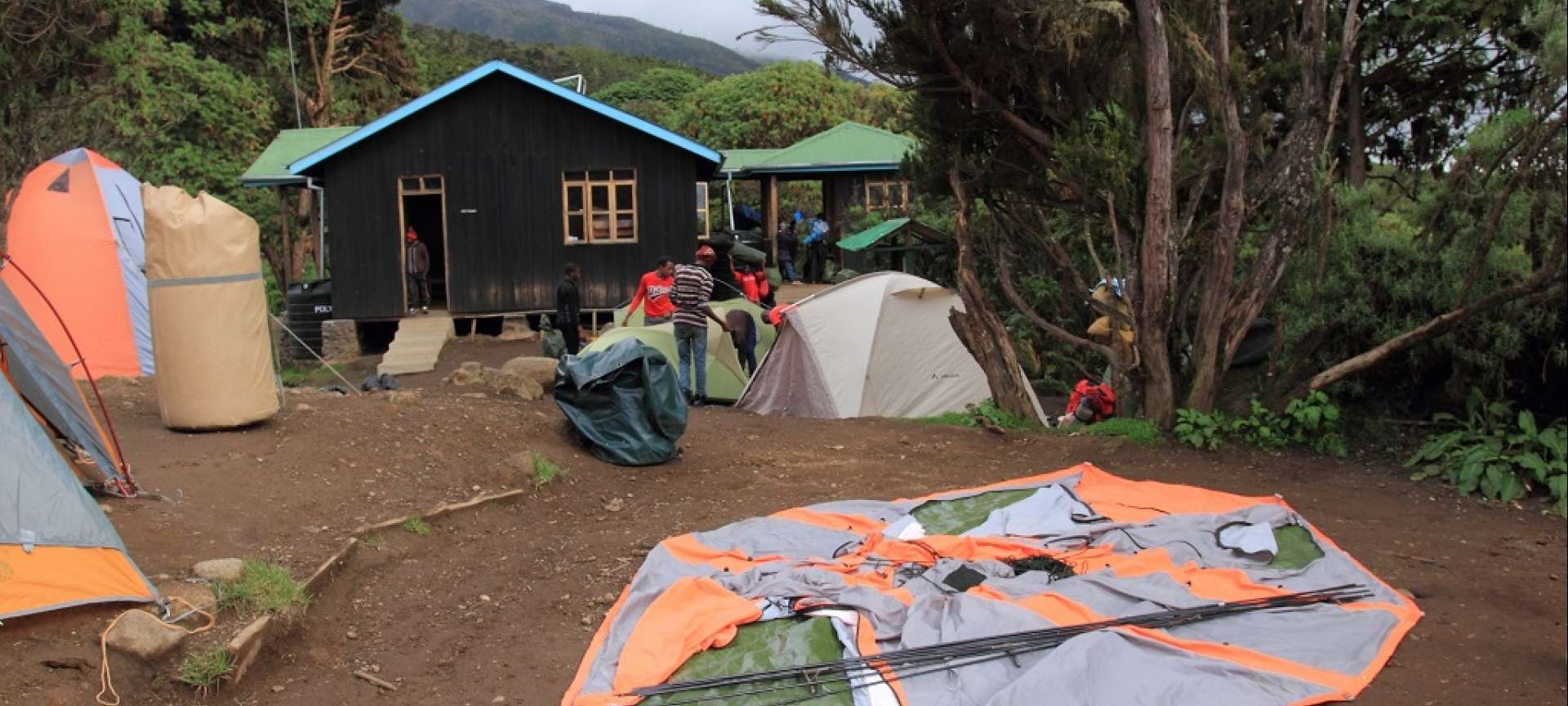
- Marangu Route – Known as the “Coca-Cola Route,” with hut accommodations
- Rongai Route – Drier and less crowded, approaching from the north
- Northern Circuit – Longest route with highest success rate
Among these, the Lemosho and Machame routes are considered the most scenic and successful.
Wildlife and Natural Beauty
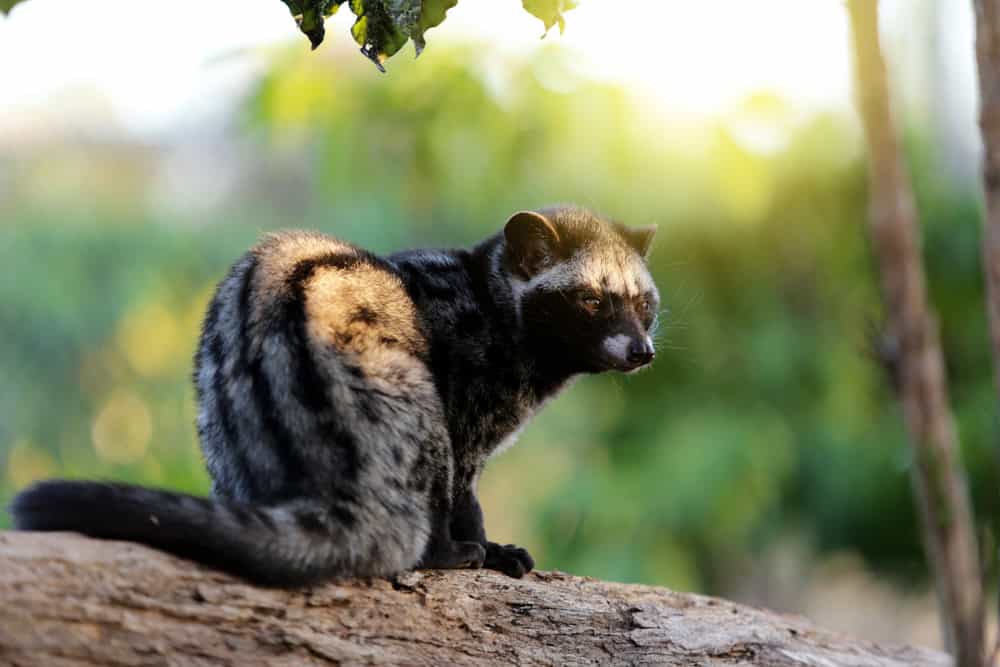
Although Mount Kilimanjaro is famous for trekking, it also hosts a variety of wildlife, especially in the lower rainforest zone.
You may encounter colobus monkeys, blue monkeys, and various bird species. The mountain’s vegetation and landscapes are equally impressive, offering breathtaking views at every stage of the climb.
Best Time to Climb
The best times to climb Mount Kilimanjaro are during the dry seasons:
- January to March – Cooler with fewer crowds
- June to October – Warmer and more popular
Climbing during these periods increases the chances of clear views and a successful summit.
Difficulty and Preparation
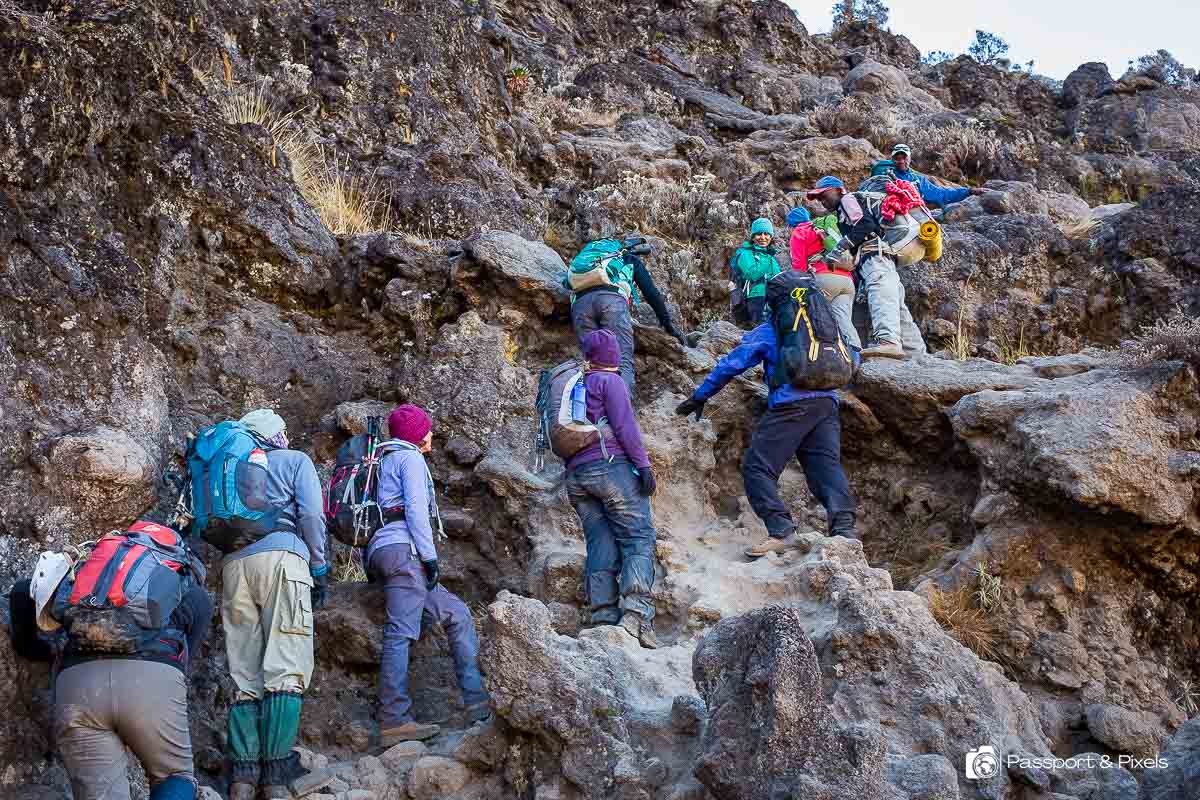
Climbing Kilimanjaro is physically demanding but does not require technical climbing skills. The main challenge is altitude, not terrain.
Proper acclimatization, fitness, and mental determination are key to reaching the summit. Choosing a longer route, like Lemosho, improves success rates.
Cultural Significance
Mount Kilimanjaro holds deep cultural importance for the local Chagga people, who live on its slopes. The mountain is a symbol of pride and identity for Tanzania and is featured on the national flag.
It is also a UNESCO World Heritage Site, recognized for its natural beauty and ecological significance.
Why Climb Mount Kilimanjaro
Climbing Mount Kilimanjaro is more than just a trek—it is a life-changing journey. From walking through lush forests to standing on the roof of Africa, the experience is both physically challenging and emotionally rewarding.
Reaching Uhuru Peak at sunrise, with glaciers around you and the African plains below, is a moment that stays with you forever.
Whether you are an experienced hiker or a first-time adventurer, Mount Kilimanjaro offers an unforgettable challenge and one of the greatest achievements in travel.