Introduction to Masai Mara National Reserve
Masai Mara National Reserve is one of Africa’s most iconic and celebrated safari destinations, located in the southwestern region of Kenya along the border with Tanzania. Covering approximately 1,510 square kilometers, this world-famous reserve is part of the greater Serengeti-Mara ecosystem, offering a continuous habitat for wildlife that migrates between Kenya and Tanzania. The Masai Mara is renowned for its rolling grasslands, meandering rivers, scattered acacia trees, and dramatic scenery, which together create the quintessential African safari experience. Unlike smaller or less diverse parks, the Mara offers visitors the chance to witness vast herds of wildlife in their natural habitat, making it a dream destination for photographers, wildlife enthusiasts, and first-time safari-goers alike.
Wildlife and the Big Five
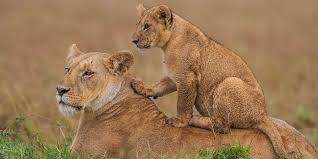
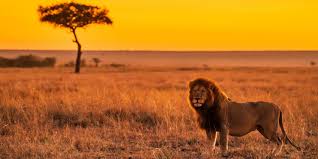
The Masai Mara is globally recognized for its abundant and diverse wildlife. It is one of the few places where visitors can easily encounter the Big Five—lion, leopard, elephant, buffalo, and rhinoceros. Lions are particularly prominent in the Mara, with large prides often seen resting in the shade of acacia trees or hunting across the savannah. Leopards, elusive and graceful, are commonly spotted resting in trees or moving stealthily at dusk. Elephants roam the plains and river valleys in family groups, while buffalo herds graze alongside zebras and antelopes. Rhinos, though less common, can be seen in protected areas within the reserve, contributing to its status as a premier conservation destination.
The Mara is also home to other predators such as cheetahs and hyenas, ensuring dynamic and exciting wildlife encounters. Cheetahs, with their remarkable speed, are often observed hunting in the open plains, while hyenas and jackals scavenge along the riverbanks. The diversity of species and abundance of game makes the Masai Mara an ideal destination for both novice and experienced safari travelers.
The Great Migration
One of the most extraordinary natural spectacles on Earth, the Great Migration, passes through the Masai Mara each year. Between July and October, millions of wildebeest, zebras, and gazelles move from the Serengeti in Tanzania into the Mara in search of fresh grazing. This seasonal migration is among the most dramatic wildlife events in the world. River crossings, particularly along the Mara River, are high-stakes moments where animals brave crocodile-infested waters, creating breathtaking and intense scenes of survival.
The migration not only attracts vast herds of herbivores but also brings predators in pursuit, including lions, cheetahs, and crocodiles. Witnessing these events firsthand is an unforgettable experience, offering travelers the opportunity to see nature’s raw power and the interconnectedness of the ecosystem.
Landscapes and Scenery
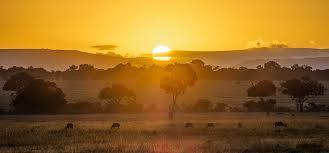
The Masai Mara is defined by its rolling grasslands, scattered acacia trees, and gentle hills, creating an expansive and panoramic view. The openness of the terrain allows for excellent visibility, making it easier to spot wildlife even from a distance. The Mara River and its tributaries cut through the reserve, providing critical water sources for animals and adding scenic beauty with lush riverine vegetation.
Sunrise and sunset over the Mara are particularly magical, casting golden and pink hues across the plains and creating perfect conditions for photography. The dramatic landscapes, combined with abundant wildlife, make every safari drive an immersive and visually stunning experience.
Safari Activities
Visitors to the Masai Mara can enjoy a wide range of activities beyond traditional game drives. Morning and evening game drives offer the best chances to observe active wildlife, including hunting predators and grazing herbivores. For a unique perspective, hot air balloon safaris provide an aerial view of the Mara at sunrise, followed by a traditional bush breakfast in the wilderness.
Cultural experiences with the Maasai people, who have lived alongside the wildlife for centuries, add another dimension to the safari. Guests can learn about Maasai traditions, ceremonies, and daily life, gaining insights into how humans and nature coexist in this iconic ecosystem. Photography safaris are particularly popular, as the Mara offers some of the most photogenic landscapes and wildlife encounters in Africa.
Best Time to Visit
The Masai Mara is a year-round destination, but the timing of your visit depends on what you hope to experience.
- July to October: Peak migration season, featuring dramatic river crossings and large predator activity.
- December to March: Calving season for wildebeest and zebras, with high predator activity and numerous newborns.
- April to June: The green season brings lush landscapes, fewer tourists, and vibrant scenery, ideal for photography and a quieter safari experience.
Why Visit Masai Mara
The Masai Mara National Reserve offers a complete safari experience, combining abundant wildlife, dramatic landscapes, and rich cultural heritage. It is a destination where travelers can witness extraordinary natural phenomena, including predator-prey interactions and the Great Migration, while also engaging with the local Maasai communities. Whether tracking the Big Five, capturing breathtaking photographs, or enjoying a hot air balloon ride at sunrise, the Mara promises unforgettable experiences for all visitors.
For anyone seeking a classic African safari filled with adventure, wildlife, and natural beauty, the Masai Mara stands as one of the world’s top safari destinations, providing memories that will last a lifetime.