Lake Manyara National Park

Lake Manyara National Park may be one of Tanzania’s smaller parks, but it packs a huge punch when it comes to wildlife, landscapes, and diversity. Tucked at the base of the Great Rift Valley escarpment, this park is a favorite stop on the northern safari circuit — often visited on the way to the Ngorongoro Crater or Serengeti.

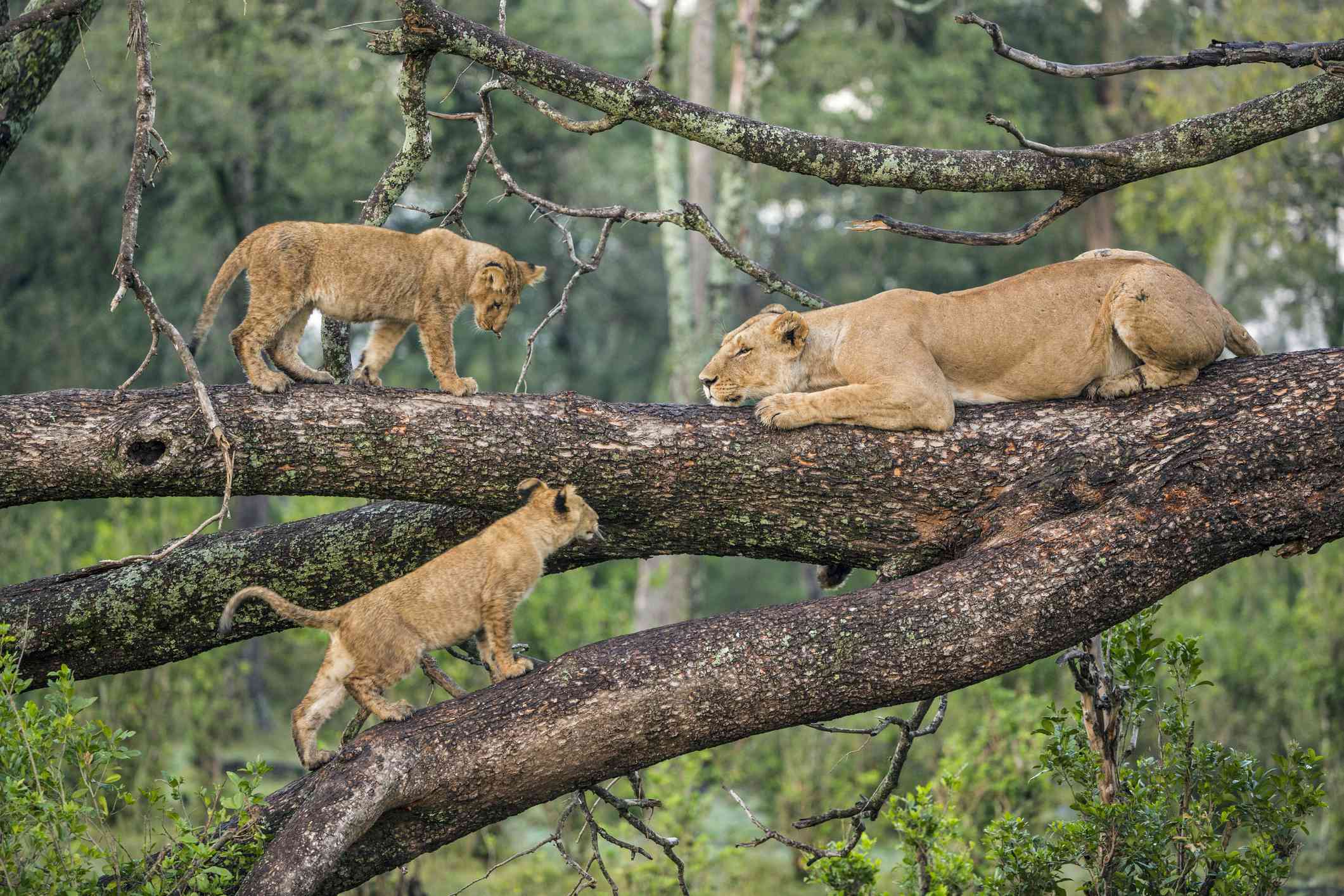
This compact paradise is famous for its tree-climbing lions, flamingo-dotted lake, and lush groundwater forest teeming with monkeys and birds. Whether you’re on a quick day trip or part of a longer Tanzania safari itinerary, Lake Manyara delivers far more than you’d expect.
What Makes Lake Manyara So Unique?

Despite covering only about 330 square kilometers (127 square miles), Lake Manyara National Park includes a stunning range of ecosystems:

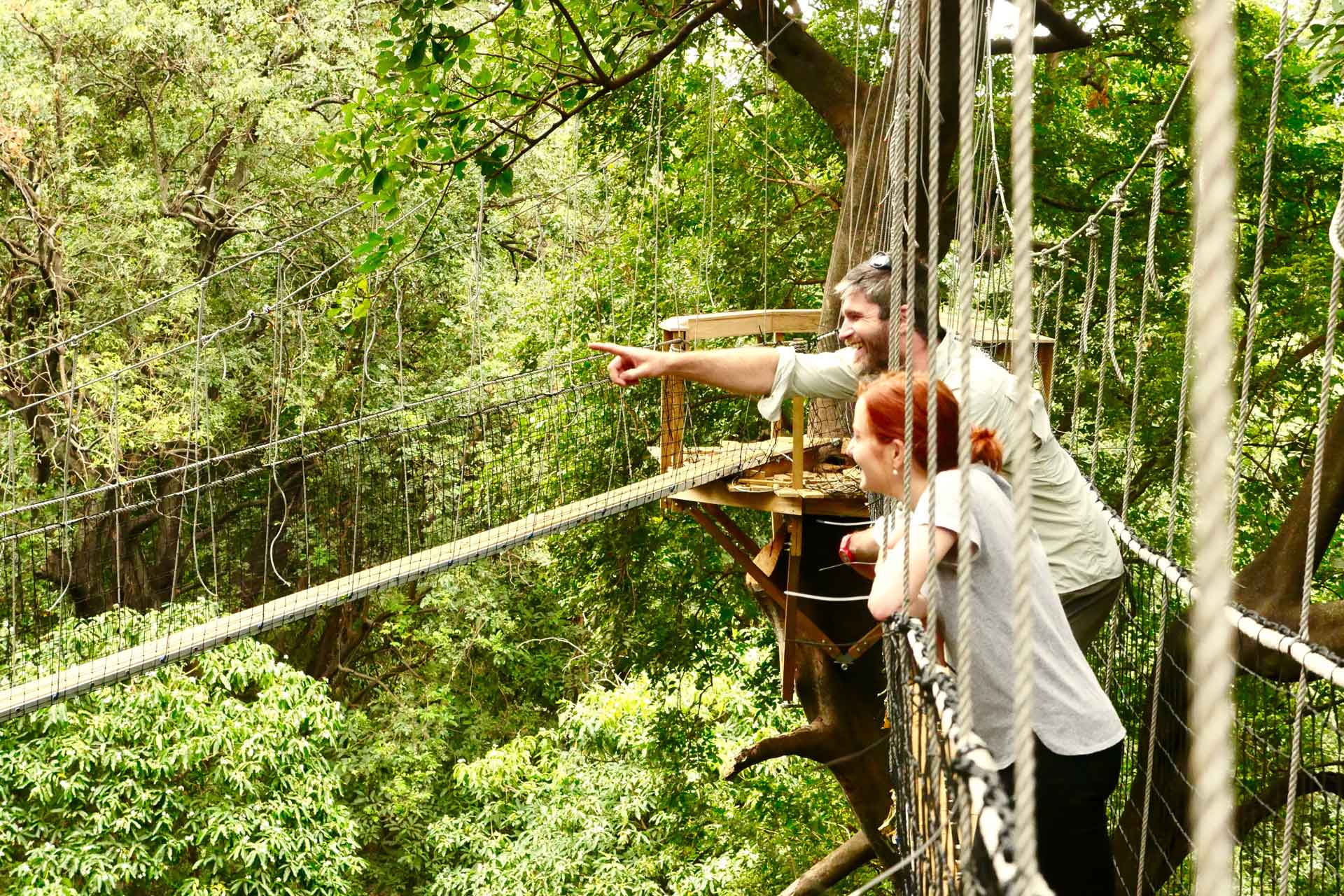
  • Groundwater forest

  • Open savannah

  • Acacia woodland

  • Swamps

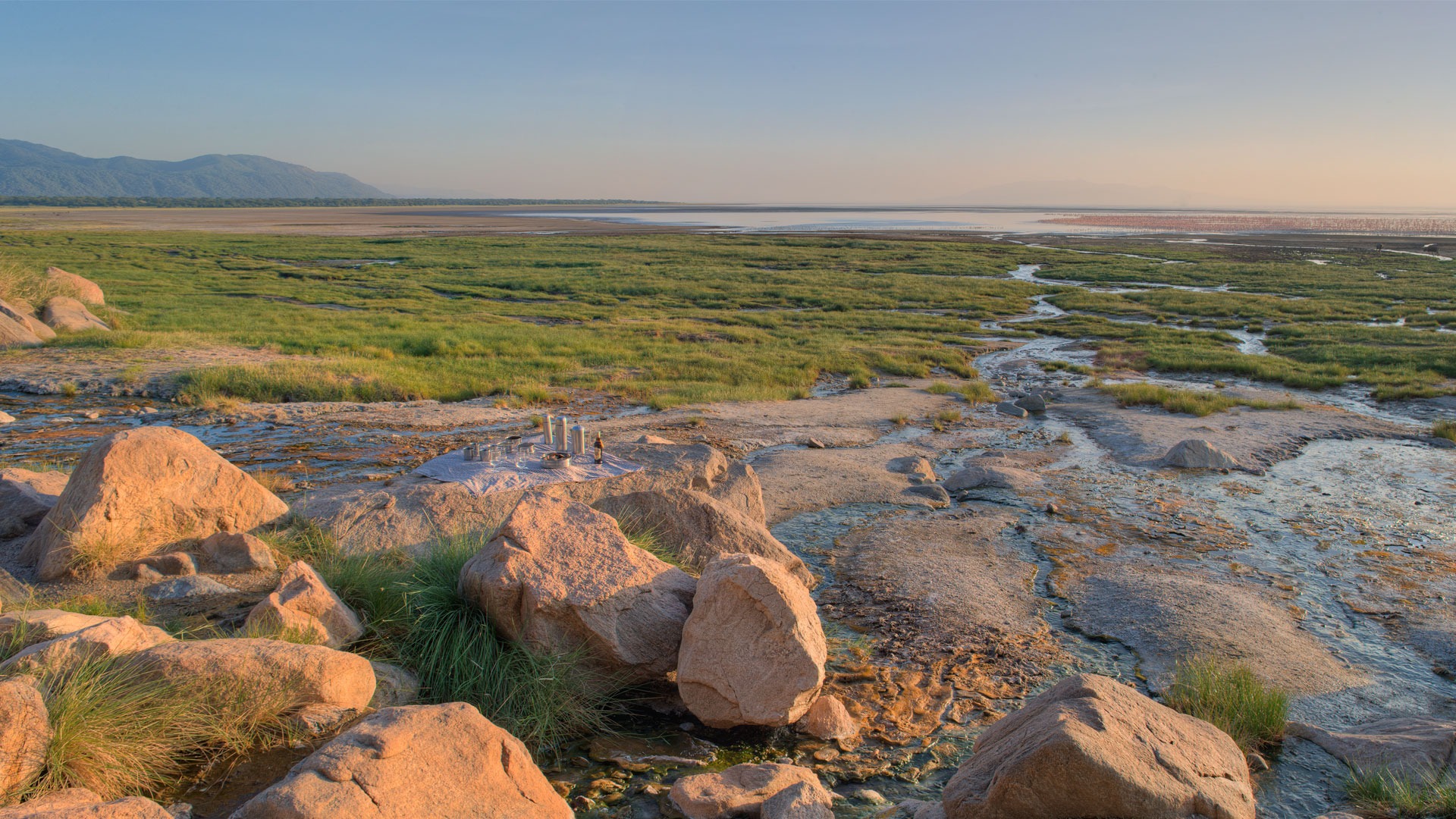
  • Alkaline soda lake

  • Rugged rift valley cliffs

It’s this ecological variety that allows the park to support such a diverse population of wildlife — all within a short game drive.

Birdwatcher’s Paradise

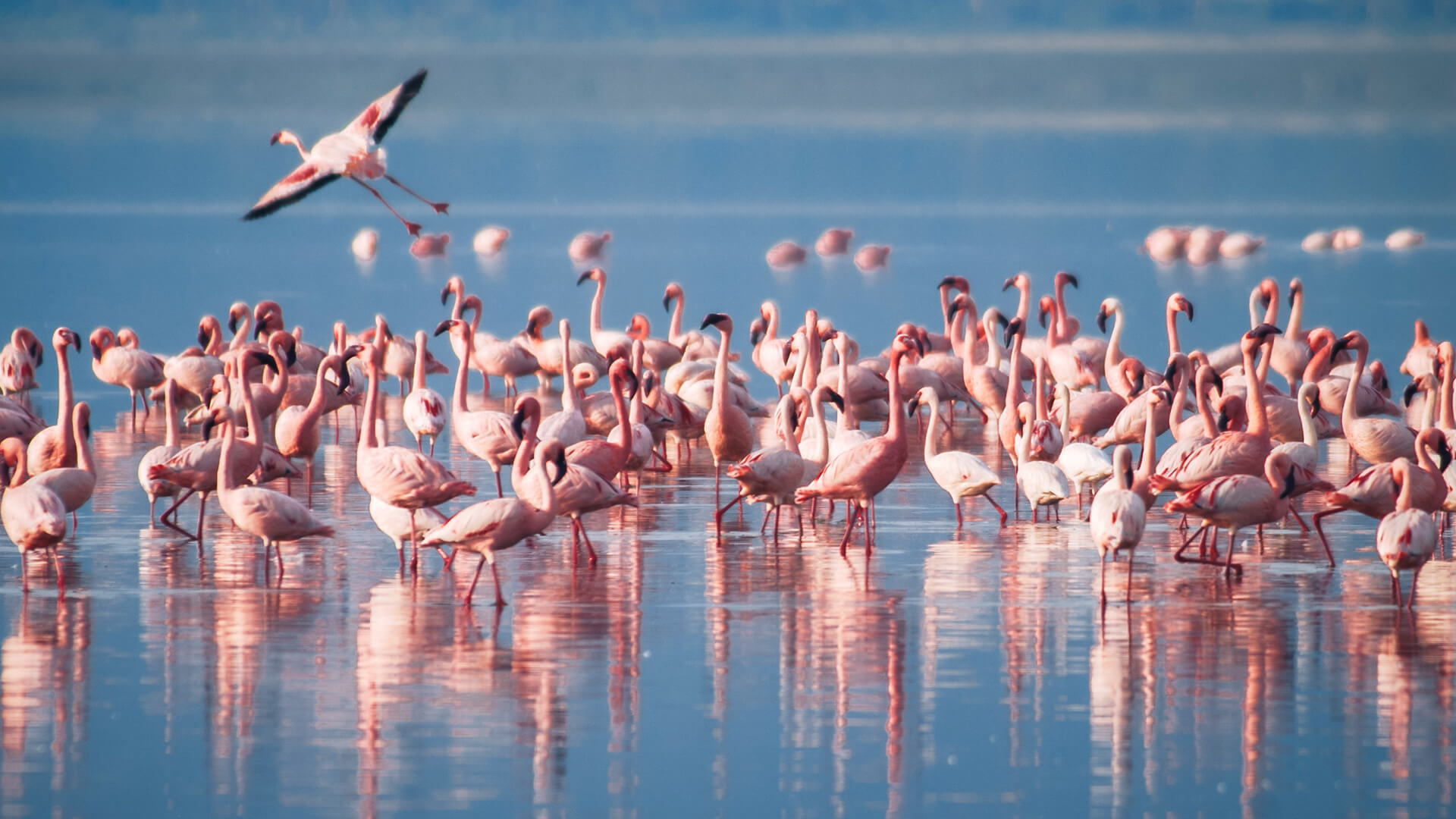
Bird lovers rejoice! Lake Manyara is one of the top birding spots in East Africa. The lake is often rimmed with pink flamingos, and you might spot:

  • African spoonbills

  • Sacred ibises

  • Great white pelicans

  • Kingfishers

  • African jacanas

  • Silvery-cheeked hornbills

Whether you’re an avid birder or just enjoy their colorful beauty, bring your binoculars — this park delivers.

Travel Tips for Visiting Lake Manyara

How to Get There:

  • From Arusha: 1.5 to 2.5-hour drive (approx. 126 km) on a well-paved road

  • Easily combined with Tarangire, Ngorongoro, or Serengeti as part of a Northern Tanzania safari

How Much Time to Spend:

  • Half-day to full-day is perfect for exploring

  • Spend a night in nearby Mto wa Mbu or Karatu for cultural tours and village visits

Where to Stay:

  • Luxury: Lake Manyara Kilimamoja Lodge, Escarpment Luxury Lodge

  • Mid-range: Manyara Wildlife Safari Camp, Manyara Serena Safari Lodge

  • Budget: Fanaka Safari Camp, Migombani Campsite (perfect for overlanders)

Best Time to Visit Lake Manyara National Park

You can visit year-round, but different seasons offer unique views:

  • Dry Season (June to October) – Easier game viewing as animals gather around water

  • Wet Season (November to May) – Lush scenery, fantastic birdlife, and fewer crowds

  • Peak birding in January and February during migratory season

Note: Flamingo presence depends on water levels — they’re more frequent during certain months, so check with your tour operator for the best timing.

Want to Include Lake Manyara in Your Safari?

Lake Manyara is the perfect start or end point on your Tanzania Northern Circuit safari. It’s less crowded than other big parks and ideal for families, photographers, or anyone who wants a peaceful introduction to Tanzania’s natural beauty.

Add Lake Manyara to your Tarangire–Ngorongoro–Serengeti route, or let us design a custom itinerary that fits your pace and interests.

Most common animals

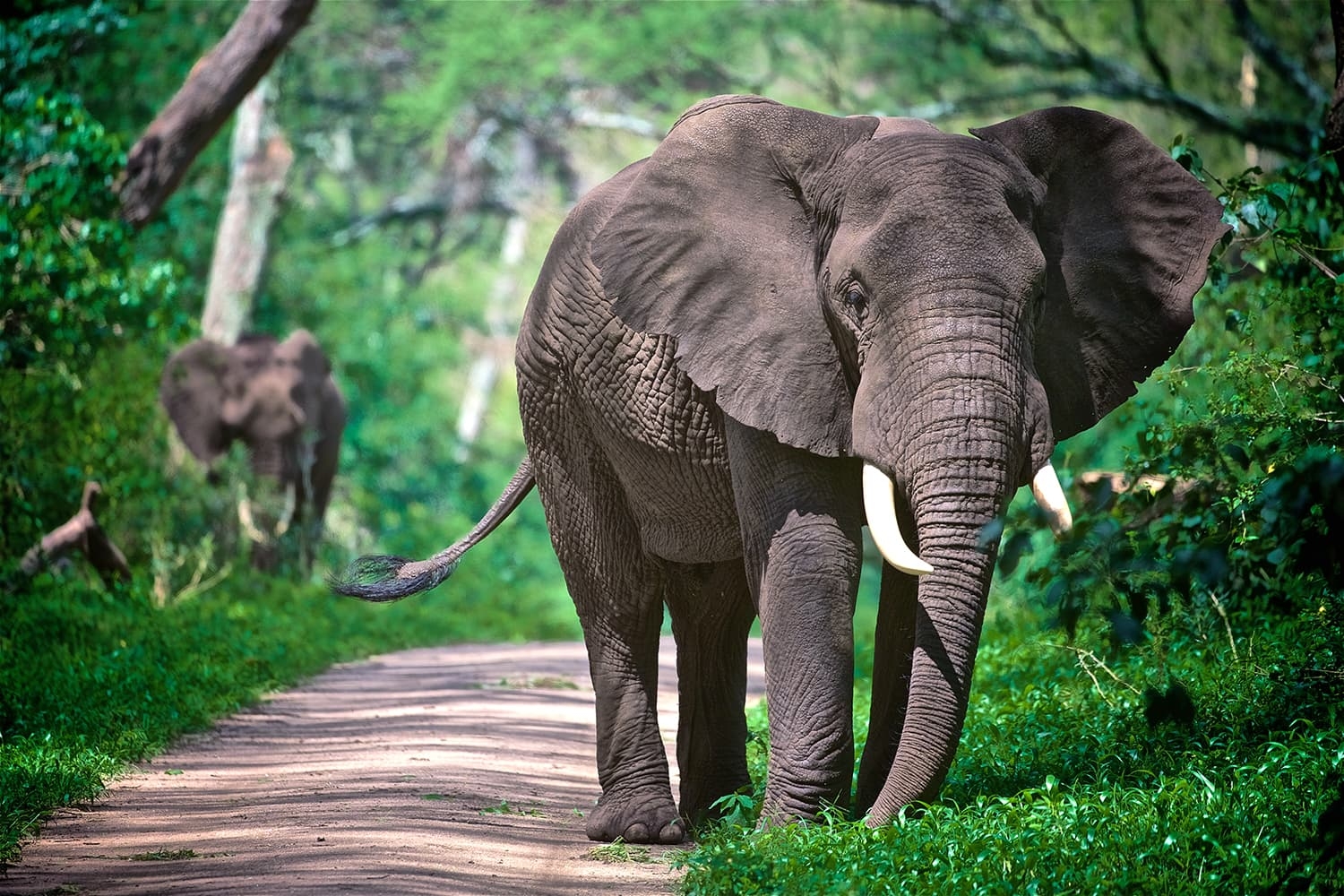
  • Huge elephant herds, often seen close to the road
  • Giraffes, buffalos, zebras, wildebeests, and warthogs

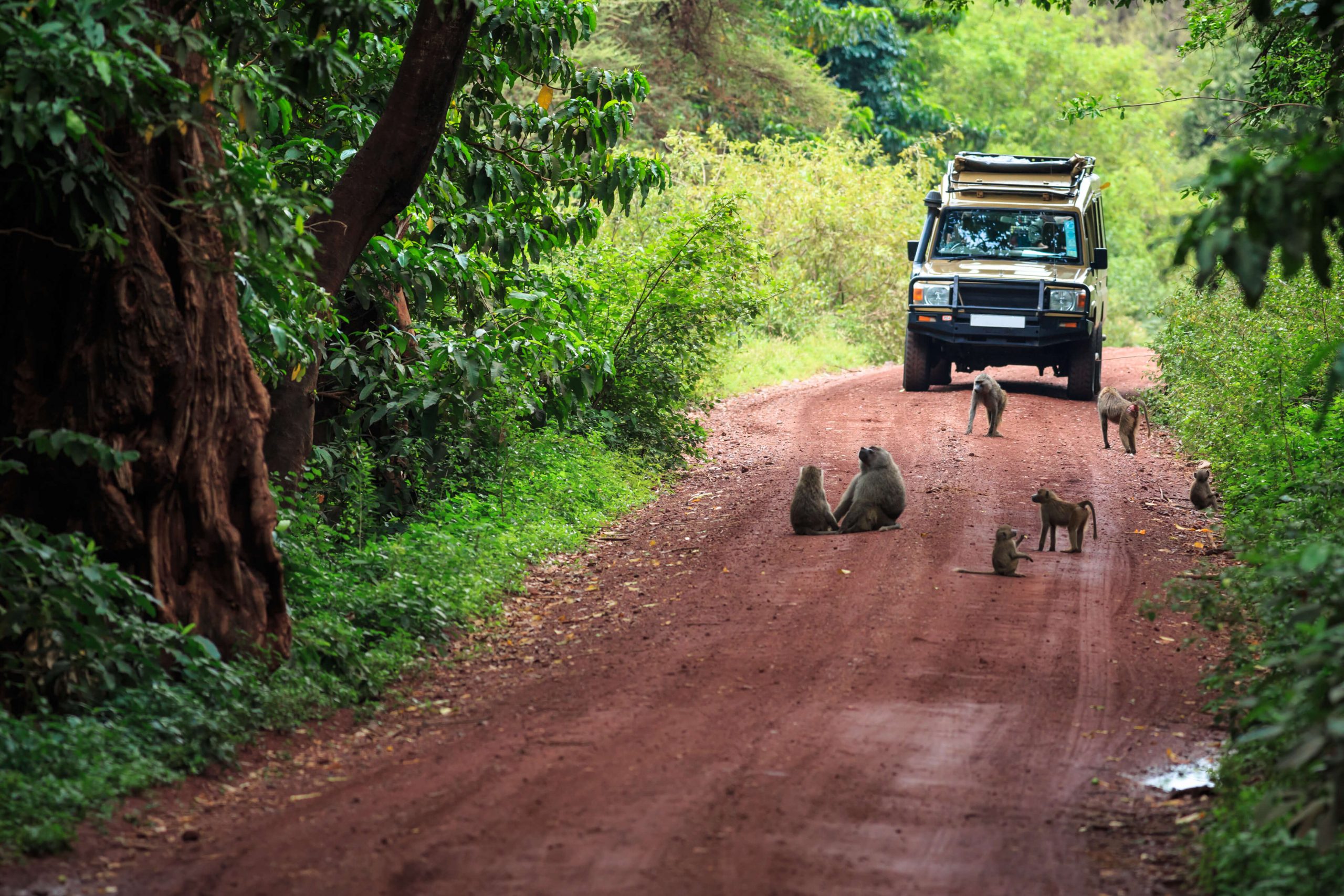
  • Troops of baboons and blue monkeys in the forested zones

  • Hippos wallowing in the hippo pools

  • Over 350 species of birds, including flamingos, pelicans, hornbills, and fish eagles

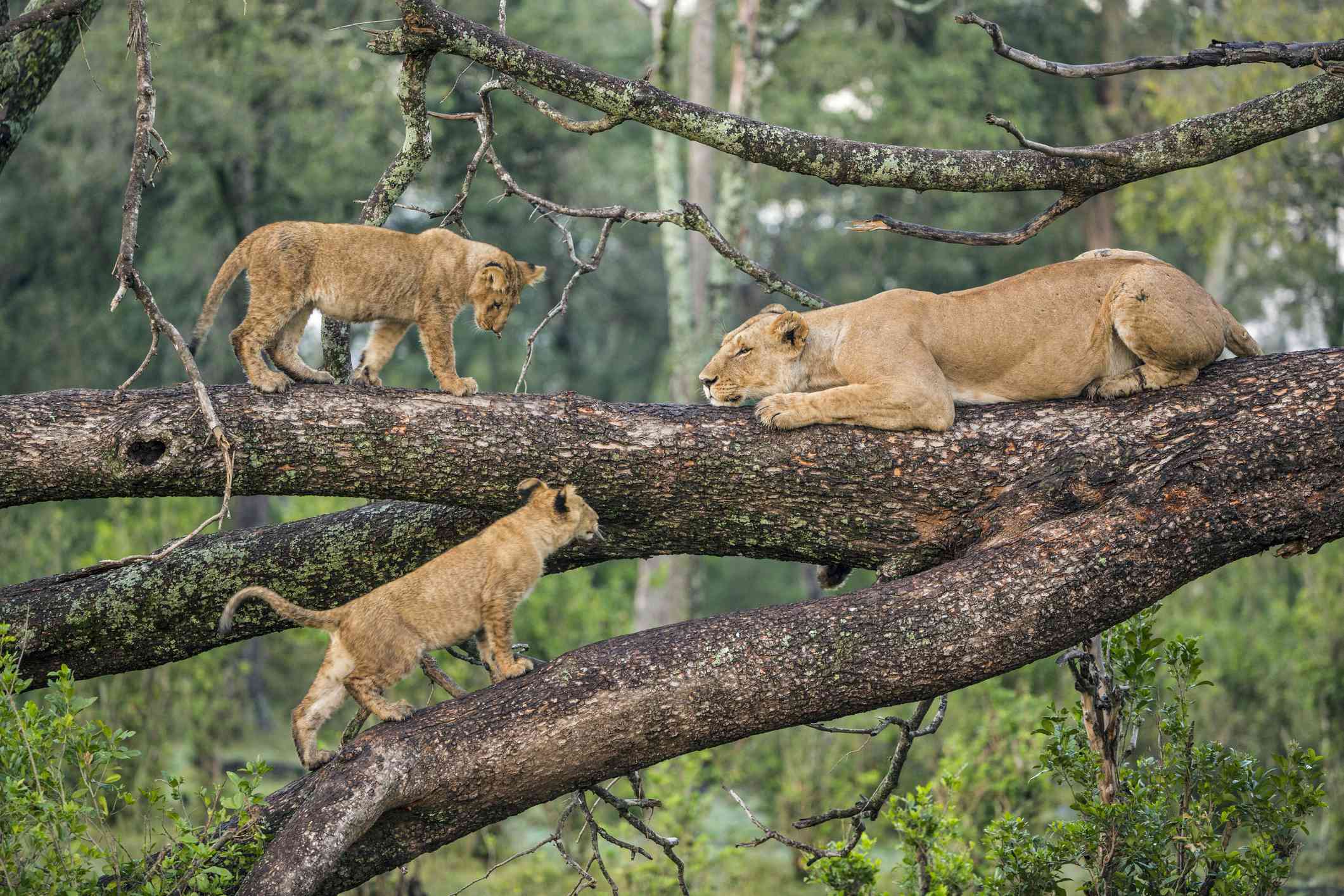
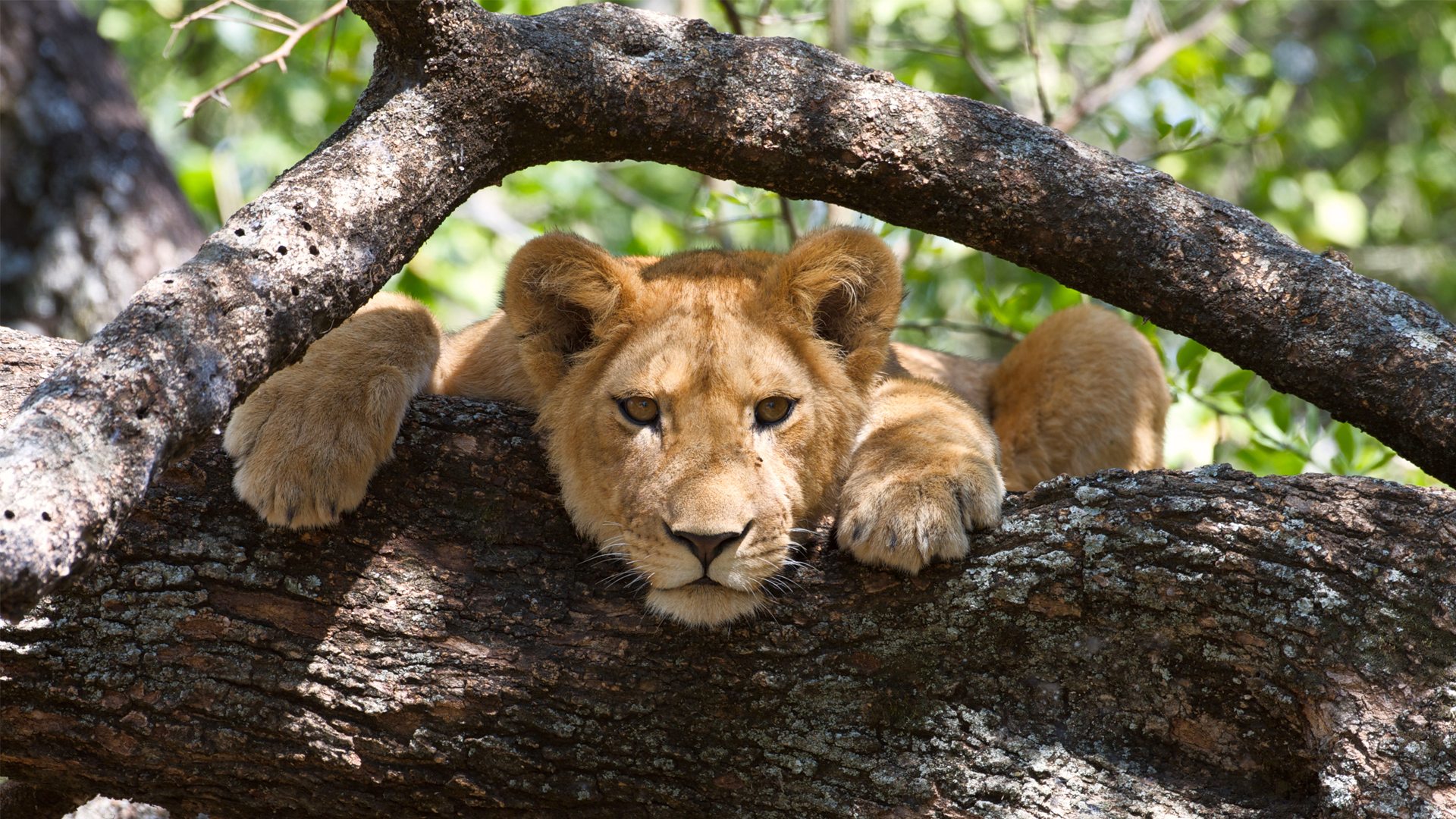
  • One of the highlights here is spotting the famous tree-climbing lions, a rare behavior only observed in a few parks in Africa. No one knows exactly why they do it — some say it’s to escape biting insects, others say it’s simply comfort.

Facts about Lake Manyara National Park

  • The lake itself covers two-thirds of the park’s total area, and its levels fluctuate throughout the year

  • Ernest Hemingway once called Lake Manyara “the loveliest I had seen in Africa”

  • Tree-climbing lions are spotted most often in the southern woodlands of the park

  • Canoeing is sometimes possible during high water seasons — a unique way to view hippos and birds from a different angle

  • The name “Manyara” comes from the Maasai word “emanyara”, a euphorbia plant used to make protective fences