Lake Manyara National Park
Lake Manyara National Park is a compact yet ecologically diverse park located in northern Tanzania, at the base of the Great Rift Valley escarpment. Despite its relatively small size of around 330 square kilometers, it offers an exceptional variety of landscapes and wildlife, making it a favorite destination for safari-goers seeking both adventure and ease of access.
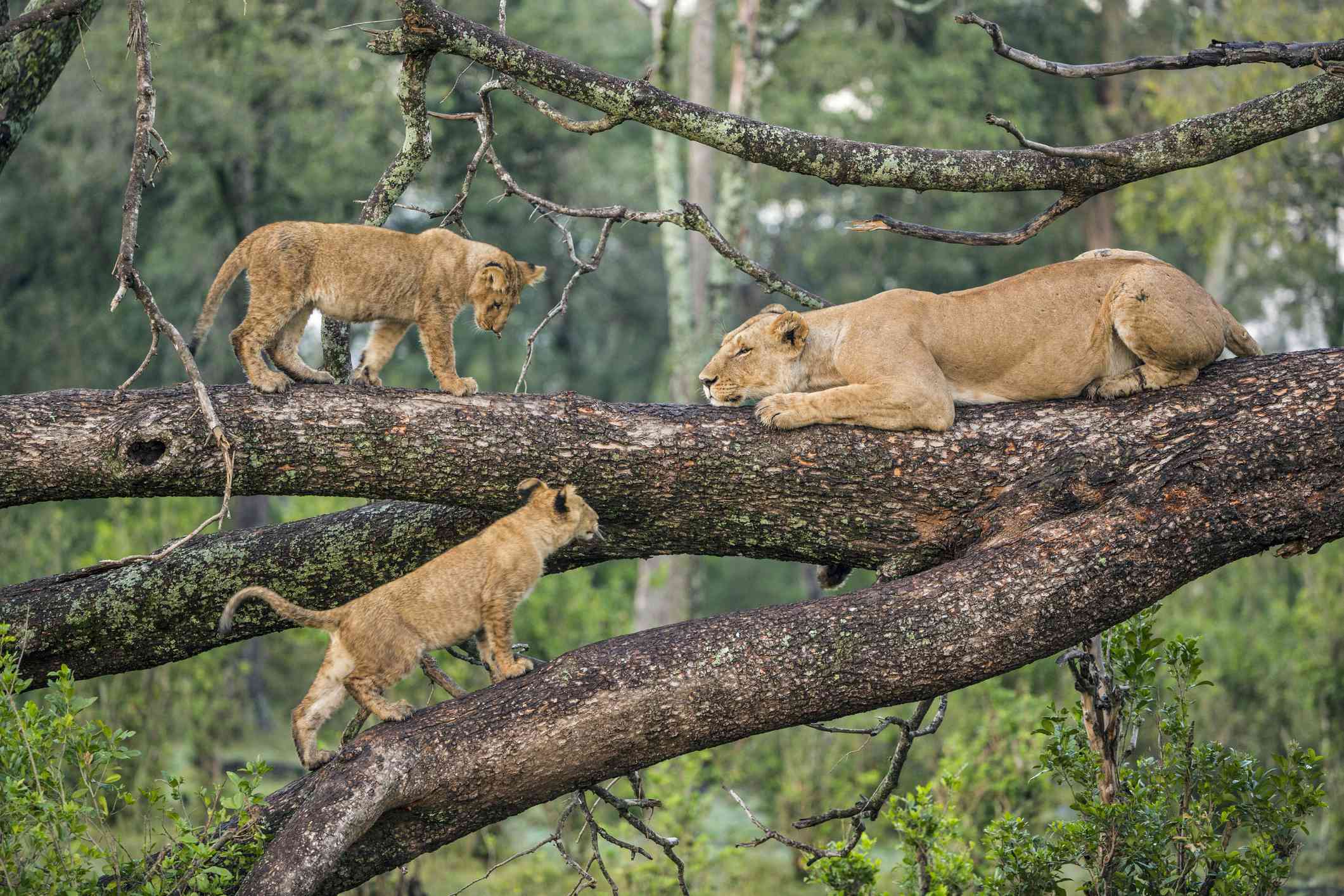
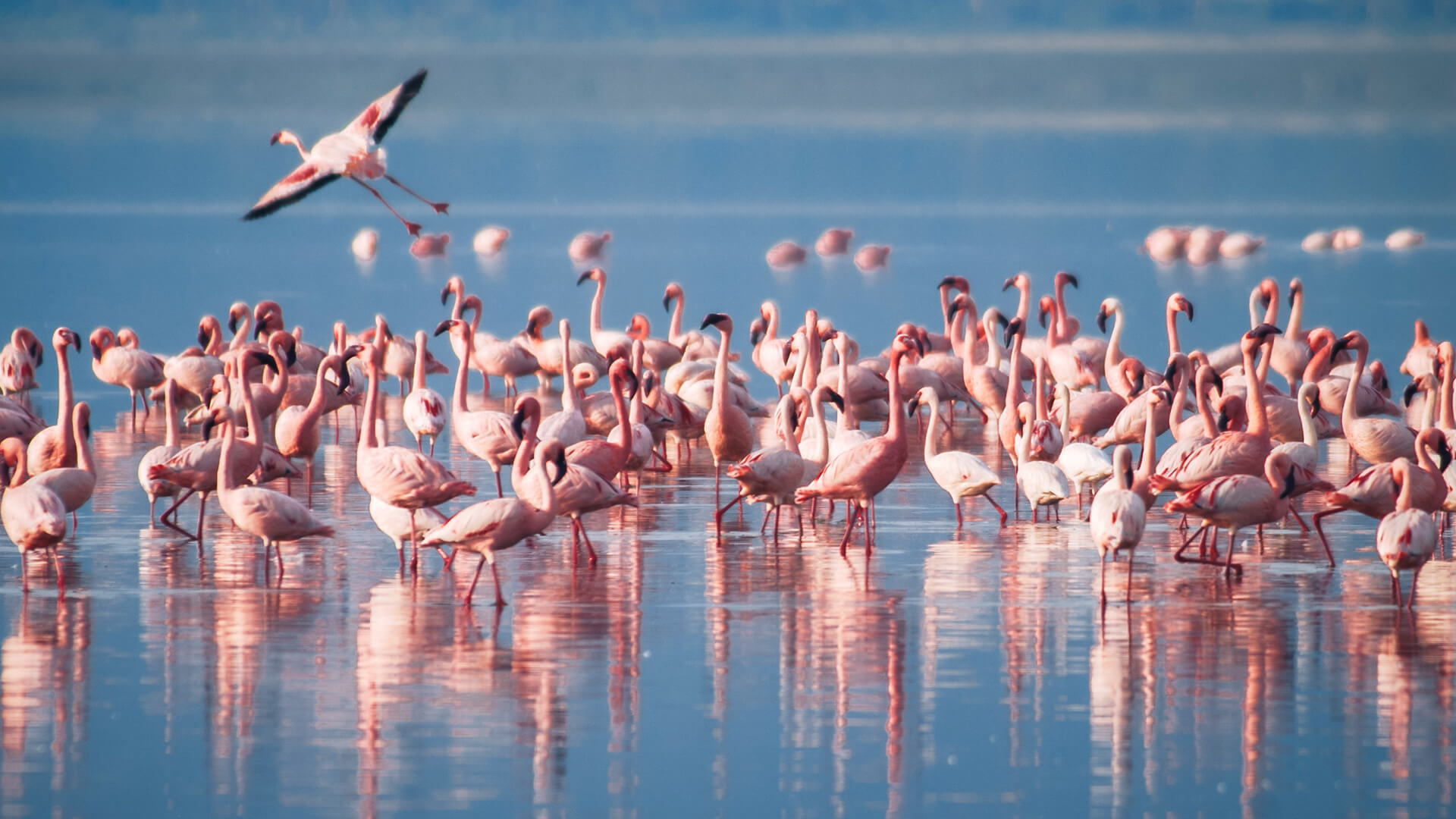
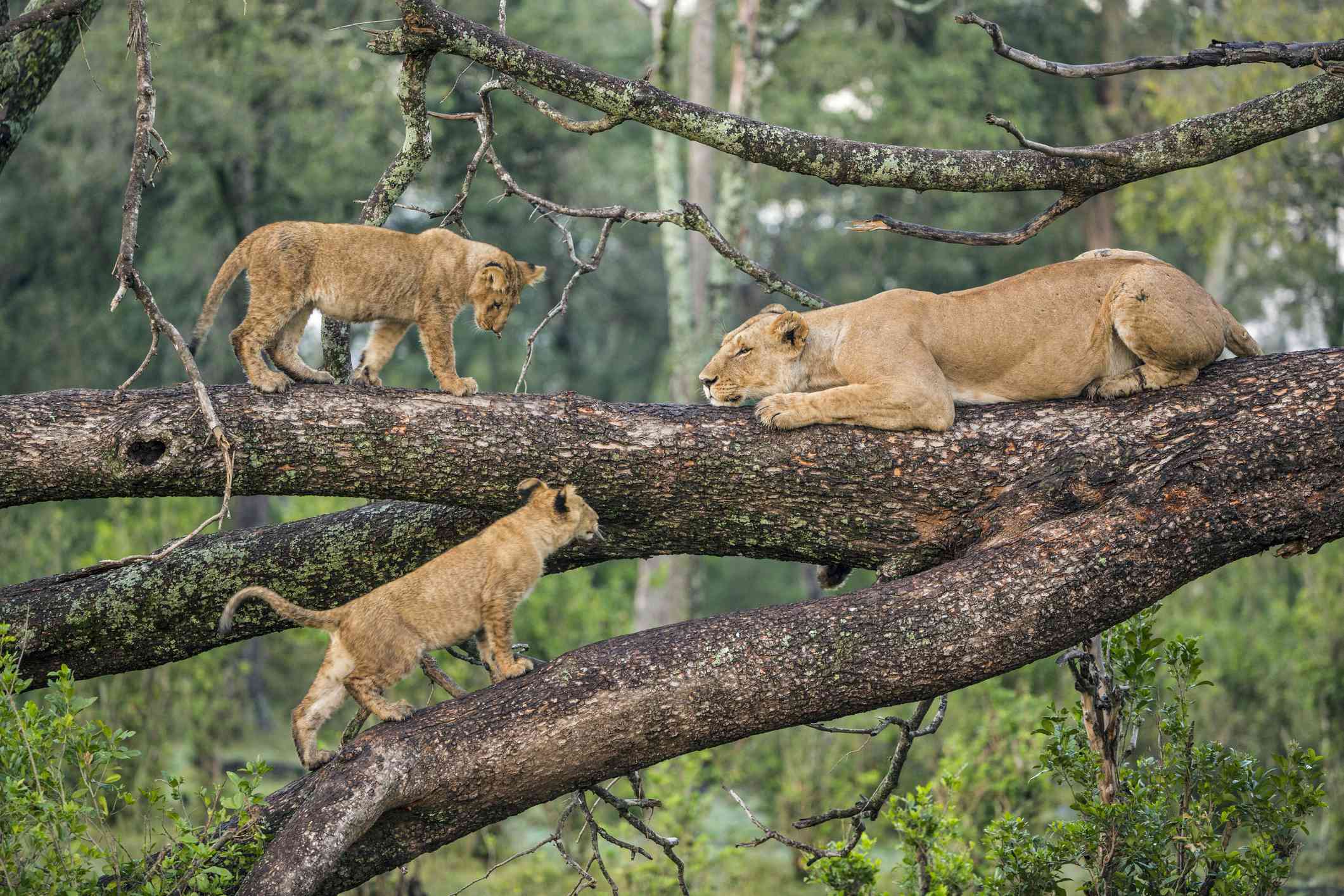
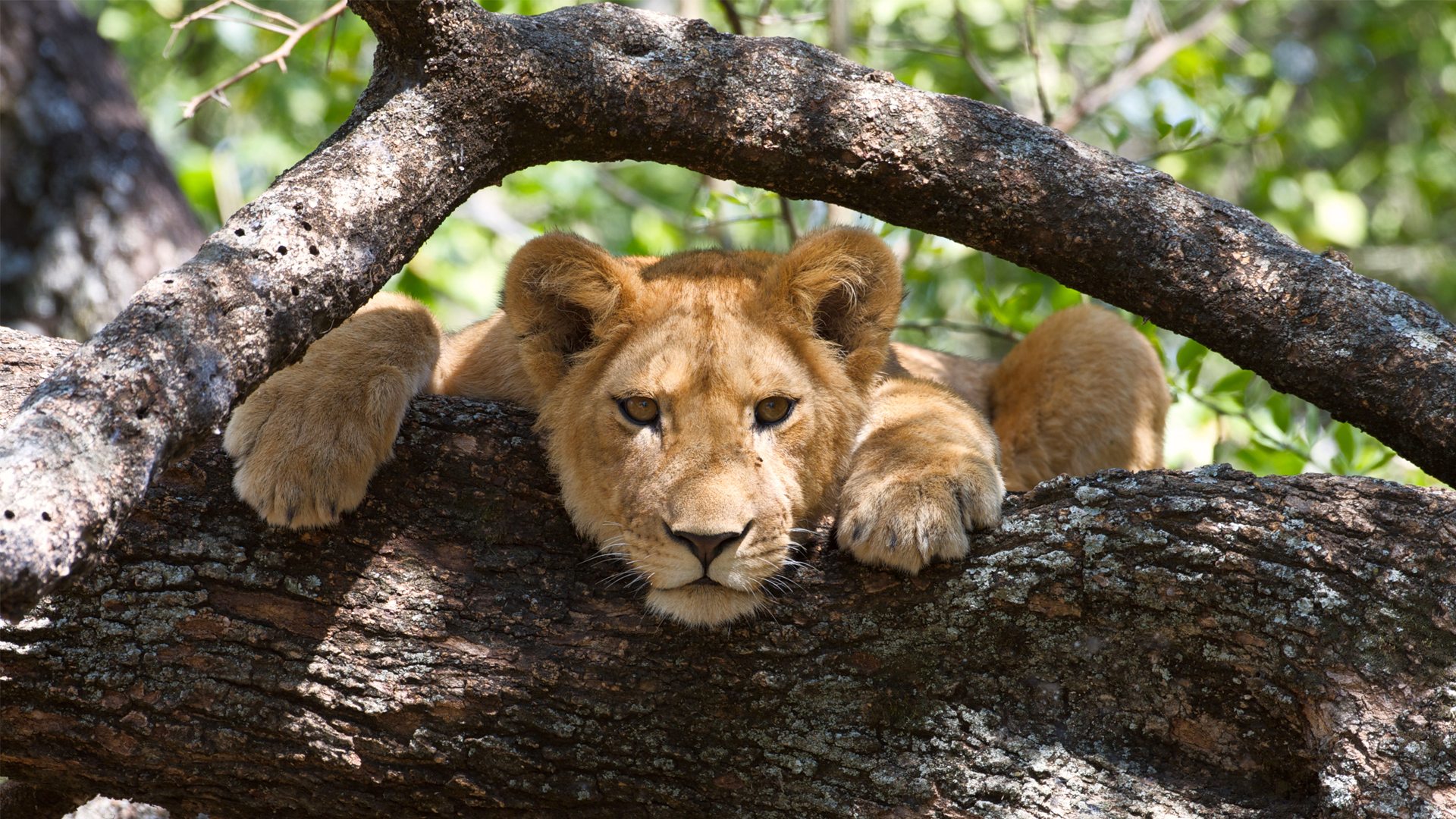
The park is known for its tree-climbing lions, vast soda lake attracting flamingos, and breathtaking scenery that ranges from dense forests to open grasslands. It is easily combined with visits to Ngorongoro Crater, Tarangire National Park, and Serengeti National Park.
Landscape and Natural Features
Lake Manyara National Park features a rich tapestry of ecosystems concentrated in a compact area:
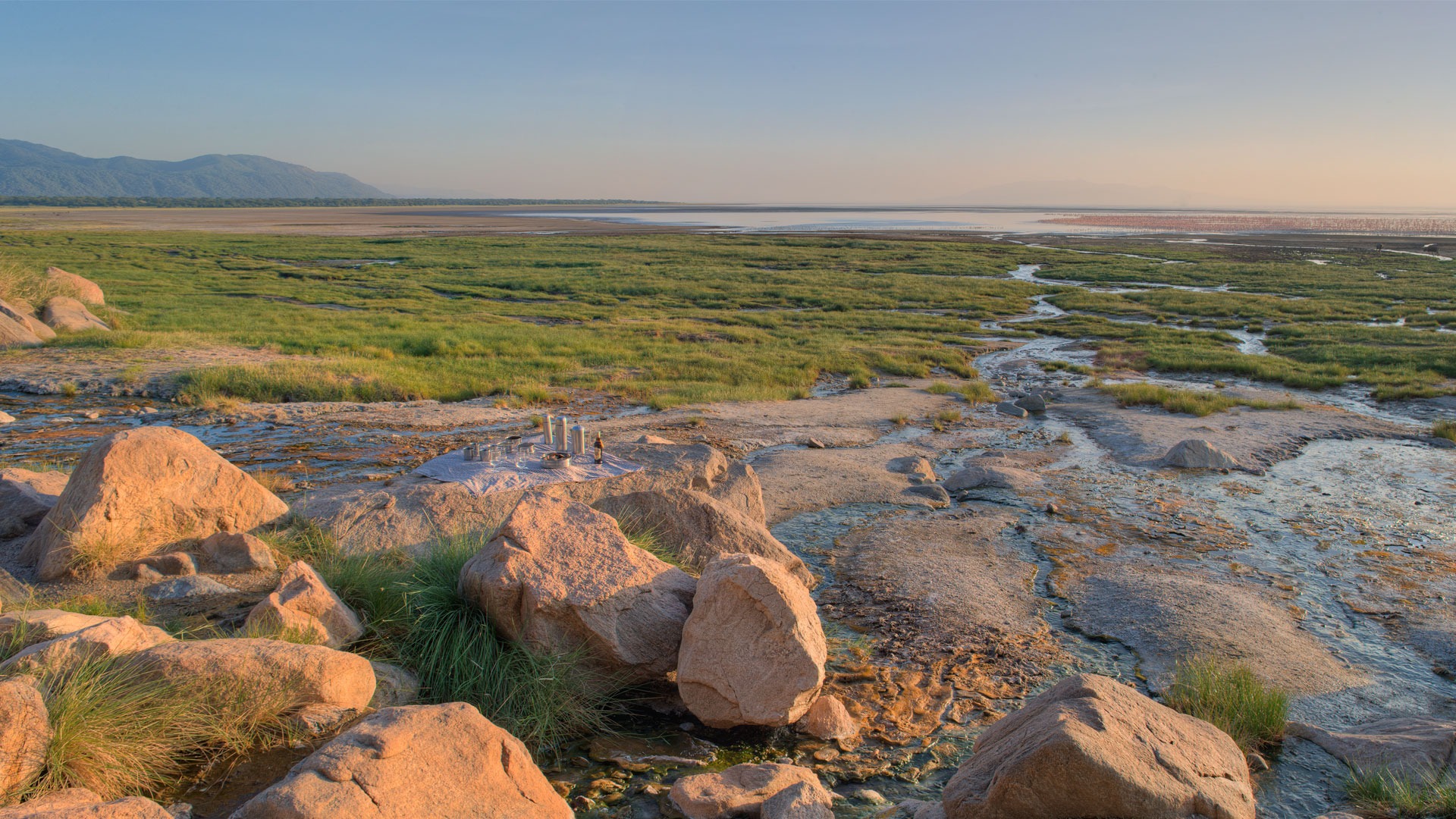
- Lake Manyara: A shallow, alkaline lake that fluctuates in size seasonally and hosts thousands of flamingos and other water birds.
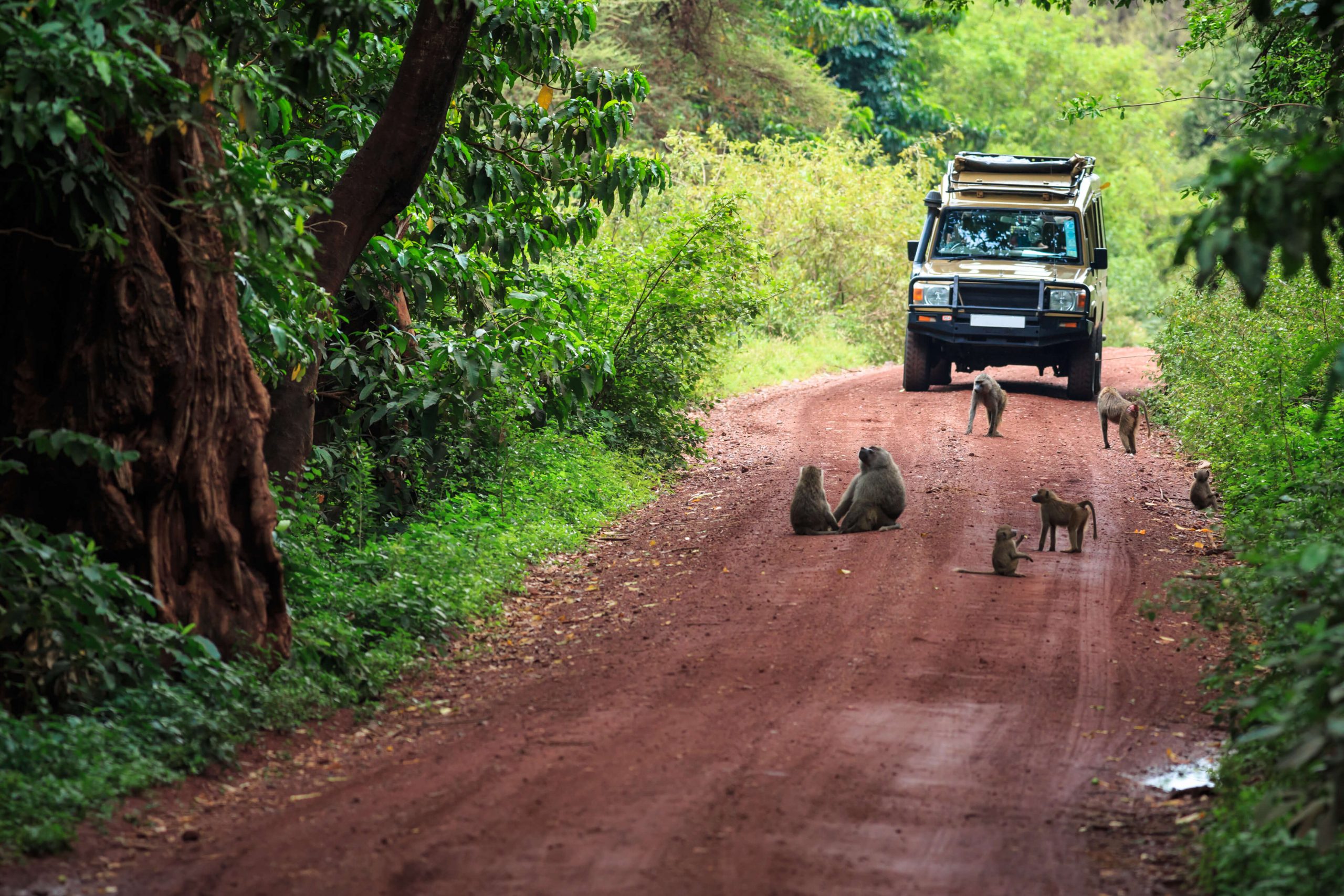
- Acacia and Baobab Woodlands: Provide shelter to tree-climbing lions, baboons, and various bird species.
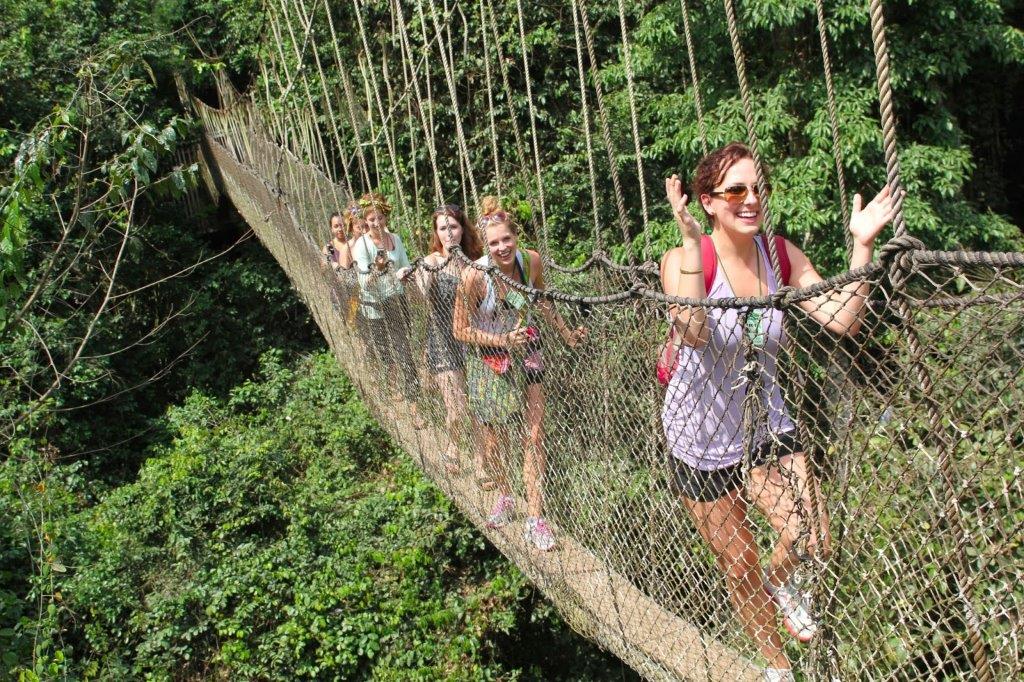
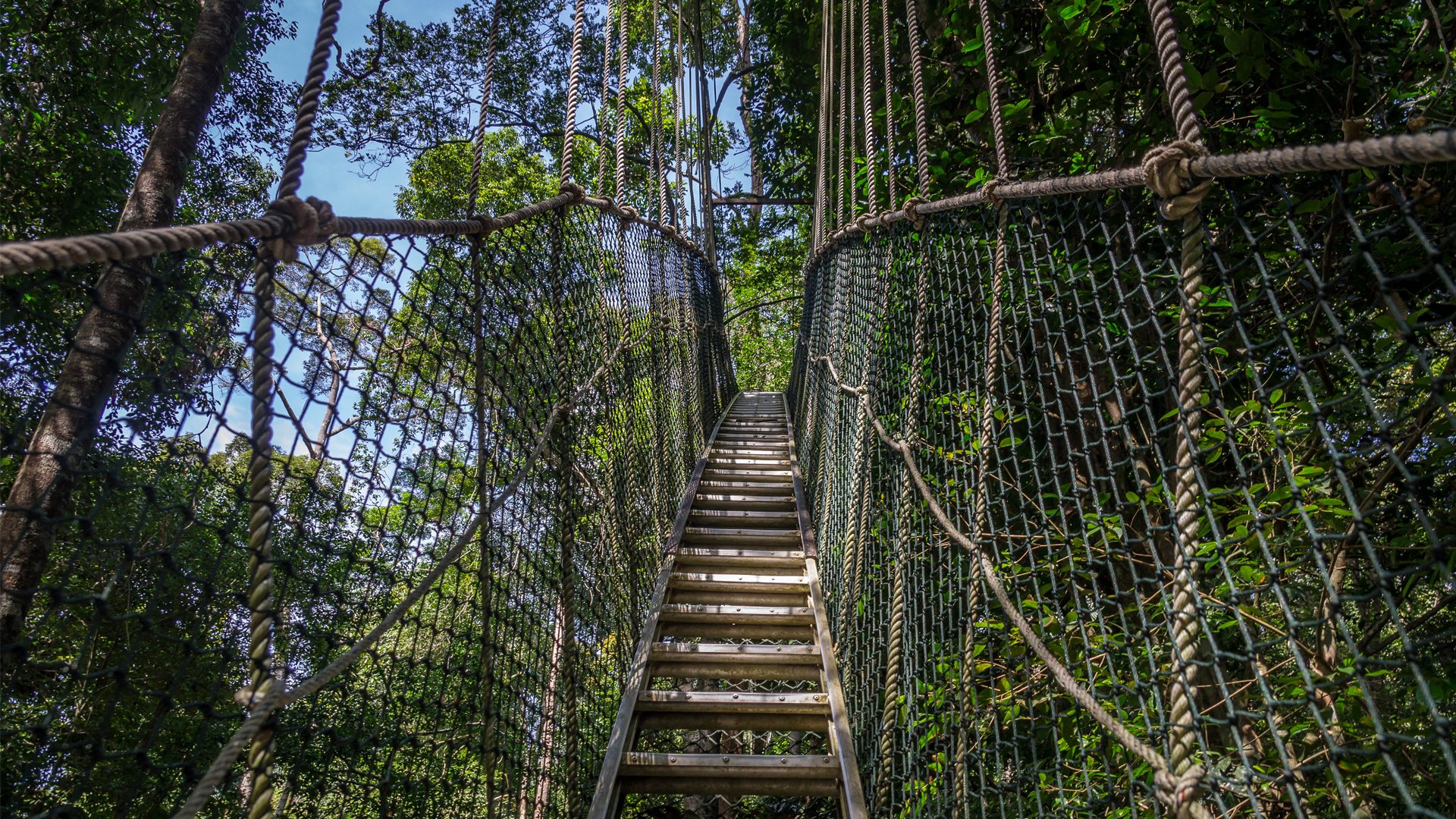
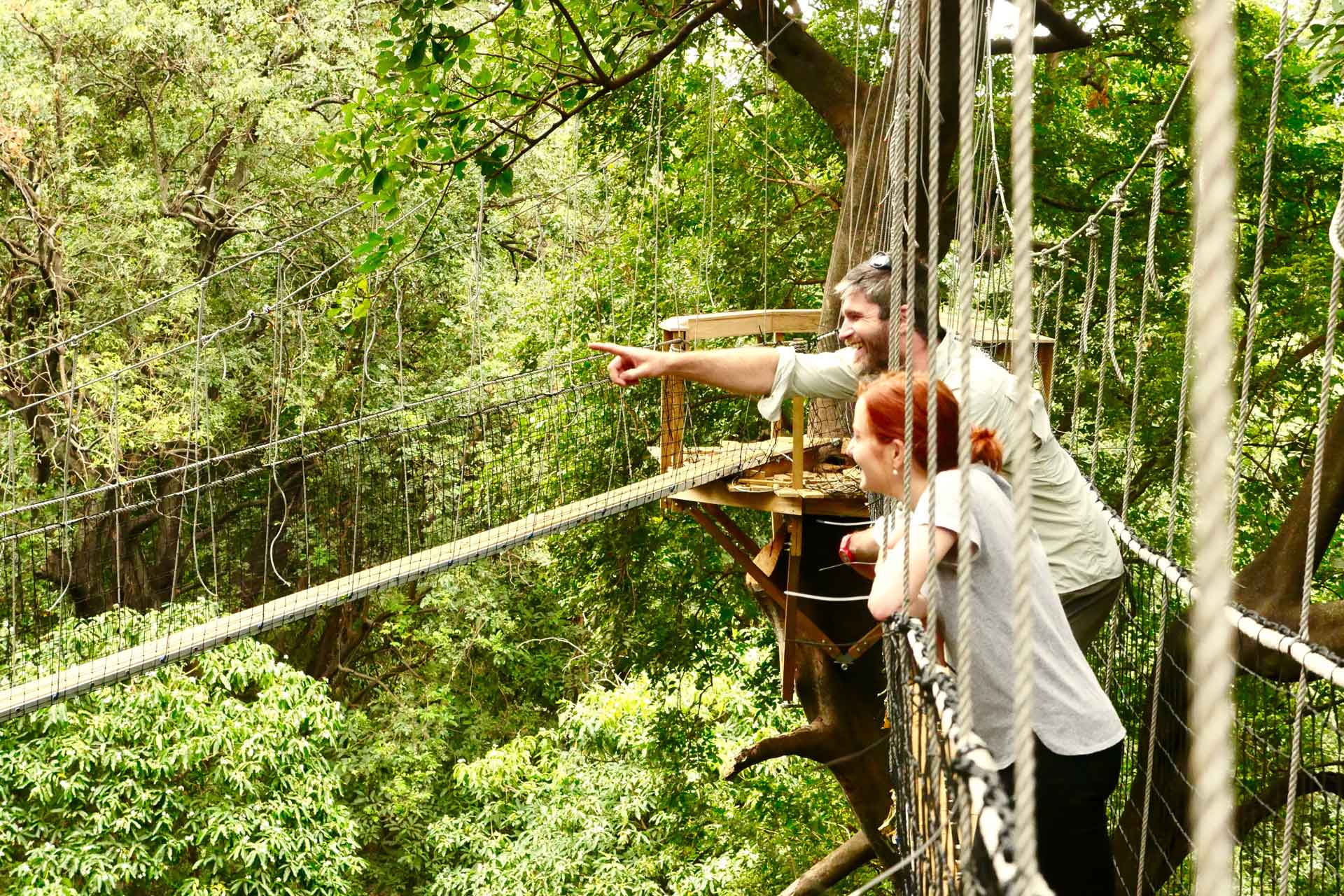
- Groundwater Forests: Dense forests along the Rift Valley escarpment supporting a wide range of primates.
- Grasslands and Floodplains: Open areas ideal for spotting zebras, giraffes, buffaloes, and elephants.
The park’s scenery is dramatic, with views of the escarpment towering over the lake and the contrasting greenery and open plains creating iconic photographic opportunities.
Wildlife and Safari Experience
Lake Manyara is famous for its unusual and diverse wildlife encounters:
- Tree-Climbing Lions: One of the park’s most iconic sights, lions here often rest in fig trees and acacias during the day.
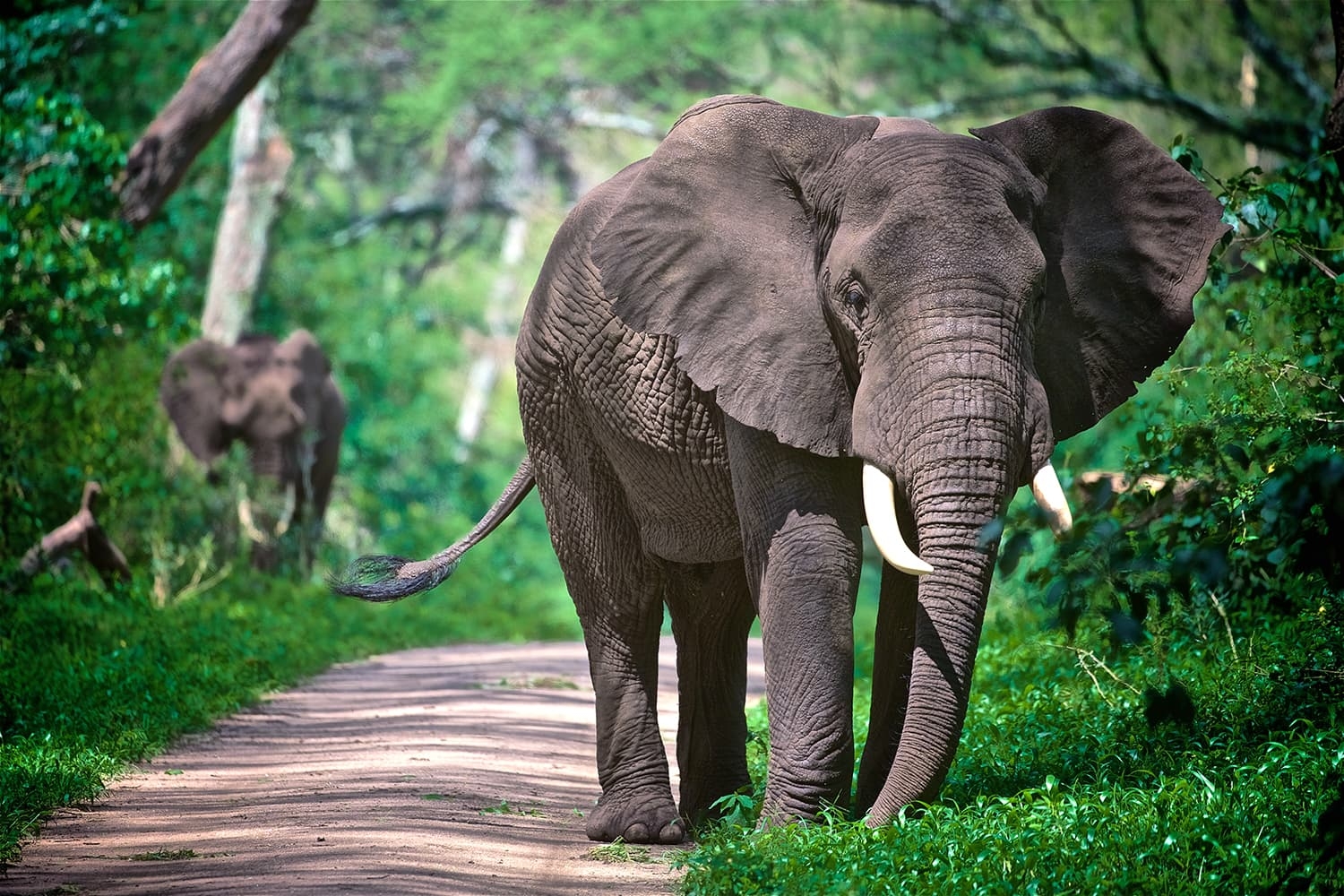
- Elephants and Buffaloes: Herds roam the forest and floodplains, creating dynamic wildlife interactions.
- Hippos and Crocodiles: Found in Lake Manyara and surrounding rivers, adding to the park’s aquatic life.
- Birdlife: With over 400 recorded species, including flamingos, pelicans, storks, and kingfishers, it is a paradise for birdwatchers.
- Other Mammals: Baboons, vervet monkeys, impalas, wildebeests, and giraffes are common.
Activities in Lake Manyara
Game Drives
Game drives are the primary way to explore Lake Manyara. The park’s compact size allows for shorter safaris, making it ideal for visitors on a tight schedule or as a first safari stop.
Birdwatching
Lake Manyara is a hotspot for both resident and migratory birds. The flamingo populations create spectacular pink vistas when the lake is at high water levels.
Photography Safaris
Lake Manyara National Park. The dramatic landscapes and diverse wildlife provide excellent opportunities for photography, especially with the Rift Valley escarpment as a backdrop.
Cultural Experiences
Lake Manyara National Park. Visitors can also learn about local Maasai and other ethnic groups living near the park, including traditional practices and lifestyle.
Accessibility
Lake Manyara National Park is conveniently located about 126 kilometers (approximately 2–3 hours) from Arusha and 120 kilometers from Moshi. It is easily combined with northern circuit safaris.
Best Time to Visit
- Dry season (June–October): Easier wildlife viewing and comfortable conditions for game drives.
- Wet season (November–May): Lush landscapes, birdwatching at its peak, and fewer tourists, though some areas may be muddy.
Accommodation
Lake Manyara National Park, Accommodation ranges from lodges within or near the park to tented camps offering scenic views of the lake and escarpment. Options cater to all budgets, from luxury lodges to mid-range and budget-friendly stays.
Why Visit Lake Manyara National Park
Lake Manyara National Park is perfect for travelers seeking a short yet wildlife-rich safari experience. Its mix of unique wildlife like tree-climbing lions, large flocks of flamingos, dense forests, and dramatic landscapes makes it stand out from other northern Tanzanian parks.
Whether you’re a birdwatcher, photographer, or nature enthusiast, a visit to Lake Manyara promises intimate encounters with will