Introduction to Lake Eyasi
Lake Eyasi is one of northern Tanzania’s most distinctive and culturally rich destinations, offering an experience that goes far beyond the classic wildlife safari. Situated southwest of the Ngorongoro Highlands and lying along the floor of the Great Rift Valley, this seasonal salt lake is surrounded by sweeping plains, scattered acacia trees, and rugged escarpments. Unlike iconic parks known for the Big Five, Lake Eyasi is celebrated for its cultural depth, tranquility, and authentic connection to traditional ways of life. It is an ideal destination for travelers who wish to go beyond game drives and explore the human stories that have shaped this region for thousands of years.
Cultural Encounters with Indigenous Tribes
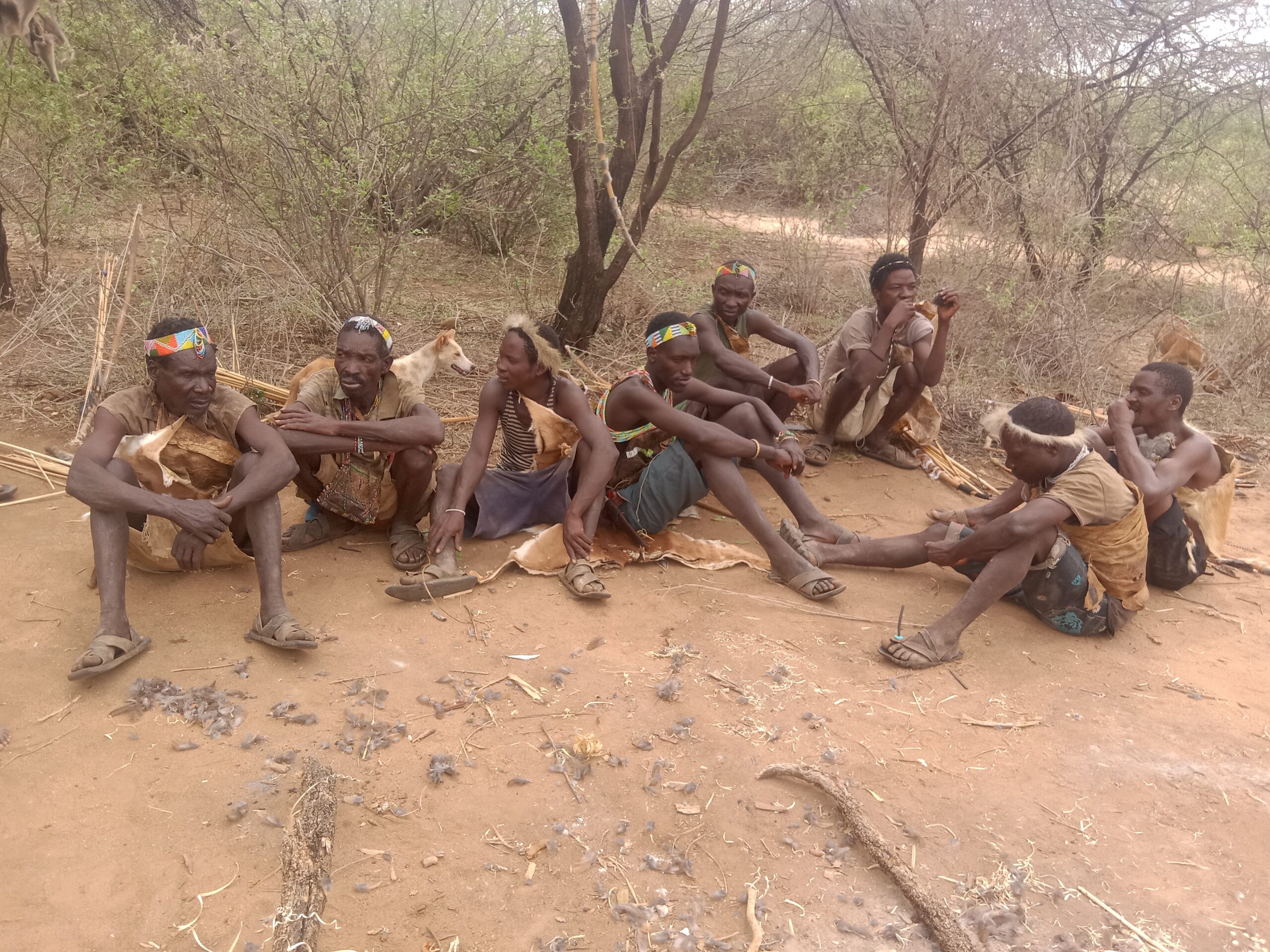
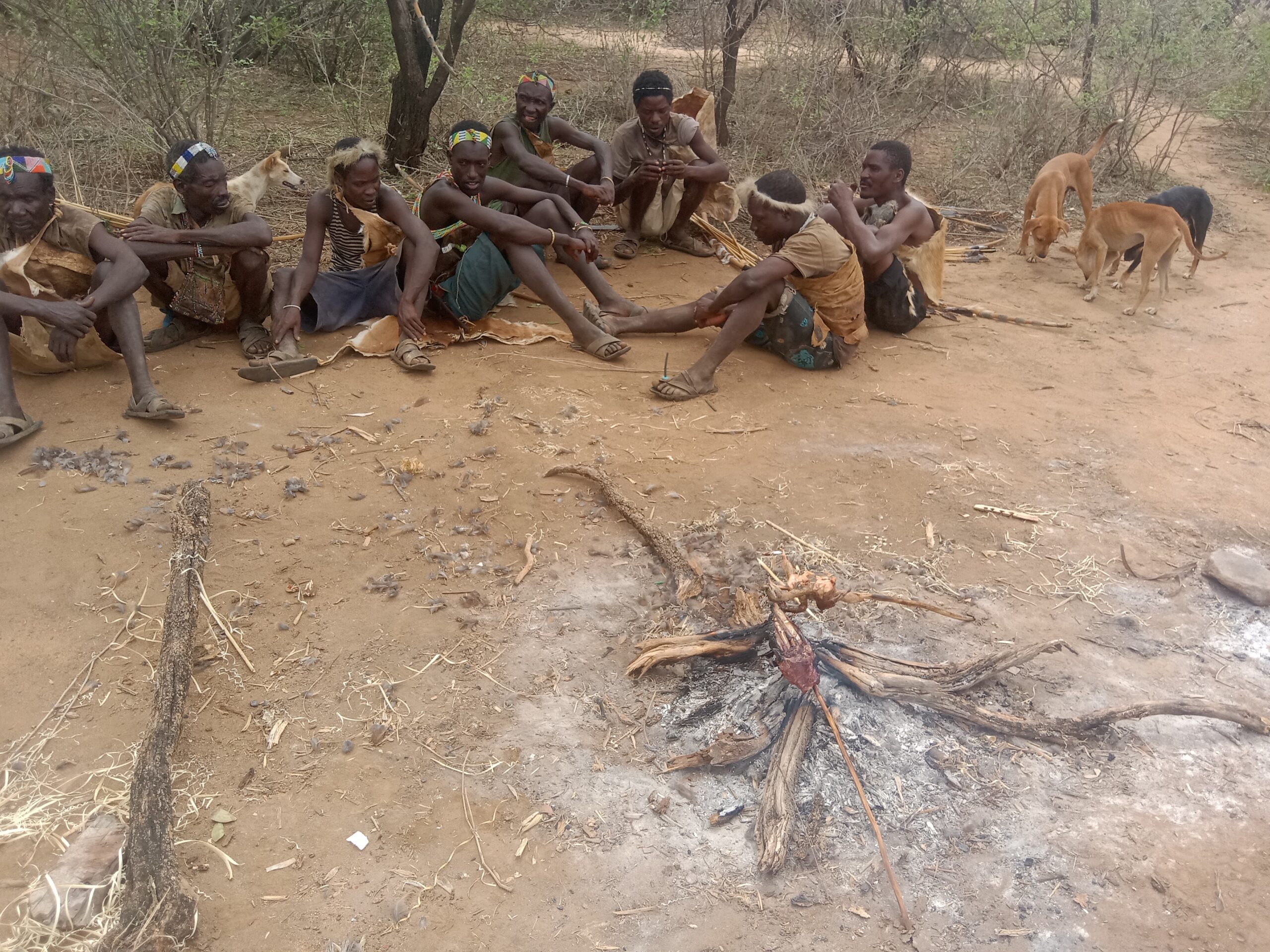
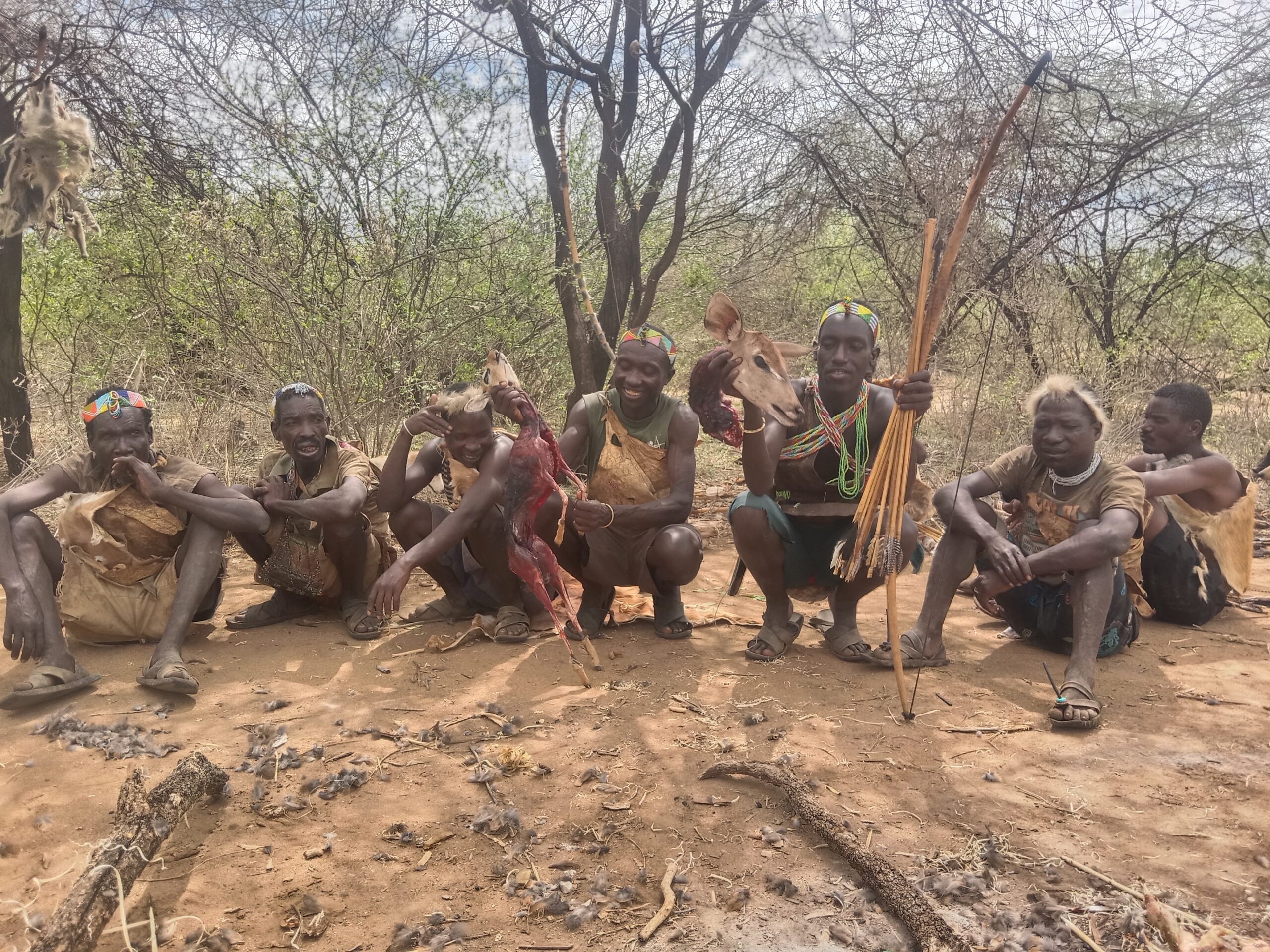
The highlight of any visit to Lake Eyasi is the opportunity to interact with the Hadzabe people, one of the last remaining hunter-gatherer communities in Africa. Their way of life has remained largely unchanged for centuries, offering a rare window into humanity’s ancient past. Visitors can join the Hadzabe at sunrise as they head out for a traditional hunt, using handmade bows tipped with poison arrows. Along the way, guests learn how to track animals, identify edible plants, and locate wild honey. This immersive experience is not staged—it is a genuine and respectful encounter that reveals the simplicity, resilience, and deep knowledge of nature that defines Hadzabe culture.
Equally fascinating is a visit to the Datoga tribe, who live in the same region and maintain a pastoral lifestyle. The Datoga are renowned blacksmiths, crafting tools, weapons, and jewelry using age-old techniques. Their workshops, often set in simple outdoor spaces, offer a glimpse into a skilled tradition that has been passed down through generations. Visitors can observe the entire process, from melting metal to shaping intricate designs, while learning about their customs and beliefs. These cultural interactions provide a meaningful and memorable contrast to the wildlife-focused experiences found elsewhere in Tanzania.
Landscapes and Natural Beauty
The landscape of Lake Eyasi is both dramatic and serene, offering a unique visual experience that changes with the seasons. During the dry months, the lake often recedes, leaving behind vast stretches of white, cracked earth that shimmer under the sun. This stark beauty creates a striking contrast with the surrounding hills and vegetation. In the wet season, the basin fills with shallow water, transforming into a haven for birdlife and adding vibrant reflections to the scenery.
The area is framed by the Great Rift Valley escarpment, which provides a stunning backdrop of layered hills and rocky outcrops. Palm trees and seasonal grasses add texture to the terrain, while the wide, open skies create a sense of endless space. Sunrise and sunset are particularly breathtaking times to explore the area, as the changing light paints the landscape in shades of gold, pink, and orange. These peaceful moments make Lake Eyasi a perfect destination for photography, relaxation, and quiet reflection.
Wildlife and Activities
Although Lake Eyasi is not a traditional wildlife hotspot, it still offers rewarding natural experiences. The lake and its surroundings are home to a variety of bird species, including flamingos, pelicans, storks, and herons, especially during the wet season. Birdwatchers will find the area particularly appealing due to the diversity and seasonal migrations.
Wildlife sightings may include small antelopes, monkeys, and occasionally hippos in the deeper parts of the lake. However, the focus here is less on large game and more on immersive, low-impact activities. Guided walks along the lake shore allow visitors to learn about local plants, animal tracks, and ecological systems. Cultural tours, birdwatching excursions, and photography sessions are among the most popular activities, offering a slower and more meaningful way to experience the environment.
Best Time to Visit
Lake Eyasi can be visited throughout the year, with each season offering a different experience. The dry season, from June to October, is ideal for cultural visits, as the Hadzabe are more active and easier to locate. The weather is also pleasant, making it comfortable for walking and outdoor activities.
The wet season, from November to May, brings lush greenery and fills the lake with water, attracting a wide range of bird species. This period is perfect for photographers and nature enthusiasts who appreciate vibrant landscapes and rich biodiversity. Regardless of the season, Lake Eyasi maintains its charm and authenticity.
Why Include Lake Eyasi in Your Safari
Including Lake Eyasi in your safari itinerary adds a unique and enriching dimension to your journey through Tanzania. It offers a rare opportunity to connect with indigenous cultures, learn ancient survival skills, and experience a quieter, more reflective side of travel. The contrast between Lake Eyasi and the more famous national parks creates a well-rounded itinerary that balances wildlife, culture, and scenery.
For travelers seeking authenticity, cultural immersion, and unforgettable human connections, Lake Eyasi stands out as a truly special destination. It is a place where time seems to slow down, allowing you to appreciate the beauty of simplicity and the richness of tradition in one of Africa’s most captivating landscapes.