
Gombe Stream National Park
Introduction
Gombe Stream National Park is one of Tanzania’s smallest yet most famous national parks, located on the western shores of Lake Tanganyika. Despite its size—covering only about 52 square kilometers—Gombe holds global significance due to its pioneering chimpanzee research and incredible primate experiences.
The park gained international recognition through the groundbreaking work of Jane Goodall, who began studying wild chimpanzees here in 1960. Her research transformed our understanding of primates and human behavior, making Gombe one of the most important scientific sites in the world.
Landscape and Environment
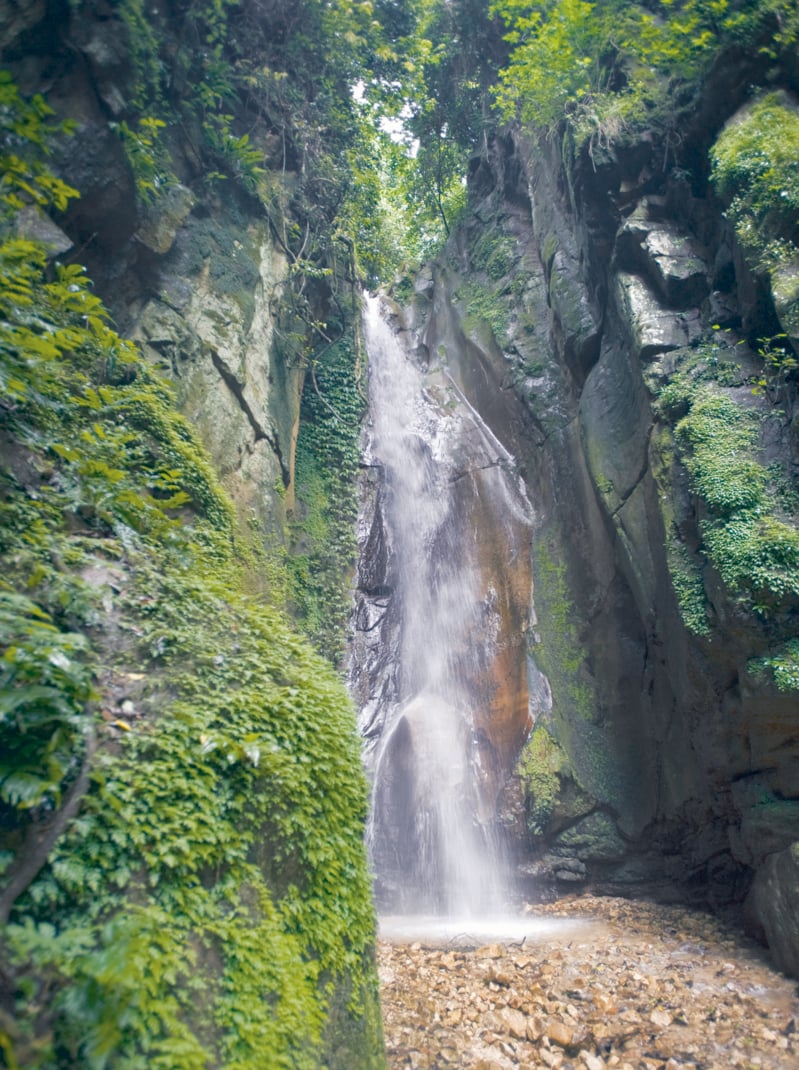
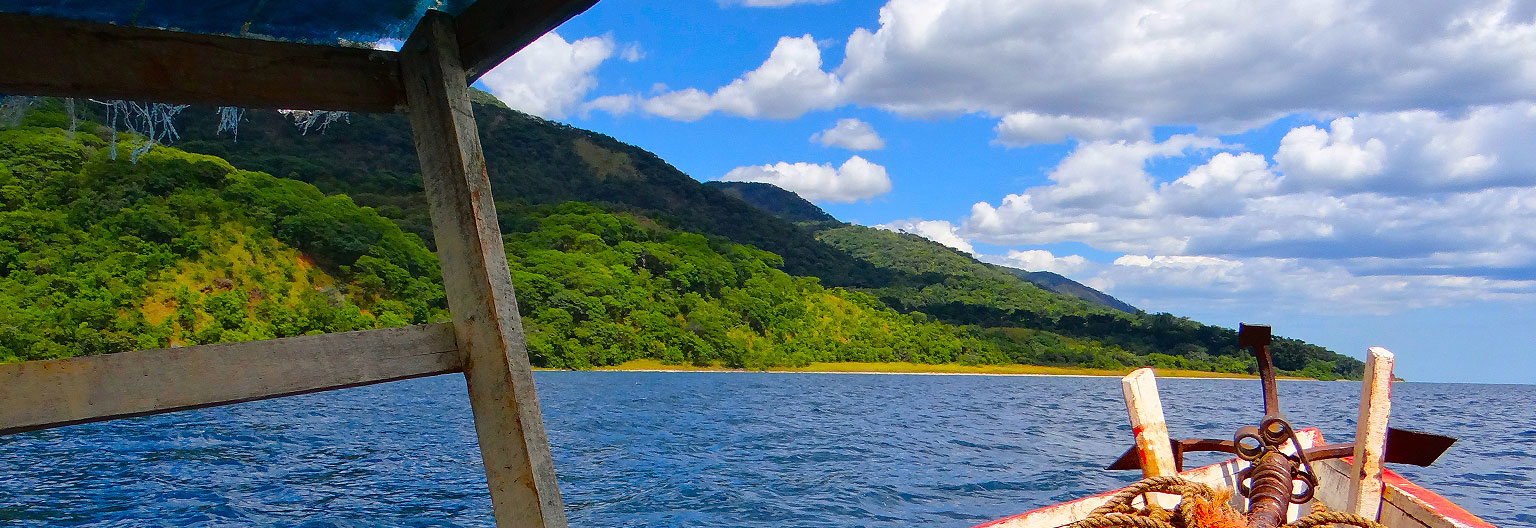
Gombe Stream National Park features a dramatic and diverse landscape that includes steep forested hills, deep valleys, and clear streams that flow into Lake Tanganyika. The terrain is more rugged compared to other parks in Tanzania, creating a sense of adventure for visitors.
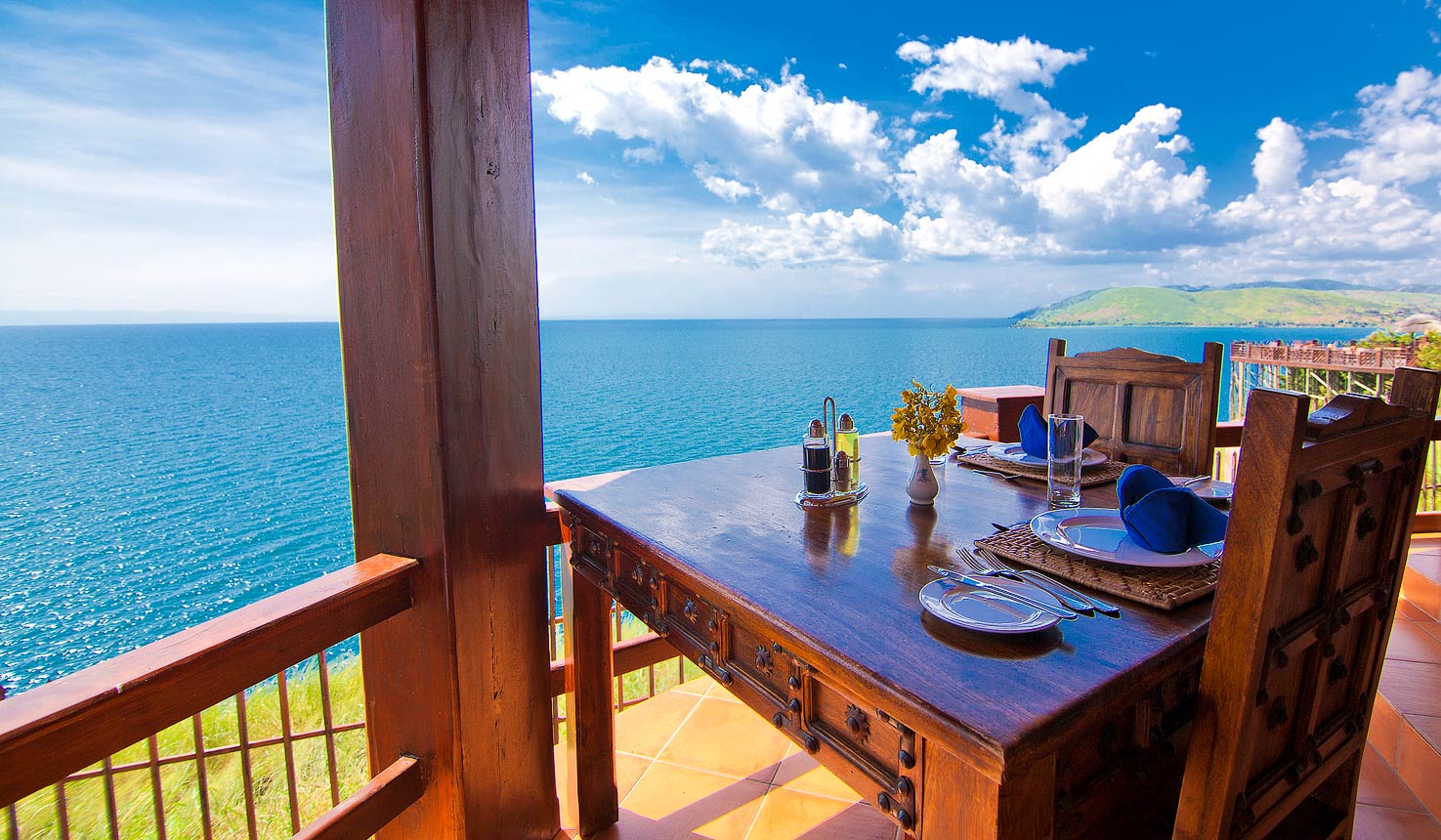
The park’s tropical forests are dense and rich in vegetation, providing a perfect habitat for chimpanzees and other primates. Along the lakeshore, visitors will find sandy beaches and crystal-clear waters, offering a beautiful contrast to the forested interior.
The combination of mountains, forest, and lake creates a unique ecosystem that is both visually stunning and ecologically important.
Chimpanzee Trekking Experience
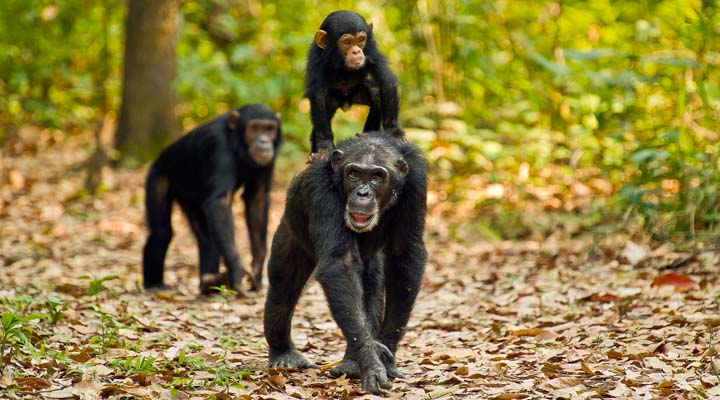
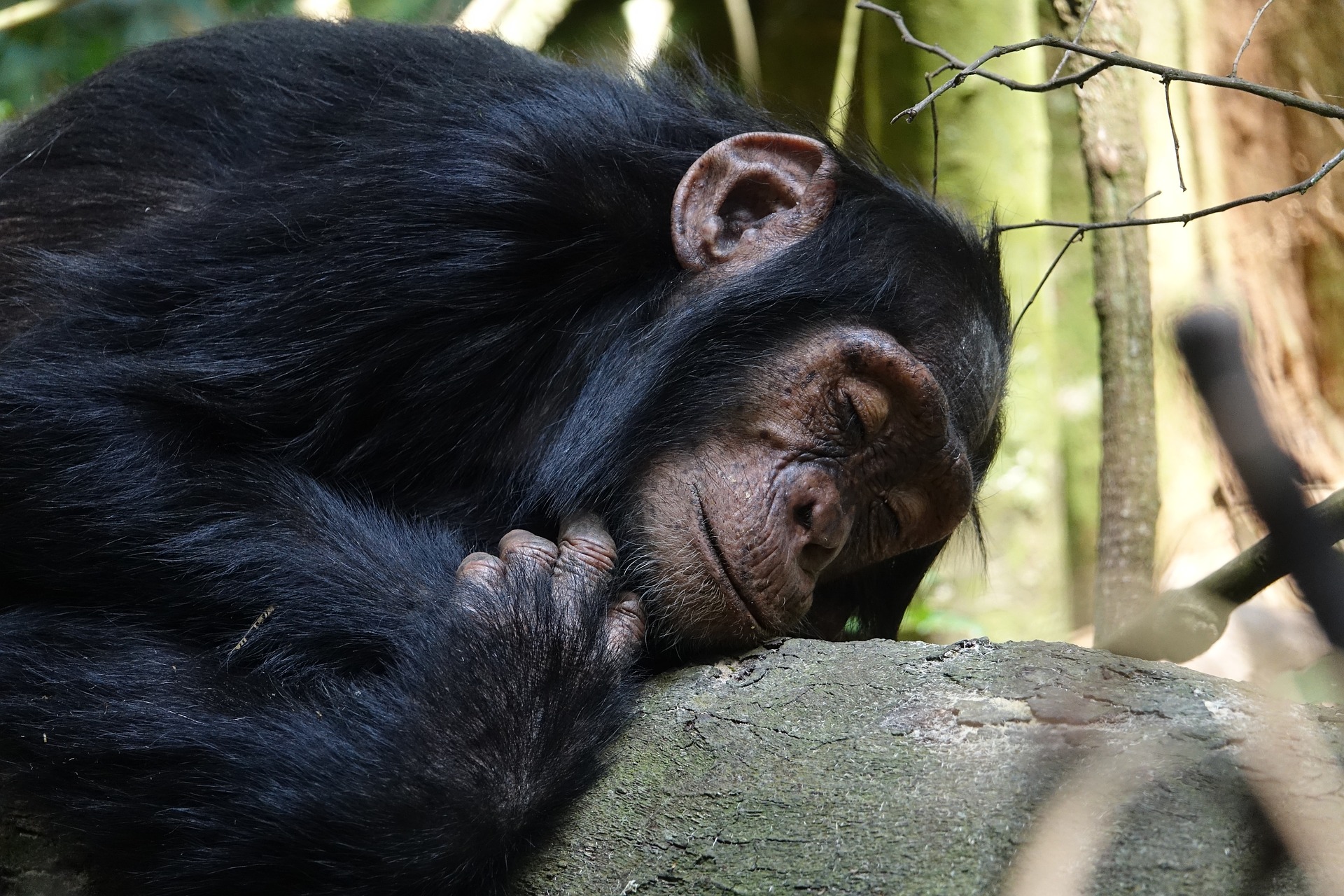
Chimpanzee trekking is the main attraction in Gombe Stream National Park. The park is home to several habituated chimpanzee groups, making it possible for visitors to observe these intelligent animals in their natural environment.
Guided treks take visitors into the forest to track the chimpanzees, which may involve hiking through steep and sometimes challenging terrain. Once found, visitors can watch the chimpanzees as they feed, groom, play, and interact with one another.
This close encounter provides a rare opportunity to witness behaviors that are strikingly similar to human actions, making the experience both fascinating and emotional.
Wildlife and Biodiversity
In addition to chimpanzees, Gombe Stream National Park is home to several other primate species, including red colobus monkeys, blue monkeys, and vervet monkeys. These animals are often seen moving through the forest canopy.
The park also hosts a variety of bird species, making it a great destination for birdwatching. The forest and lakeshore environments support diverse birdlife, adding to the park’s rich biodiversity.
Although large mammals are not common in Gombe due to its small size, the focus on primates and smaller wildlife provides a unique and specialized safari experience.
Historical and Scientific Importance
Gombe’s importance extends beyond tourism. The research conducted by Jane Goodall and the Jane Goodall Institute has contributed significantly to conservation efforts and our understanding of animal behavior.
Visitors to the park can learn about this history and the ongoing work to protect chimpanzees and their habitat. This adds an educational dimension to the experience, making it not only enjoyable but also meaningful.
Activities and Experiences
While chimpanzee trekking is the highlight, Gombe offers several other activities. Visitors can enjoy guided forest walks, birdwatching, and hiking to scenic viewpoints.
The lakeshore provides opportunities for swimming, kayaking, and relaxing by the water. The clear waters of Lake Tanganyika are ideal for cooling off after a trek through the forest.
The peaceful and remote setting of Gombe allows visitors to fully immerse themselves in nature and enjoy a slower pace of travel.
Accessibility and Accommodation
Gombe Stream National Park is relatively remote and can only be accessed by boat. Most visitors travel from the town of Kigoma, located on the shores of Lake Tanganyika, and then take a boat transfer to the park.
Accommodation options are limited but include basic lodges and tented camps that blend with the natural environment. The small number of visitors ensures a quiet and intimate experience.
Best Time to Visit
The best time to visit Gombe is during the dry season, from June to October. During this period, chimpanzees are easier to track as they tend to stay closer to the lower slopes.
The wet season, from November to May, offers lush scenery but can make trekking more challenging due to slippery trails.
Why Visit Gombe Stream National Park
Gombe Stream National Park offers a unique and deeply personal wildlife experience. Its focus on chimpanzees, combined with its rich scientific history and beautiful landscapes, makes it one of Tanzania’s most special destinations.
For travelers interested in primates, conservation, and immersive nature experiences, Gombe provides an unforgettable journey. Walking in the footsteps of Jane Goodall and observing chimpanzees in the wild is an experience that leaves a lasting impression and a deeper appreciation for the natural world.