
Introduction to Amboseli National Park
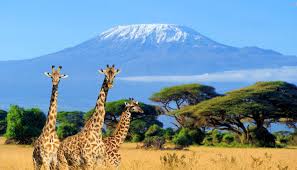
Amboseli National Park, located in southern Kenya near the border with Tanzania, is one of the most iconic wildlife destinations in Africa. Covering approximately 392 square kilometers, the park sits at the foot of Mount Kilimanjaro, Africa’s highest peak, which provides a breathtaking backdrop to the expansive savannahs. Amboseli is renowned for its large elephant herds, diverse wildlife, rich birdlife, and dramatic landscapes, making it a favorite destination for photographers, birdwatchers, and safari enthusiasts. Its accessibility from Nairobi, just a 4–5 hour drive, makes it an excellent choice for both short and extended safari experiences.
Iconic Wildlife: Elephants and More
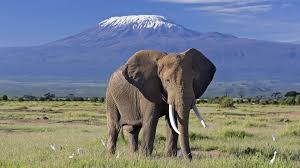
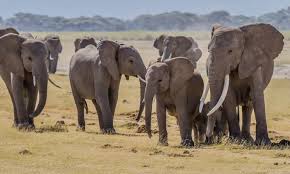
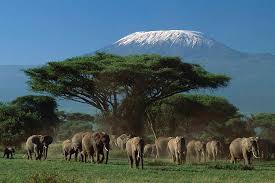
Amboseli National Park is perhaps best known for its elephant population, which is among the largest in Kenya. The park is famous for providing close-up encounters with elephants against the majestic backdrop of Mount Kilimanjaro. Herds of elephants roam the open plains, and visitors can witness calves playing, mothers caring for their young, and matriarchs leading their groups. Amboseli’s elephants are well-studied and have become famous for their size and impressive tusks.
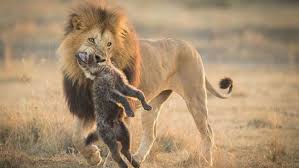
Besides elephants, the Amboseli National Park is home to a wide variety of other mammals. Lions are commonly seen lounging in the shade or hunting along the grasslands, while leopards remain elusive and are often found in rocky areas or acacia woodlands. Cheetahs occasionally appear hunting in open plains. Other frequently sighted animals include buffalo, zebras, wildebeests, giraffes, warthogs, and various antelope species such as impalas and elands. Small predators like hyenas and jackals play an important role in the ecosystem, scavenging or hunting smaller prey.
Birdlife: A Paradise for Birdwatchers
Amboseli National Park is not only a haven for mammals but also a paradise for bird enthusiasts. With over 400 bird species, the park attracts both resident and migratory birds. Large waterbirds such as flamingos, pelicans, storks, and herons inhabit the park’s swamps and seasonal lakes. African fish eagles are commonly heard and seen near waterholes, easily recognizable by their distinctive calls. Other birds, including kingfishers, hornbills, and ostriches, add to the diversity and provide excellent opportunities for birdwatching and photography.
The park’s wetlands, woodlands, and open plains create a range of habitats, allowing visitors to spot birds in various environments. Early mornings and late afternoons are particularly rewarding for birdwatchers, as this is when many species are most active.
Landscapes and Scenery
Amboseli National Park is famous for its scenic landscapes. The vast open plains, dotted with acacia trees, offer sweeping views that are ideal for wildlife photography. The snow-capped peak of Mount Kilimanjaro provides an unparalleled backdrop, making every wildlife sighting more dramatic. The park also features swamps, seasonal lakes, and observation hills, which provide panoramic views of both wildlife and the surrounding terrain. Sunrise and sunset in Amboseli are spectacular, with golden light illuminating the plains and reflecting off the wetlands, creating stunning photographic opportunities.
Safari Activities
Amboseli National Park offers a variety of activities for visitors seeking both adventure and relaxation. Game drives are the most popular, with early morning and late afternoon safaris offering the best chances to see elephants, lions, giraffes, and other wildlife. Birdwatching tours allow enthusiasts to explore the park’s avian diversity, while guided nature walks provide an educational experience about the park’s ecosystems and wildlife behavior.
Visitors can also enjoy cultural interactions with the Maasai people, who live around the park and maintain traditional practices. These interactions give insight into local culture, including traditional dress, dances, and livestock management. Photography safaris are particularly rewarding in Amboseli due to the combination of wildlife, landscapes, and Kilimanjaro as a backdrop.
Best Time to Visit
The dry season, from June to October, is the best time for wildlife viewing, as animals congregate near water sources and roads are accessible. The wet season, from November to May, brings lush green landscapes, migratory birds, and smaller crowds, though some areas may be muddy. Amboseli is accessible year-round, but wildlife visibility and photography conditions vary with the seasons.
Conservation and Significance
Amboseli National Park plays a crucial role in elephant conservation and the protection of other wildlife species. The park is part of a larger conservation landscape, which includes community-based initiatives that protect wildlife while benefiting local Maasai communities. Amboseli’s swamps, wetlands, and grasslands also support critical bird populations, making it a vital ecological sanctuary.
Key Highlights
- Iconic elephant sightings against Mount Kilimanjaro.
- Rich diversity of wildlife, including lions, leopards, buffaloes, and giraffes.
- Over 400 bird species, including flamingos, pelicans, and African fish eagles.
- Accessible safari park with excellent photographic and viewing opportunities.
- Cultural interactions with the Maasai community.
Amboseli National Park offers an unforgettable safari experience, combining abundant wildlife, spectacular birdlife, and dramatic landscapes. Its iconic elephants and breathtaking views of Mount Kilimanjaro make it a must-visit destination for wildlife enthusiasts, photographers, and first-time safari travelers alike. Whether on a short safari or an extended wildlife adventure, Amboseli guarantees memorable encounters with Africa’s natural wonders.