
Introduction to Lake Nakuru National Park
Lake Nakuru National Park is one of Kenya’s most celebrated wildlife destinations, located in the Great Rift Valley near the town of Nakuru. Famous for its stunning flamingo populations and vibrant birdlife, the park also boasts a remarkable diversity of mammals, including rhinos, lions, and giraffes. Spanning approximately 188 square kilometers, Lake Nakuru offers a unique safari experience that combines breathtaking landscapes with abundant wildlife, making it an ideal stop for both photographers and nature enthusiasts.
Iconic Birdlife and Flamingo Spectacle
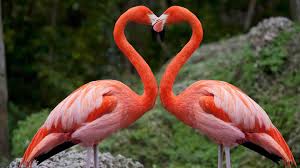
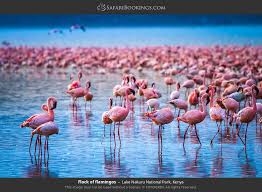
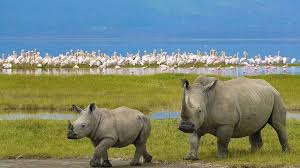
Lake Nakuru National Park is perhaps best known for its massive flocks of flamingos that gather along the shores to feed on the lake’s algae. During peak season, the shoreline can be covered in pink, creating a stunning visual spectacle that draws photographers and travelers from around the world. While flamingos are the highlight, the park is home to over 400 bird species, including pelicans, cormorants, African fish eagles, and kingfishers. Birdwatchers will find Lake Nakuru to be a paradise for observation and photography.
The alkaline lake provides a nutrient-rich habitat that supports this diverse bird population, and walking along the lakeshore or observing from viewpoints offers visitors incredible photographic and wildlife opportunities. The changing water levels of the lake create a dynamic environment, with the flamingo population fluctuating depending on the season.
Wildlife and the Big Five
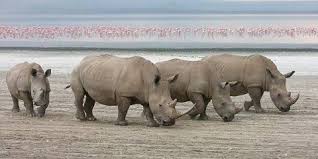
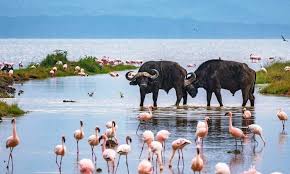
In addition to its renowned birdlife, Lake Nakuru National Park is a key destination for mammal viewing. The park is home to both black and white rhinos, making it one of the best rhino sanctuaries in Kenya. Lions, leopards, giraffes, zebras, and buffalo also inhabit the park, creating diverse safari encounters. Visitors often enjoy game drives along scenic tracks that weave through acacia forests, rolling hills, and open plains, providing multiple opportunities to spot wildlife.
Lake Nakuru National Park relatively compact size makes it easier for visitors to cover a lot of ground in a short time, compared to larger parks like the Maasai Mara. This allows for high wildlife density and more frequent sightings of predators and herbivores alike.
Landscapes and Scenery
The park is located within the Great Rift Valley, which gives it dramatic escarpments, rolling hills, and open plains. Lake Nakuru National Park itself is a shallow, alkaline lake that reflects the surrounding landscapes beautifully, creating perfect opportunities for photography. The combination of the lake, forested areas, and grasslands provides varied scenery that makes each game drive unique.
Sunrise and sunset over the lake are particularly captivating, with soft light reflecting off the water and highlighting the flamingo flocks. The picturesque backdrop, along with the wildlife and birdlife, creates a quintessential safari experience that balances natural beauty with adventure.
Safari Activities
Visitors to Lake Nakuru can engage in a variety of safari activities, including:
- Game Drives: Morning and afternoon drives offer excellent chances to spot rhinos, lions, and giraffes.
- Birdwatching: Explore the lake and its surrounding wetlands to see the diverse avian population.
- Photography Safaris: Capture dramatic landscapes, wildlife, and the famous flamingo spectacle.
- Nature Walks: Guided walks provide insight into the park’s ecosystem and conservation efforts.
These activities are designed to immerse travelers in the park’s natural environment, offering opportunities to learn, observe, and capture unforgettable moments.
Best Time to Visit
Lake Nakuru can be visited year-round, but the experience varies with the season:
- Dry Season (June to October): Easier to spot wildlife, fewer rains, and clearer roads.
- Wet Season (November to May): Lush landscapes, full lakes, and active birdlife, although some roads may be less accessible.
- Flamingo Season: Large flamingo populations typically appear when the lake is rich in algae, usually during the wetter months.
Regardless of timing, the park remains one of Kenya’s most accessible and wildlife-rich destinations.
Why Include Lake Nakuru in Your Safari
Including Lake Nakuru National Park in a Kenya safari itinerary offers a unique combination of birdwatching, rhino conservation, and scenic beauty. The park complements other destinations like the Maasai Mara or Amboseli, adding variety and depth to any safari adventure. Visitors gain the chance to see iconic wildlife in a compact, easily navigable park, while also experiencing one of the most spectacular natural phenomena in Africa—the flamingo flocks.
For travelers seeking a blend of wildlife, birdlife, and breathtaking scenery, Lake Nakuru National Park provides a memorable, authentic safari experience that will enhance any East African journey.