
Ngorongoro Crater

Ngorongoro Crater

The Ngorongoro Crater is one of the most iconic natural wonders of Tanzania and a UNESCO World Heritage Site. Often described as a “natural Eden,” it is the world’s largest inactive volcanic caldera, measuring about 20 kilometers in diameter and covering roughly 260 square kilometers. Its unique combination of geological history, breathtaking scenery, and dense wildlife populations makes it an unparalleled safari destination.

Geography and Landscape

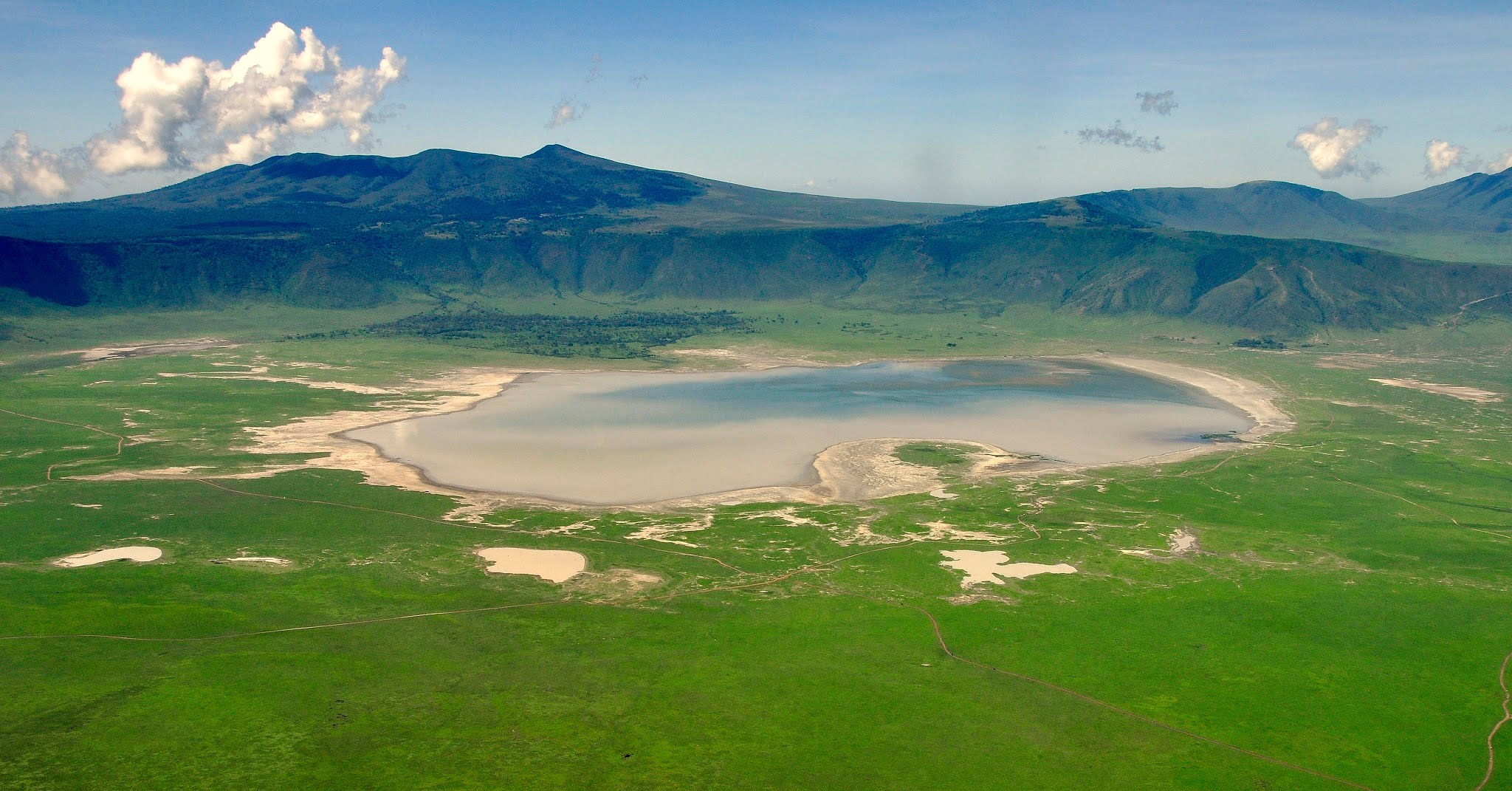
Ngorongoro Crater was formed nearly three million years ago when a massive volcano exploded and collapsed in on itself. Today, the caldera floor is a lush mix of grasslands, swamps, and acacia forests, creating a perfect habitat for a wide array of wildlife.

  • Crater Rim: Offers panoramic views of the entire caldera, making it ideal for photography and sightseeing.
  • Crater Floor: Contains diverse ecosystems including grass plains, soda lakes, and small forests, providing refuge to thousands of animals.
  • Water Sources: Lakes and springs in the crater sustain wildlife throughout the year, even in the dry season.

Wildlife and Safari Experience

The Ngorongoro Crater is famous for its high density of wildlife in a relatively small area:

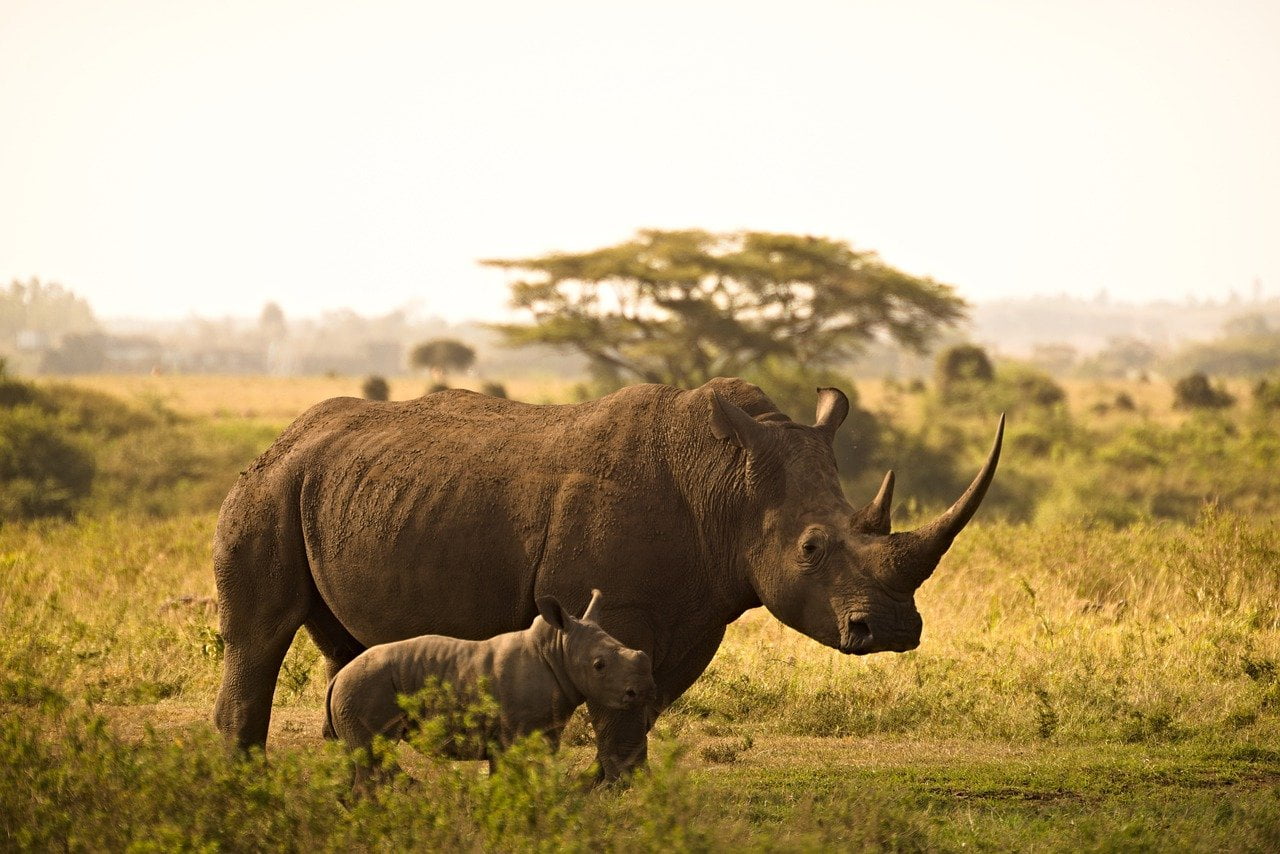
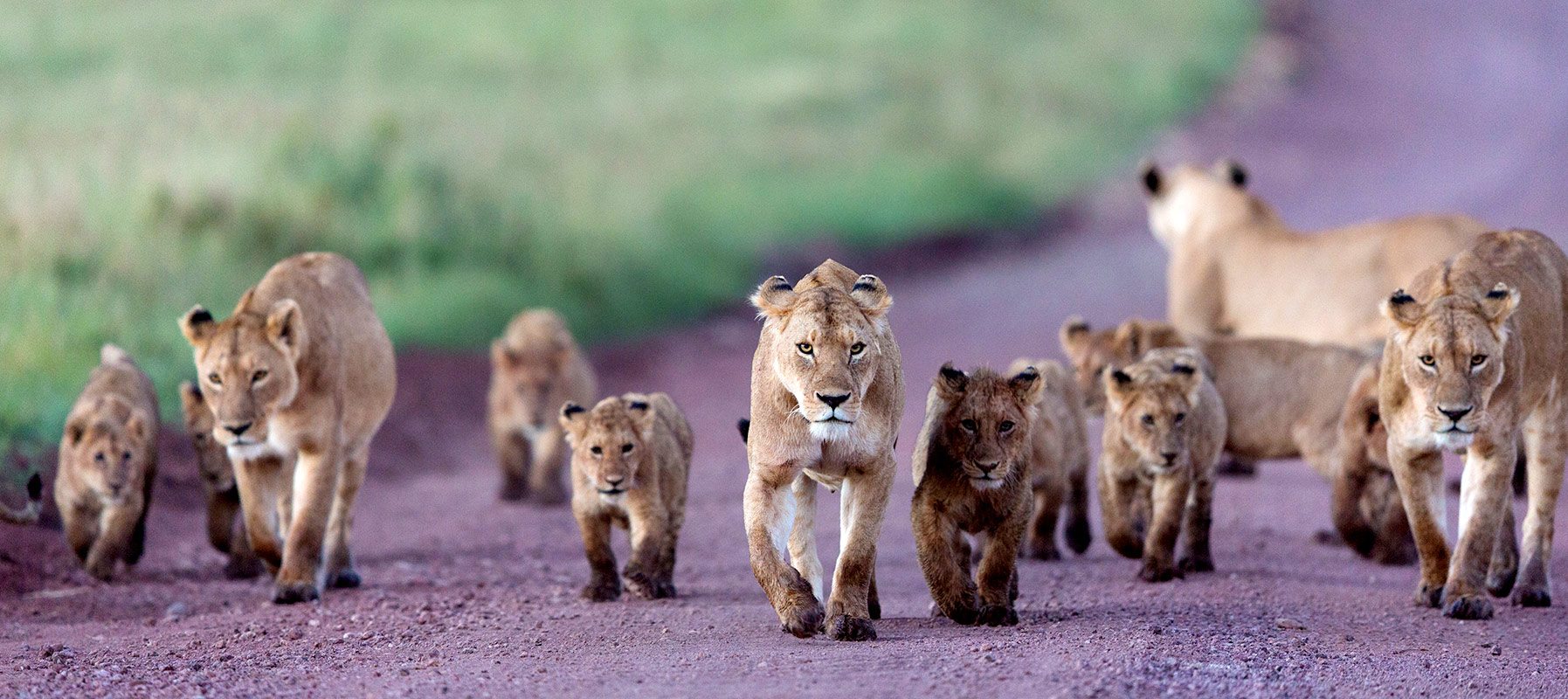
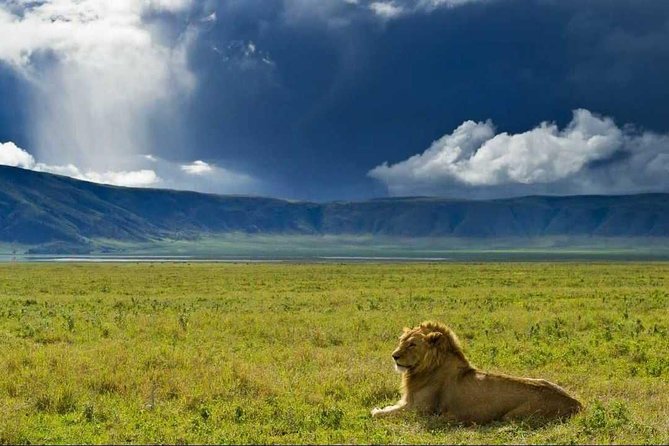
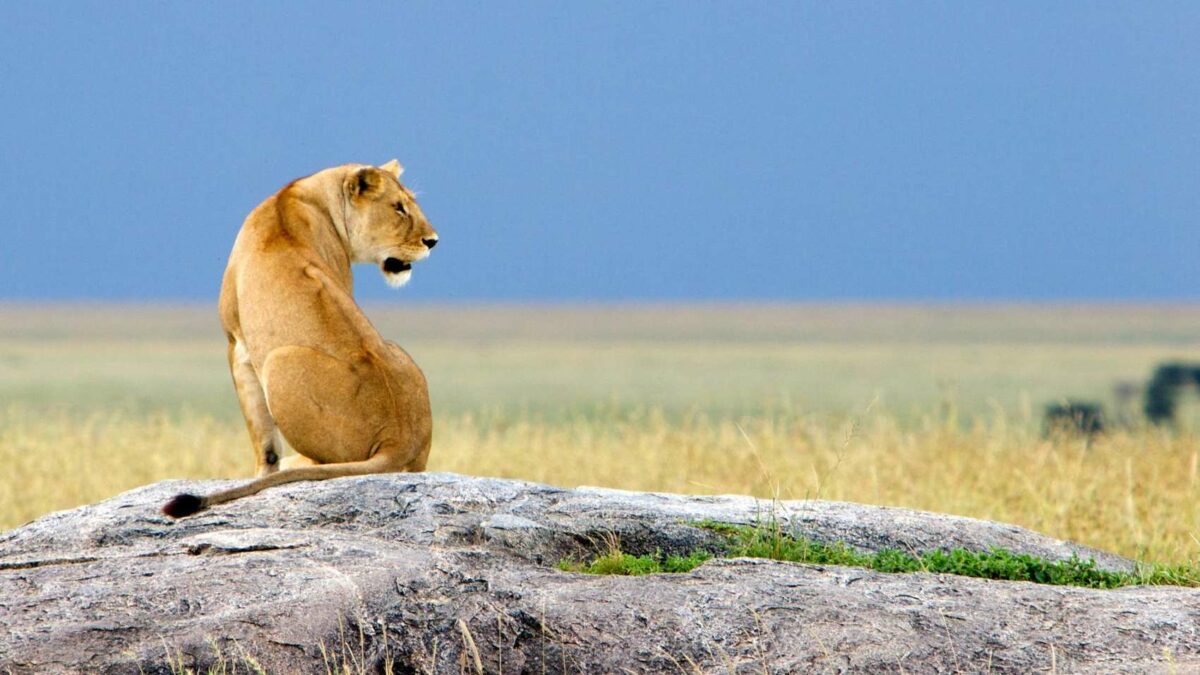
  • The Big Five: Lions, elephants, rhinos, leopards, and buffaloes are regularly seen here. The crater is especially famous for its critically endangered black rhino population.
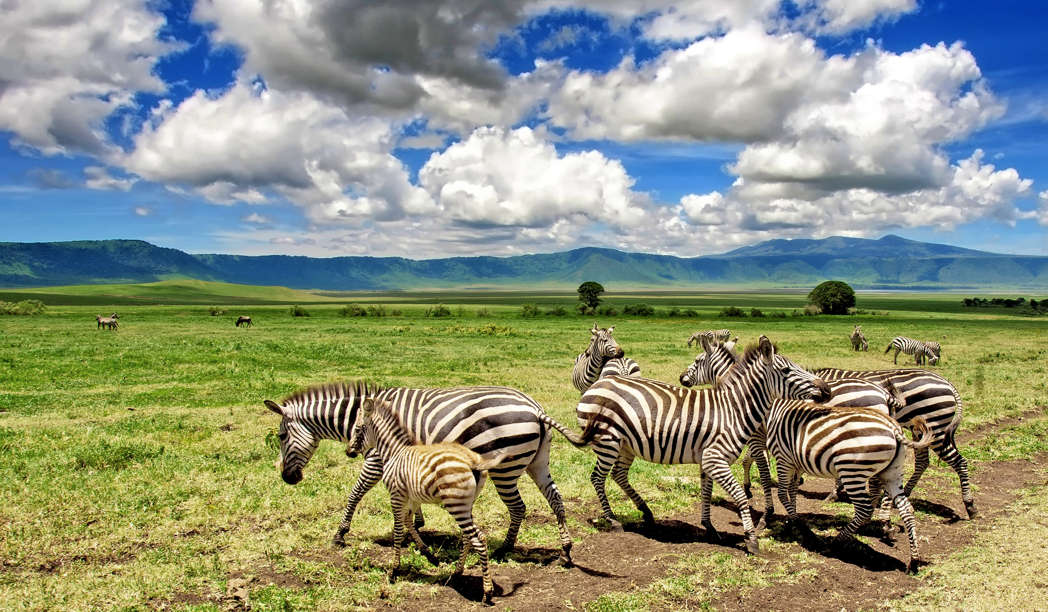
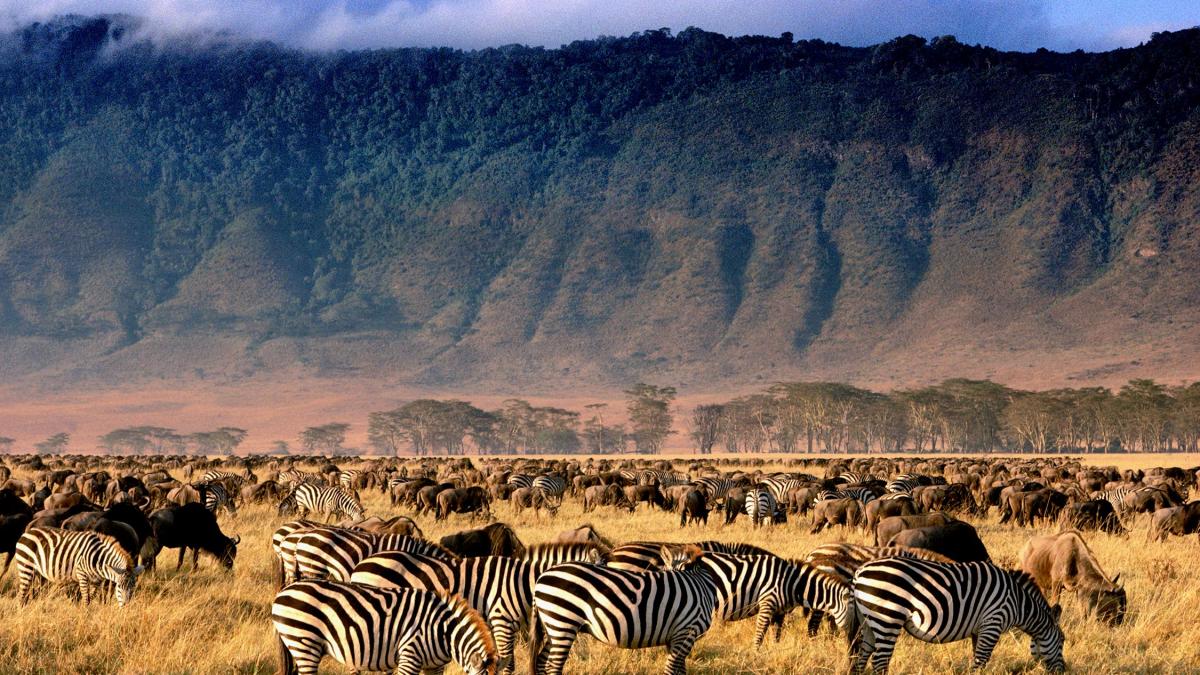
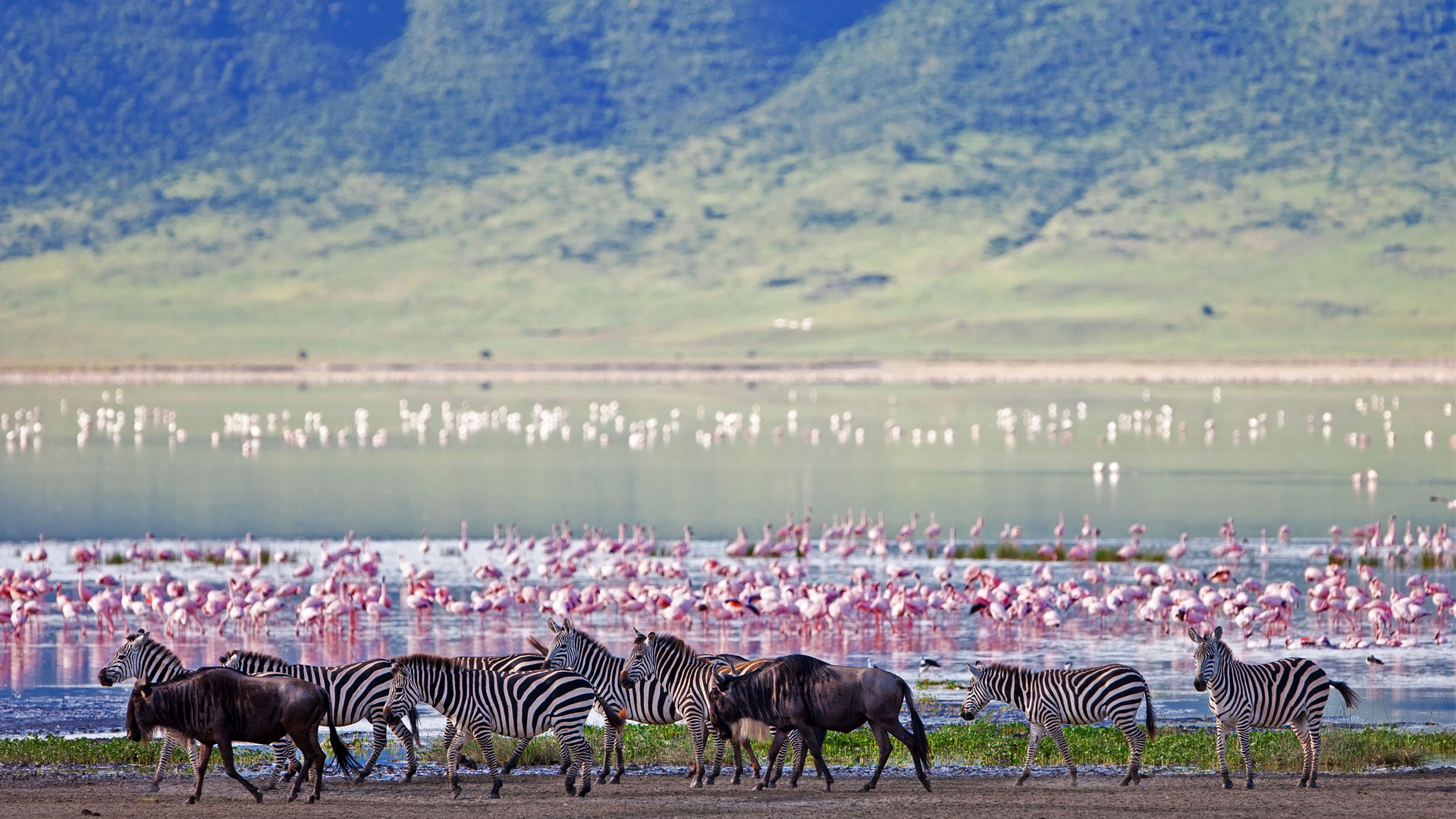
  • Other Mammals: Hippos, zebras, wildebeests, gazelles, hyenas, and warthogs roam freely across the plains.
  • Birdlife: Over 500 bird species have been recorded, including flamingos, crowned cranes, and ostriches.
  • Predator Activity: The crater offers excellent opportunities to observe predator-prey interactions due to the dense wildlife populations.

Activities and Experiences

Game Drives

Game drives are the primary activity. Early morning drives are recommended to spot predators before they rest during the heat of the day. The compact size of the crater allows for more wildlife viewing in a shorter time compared to larger parks.

Cultural Visits

The Maasai people live around the crater rim. Visitors can learn about their traditional lifestyle, ceremonies, and cattle-herding practices.

Scenic Photography

From the rim to the floor, every angle of Ngorongoro provides stunning landscapes, making it a photographer’s paradise. Sunrise and sunset over the crater are particularly spectacular.

Birdwatching

The crater’s varied habitats attract a wide range of bird species. The soda lakes occasionally host flocks of flamingos, adding bursts of color to the landscape.

Accessibility

Ngorongoro Crater is located about 180 kilometers (roughly 4–5 hours) from Arusha and is often visited as part of the northern safari circuit including Serengeti National Park and Lake Manyara National Park.

Best Time to Visit

  • Dry season (June–October): Easier to spot wildlife, less muddy roads, and clearer views from the crater rim.
  • Wet season (November–May): The crater is lush and green, birdwatching is excellent, though some areas can be slippery.

Accommodation

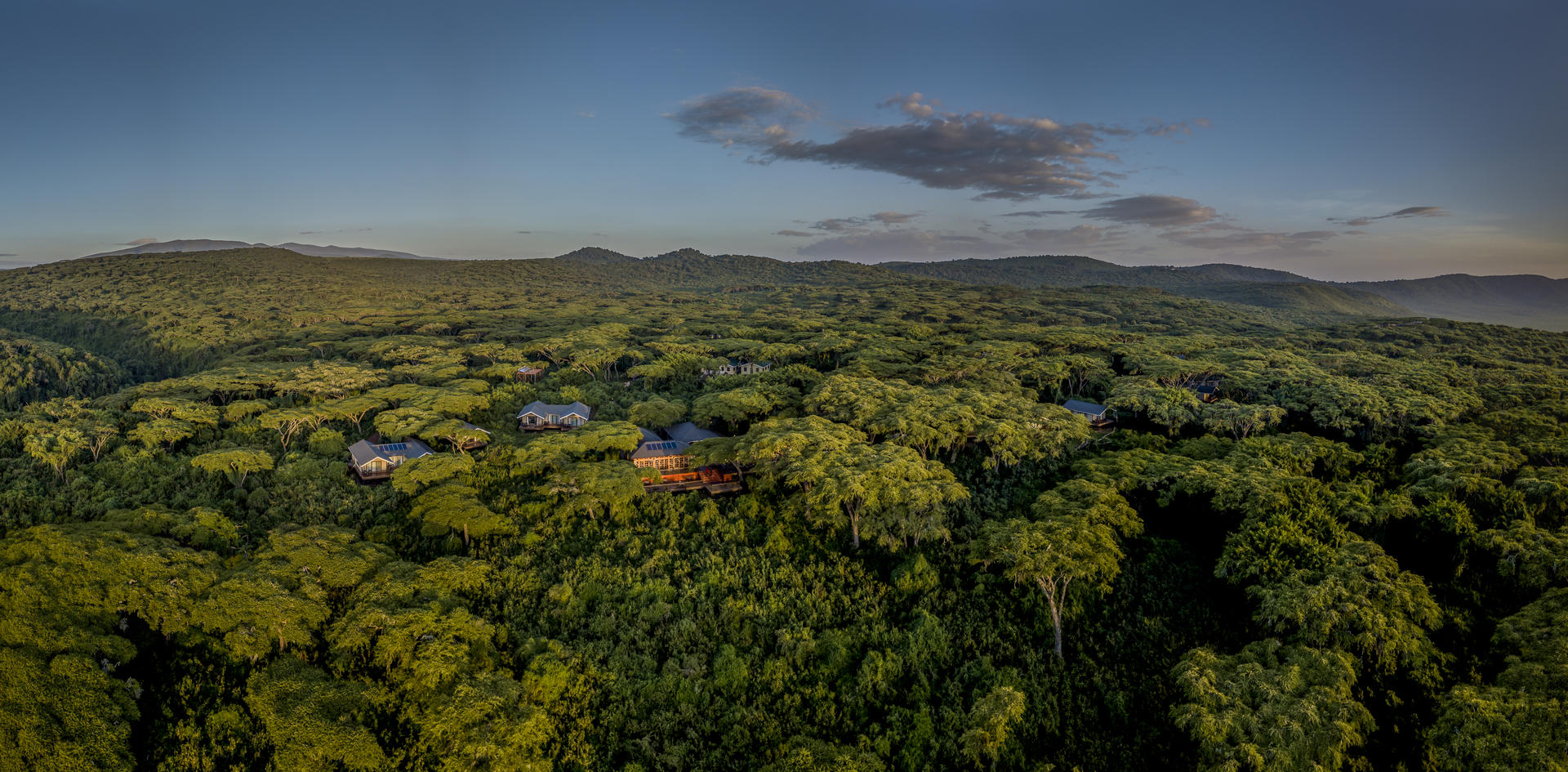
Accommodations near the crater rim and in surrounding conservation areas range from luxury lodges to mid-range lodges and tented camps. Staying near the rim allows for early morning drives and convenient access to the crater.

Why Visit Ngorongoro Crater

Ngorongoro Crater is a once-in-a-lifetime safari destination. Its combination of dramatic landscapes, dense wildlife populations, and rich cultural experiences offers a unique perspective on Africa’s natural heritage. Whether you’re hoping to see the Big Five, witness flamingos in the soda lake, or experience Maasai culture, Ngorongoro delivers an unforgettable adventure in one of the world’s most remarkable natural settings.
What Makes Ngorongoro Crater So Special?

The Ngorongoro Crater is the world’s largest unbroken, unflooded volcanic caldera, measuring about 19 kilometers (12 miles) across and 600 meters (2,000 feet) deep. The walls create a natural enclosure that supports a year-round population of wild animals — making it one of the best places in Tanzania to see the Big Five in a single day.

It’s also a UNESCO World Heritage Site, a Man and Biosphere Reserve, and a place where wildlife and the semi-nomadic Maasai people coexist in harmony.

Safari Activities in Ngorongoro Crater

  • Crater Floor Game Drive – Descend early in the morning for the best sightings and lighting

  • Picnic Lunch – Most tours include a stop by the scenic hippo pool for lunch in the wild

  • Photographic Safari – The natural amphitheater offers excellent backdrops for dramatic shots

  • Crater Rim Views – Don’t miss the panoramic lookout points at Seneto and Heroes Point

How to Get to Ngorongoro Crater

Ngorongoro is part of the Northern Safari Circuit and is easy to include in any itinerary.

  • From Arusha: ~3.5 hours by road

  • From Lake Manyara: ~2 hours

  • From Tarangire: ~2.5–3 hours

  • From Serengeti (Central): ~2–3 hours via Naabi Hill Gate

Many travelers visit Ngorongoro between time in the Serengeti and Lake Manyara, making it the perfect mid-point.

Where to Stay Near Ngorongoro Crater

You can stay:

  • On the Crater Rim for immediate access and dramatic sunrise views

  • In the nearby Karatu Highlands (20–30 minutes from the gate) for more variety in accommodation and affordability

Top Luxury Lodges:

  • Ngorongoro Serena Safari Lodge – Classic lodge with views right into the crater

  • Ngorongoro Lodge by Melia – New, modern and stylish rim-side luxury

  • The Highlands by Asilia – Unique eco domes with private views of the highlands

  • Lion’s Paw Camp – Closest tented camp to the crater floor descent road

Best Time to Visit Ngorongoro Crater

You can visit Ngorongoro year-round, but here’s what to expect:

  • Dry Season (June – October): Excellent game viewing, cooler mornings, and fewer muddy roads

  • Green Season (November – May): Lush, green landscapes and more birds, especially flamingos

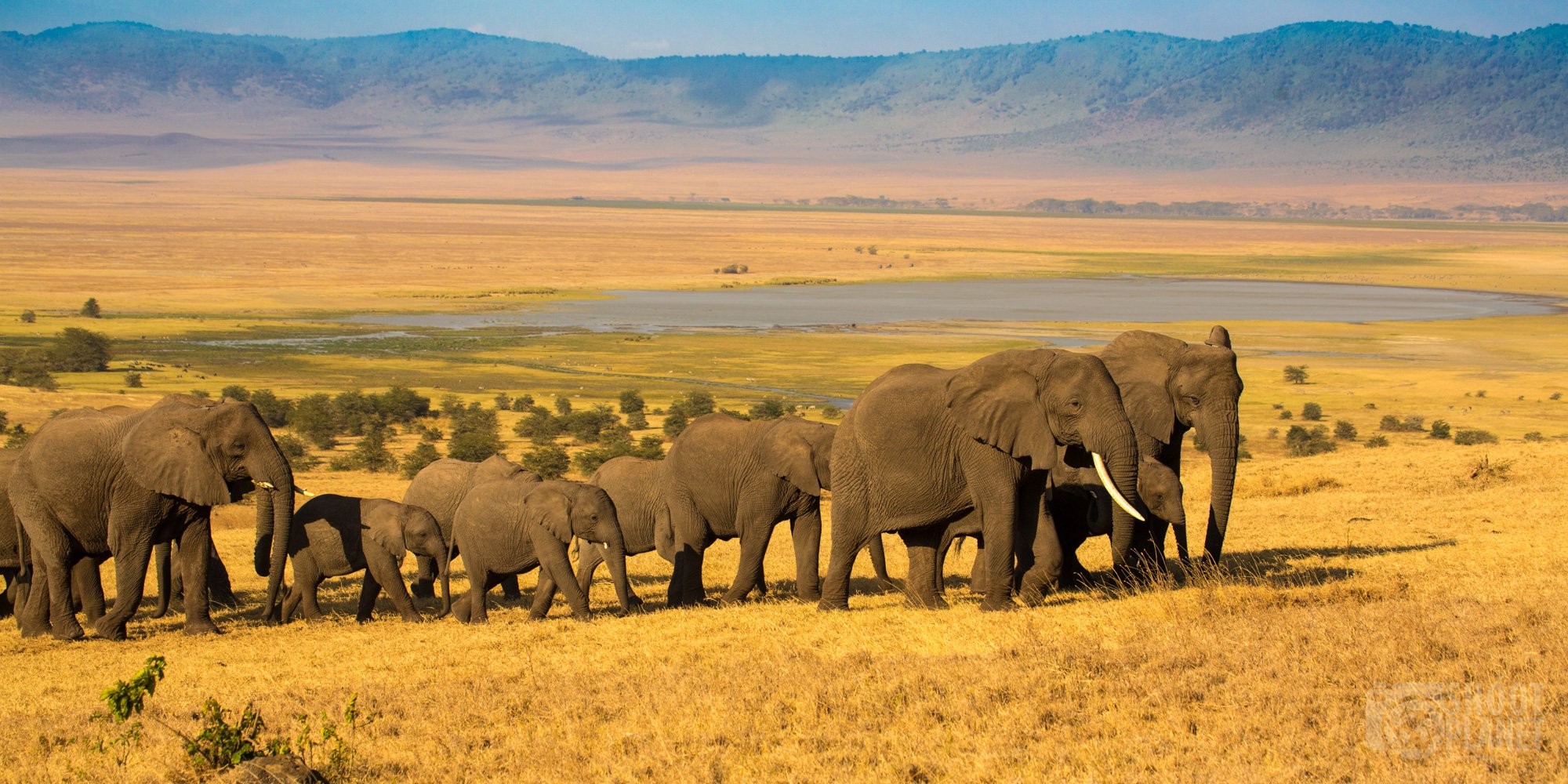
  • Rhinos and elephants are resident year-round — you’ll see them no matter when you come

Want to Add Ngorongoro Crater to Your Safari?

The Ngorongoro Crater is a must-see on any Tanzania safari itinerary. It combines world-class wildlife, dramatic scenery, and cultural depth, all within a relatively small area — making it perfect for both short and extended stays.

Combine Ngorongoro with:

  • Tarangire National Park

  • Lake Manyara National Park

  • Serengeti National Park

  • Lake Natron or a Maasai cultural experience

Most common animals

  • Black rhinos (best place in Tanzania to see them in the wild!)
  • Large lion prides with hunting action often observed

  • Majestic bull elephants with enormous tusks

  • Big herds of buffalo, zebras, and wildebeest

  • Elusive leopards often seen in the forested areas

  • Warthogs, hyenas, jackals, and over 400 species of birds

  • At the heart of the crater lies Lake Magadi, a seasonal soda lake that attracts pink flamingos, pelicans, and hippos. The Lerai Forest, a lush fever tree grove, is a favorite hangout for elephants and baboons.

Facts about Ngorongoro Crater

  • The crater is sometimes referred to as the “Noah’s Ark of Africa” due to its rich biodiversity

  • Over 25,000 animals live inside the crater year-round

  • Ngorongoro is one of the best places in the world to see the Big Five (lion, elephant, rhino, leopard, and buffalo)

  • The Maasai people have grazed their cattle in the crater for over 200 years, maintaining traditional coexistence with wildlife

  • The name “Ngorongoro” comes from the Maasai word imitating the sound of cowbells