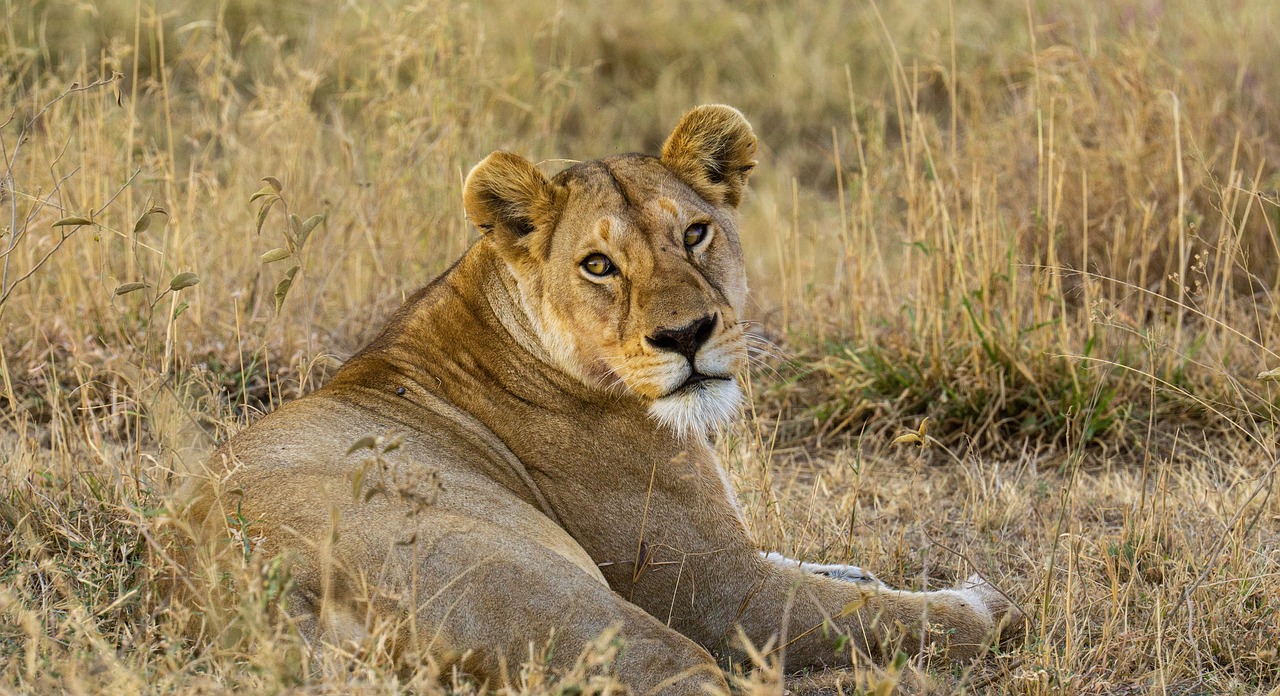

Tarangire National Park
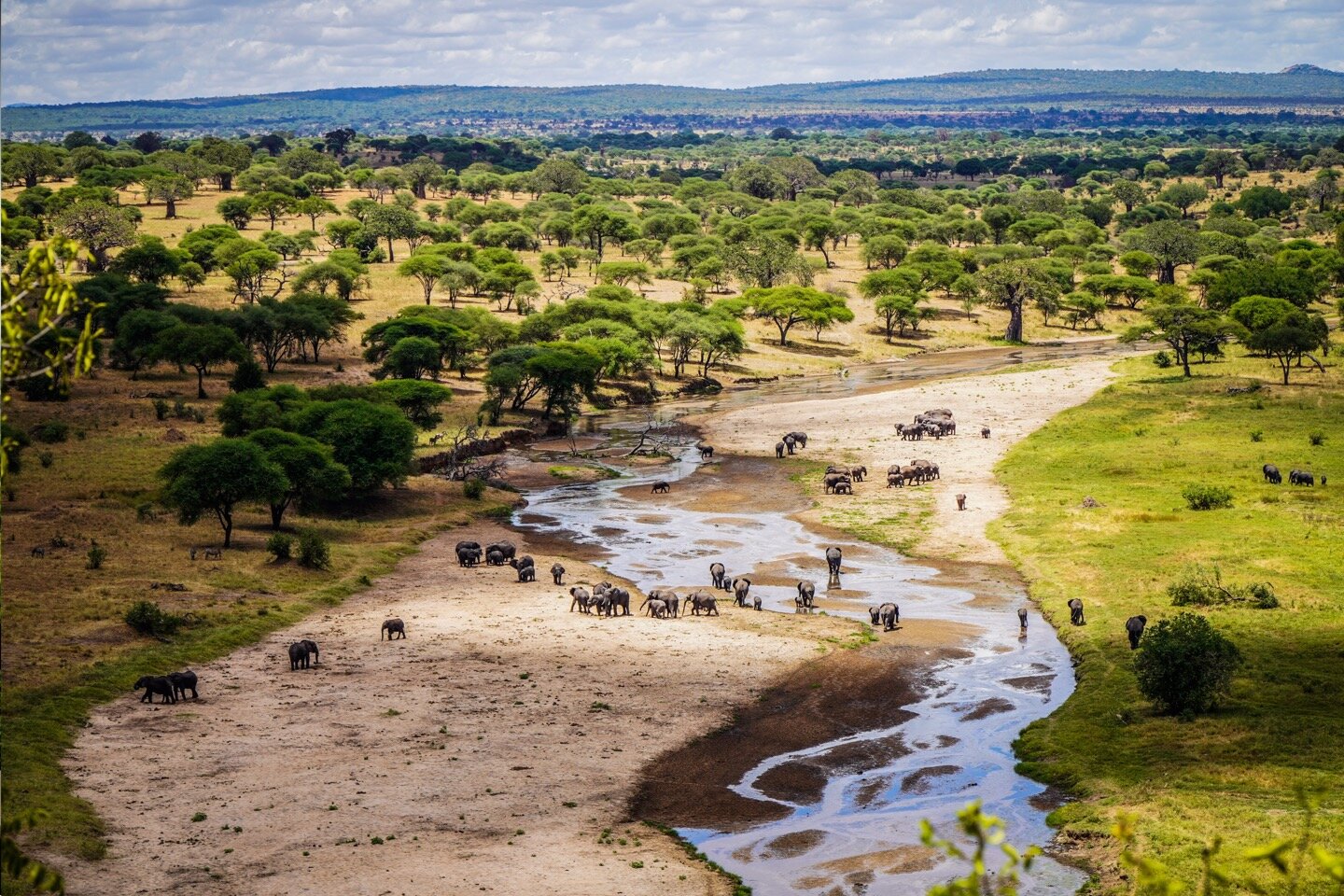
Tarangire National Park is a captivating wildlife destination in northern Tanzania, known for its large elephant herds, iconic baobab trees, and diverse ecosystems. Covering approximately 2,850 square kilometers, it is the sixth-largest national park in Tanzania and is particularly popular during the dry season when animals congregate around the Tarangire River, providing some of the best wildlife viewing in the country.
Located about 118 kilometers (roughly 2–3 hours’ drive) from Arusha, Tarangire is often combined with visits to Lake Manyara National Park, Serengeti National Park, and Ngorongoro Crater, making it a key stop on northern Tanzania safari circuits.
Landscape and Natural Features
Tarangire National Park offers a striking contrast of landscapes that support a wide range of wildlife:
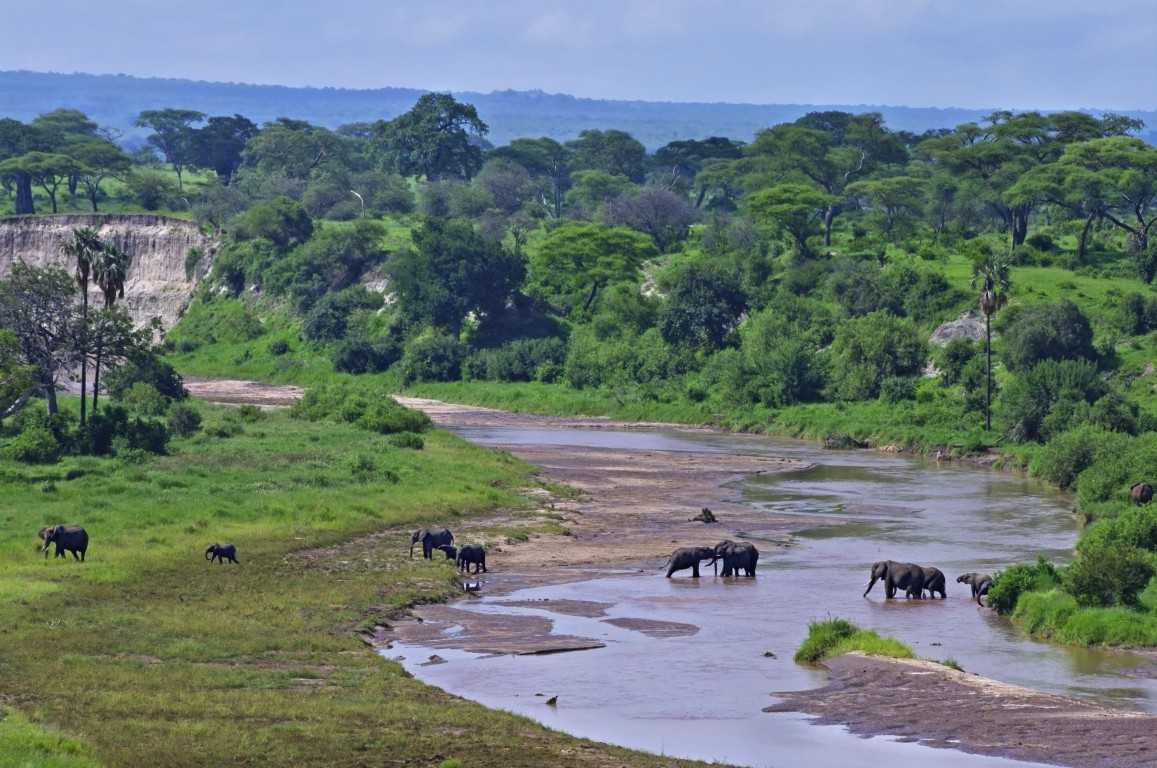
- Tarangire River: The lifeline of the park, attracting animals during the dry season and offering excellent wildlife viewing opportunities.
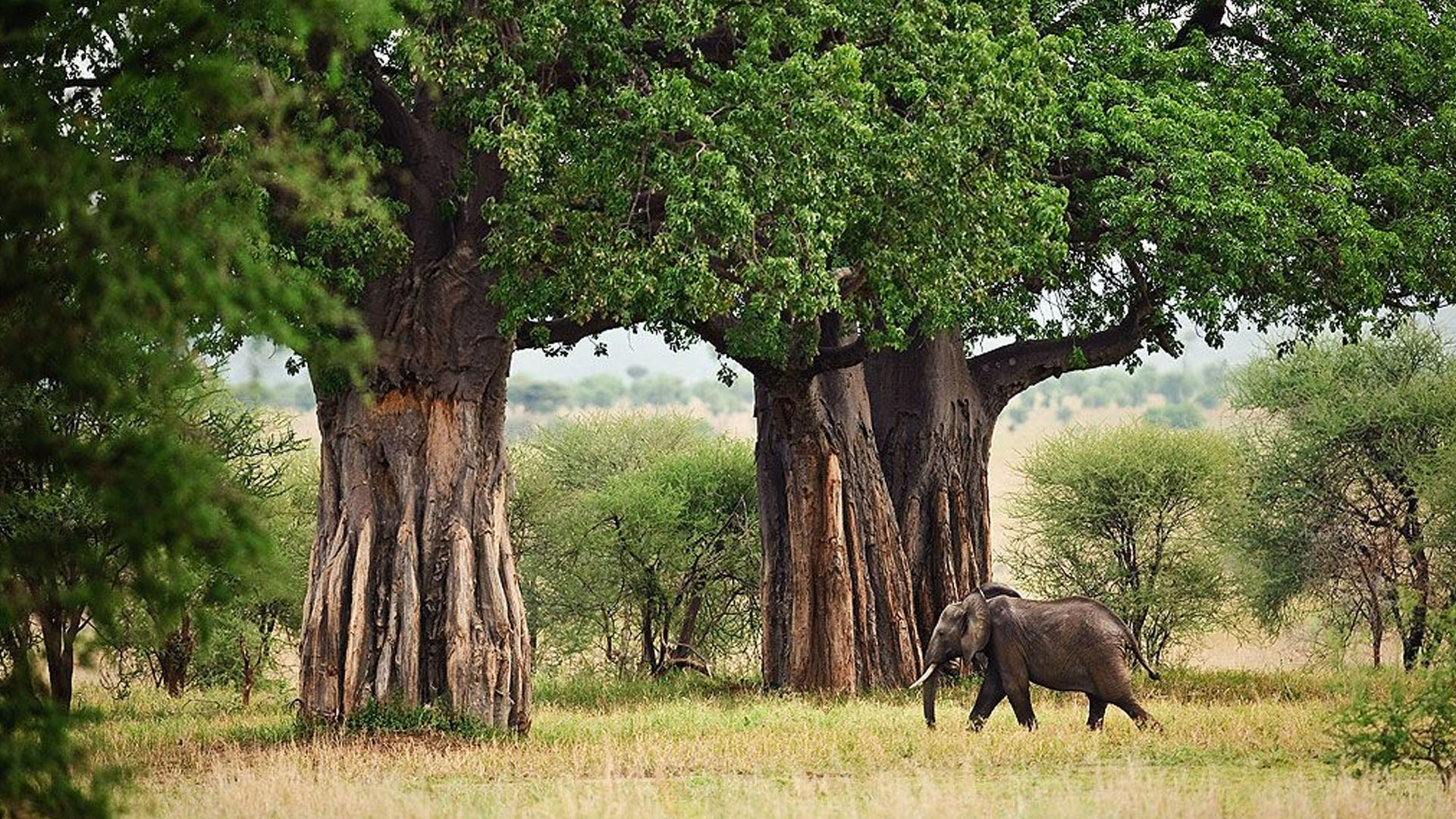
- Baobab Forests: Giant baobab trees dominate the landscape, creating an iconic African scenery and providing shade and shelter for animals.
- Savannah Plains: Open grasslands are ideal for spotting elephants, zebras, wildebeests, and gazelles.
- Acacia Woodlands and Mopane Forests: Dense forests provide habitat for predators such as lions, leopards, and cheetahs, as well as smaller mammals and bird species.
Wildlife and Safari Experience
Tarangire National Park is renowned for its extraordinary wildlife diversity:
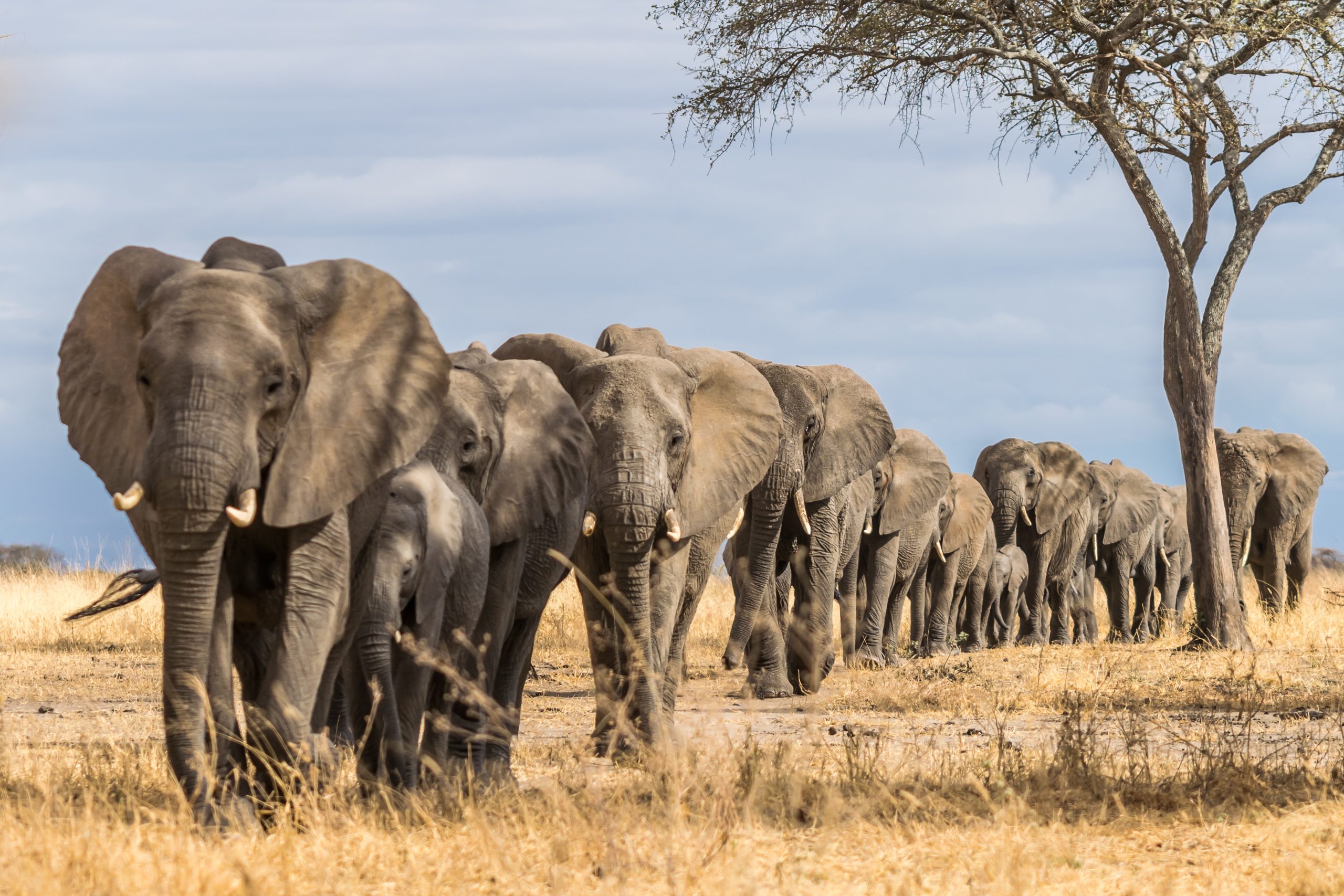
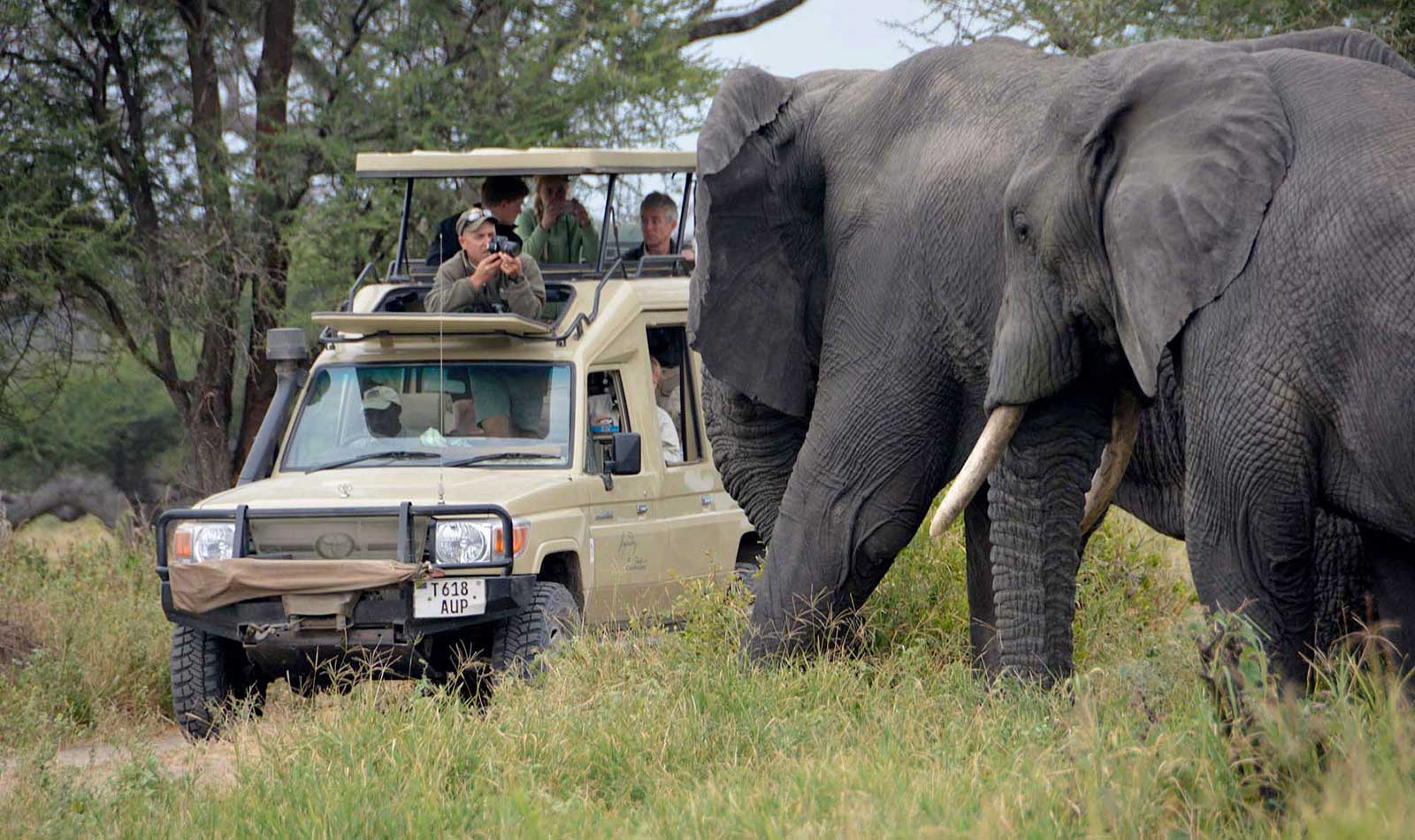
- Elephants: Tarangire hosts one of the largest elephant populations in northern Tanzania, often seen in large herds migrating seasonally along the river.
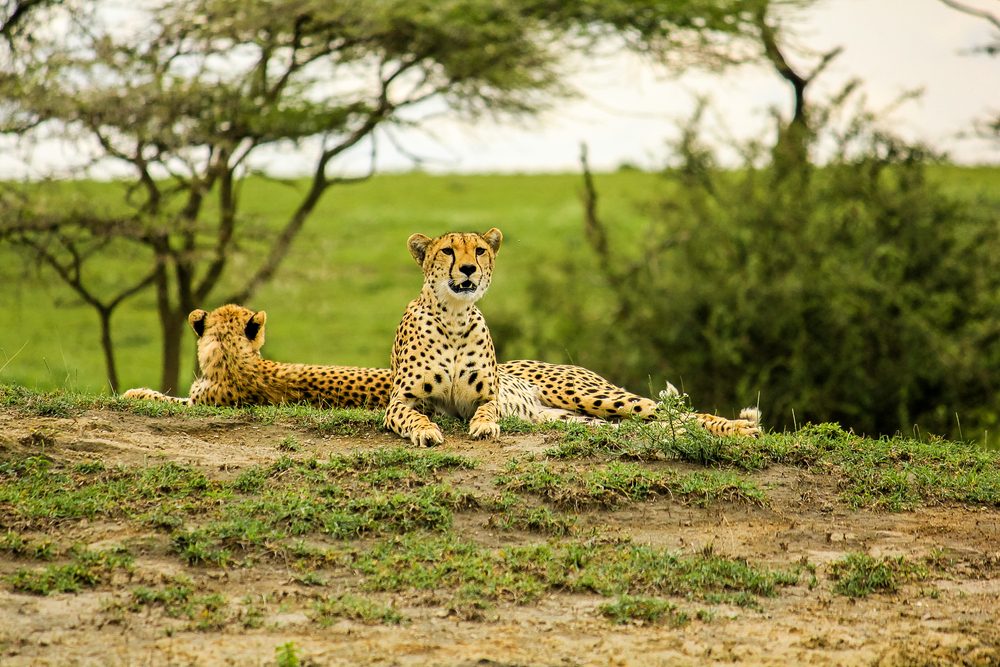
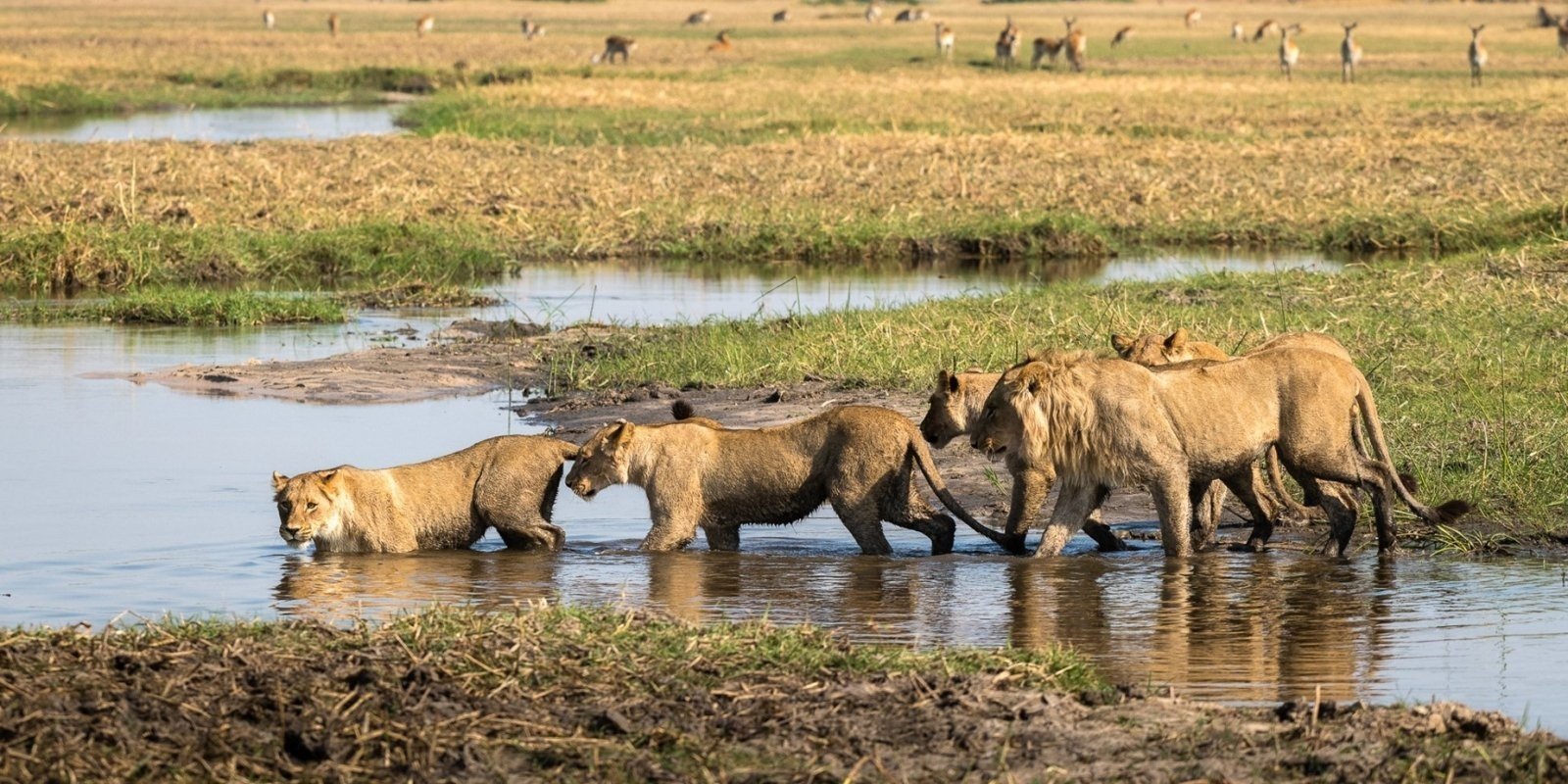
- Big Cats: Lions and leopards are frequently observed, while cheetahs and servals roam the open plains.
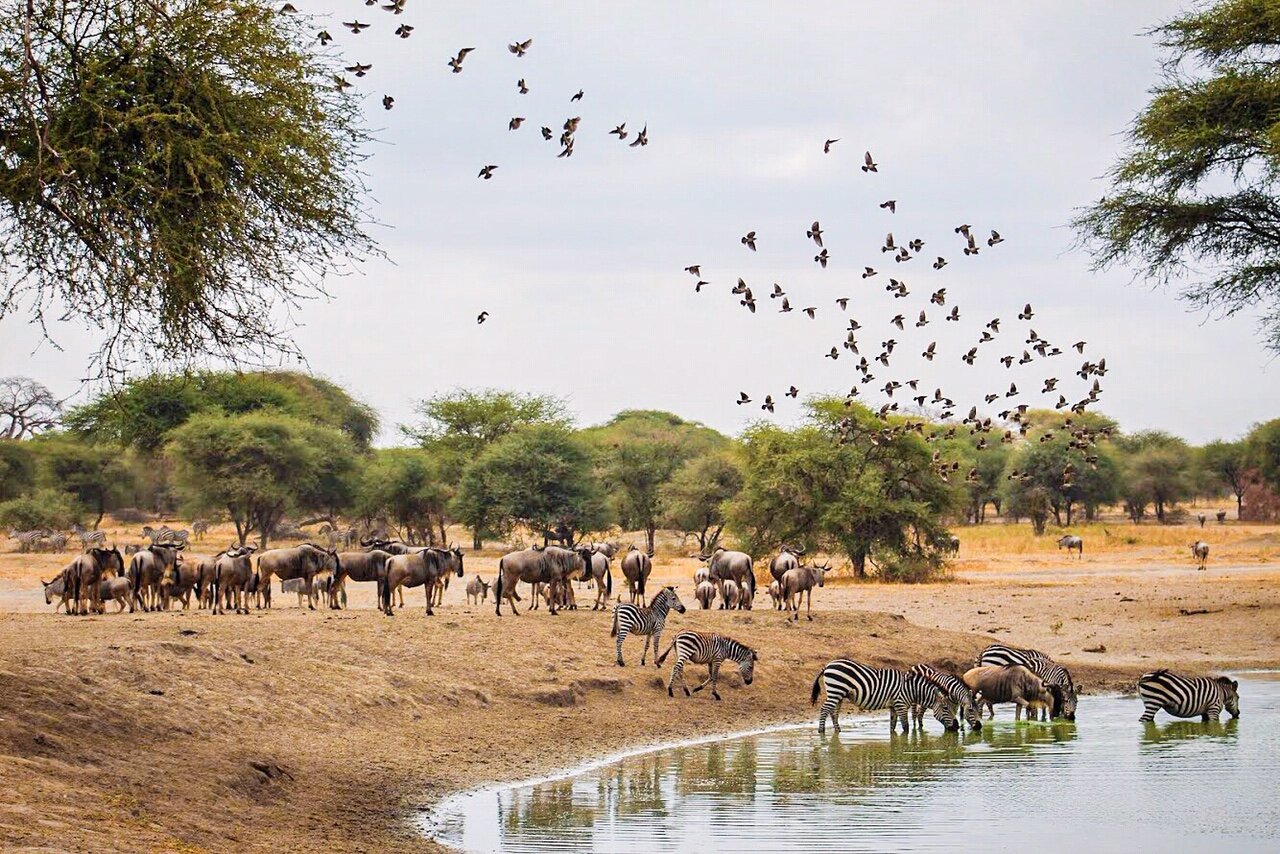
- Other Mammals: Giraffes, zebras, wildebeests, impalas, warthogs, and buffaloes are abundant.
- Birdlife: Over 550 bird species have been recorded, including lilac-breasted rollers, storks, herons, and raptors.
- Unique Encounters: During the dry season (June–October), wildlife congregates near the river, making it easier to spot predators and large herds.
Activities in Tarangire National Park
Game Drives
Morning and afternoon game drives allow visitors to explore the park’s diverse habitats. The Tarangire River area is particularly active during the dry months, offering unforgettable wildlife encounters.
Birdwatching
The park’s extensive wetlands and woodlands provide excellent birdwatching opportunities. Both resident and migratory species can be spotted throughout the year.
Photography Safaris
With dramatic landscapes, baobab trees, and abundant wildlife, Tarangire is a photographer’s paradise. The early morning and late afternoon light enhances the natural beauty of the park.
Bush Walks (Optional)
Some lodges and tour operators offer guided walking safaris, allowing visitors to experience the park up close and learn about its plants, tracks, and smaller wildlife within Tarangire National Park.
Accessibility
Tarangire National Park is conveniently located near Arusha, making it an ideal first or last stop on northern safari circuits. Roads inside the park are generally suitable for 4×4 vehicles, allowing visitors to reach key wildlife areas comfortably.
Best Time to Visit
- Dry Season (June–October): The best time to visit as animals concentrate along the Tarangire River, making wildlife viewing easier.
- Wet Season (November–May): The park is lush and green, with fewer tourists, although wildlife can be more dispersed.
Accommodation
Accommodations at Tarangire National Park range from luxury lodges and tented camps to mid-range options near the park entrance. Some lodges offer riverside views or elevated viewpoints to observe wildlife from the comfort of your lodge.
Why Visit Tarangire National Park
Tarangire National Park offers a unique safari experience with fewer crowds compared to Serengeti or Ngorongoro, while still providing diverse wildlife and stunning landscapes. It is particularly renowned for its elephant herds, ancient baobab trees, and excellent opportunities for photography, birdwatching, and intimate wildlife encounters.
Whether you’re a first-time safari-goer or a seasoned traveler, a visit to Tarangire promises unforgettable encounters with Africa’s majestic wildlife in a serene and spectacular setting.