
Mount Meru
Mount Meru is the second-highest mountain in Tanzania and one of the most spectacular volcanic peaks in East Africa. Standing at 4,566 meters above sea level, it is located within Arusha National Park, just a short distance from the city of Arusha. Often overshadowed by its famous neighbor, Mount Kilimanjaro, Mount Meru offers a quieter, more scenic, and equally rewarding trekking experience.
With its lush forests, diverse wildlife, and dramatic volcanic landscapes, Mount Meru is an excellent destination for nature lovers, hikers, and those seeking acclimatization before climbing Kilimanjaro.
Geography and Landscape
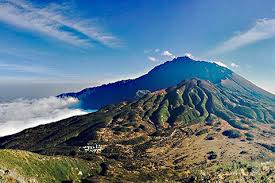
Mount Meru is a dormant stratovolcano formed through volcanic activity over thousands of years. One of its most striking features is its horseshoe-shaped crater, which was formed by a massive volcanic explosion. The crater rim offers breathtaking views of the surrounding landscape and, on clear days, distant views of Mount Kilimanjaro.
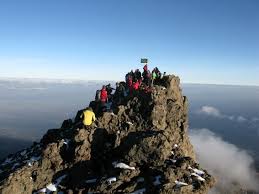
The mountain is surrounded by rich vegetation that changes with altitude. Lower slopes are covered in dense montane forests, while higher elevations transition into alpine meadows and rocky terrain. The summit, known as Socialist Peak, provides panoramic views that make the climb truly unforgettable.
Wildlife and Natural Environment
One of the unique aspects of climbing Mount Meru is the opportunity to see wildlife along the way. Since the mountain is located داخل Arusha National Park, trekkers often encounter animals such as giraffes, buffaloes, zebras, monkeys, and a variety of bird species.
The lower forest areas are home to colobus monkeys and blue monkeys, while the open grasslands support grazing animals. Because of the presence of wildlife, all treks on Mount Meru begin with an armed ranger escort to ensure safety.
This combination of hiking and wildlife viewing makes Mount Meru a unique experience compared to many other mountain treks in the world.
Climbing Experience
Climbing Mount Meru typically takes 3 to 4 days and is considered moderately challenging. The trek is less crowded than Kilimanjaro, providing a more peaceful and intimate connection with nature.
The route to the summit passes through several ecological zones, offering a constantly changing landscape. Trekkers stay in mountain huts along the way, making the climb more comfortable compared to camping routes on Kilimanjaro.
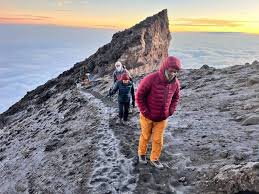
One of the highlights of the climb is the final ascent to Socialist Peak, which usually begins early in the morning. Hikers follow a narrow ridge along the crater rim as the sun rises, creating a dramatic and unforgettable experience.
Acclimatization for Kilimanjaro
Mount Meru is often used as an acclimatization climb for those planning to summit Mount Kilimanjaro. Spending a few days at higher altitude on Meru helps the body adjust to reduced oxygen levels, increasing the chances of success on Kilimanjaro.
In addition to acclimatization benefits, climbing Meru also allows trekkers to build confidence and experience before attempting Africa’s highest peak.
Best Time to Visit
The best time to climb Mount Meru is during the dry seasons, from June to October and from December to March. During these months, the weather is generally clear, and the trails are easier to navigate.
Rainy seasons (April–May and November) can make the trails slippery and more challenging, although the landscape becomes lush and green.
Why Visit Mount Meru
Mount Meru offers a unique and rewarding adventure that combines trekking, wildlife, and stunning scenery. Its quieter trails, diverse ecosystems, and breathtaking views make it an excellent alternative or complement to Mount Kilimanjaro.
For travelers seeking a less crowded climb with rich natural experiences, Mount Meru is an ideal choice. Whether used as preparation for Kilimanjaro or as a standalone adventure, it provides an unforgettable journey through one of Tanzania’s most beautiful landscapes.