
Katavi National Park
Katavi National Park is one of the most remote and untouched wilderness areas in Tanzania, offering a truly authentic and off-the-beaten-path safari experience. Located in the western part of the country, far from the popular northern safari circuit, Katavi is known for its vast floodplains, dense woodlands, and extraordinary concentrations of wildlife.
Spanning over 4,400 square kilometers, Katavi is the third-largest national park in Tanzania, yet it remains one of the least visited. This isolation makes it a perfect destination for travelers seeking exclusivity, raw nature, and a deep connection with the African wilderness.
Landscape and Ecosystem
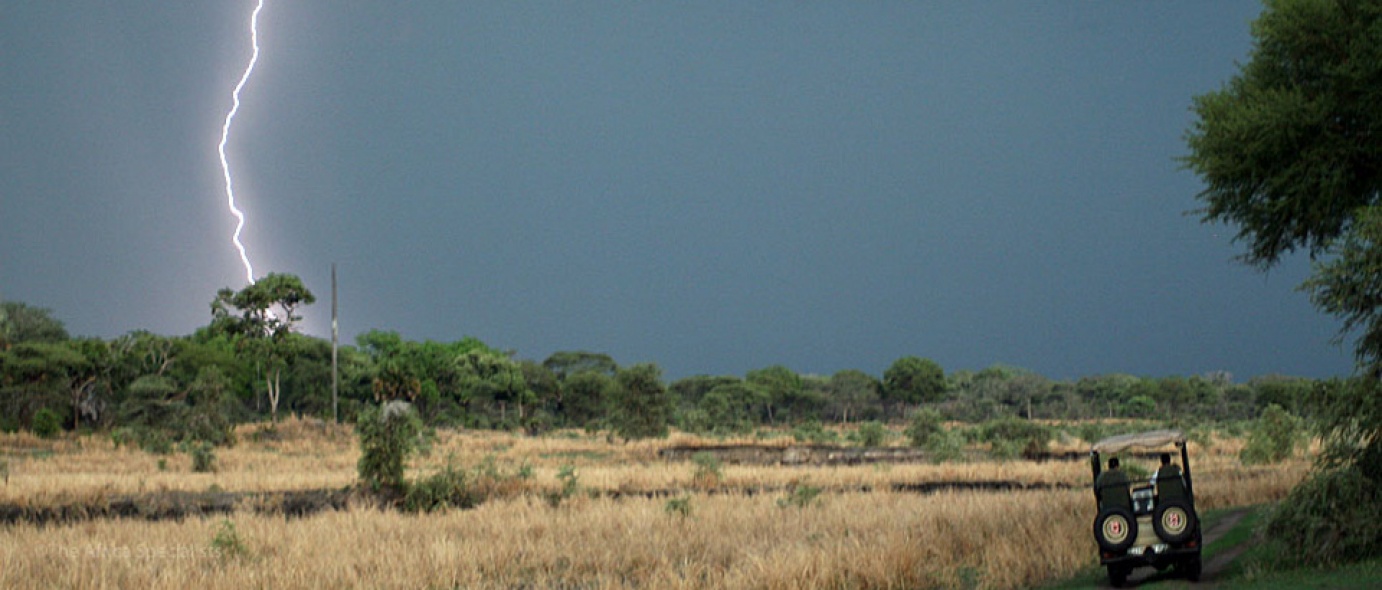
Katavi National Park is defined by its dramatic and seasonal landscapes. The park features wide floodplains, seasonal rivers, and dense miombo woodlands. During the rainy season, the plains are transformed into lush wetlands, while in the dry season, they shrink into isolated water sources.
The Katuma River and its associated floodplains are the lifeline of the park. As water becomes scarce during the dry season, animals gather around remaining pools, creating incredible wildlife viewing opportunities.
This seasonal transformation makes Katavi one of the most dynamic ecosystems in Tanzania, offering different experiences depending on the time of year.
Wildlife and Game Viewing
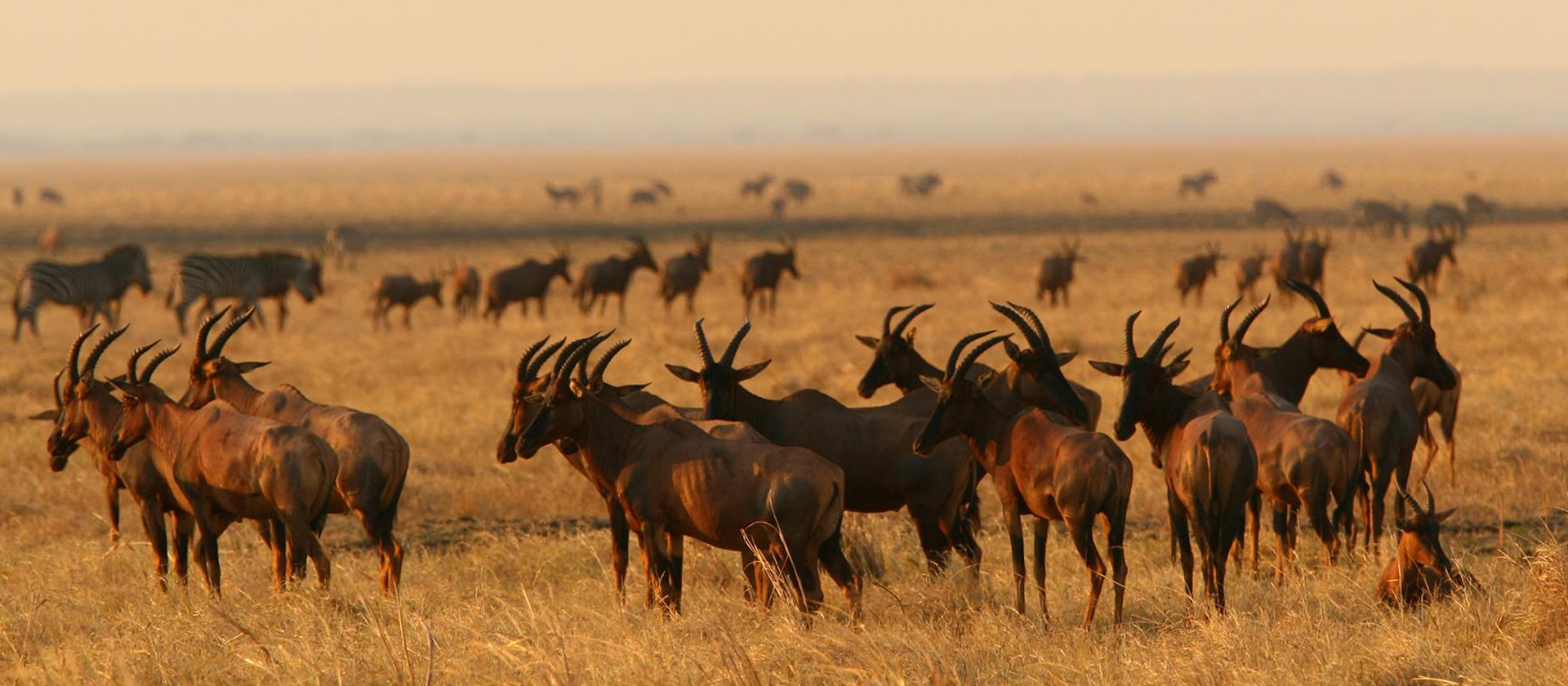
Katavi is famous for its high density of wildlife, especially during the dry season. The park is home to large herds of buffalo, elephants, zebras, and antelopes.
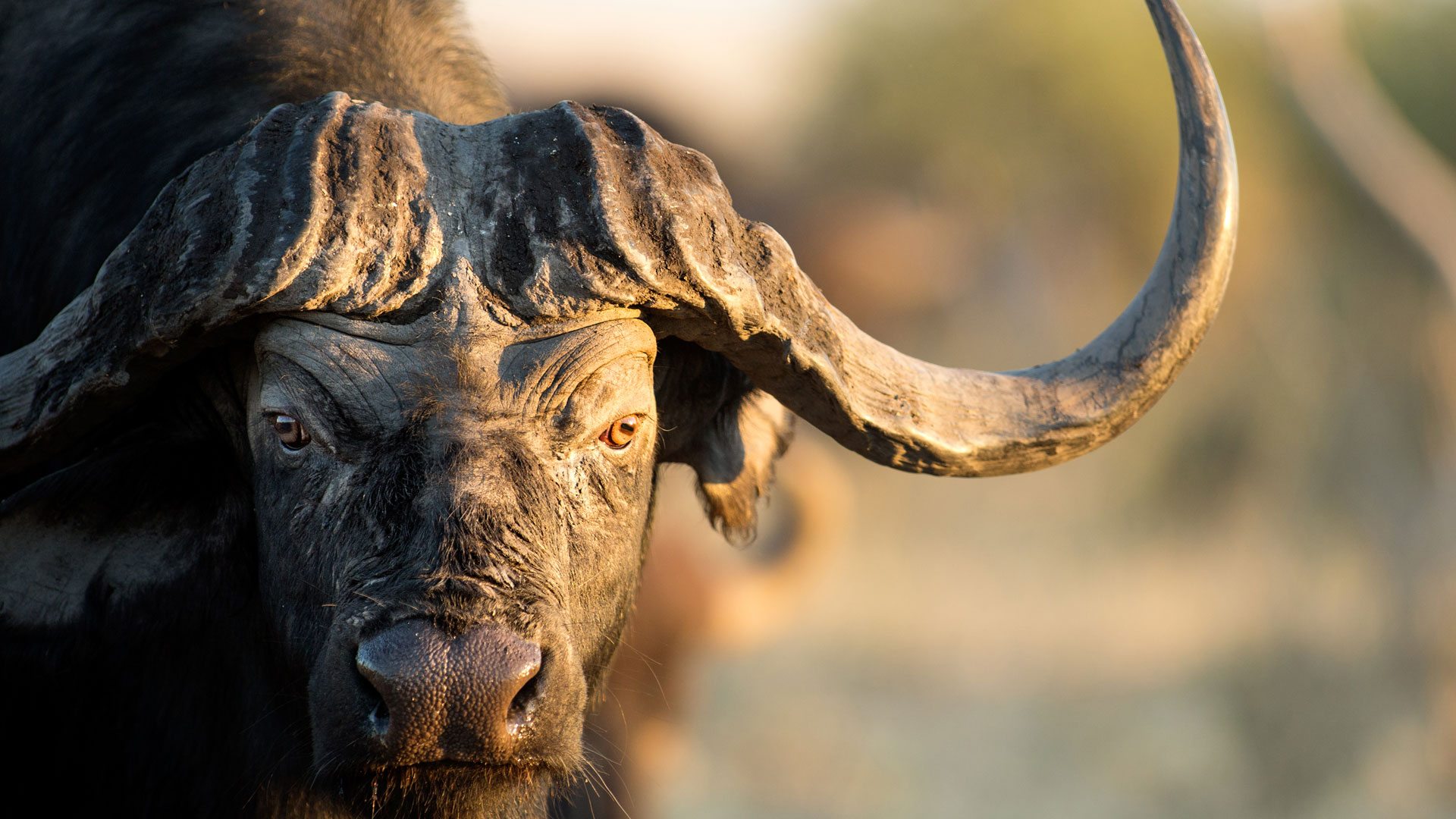
One of the most remarkable features of Katavi is its massive buffalo herds, which can number in the thousands. These herds attract predators such as lions, leading to dramatic and often intense wildlife encounters.
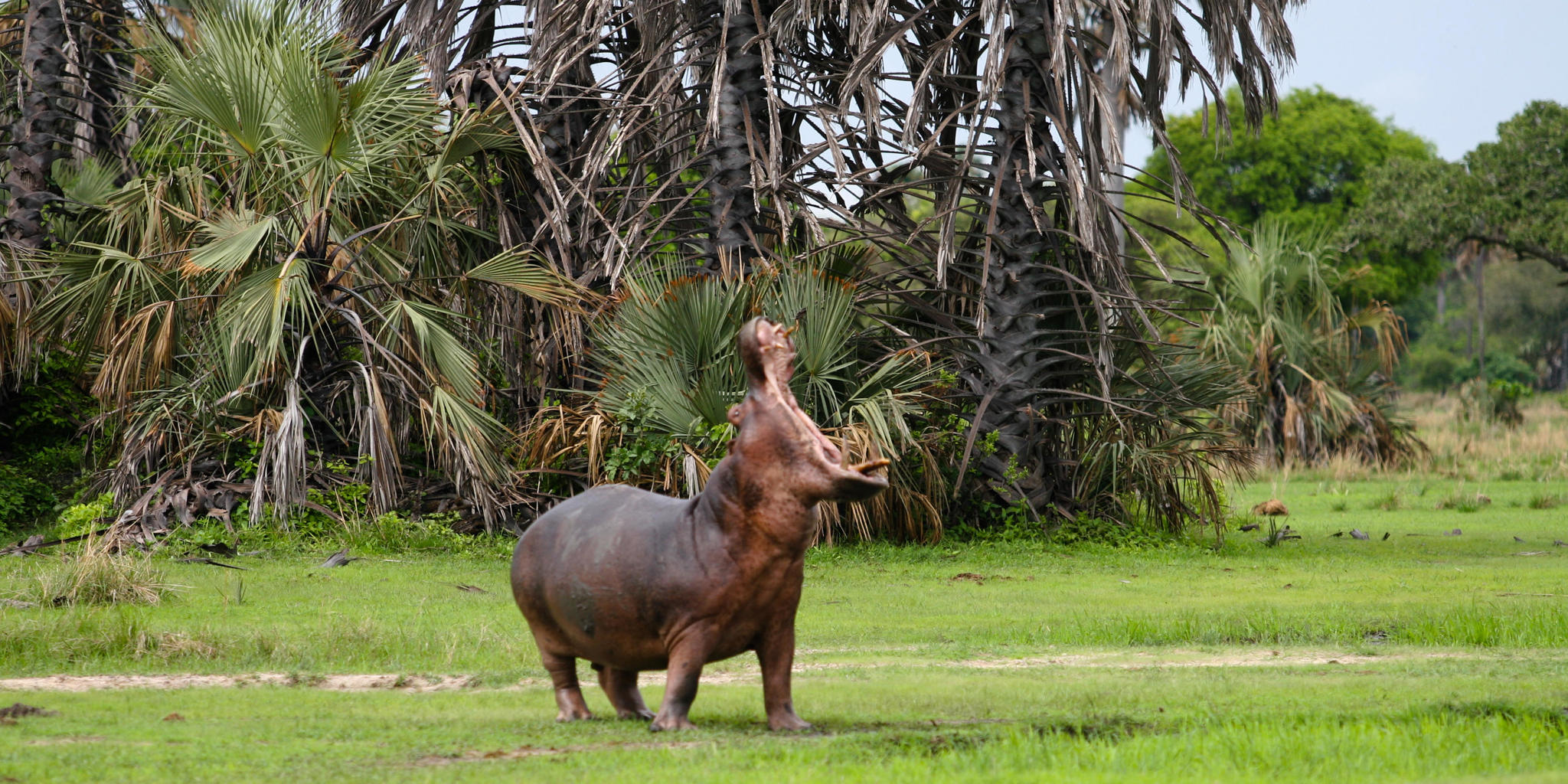
The park is also known for its large populations of hippos and crocodiles. During the dry season, hundreds of hippos can be seen crowded together in shrinking water pools, creating a unique and fascinating spectacle.
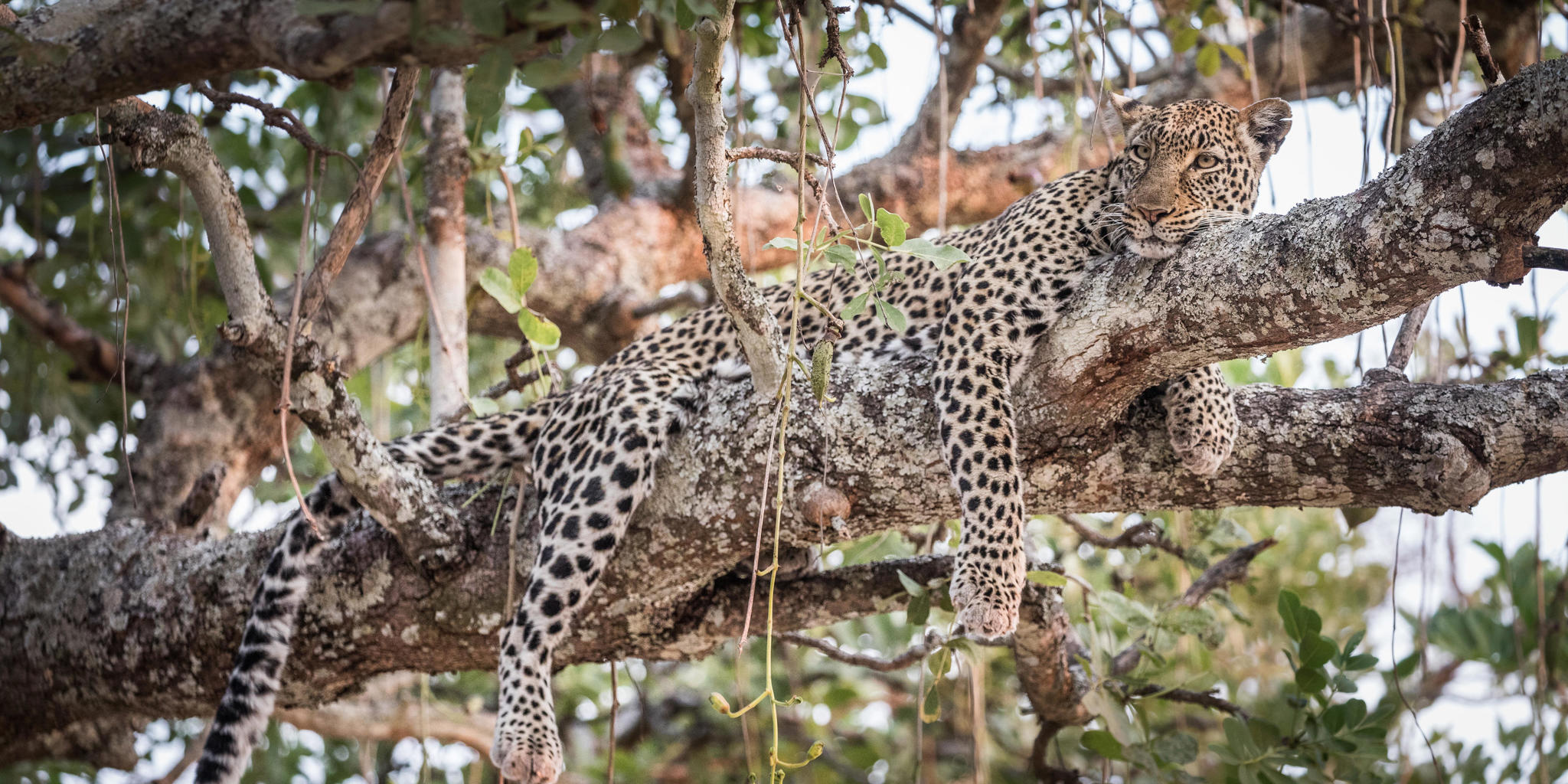
Other predators found in Katavi include leopards and hyenas, while the park’s remote nature allows animals to behave naturally without the pressure of heavy tourism.
A True Wilderness Experience
What sets Katavi National Park apart from other safari destinations is its sense of isolation and wilderness. Unlike more popular parks such as Serengeti National Park or Ngorongoro Conservation Area, Katavi receives only a small number of visitors each year.
This means that game drives are often completely private, with no other vehicles in sight. Visitors can explore the park in peace, enjoying uninterrupted views of wildlife and nature.
The lack of crowds also enhances the feeling of adventure, making a safari in Katavi feel more like a true expedition into the wild.
Activities and Safari Experience
Game drives are the primary activity in Katavi National Park, allowing visitors to explore the diverse landscapes and observe wildlife up close. The open terrain makes it easier to spot animals, especially during the dry season when they gather around water sources.
Walking safaris are also available in certain areas, offering a more immersive experience. Accompanied by experienced guides, visitors can explore the park on foot and learn about tracks, plants, and smaller wildlife.
Birdwatching is another highlight, with over 400 bird species recorded in the park. The wetlands and woodlands provide excellent habitats for a wide variety of birds.
Accessibility and Accommodation
Due to its remote location, reaching Katavi National Park requires more effort compared to other parks. The most common way to get there is by scheduled or charter flights from Arusha or Dar es Salaam.
Accommodation in Katavi is limited but offers a high level of comfort and exclusivity. Options range from luxury tented camps to small lodges, all designed to blend with the natural environment.
The limited number of camps ensures a low-impact tourism model that helps preserve the park’s pristine condition.
Best Time to Visit
The best time to visit Katavi National Park is during the dry season, from June to October. During this period, wildlife gathers around the remaining water sources, making it easier to observe large concentrations of animals.
The wet season, from November to May, offers lush scenery and excellent birdwatching opportunities, but access to some areas may be more challenging.
Why Visit Katavi National Park
Katavi National Park is a hidden gem that offers one of the most authentic safari experiences in Africa. Its remote location, abundant wildlife, and untouched landscapes make it a paradise for adventurous travelers and nature enthusiasts.
For those looking to escape the crowds and experience the wild side of Tanzania, Katavi provides a rare opportunity to explore nature in its purest form. From massive buffalo herds to dramatic predator encounters, every moment in Katavi feels raw, real, and unforgettable.