
Kitulo National Park
Kitulo National Park is one of Tanzania’s most unique and visually stunning protected areas, often referred to as the “Garden of God” or the “Serengeti of Flowers.” Located in the southern highlands of Tanzania, between the regions of Mbeya and Njombe, the park is famous for its vast montane grasslands and spectacular seasonal wildflower displays.
Unlike the classic safari parks known for large mammals, Kitulo offers a completely different experience focused on botanical richness, scenic landscapes, and peaceful nature exploration. It lies at an altitude of around 2,600 meters and is part of the southern extension of the Livingstone Mountains, overlooking Lake Nyasa.
Landscape and Natural Beauty
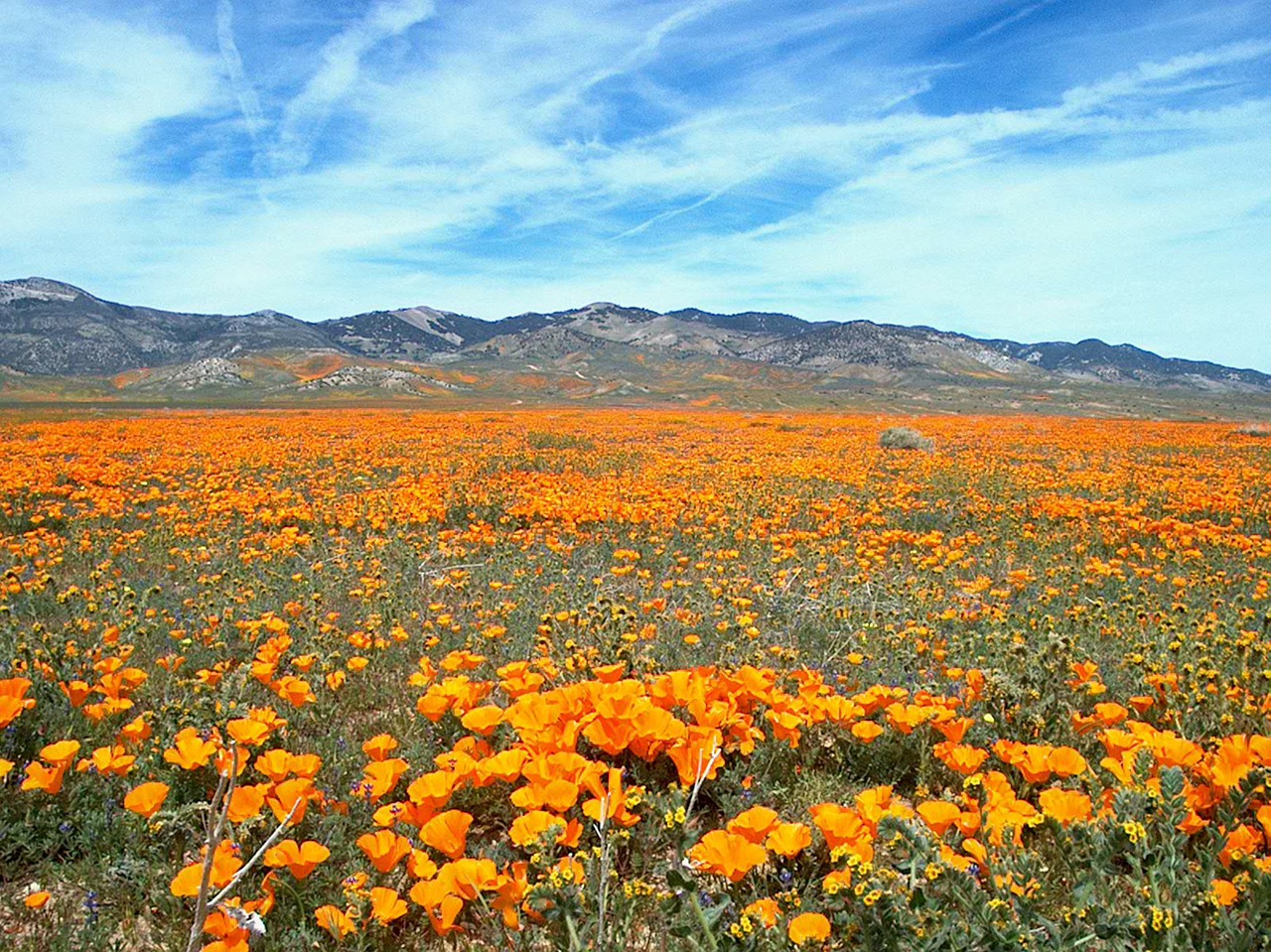
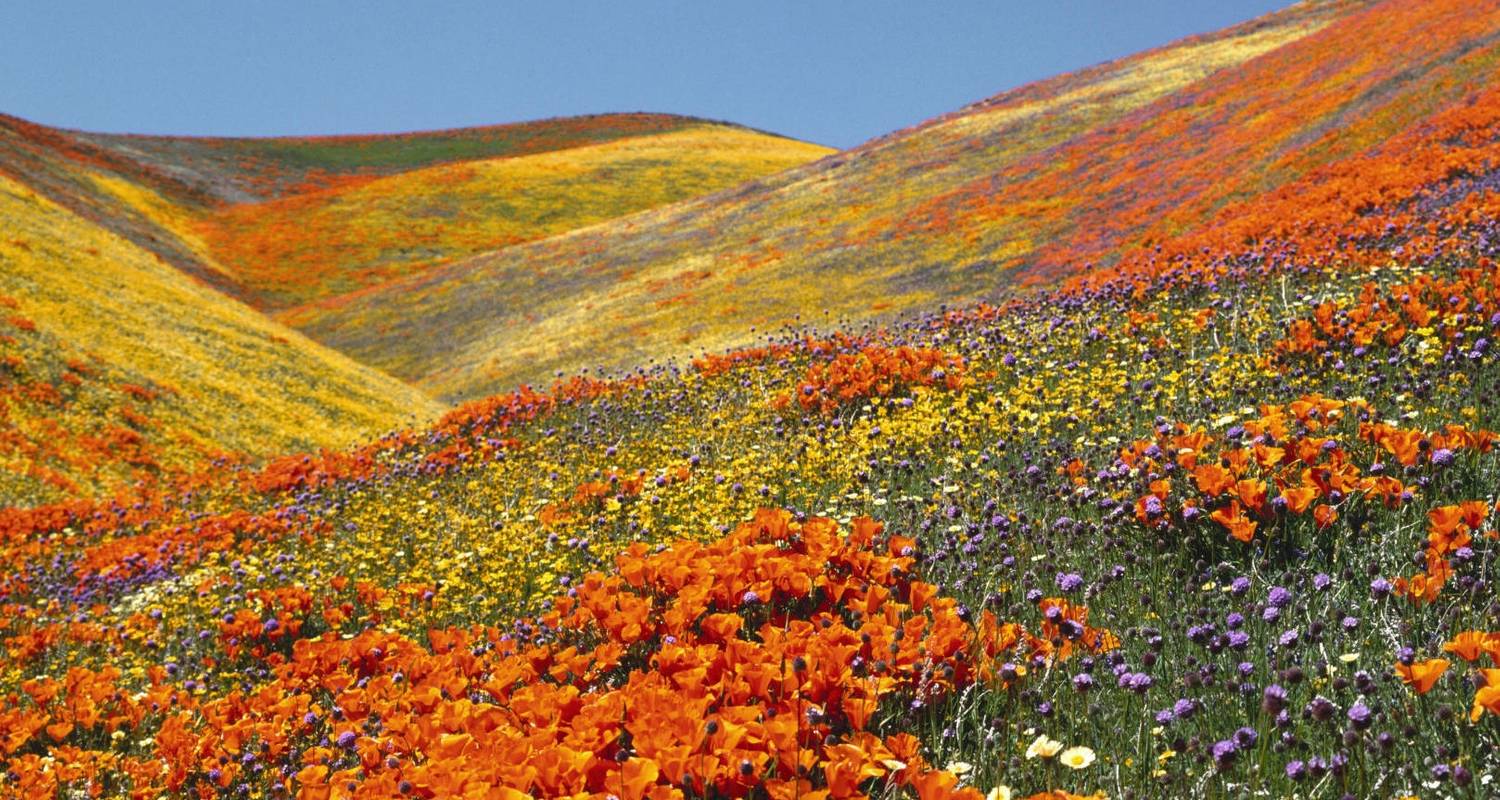
Kitulo National Park is characterized by rolling grasslands, open plateaus, and gentle hills that stretch as far as the eye can see. During the rainy season, the landscape transforms into a vibrant carpet of wildflowers, creating one of the most colorful natural displays in Africa.
The park is home to over 350 species of vascular plants, including a wide variety of orchids, lilies, aloes, and daisies. Many of these species are endemic to the region, making Kitulo a botanical treasure of global importance.
The wide open scenery, combined with the cool highland climate, provides a refreshing contrast to Tanzania’s more typical savannah landscapes.
Flora and Wildflower Season
The highlight of Kitulo National Park is undoubtedly its extraordinary plant life. The park is best known for its seasonal wildflower blooms, which occur mainly from November to April during the rainy season.
During this time, the grasslands are covered with colorful flowers, including orchids, red hot pokers, and giant lobelias. The diversity and density of plant life are so impressive that Kitulo has been compared to some of the world’s most famous botanical regions.
This floral spectacle attracts botanists, nature lovers, and photographers from around the world, making it a unique destination for eco-tourism.
Wildlife and Birdlife
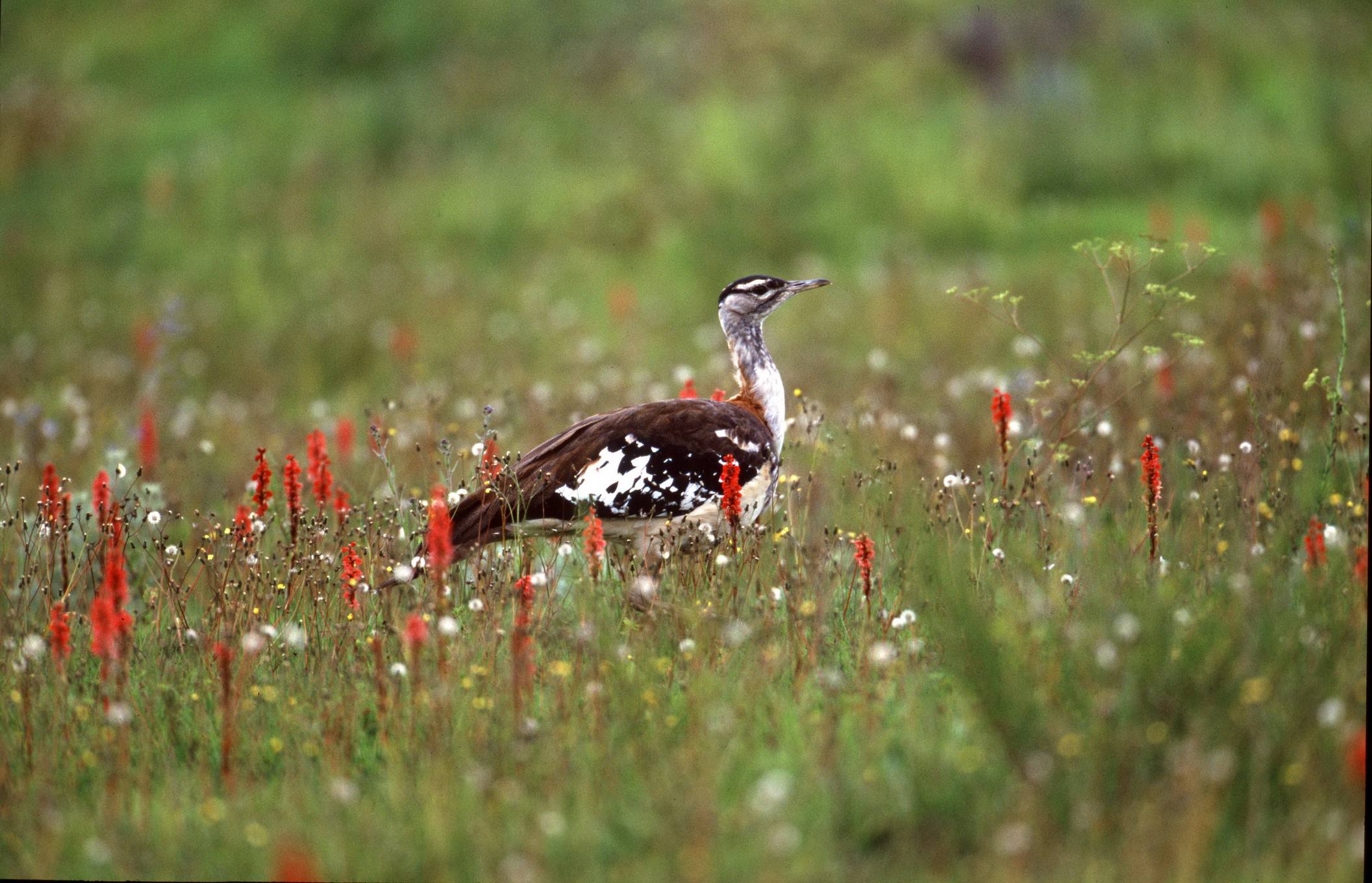
Although Kitulo is primarily known for its plant diversity, it also supports a range of wildlife. The park is home to animals such as eland, reedbuck, and mountain reedbuck. Smaller mammals and reptiles can also be found in the grasslands.
Birdwatching is particularly rewarding in Kitulo, with numerous species inhabiting the area. The park is an important habitat for several rare and endemic bird species, making it a great destination for bird enthusiasts.
The combination of open landscapes and diverse habitats provides excellent opportunities to observe wildlife in a शांत and uncrowded environment.
Activities and Visitor Experience
Kitulo National Park offers a different kind of safari experience focused on walking and exploration rather than traditional game drives. Visitors can enjoy guided walking safaris across the open grasslands, allowing for close interaction with the environment.
Hiking is one of the main activities, with trails leading through flower-filled meadows and scenic viewpoints. The peaceful atmosphere makes it an ideal destination for those seeking relaxation and a connection with nature.
Photography is also a major highlight, especially during the wildflower season when the landscape is at its most colorful.
Accessibility and Accommodation
Reaching Kitulo National Park requires some planning due to its remote location. The nearest major town is Mbeya, from where visitors can travel by road to the park.
Accommodation options are limited and generally basic, including guesthouses and camping facilities. This adds to the park’s charm, offering a more authentic and low-impact travel experience.
Because it is less visited than other parks, Kitulo provides a sense of solitude and exclusivity that appeals to nature lovers.
Best Time to Visit
The best time to visit Kitulo National Park is during the rainy season, from November to April, when the wildflowers are in full bloom. This is when the park is at its most vibrant and visually stunning.
The dry season, from June to October, offers clearer skies and easier access, but the landscape is less colorful.
Why Visit Kitulo National Park
Kitulo National Park is a hidden gem that offers a unique perspective on Tanzania’s natural beauty. Its focus on flora rather than large wildlife sets it apart from traditional safari destinations.
For travelers interested in botany, hiking, photography, and peaceful landscapes, Kitulo provides an unforgettable experience. The sight of endless fields of blooming flowers, combined with the cool mountain air and open scenery, creates a sense of tranquility and wonder.
Visiting Kitulo is like stepping into a natural garden high above the plains—a place where nature’s beauty is expressed through color, diversity, and serenity.