
Mikumi National Park

Mikumi National Park

Mikumi National Park is one of the most accessible and rewarding safari destinations in Tanzania, located in the southern part of the country near the town of Morogoro. As part of the larger Selous Ecosystem, which includes Nyerere National Park, Mikumi offers a rich wildlife experience with fewer crowds compared to the famous northern parks.

Covering approximately 3,230 square kilometers, Mikumi is the fourth-largest national park in Tanzania. Its proximity to Dar es Salaam makes it an ideal destination for short safaris, weekend getaways, and travelers looking for a convenient yet authentic wildlife experience.

Landscape and Ecosystem

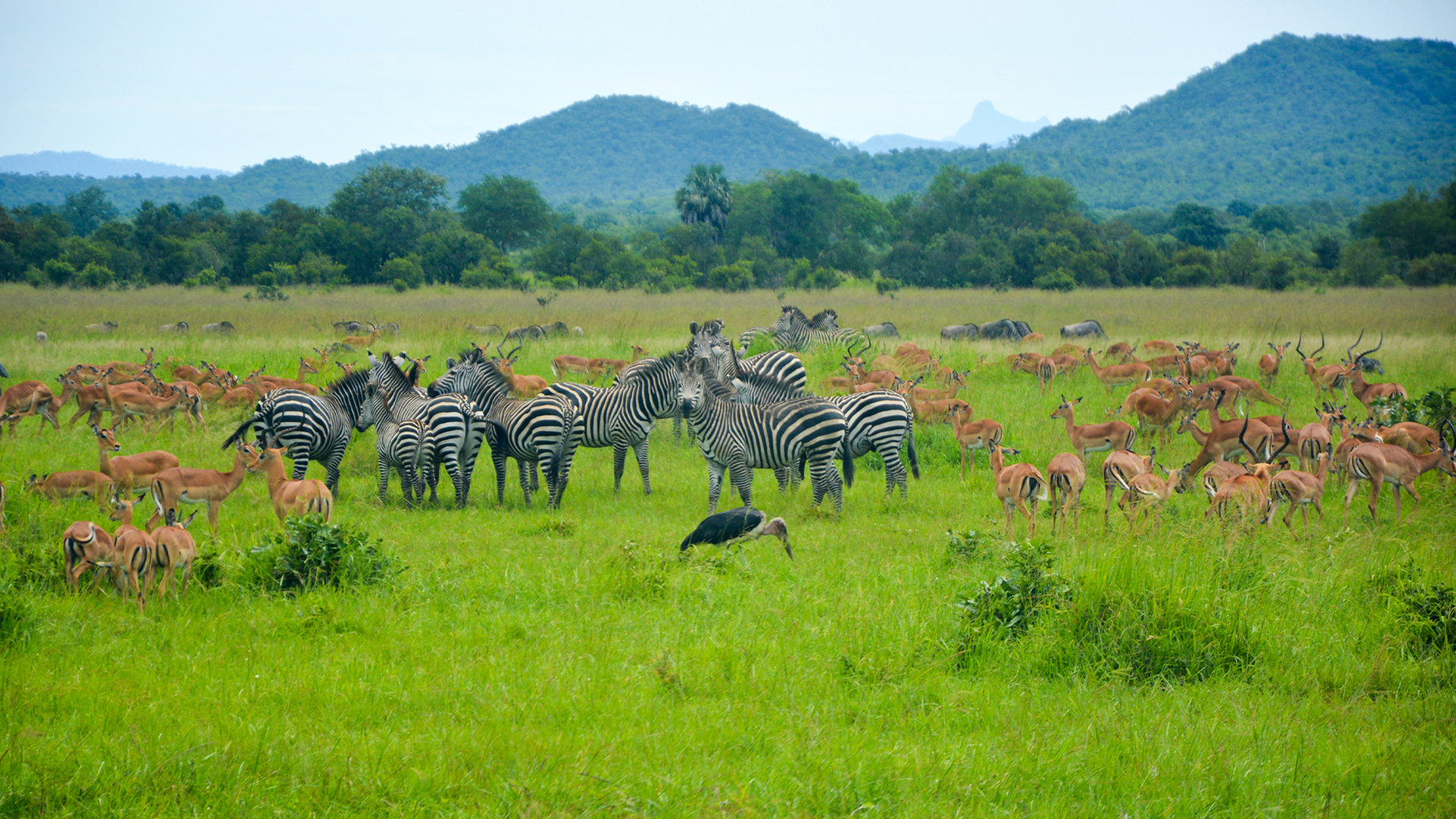
Mikumi National Park is often compared to the Serengeti due to its wide open plains and abundant wildlife. The park’s landscape is dominated by the Mkata Floodplain, a vast savannah that stretches between mountain ranges such as the Uluguru Mountains and the Lumango Hills.

This open terrain makes it easy to spot animals, as there are few obstructions to the view. In addition to grasslands, the park also features acacia woodlands, baobab trees, and seasonal waterholes that support a wide variety of wildlife.

The diverse habitats within Mikumi create a balanced ecosystem that supports both herbivores and predators throughout the year.

Wildlife and Game Viewing

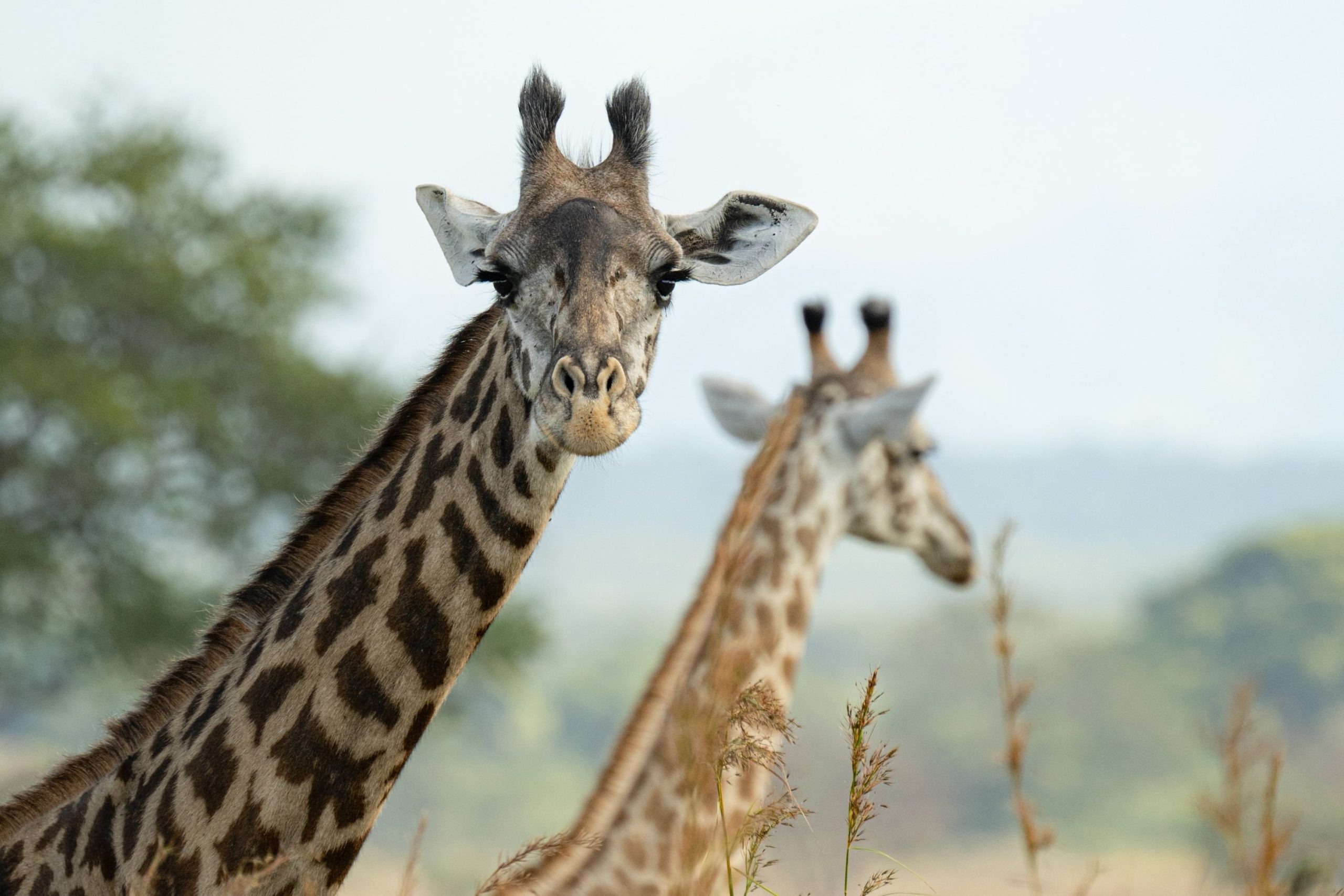
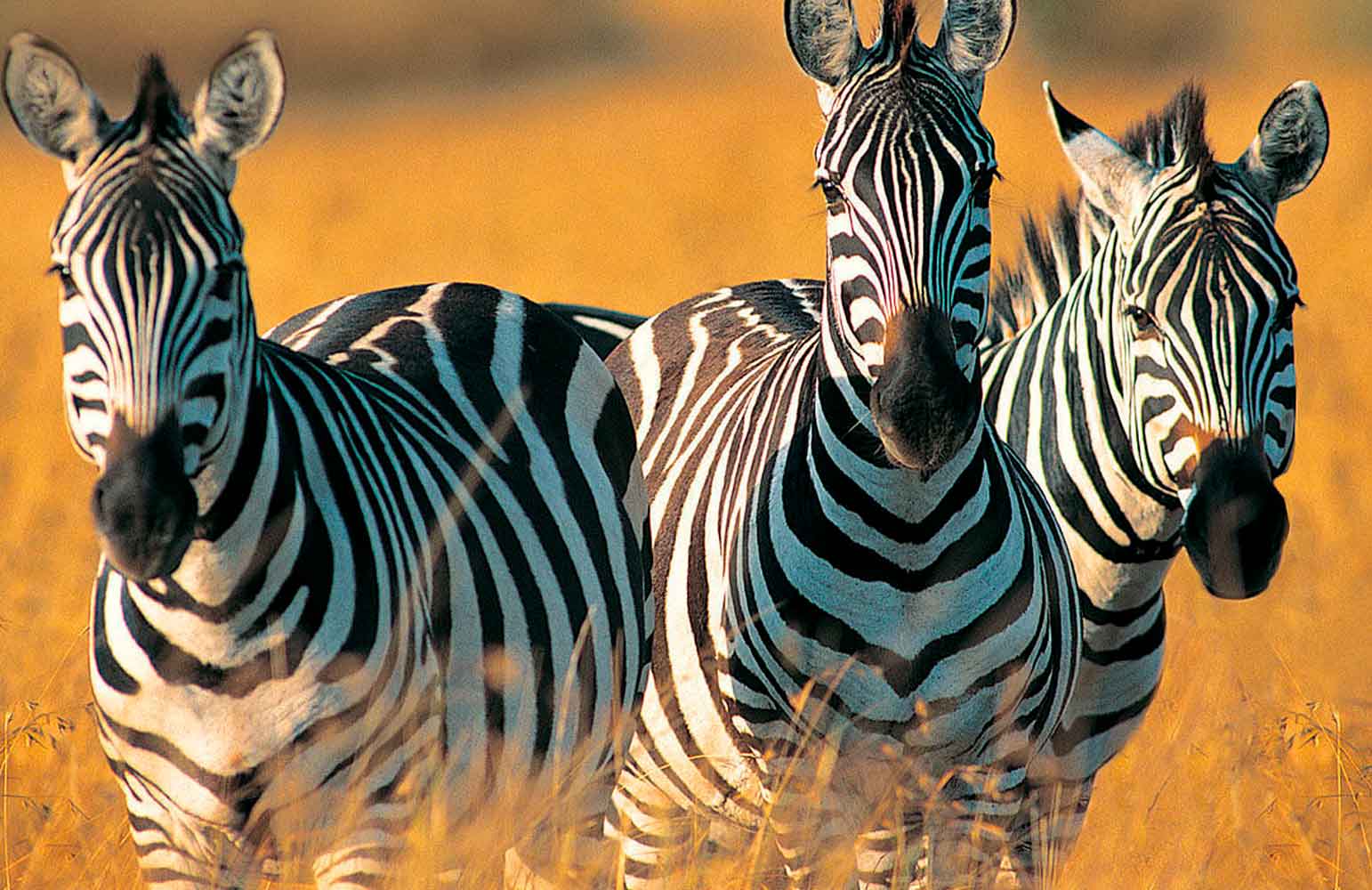
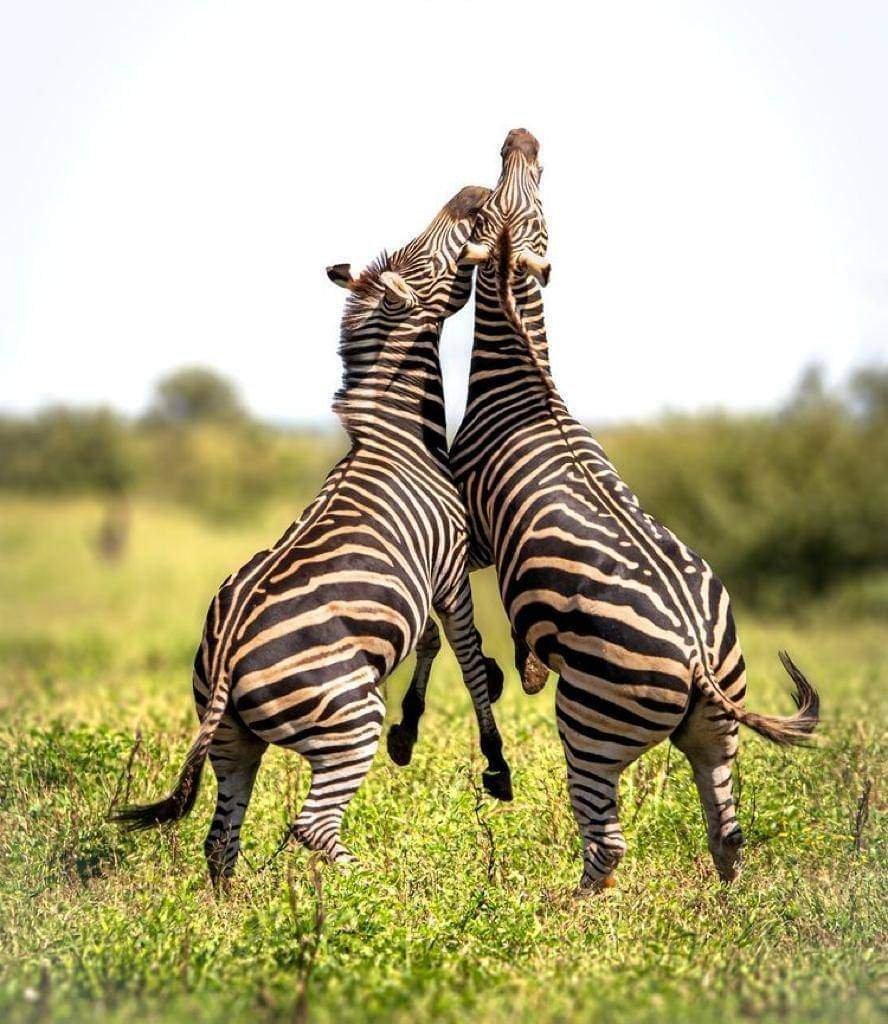
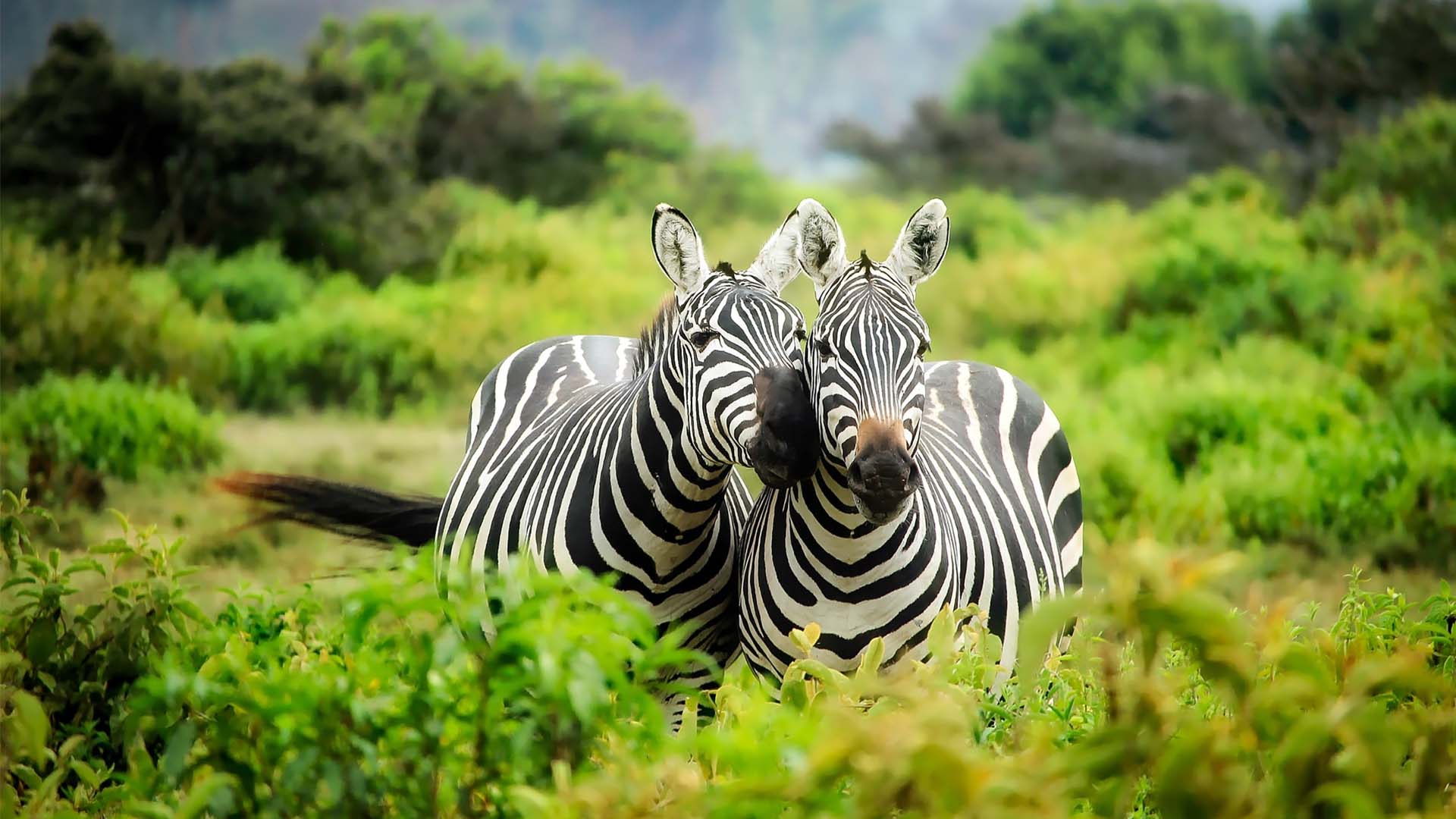
Mikumi National Park is home to a wide range of wildlife, making it an excellent destination for classic African safari experiences. Visitors can expect to see elephants, giraffes, zebras, wildebeest, buffaloes, and various antelope species.

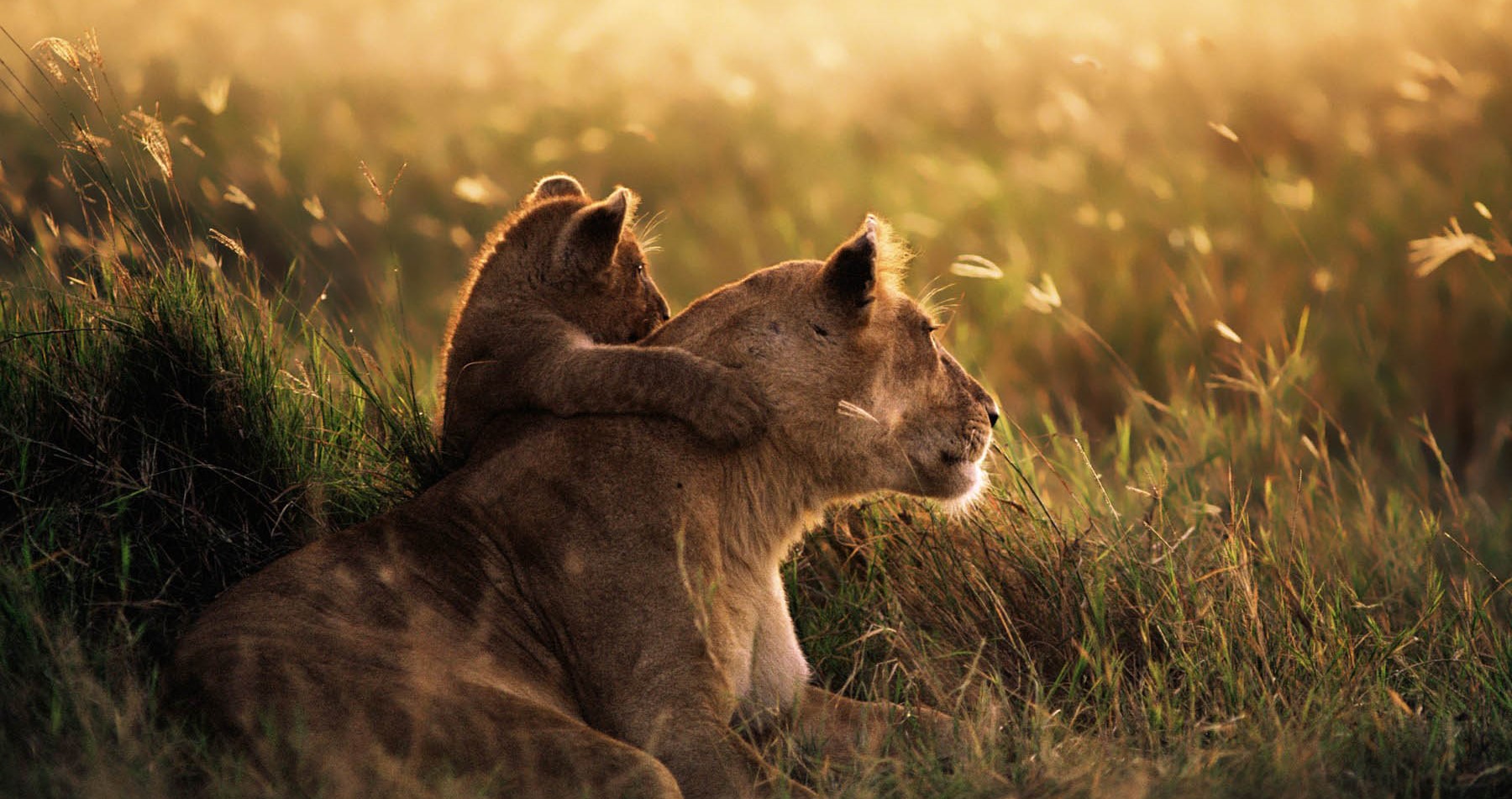
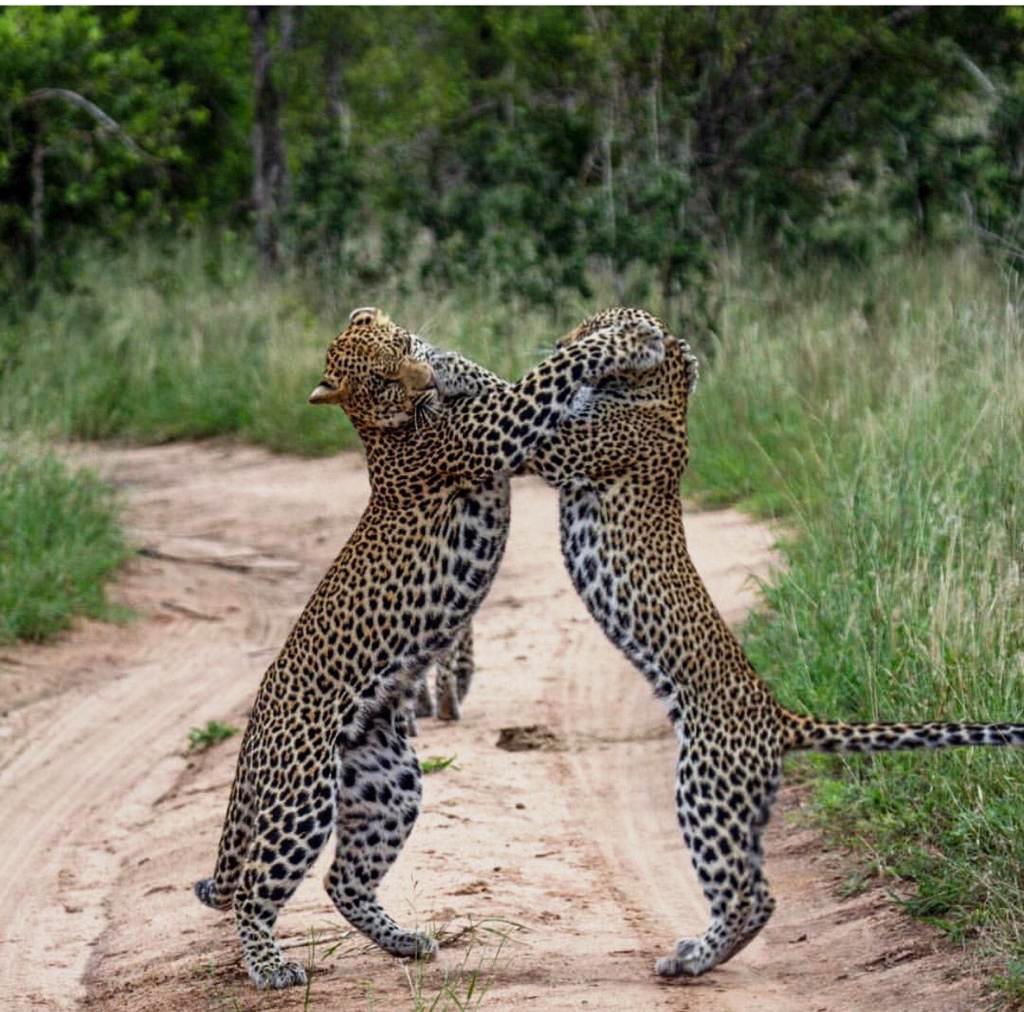
The park is also home to predators such as lions, hyenas, and occasionally leopards. The lions of Mikumi are particularly interesting, as they are known for climbing trees—a behavior that is relatively rare among lions.

Hippos are commonly seen in the park’s pools, especially near the main waterholes, where they gather in large numbers. These areas also attract many other animals, providing excellent opportunities for wildlife observation.

Birdlife in Mikumi is abundant, with over 400 species recorded. This makes it a great destination for birdwatchers as well as general safari enthusiasts.

Safari Experience

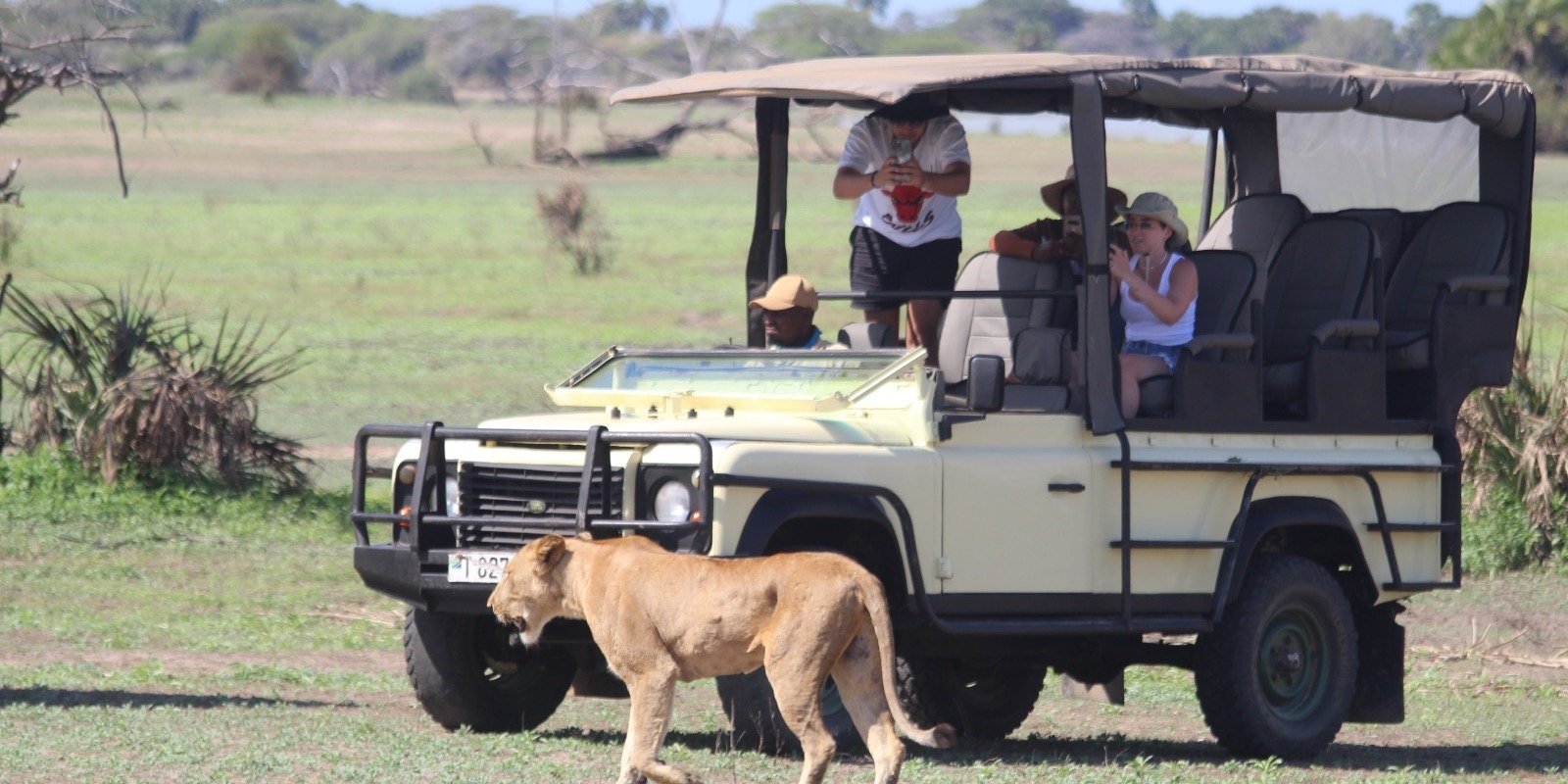
Mikumi offers a relaxed and enjoyable safari experience suitable for all types of travelers. Game drives are the main activity and are typically conducted in the early morning and late afternoon when animals are most active.

The park’s open landscape allows for excellent visibility, making it easier to spot wildlife even for first-time safari visitors. Because Mikumi is less crowded than parks like Serengeti National Park, visitors can enjoy a more peaceful and intimate experience.

Its accessibility also makes it a popular choice for both short trips and longer southern circuit safaris.

Accessibility and Accommodation

One of Mikumi’s biggest advantages is its easy accessibility. The park can be reached by road from Dar es Salaam in about 4 to 5 hours, making it one of the most convenient safari destinations in Tanzania.

For those who prefer to travel by air, there are also domestic flights available to nearby airstrips.

Accommodation options in Mikumi range from budget lodges and campsites to mid-range and luxury lodges. Many of these are located inside or near the park, offering easy access to game viewing areas.

Best Time to Visit

Mikumi National Park can be visited throughout the year, but the best time for wildlife viewing is during the dry season, from June to October. During this period, animals gather around water sources, making them easier to spot.

The wet season, from November to May, offers lush green landscapes and excellent birdwatching opportunities, although wildlife may be more dispersed.

Why Visit Mikumi National Park

Mikumi National Park is an ideal destination for travelers seeking a convenient and rewarding safari experience. Its combination of diverse wildlife, open landscapes, and accessibility makes it one of the best parks in Tanzania for both beginners and experienced safari-goers.

Whether you are looking for a short escape from Dar es Salaam or planning a longer journey through southern Tanzania, Mikumi offers a perfect balance of adventure and comfort.

With its rich wildlife, scenic beauty, and relaxed atmosphere, Mikumi National Park provides a memorable and authentic introduction to the wonders of Tanzania’s natural heritage.
Why Visit Mikumi National Park?

Mikumi is ideal for:

  • Classic game drives with excellent chances to spot the Big Five

  • Easy access from Dar es Salaam and Morogoro (about 4–5 hours’ drive)

  • Beautiful sunsets over vast open plains and kopjes

  • Diverse birdlife for birdwatchers

  • Hippo and crocodile sightings in the Mkata floodplain and rivers

Perfect for families, photographers, and travelers wanting a quick yet fulfilling safari.

The Mkata Floodplain and Landscape

The heart of Mikumi National Park is the Mkata floodplain, a vast grassy wetland that attracts wildlife during the dry season. Surrounding the floodplain are rolling savannahs, acacia woodlands, and rocky kopjes — a classic Tanzanian safari setting.

This diversity of habitats supports a wide range of animals and offers stunning panoramic views that are perfect for memorable safari photos.

Best Time to Visit Mikumi National Park

  • Dry Season (June to October) – Best time for wildlife viewing as animals gather near water sources and the weather is sunny.

  • Wet Season (November to May) – Landscapes turn lush and green, birdwatching peaks, but some roads may be challenging.

How to Get to Mikumi National Park

By Road:

  • From Dar es Salaam: Approximately 4 to 5 hours’ drive via the A7 road.

  • From Morogoro: Around 2 to 3 hours’ drive.

By Air:

  • No direct flights; nearest airports are in Dar es Salaam or Morogoro, followed by a road transfer.

Where to Stay in Mikumi National Park

Mikumi offers a variety of accommodations from budget campsites to comfortable lodges and tented camps.

Recommended Lodges:

  • Mikumi Wildlife Camp – Classic tented camp with beautiful views of the floodplain.

  • Udzungwa Forest Tented Camp – Great for combining Mikumi safari with nearby Udzungwa Mountains hikes.

  • Sauti za Mikumi Lodge – Affordable and comfortable with excellent access to the park.

  • Mkata Camp – Ideal for a rustic, nature-immersed experience.

Unique Activities in Mikumi National Park

  • Morning and afternoon game drives — the best way to spot wildlife
  • Birdwatching — over 400 species including migrants and endemics
  • Guided walking safaris — for a closer look at flora, fauna, and tracks
  • Cultural visits to nearby villages — experience local Tanzanian life
  • Night game drives (available in some areas) — glimpse nocturnal wildlife

Suggested Safari Duration

2 to 3 days are perfect for a Mikumi safari, especially if combined with nearby Udzungwa Mountains National Park or Saadani National Park.

Why Include Mikumi National Park in Your Tanzania Safari?

If you want a wildlife-rich safari close to the coast with fewer tourists than the Serengeti or Ngorongoro, Mikumi is an excellent choice.

Combine it with:

  •  Beach relaxation in Zanzibar or Pangani

  •  Trekking in Udzungwa Mountains National Park

  • Safari at Ruaha or Selous Game Reserve for extended adventures

Ready to Discover Mikumi National Park?

Let’s plan your Mikumi safari adventure—whether it’s a quick wildlife getaway or part of your grand Tanzanian journey.

📩 Contact us now for personalized itineraries, pricing, and expert advice.

Most common animals

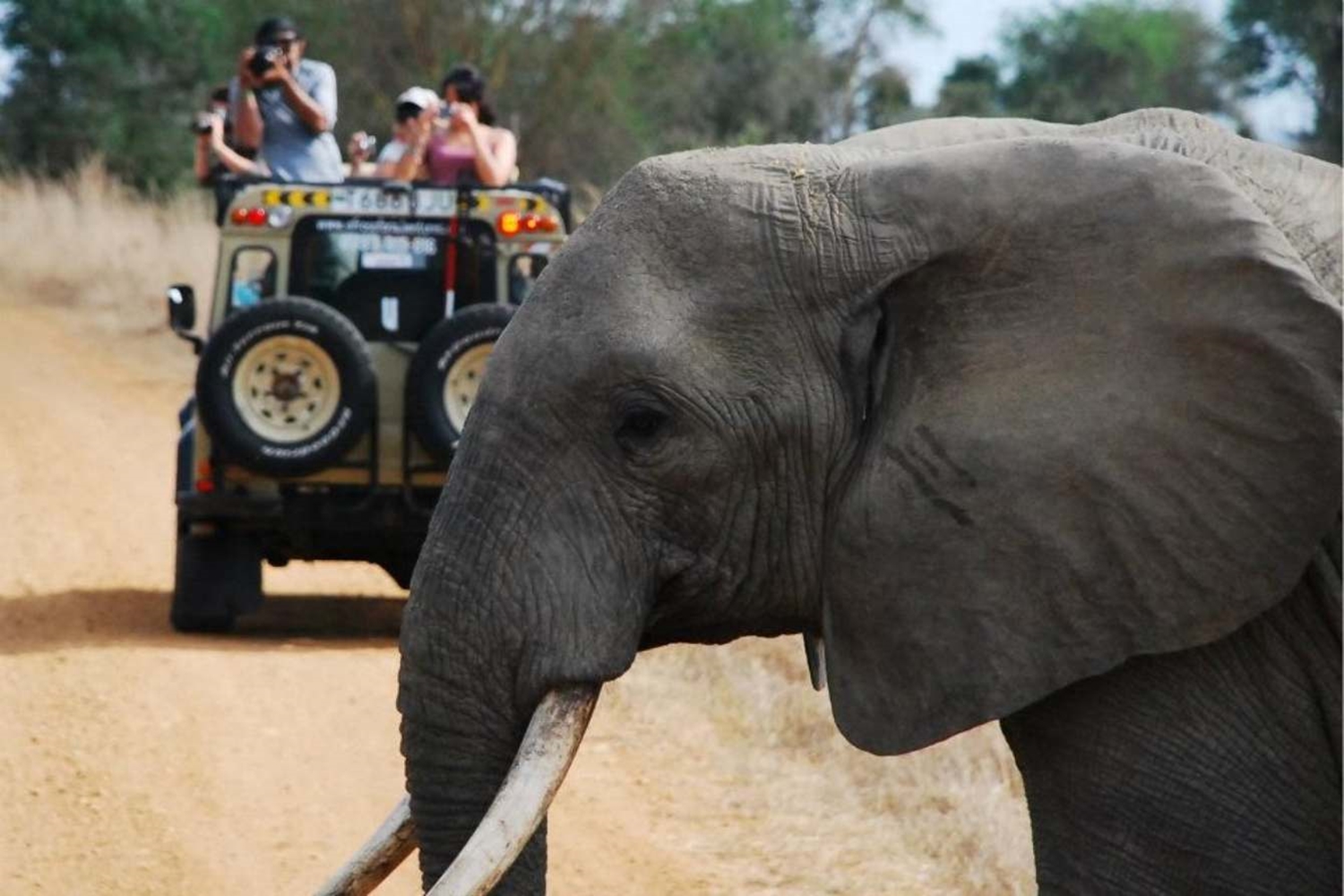
  • Elephants – Large herds roam the plains and woodlands

  • Lions – Especially around the Mkumi River and hippo pools

  • Black and White Rhinos – Though sightings are rare, they are part of the park’s conservation efforts

  • Buffaloes – Often seen grazing in groups

  • Leopards and Cheetahs – Elusive but present, especially in the wooded areas

  • Giraffes and Zebras – Abundant across the open plains

  • Hippos and Crocodiles – In the park’s rivers and floodplains

  • Wildebeest, Impalas, and Waterbucks – Common herbivores providing prey for predators

  • Birdlife – Over 400 species, including eagles, hornbills, and bee-eaters

Facts about Mikumi National Park

  • Mikumi is often called the “little Serengeti” because of its similar landscapes and wildlife diversity.

  • The park’s Mkata floodplain is a vital dry season refuge for animals escaping from the harsher surrounding areas.

  • Conservation efforts here are helping protect endangered black and white rhinos.

  • Mikumi’s accessibility makes it popular for day trips and weekend getaways from Dar es Salaam.

  • Elephants in Mikumi are known to be quite relaxed around vehicles, giving photographers great close-up opportunities.