
Mount Kilimanjaro

Mount Kilimanjaro

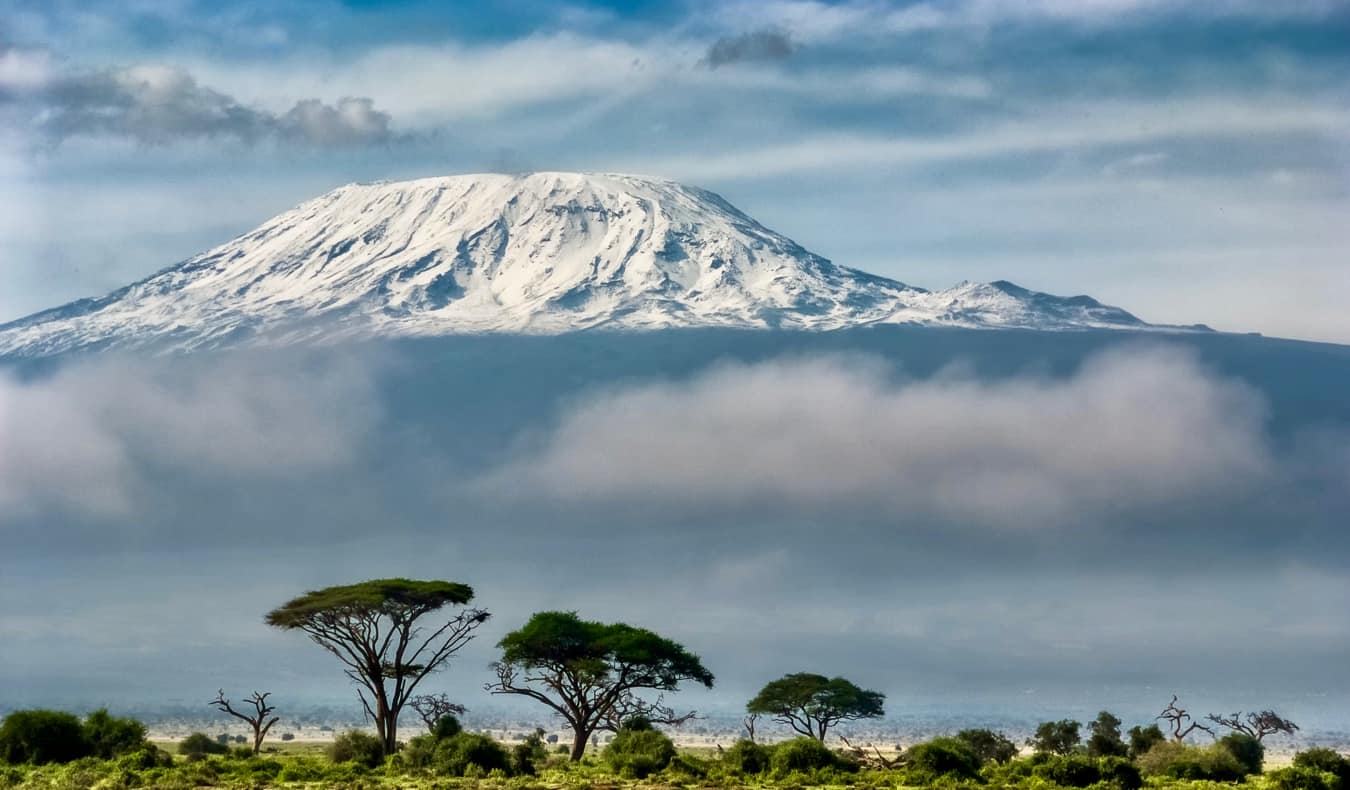
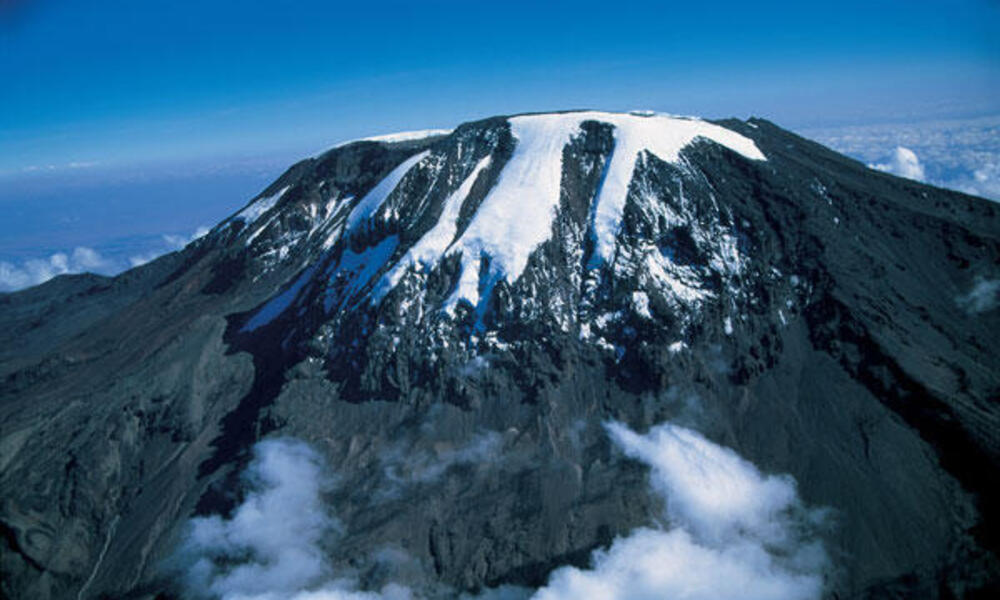
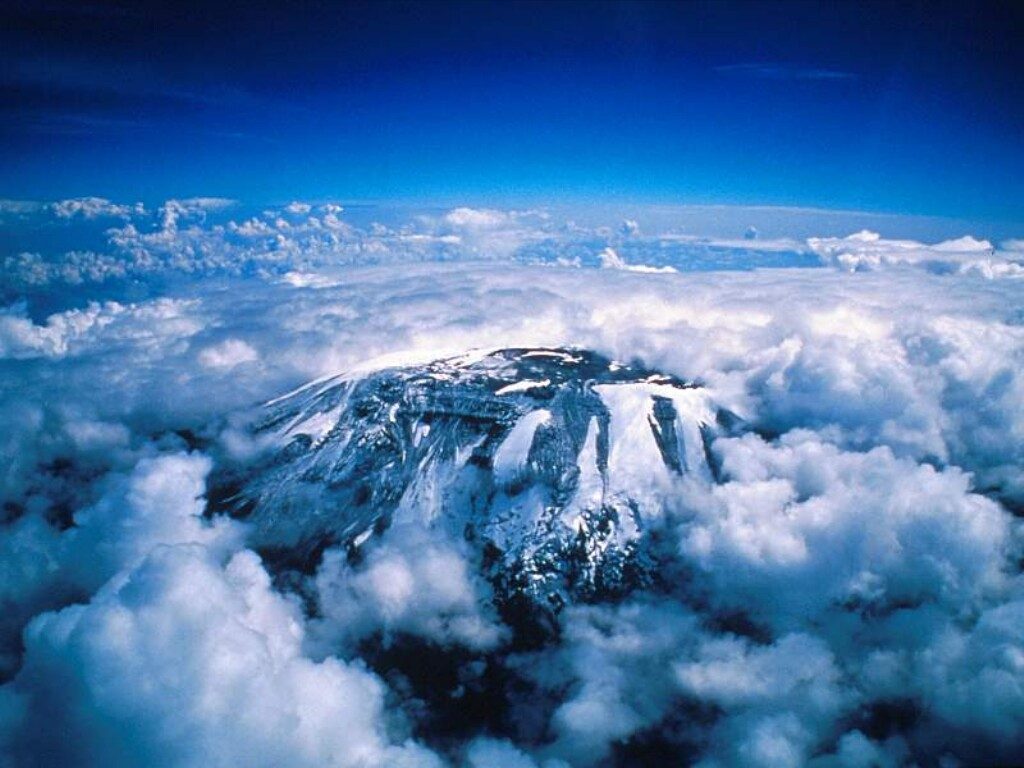
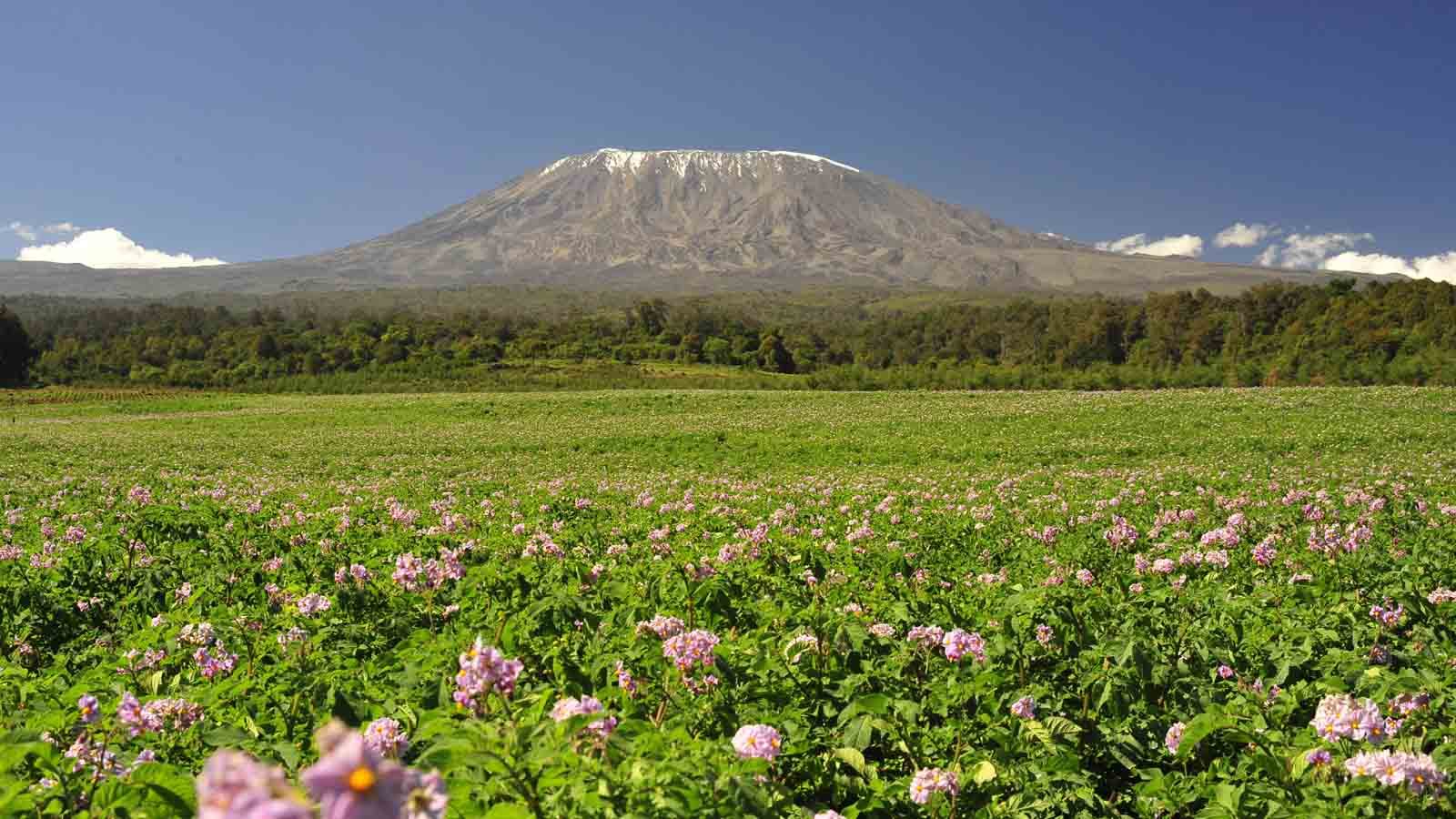
Mount Kilimanjaro is the highest mountain in Africa and one of the most iconic natural landmarks in the world. Rising to 5,895 meters above sea level, it stands proudly in northern Tanzania near the border with Kenya, close to the town of Moshi.

Unlike many of the world’s highest peaks, Kilimanjaro is a free-standing mountain, not part of a mountain range. It is also one of the few high summits that can be climbed without technical mountaineering skills, making it a popular destination for trekkers from around the globe.

Geography and Structure

Mount Kilimanjaro is a dormant volcanic mountain composed of three volcanic cones: Kibo, Mawenzi, and Shira.

  • Kibo is the highest and central cone, where the summit, Uhuru Peak, is located.
  • Mawenzi is rugged and jagged, rarely climbed due to its technical difficulty.
  • Shira is the oldest and has largely eroded into a plateau.

The mountain’s unique structure allows climbers to experience multiple climate zones in just a few days.

Climate Zones

One of the most fascinating aspects of Kilimanjaro is its diverse ecological zones:

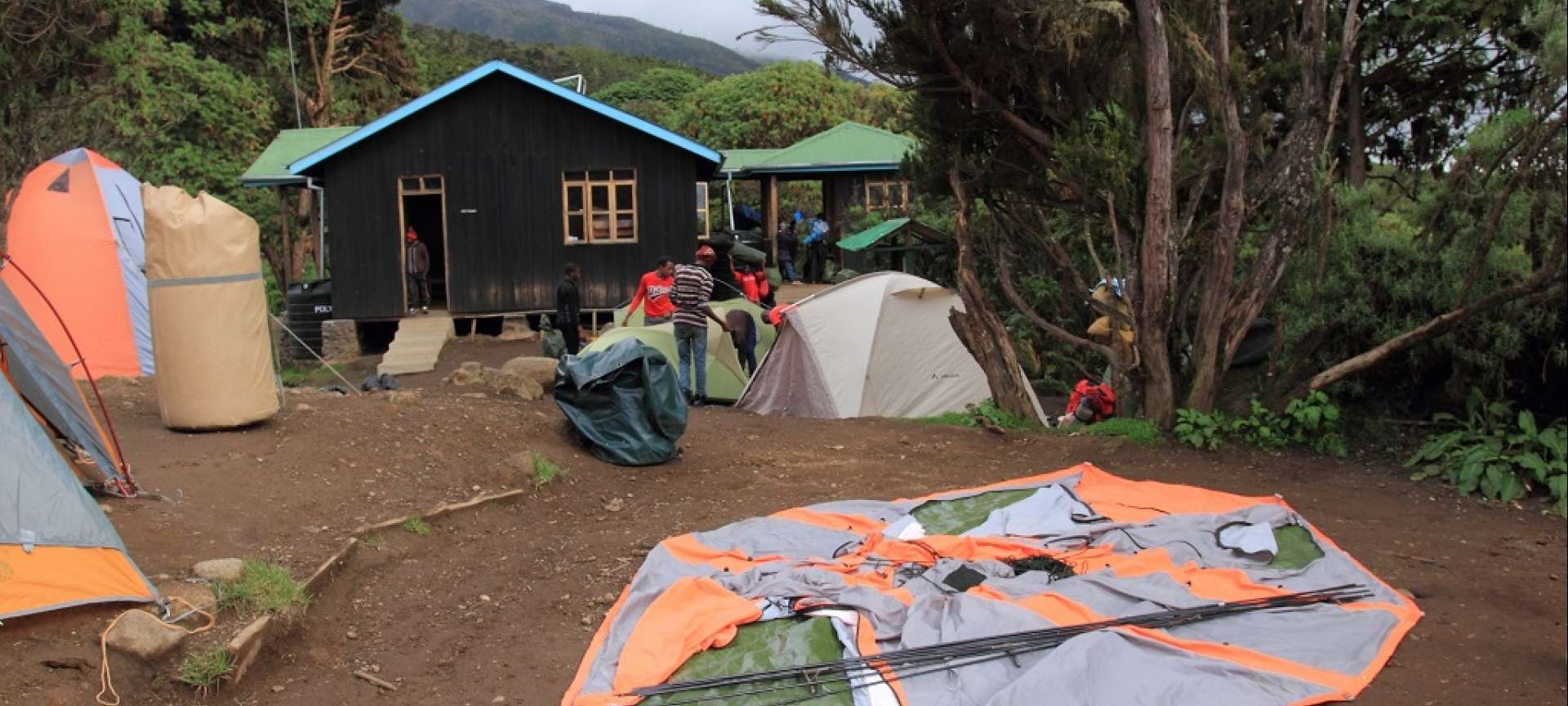
  1. Rainforest Zone (1,800m – 2,800m)
    Lush, green forest filled with birds, monkeys, and dense vegetation.
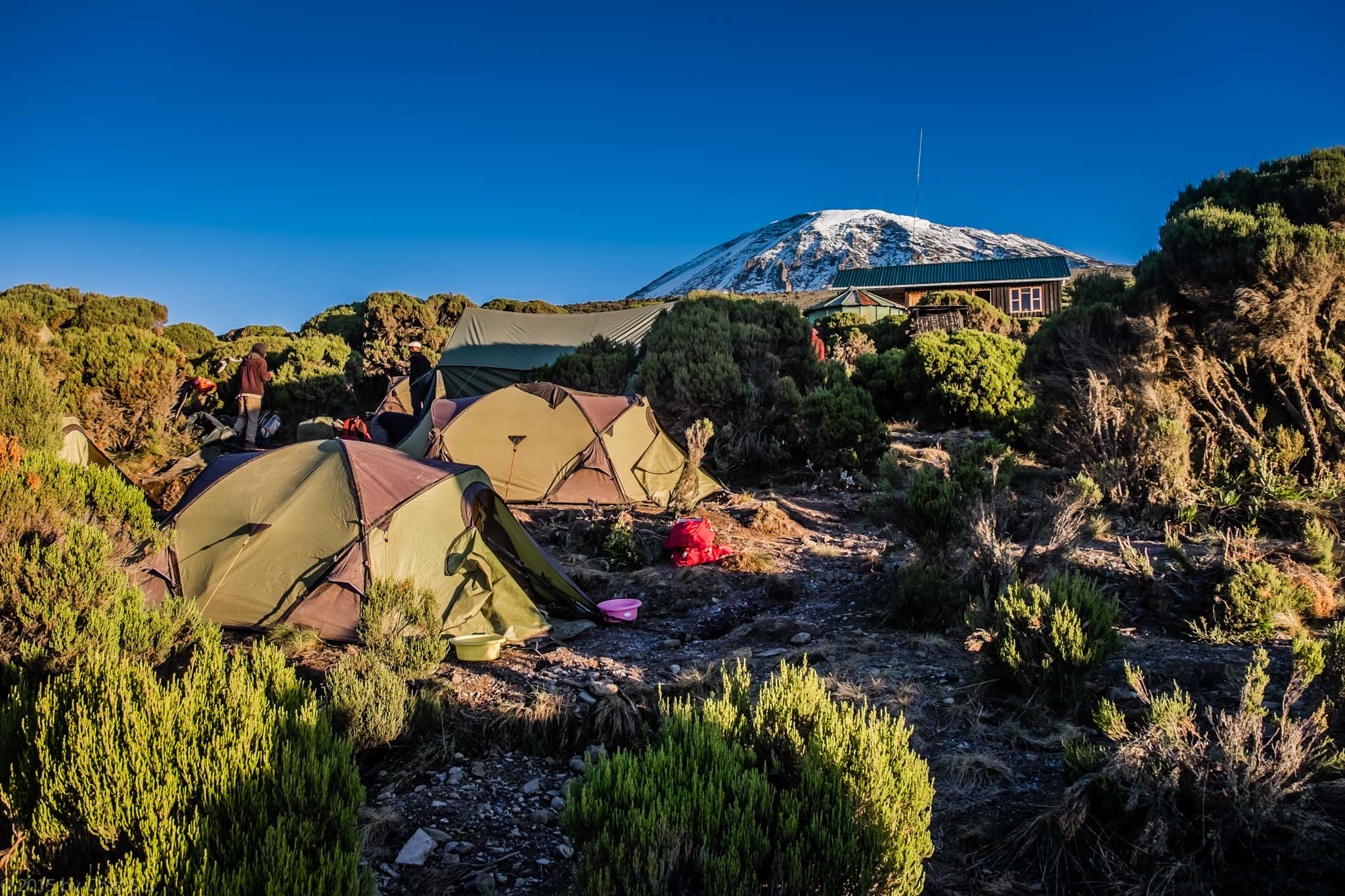
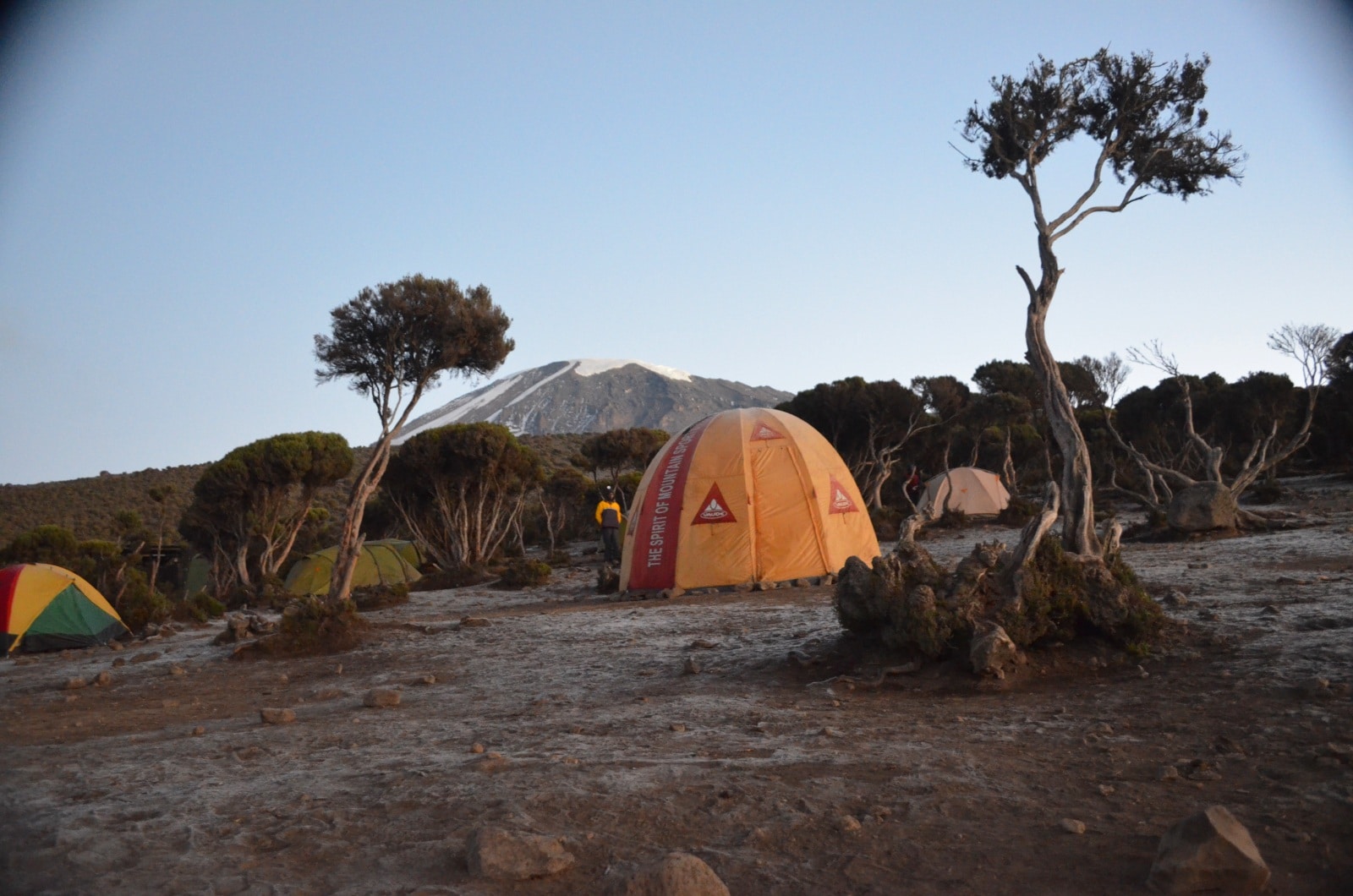
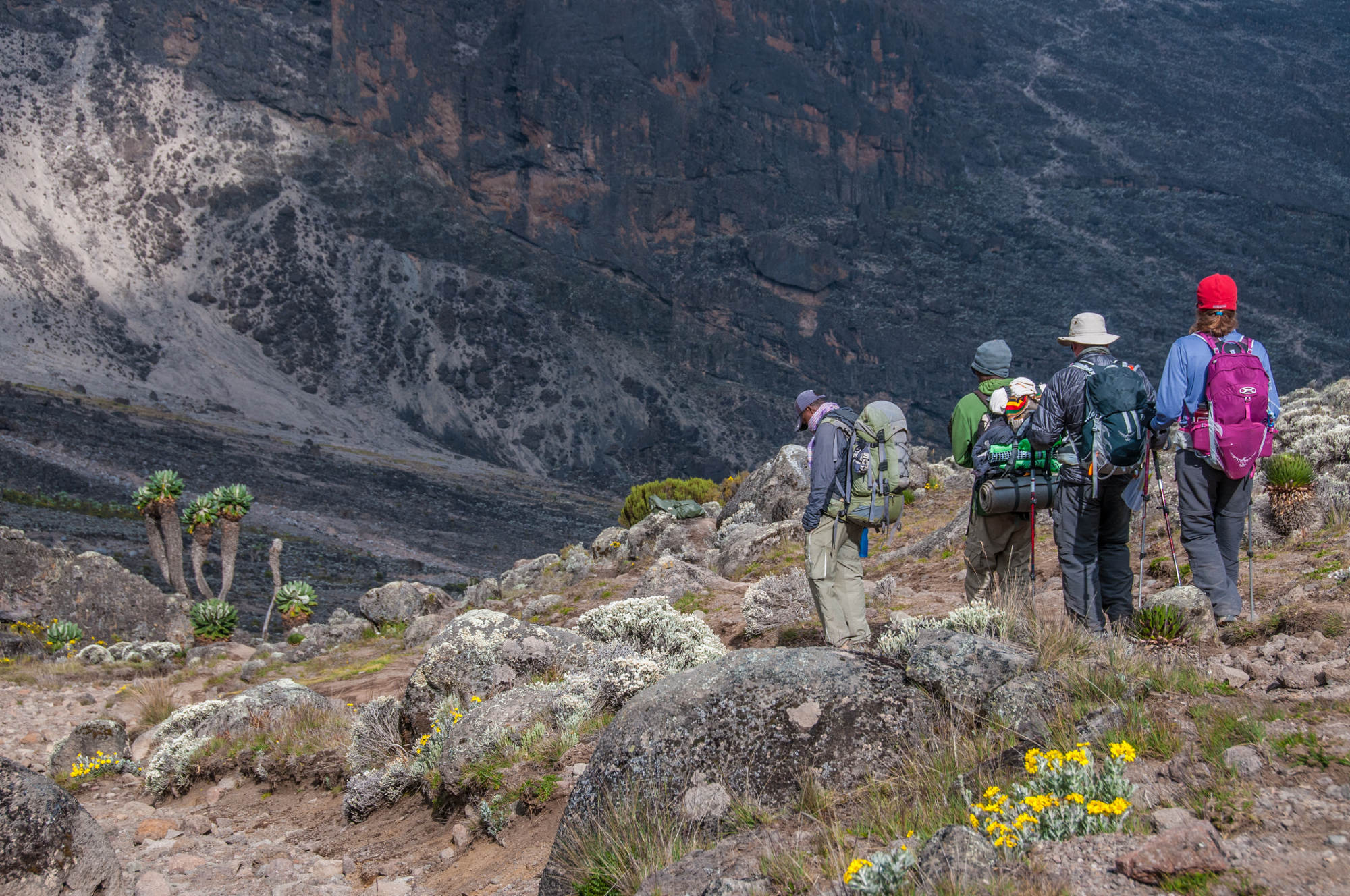
  2. Moorland Zone (2,800m – 4,000m)
    Characterized by open landscapes, giant lobelias, and senecio plants.
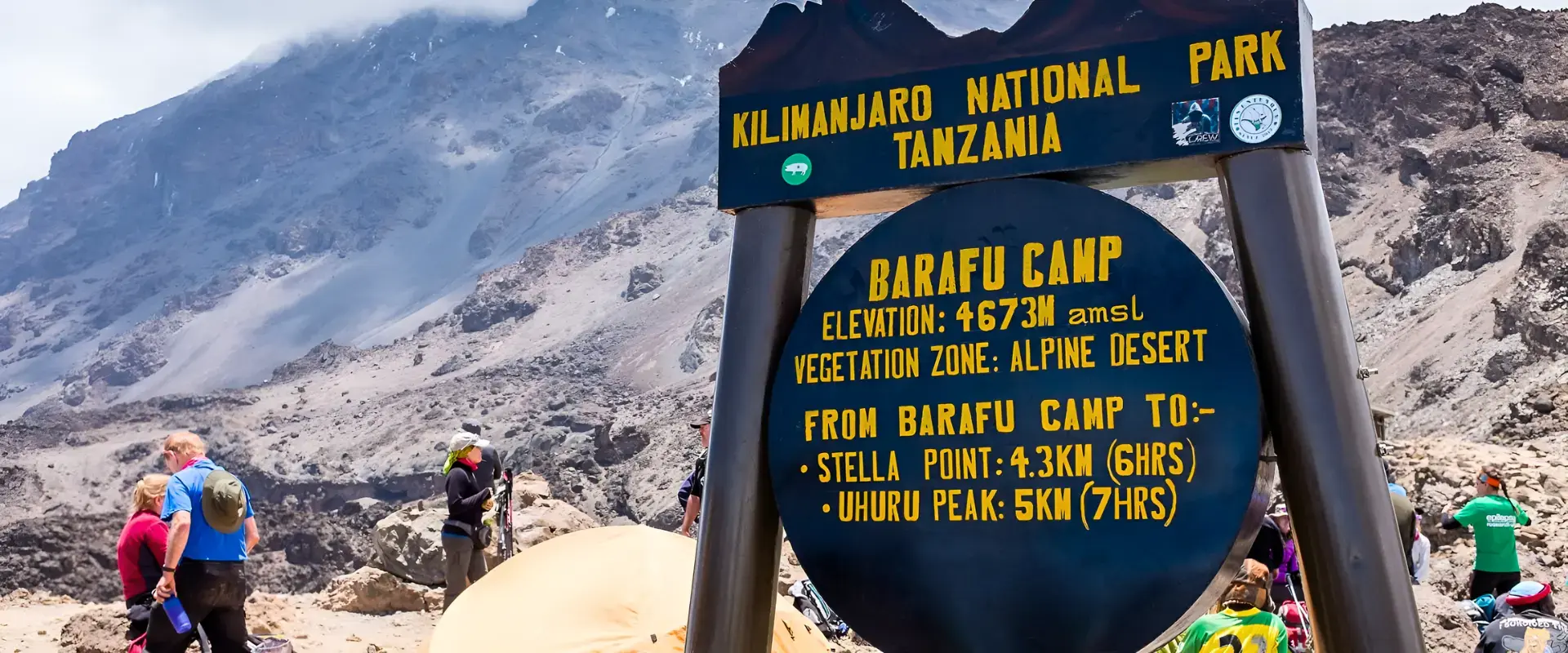
  3. Alpine Desert (4,000m – 5,000m)
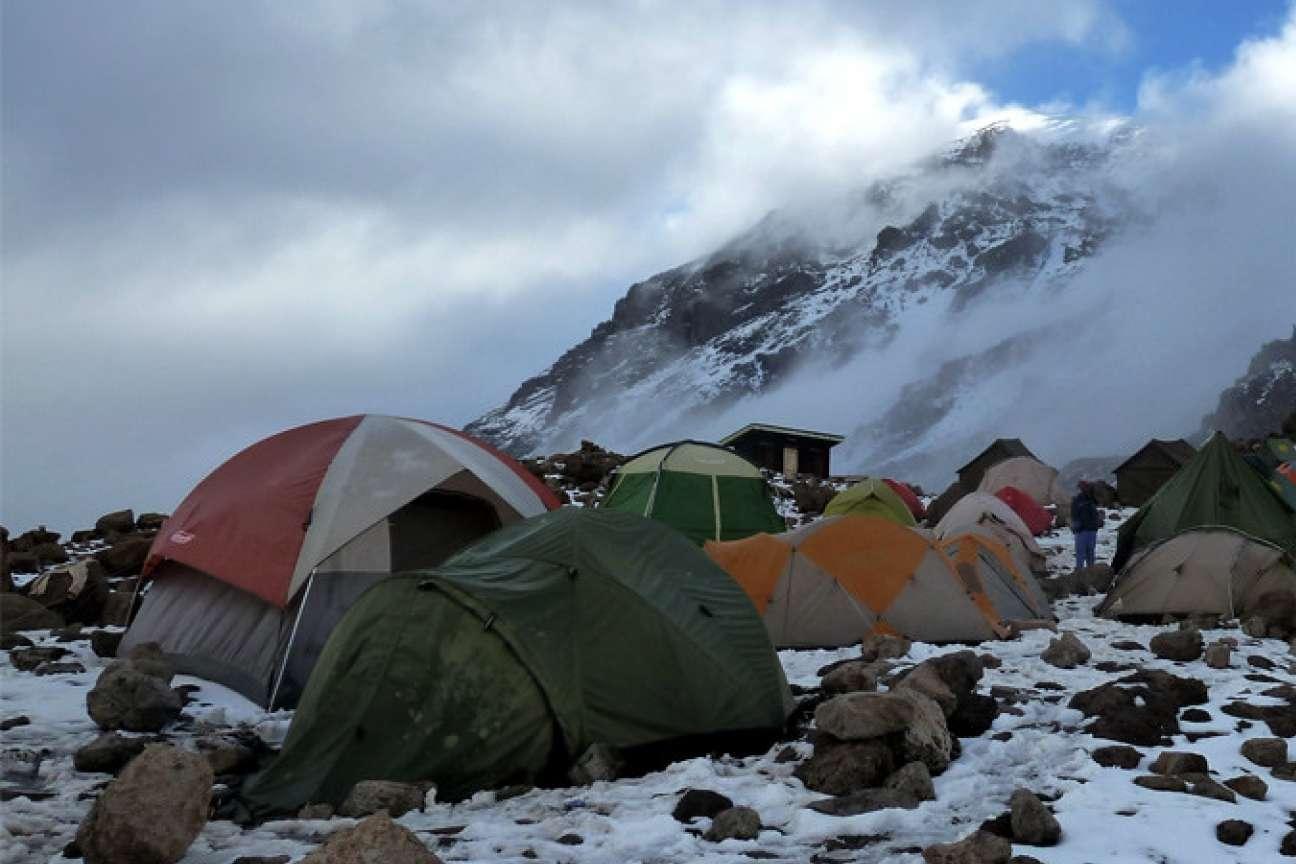
    Dry, rocky terrain with extreme temperature variations.
  4. Arctic Zone (Above 5,000m)
    Harsh, cold, and covered with glaciers near the summit.

This gradual change in environment is what makes climbing Kilimanjaro such a unique experience.

Climbing Routes

There are several established routes to reach the summit, each offering different experiences:

  • Lemosho Route – Scenic, less crowded, excellent for acclimatization
  • Machame Route – Popular and challenging with beautiful views
  • Marangu Route – Known as the “Coca-Cola Route,” with hut accommodations
  • Rongai Route – Drier and less crowded, approaching from the north
  • Northern Circuit – Longest route with highest success rate

Among these, the Lemosho and Machame routes are considered the most scenic and successful.

Wildlife and Natural Beauty

Although Mount Kilimanjaro is famous for trekking, it also hosts a variety of wildlife, especially in the lower rainforest zone.

You may encounter colobus monkeys, blue monkeys, and various bird species. The mountain’s vegetation and landscapes are equally impressive, offering breathtaking views at every stage of the climb.

Best Time to Climb

The best times to climb Mount Kilimanjaro are during the dry seasons:

  • January to March – Cooler with fewer crowds
  • June to October – Warmer and more popular

Climbing during these periods increases the chances of clear views and a successful summit.

Difficulty and Preparation

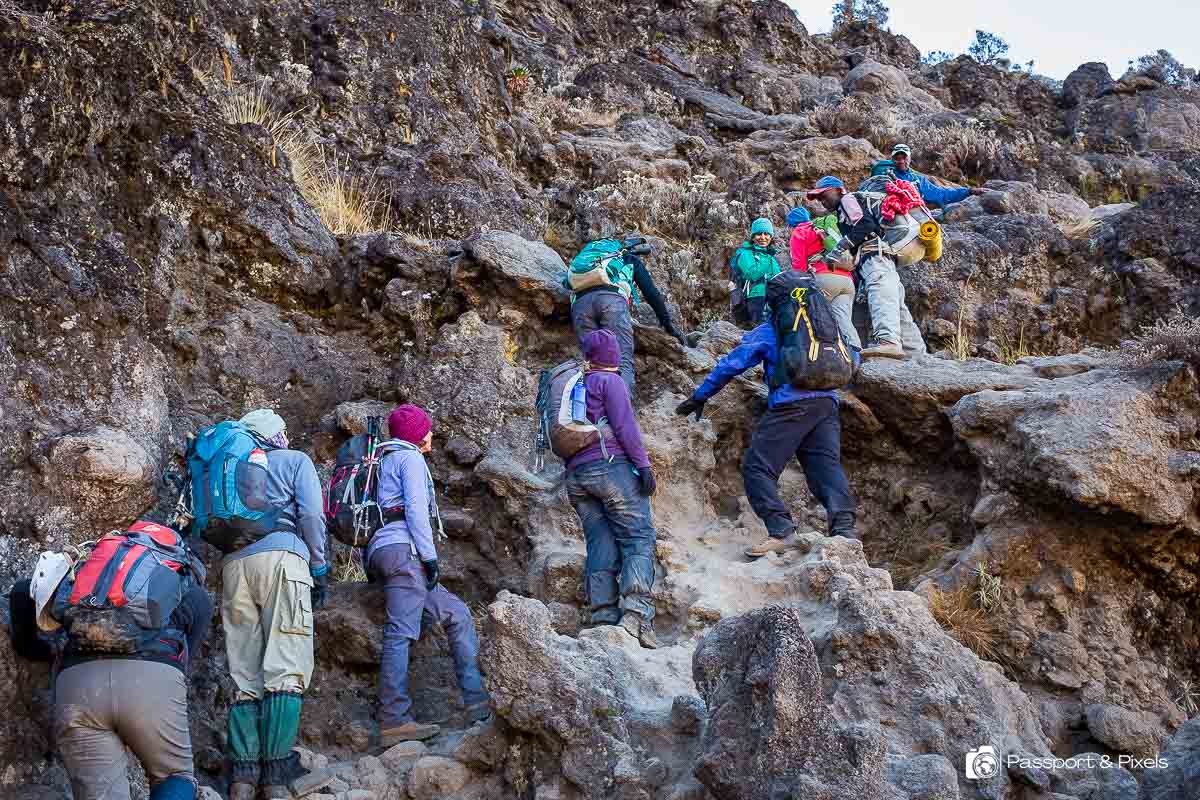
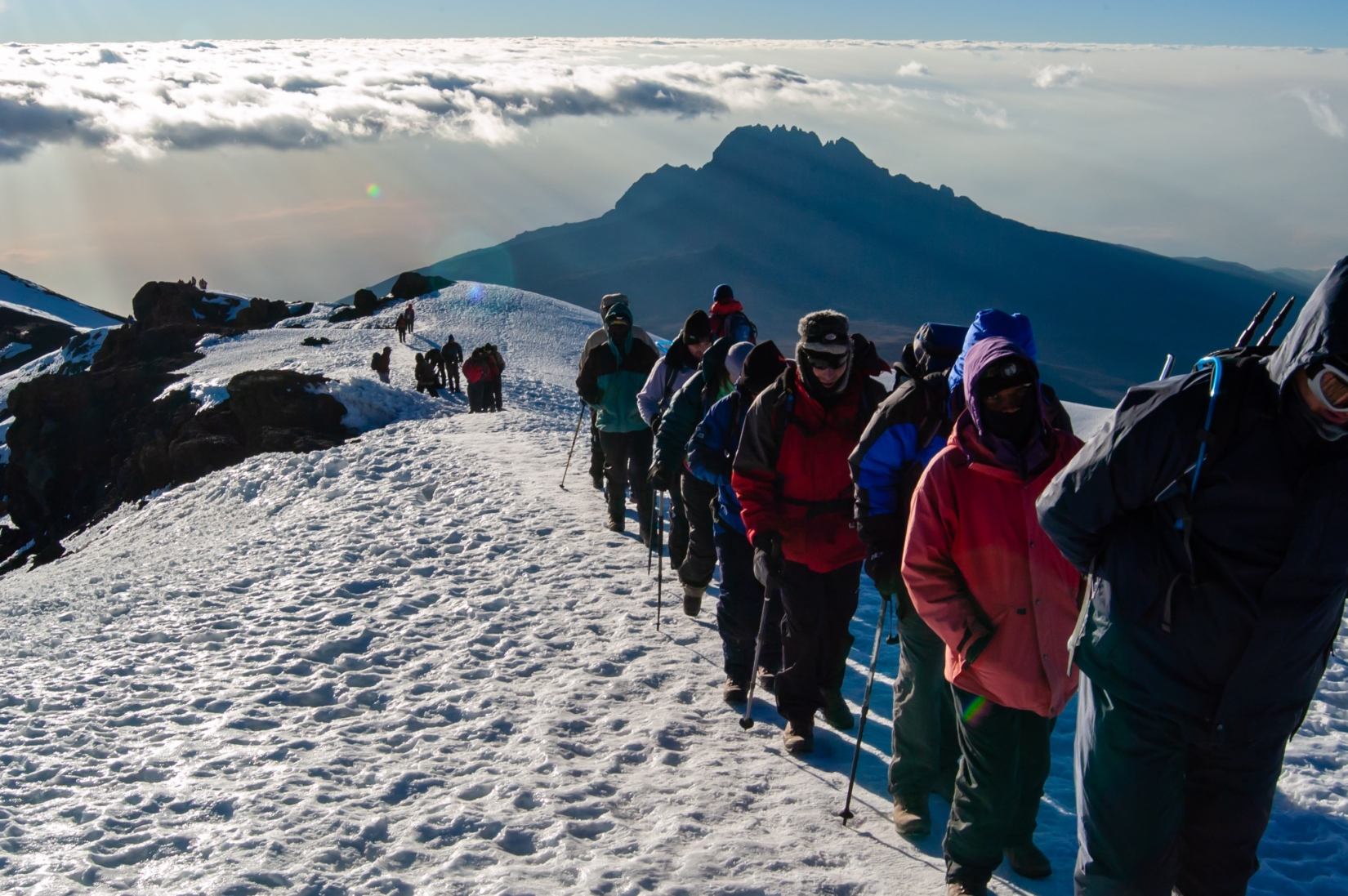
Climbing Kilimanjaro is physically demanding but does not require technical climbing skills. The main challenge is altitude, not terrain.

Proper acclimatization, fitness, and mental determination are key to reaching the summit. Choosing a longer route, like Lemosho, improves success rates.

Cultural Significance

Mount Kilimanjaro holds deep cultural importance for the local Chagga people, who live on its slopes. The mountain is a symbol of pride and identity for Tanzania and is featured on the national flag.

It is also a UNESCO World Heritage Site, recognized for its natural beauty and ecological significance.

Why Climb Mount Kilimanjaro

Climbing Mount Kilimanjaro is more than just a trek—it is a life-changing journey. From walking through lush forests to standing on the roof of Africa, the experience is both physically challenging and emotionally rewarding.

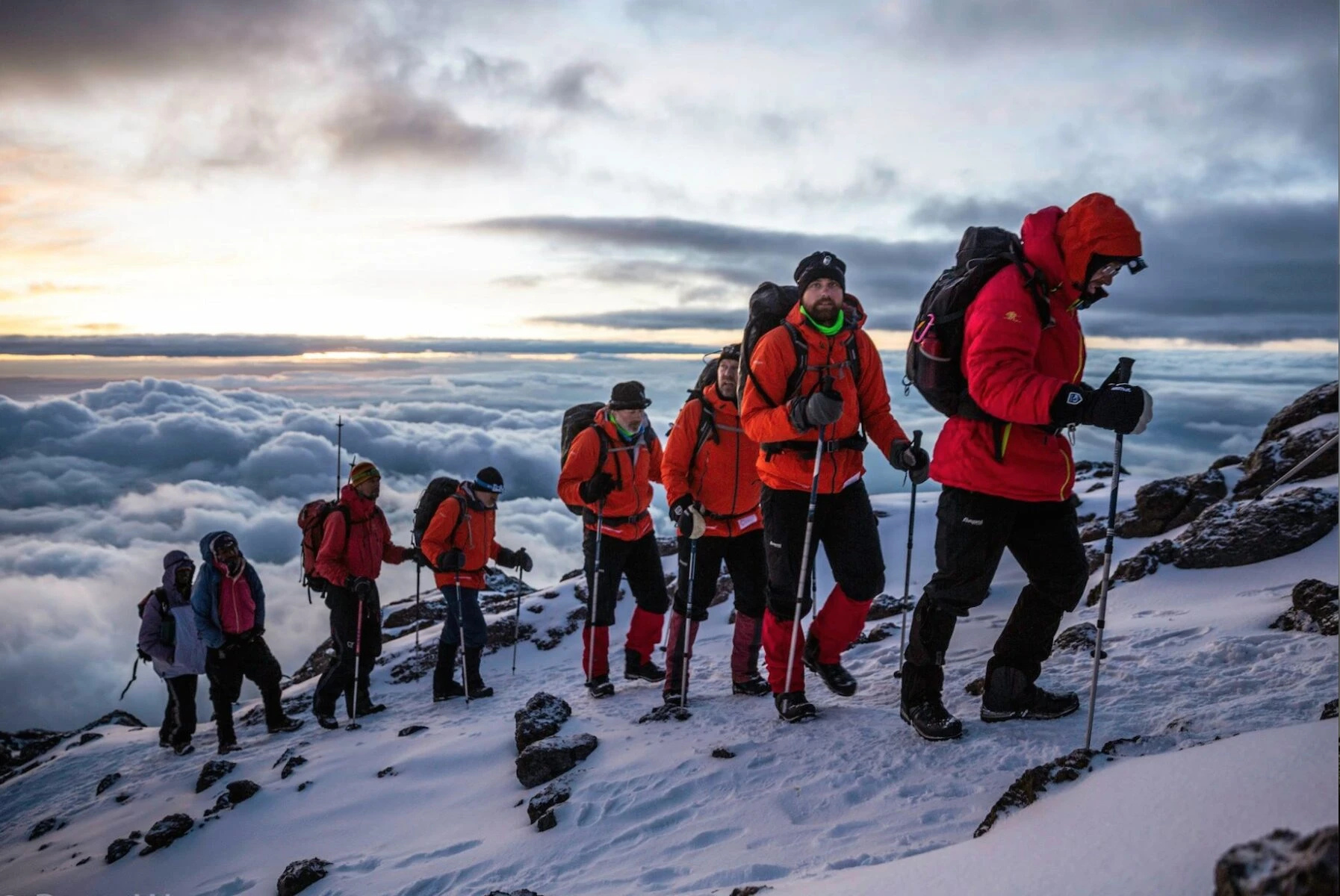
Reaching Uhuru Peak at sunrise, with glaciers around you and the African plains below, is a moment that stays with you forever.

Whether you are an experienced hiker or a first-time adventurer, Mount Kilimanjaro offers an unforgettable challenge and one of the greatest achievements in travel.
Why is Mount Kilimanjaro So Special?

Unlike other towering peaks, no technical climbing skills are required to reach the summit — just determination, fitness, and a sense of adventure. As you ascend, you pass through five unique climate zones, from tropical rainforest to alpine desert, all the way to the icy arctic summit.

It’s like walking from the equator to the North Pole, all in one breathtaking trek.

Kilimanjaro Trekking Routes

There are seven official routes to Uhuru Peak, each offering a different experience in scenery, acclimatization, and crowd levels.

Most Popular Routes:

  • Machame Route (6–7 days): Known as the “Whiskey Route” – scenic, challenging, great for acclimatization

  • Marangu Route (5–6 days): The “Coca-Cola Route” – the only one with hut accommodation

  • Lemosho Route (7–8 days): Less crowded, highly recommended for beauty and success rates

  • Rongai Route (6–7 days): Comes in from the northern side, drier and quieter

Our recommendation: Take at least 7 days to improve your chances of reaching the summit safely.

Landscapes & Ecosystems of Kilimanjaro

As you climb, you’ll journey through five distinct ecological zones:

  1. Cultivated Base – Banana plantations and coffee farms

  2. Rainforest – Lush, misty jungle filled with birds, monkeys, and waterfalls

  3. Heather-Moorland – Giant groundsels, strange flora, open vistas

  4. Alpine Desert – Stark, lunar-like landscape with dramatic rock formations

  5. Arctic Summit Zone – Icefields, glaciers, and the majestic peak of Uhuru

No other mountain in the world offers such a rapid change in environment.

Is Climbing Kilimanjaro Hard?

It’s challenging but doable — even for beginners. The key is slow acclimatization, good gear, a positive attitude, and a great guide.

Our experienced trekking team provides:

  • Daily health checks

  • Oxygen support and first aid

  • Porter and chef support

  • Motivational, multilingual guides who’ve summited hundreds of times

Success is possible with the right support!

Best Time to Climb Kilimanjaro

Kilimanjaro can be climbed year-round, but the best months are during the dry seasons:

January to early March

  • Clear skies, warmer nights

  • Great visibility and photo ops

June to October

  • Peak season

  • Cooler, more stable weather

Avoid: April, May, and November

  • Rainy, muddy trails

  • Low visibility

Where to Stay Before and After the Climb

Rest and recover in comfort with luxury or mid-range accommodations near the base in Moshi or Arusha.

Recommended Hotels:

  • Gran Meliá Arusha – Luxury, spa, and lush gardens

  • Ameg Lodge (Moshi) – Perfect for climbers

  • Chanya Lodge – A peaceful retreat near the mountain

  • Arusha Coffee Lodge – For travelers heading off to safari afterwards

How to Get to Kilimanjaro

  • Fly into Kilimanjaro International Airport (JRO) – less than 1 hour from Moshi or Arusha

  • We’ll arrange all transfers, including pick-up and drop-off

What to Pack for Kilimanjaro

  • Layered clothing (temperatures drop to -15°C at the summit)

  • Waterproof hiking boots

  • Daypack & duffel (porters carry your main bag)

  • Gloves, hat, headlamp, water bottle

  • Energy snacks, sunglasses, sunscreen

  • We provide tents, sleeping mats, meals & more

Should You Include Mount Kilimanjaro in Your Tanzania Itinerary?

Absolutely. Even if you don’t summit, just trekking partway up Kilimanjaro gives you incredible views and a sense of achievement. Combine your climb with a Tanzania safari or a Zanzibar beach escape for the ultimate East African adventure.

Sample Kilimanjaro Trek + Safari Combo Itinerary:

  • Day 1–7: Machame Route trek

  • Day 8: Rest day in Arusha

  • Day 9–14: Safari to Tarangire, Serengeti & Ngorongoro

  • Day 15–17: Fly to Zanzibar for beach relaxation

Ready to Climb Mount Kilimanjaro?

Let us help you reach Africa’s highest point — safely, joyfully, and with the best support possible. Whether it’s your first mountain or your seventh summit, Mount Kilimanjaro will change your life.

📩 Contact us today for expert Kilimanjaro climbing packages or personalized trip planning.

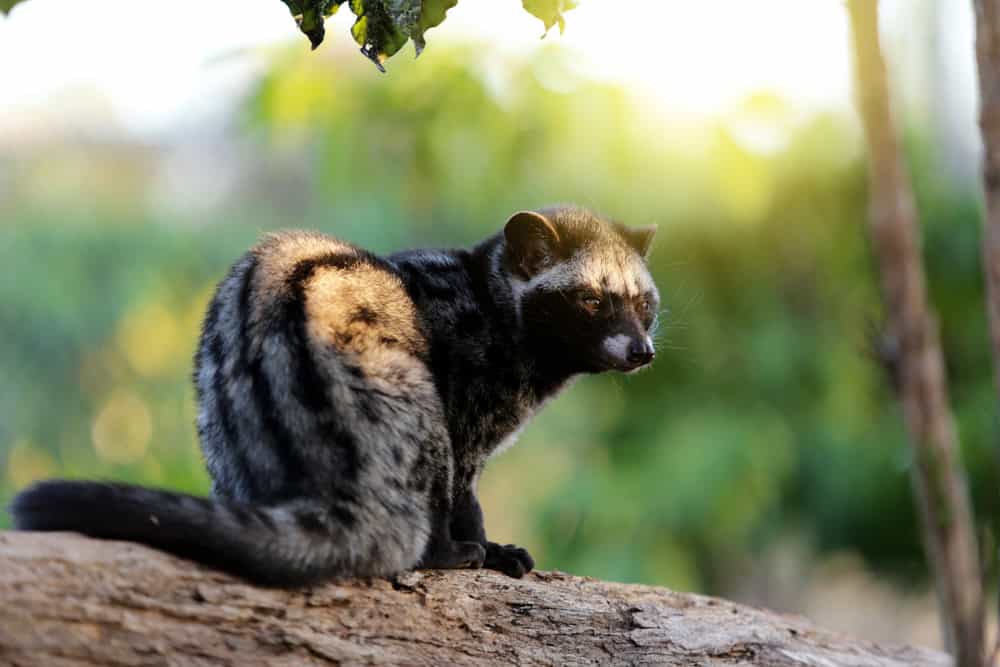
Most common animals

  • Colobus monkeys & blue monkeys
  • Duikers and bushbucks

  • Forest elephants and buffalo (rare but possible in lower forests)

  • More than 180 species of birds, including turacos, hornbills, and sunbirds

Facts about Mount Kilimanjaro

  • Kilimanjaro is the tallest freestanding mountain in the world
  • Despite being near the equator, its glaciers are thousands of years old (though rapidly retreating)

  • 🇹🇿 “Kilimanjaro” means “Mountain of Greatness” in Swahili

  •  Over 35,000 people attempt the climb each year, with about 65% reaching the summit

  •  You’ll receive a certificate whether you reach Uhuru Peak (the summit) or Gilman’s Point on the crater rim